Sewer Backup in the Basement? What to Do in 6 Steps
By Mike Holt, NJ Master Plumber · October 31, 2026 · 5 min read · Updated November 1, 2026
Quick answer
Stop all water use, isolate the area, keep children and pets out, avoid chemical drain cleaners, and do not enter floodwater near electrical equipment. Arrange professional drain assessment and appropriate sewage remediation.
- Difficulty
- Emergency
- Time
- Call within the hour
- You need
- Phone, used from a safe, dry spot
Rather not risk it? A licensed plumber can handle this for you, with written upfront flat-rate pricing options before any work starts.
Sewage coming up right now? Stop using all water in the house and call us. 908-873-6686
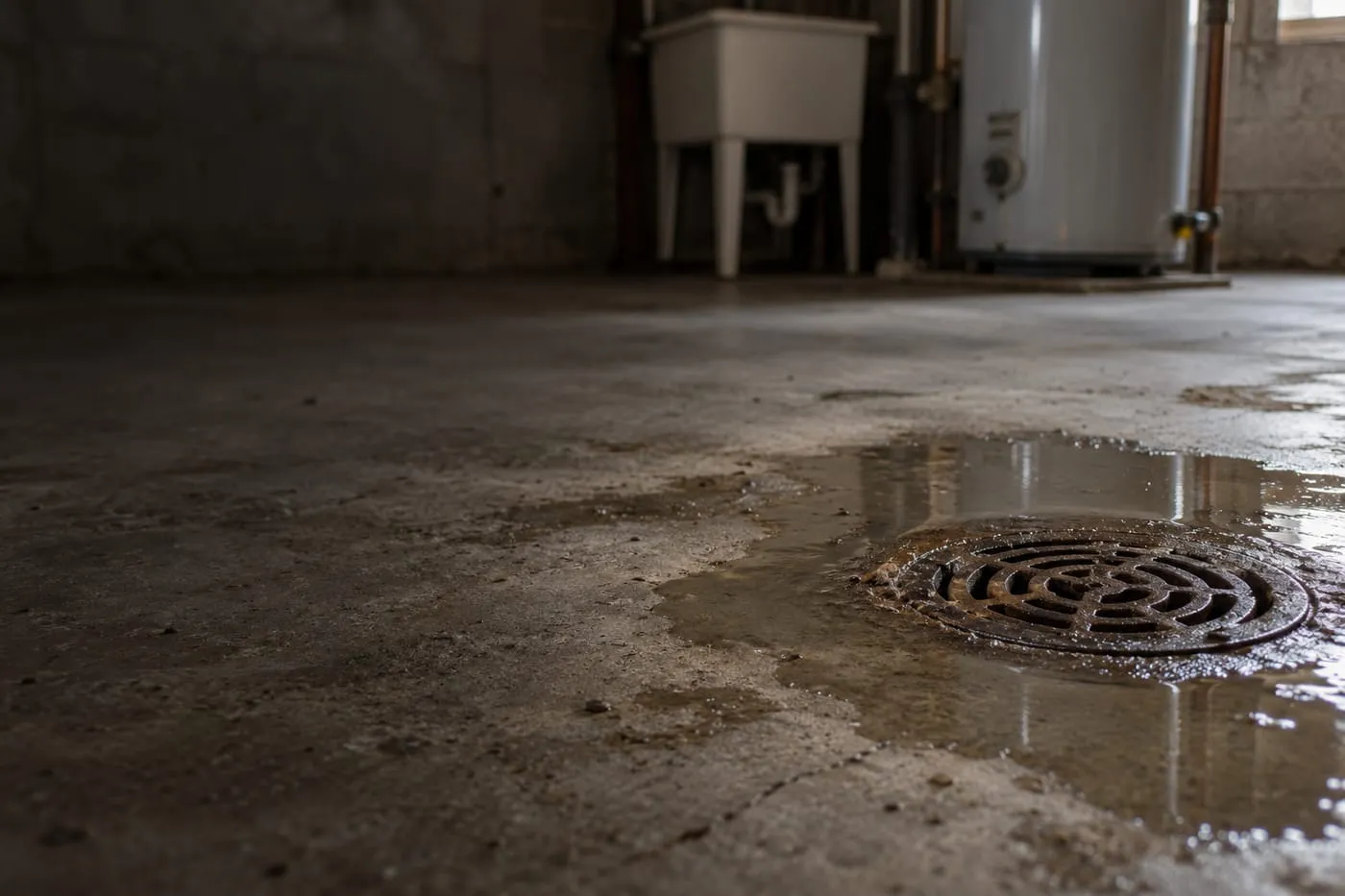
A sewer backup means wastewater can't leave the house, so it rises out of the lowest opening it can find. That's almost always the basement floor drain, then a basement shower or toilet. Act fast: every gallon anyone runs upstairs ends up on your floor.
What to do when the sewer backs up
Step 1: Stop using water everywhere
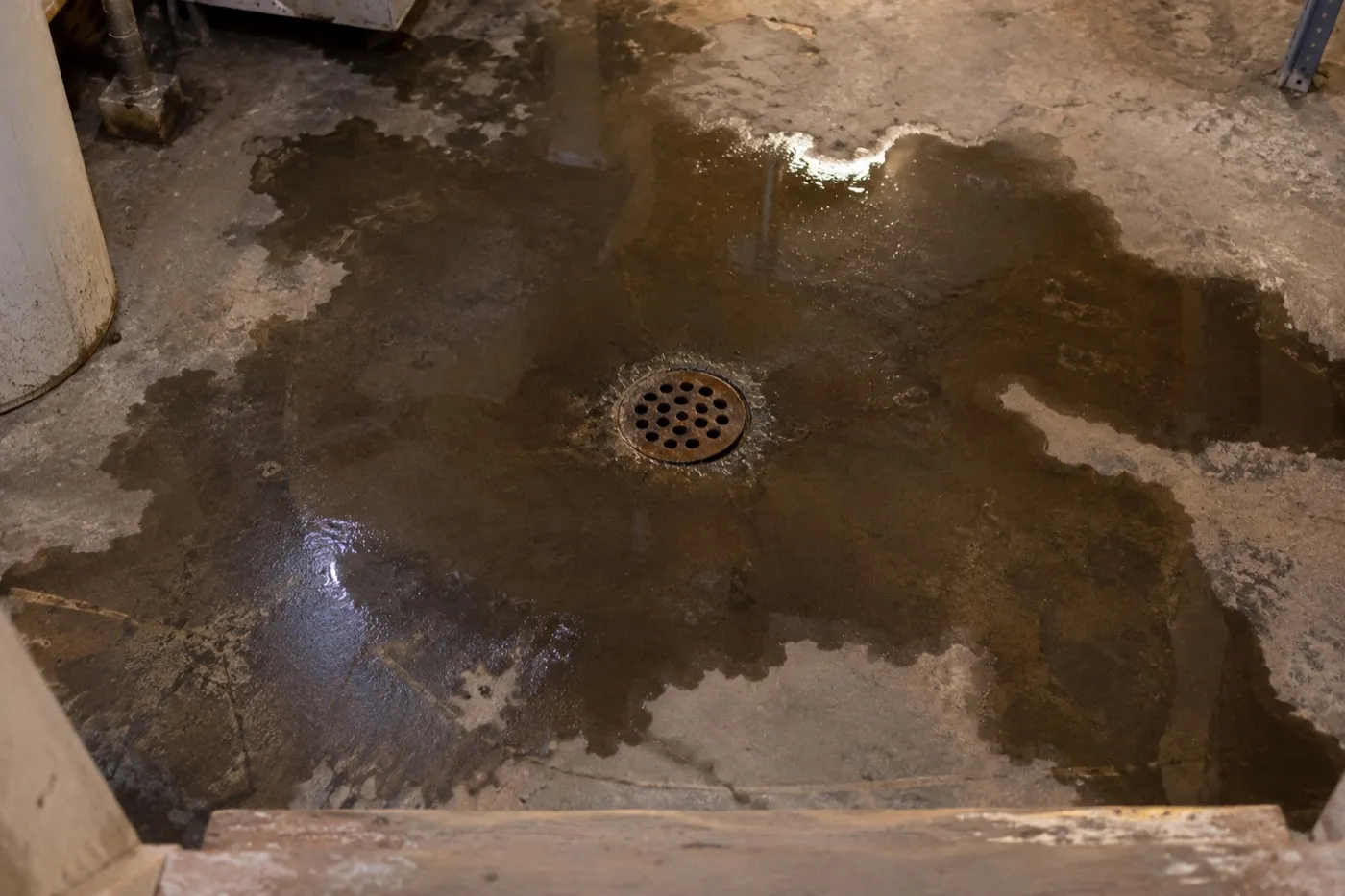
Every sink, toilet, tub, dishwasher and washing machine drains into the same sewer line. When that line is blocked, the water has nowhere to go but back up. Tell everyone at home: no flushing, showers, dishes or laundry until the line is cleared.
Check for anything running on its own, like a dishwasher mid-cycle or a washing machine. A single load of laundry can send 15 to 40 gallons down the drain.
How you know it's helping: the water around the floor drain stops rising, and it may slowly sink back down. If it keeps rising with nothing running, the town main may be backing up into your line (see step 4).
Step 2: Isolate the area
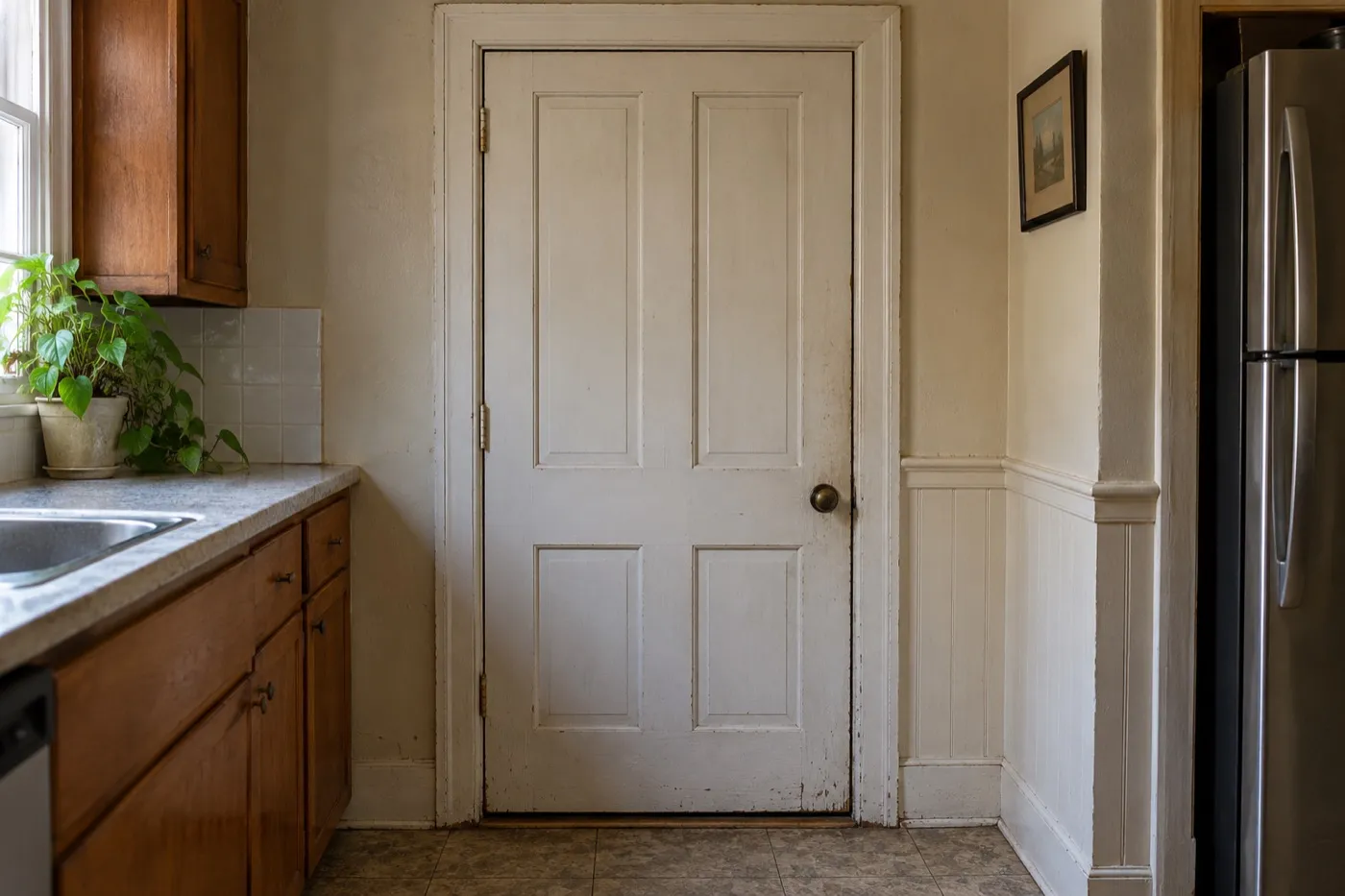
Sewage carries bacteria and viruses, so treat anything it touched as contaminated. Close off the area, keep children and pets out and stay out yourself.
Do not enter floodwater near electrical equipment, and don't touch plugged-in equipment. If water is near outlets or the electrical panel, stay out of the room.
Step 3: Skip the chemicals and the plunger
Avoid chemical drain cleaners. They can't reach a blockage in the main line, and they make the backed-up water caustic, which is dangerous for anyone who opens the line later. Plunging a floor drain doesn't help either; it splashes sewage around and can push it up another drain.
The common mistake here is pouring a whole bottle of drain cleaner in "just in case." If you already did, tell us when you call so we can protect ourselves before opening the cleanout.
Step 4: Ask the neighbors
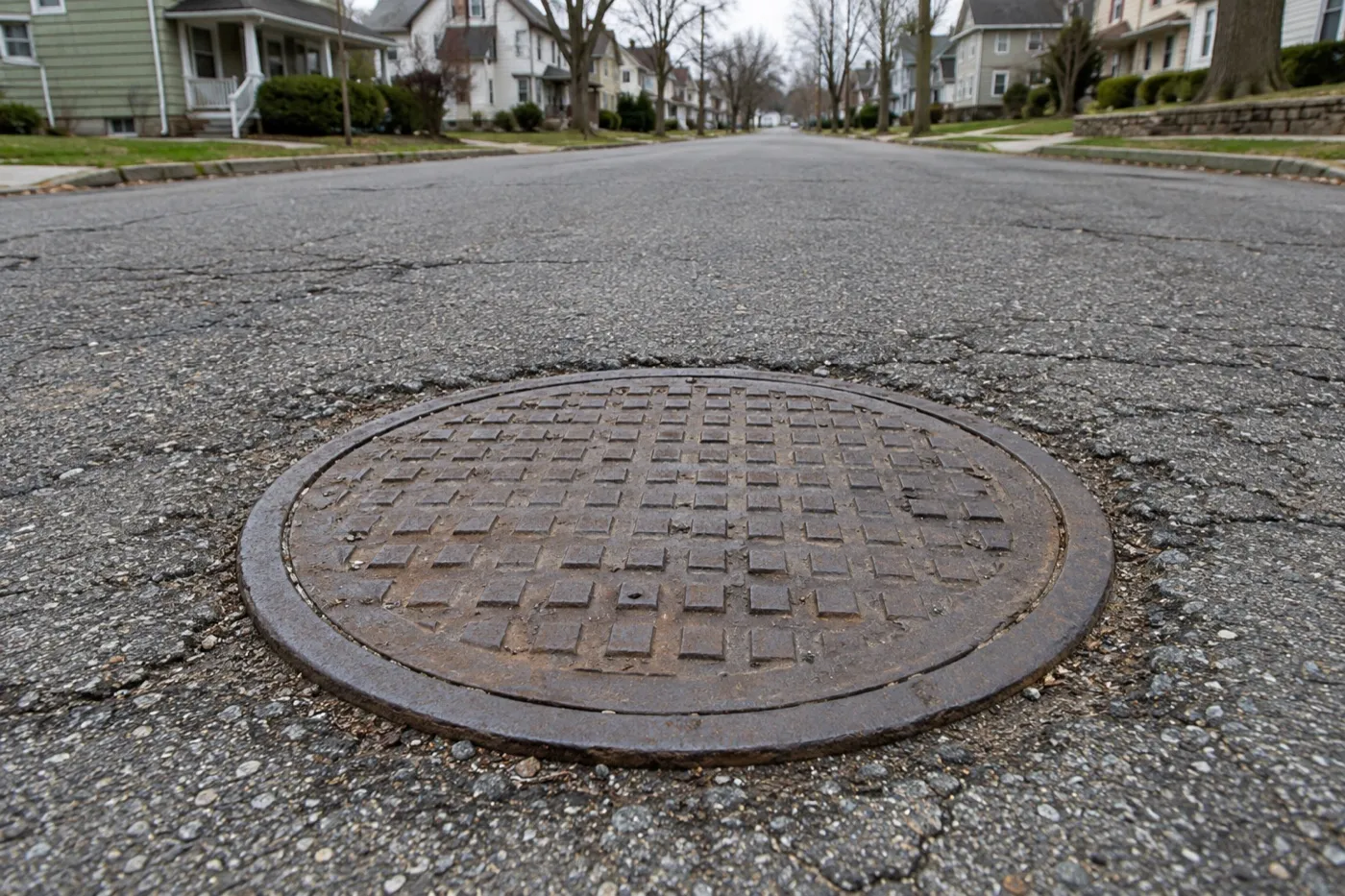
A quick check on your street tells you whose problem it is. If neighbors have backups too, the town's sewer main is likely blocked or overloaded, often after heavy rain. Call your town's sewer department or public works first.
If it's only your house, the clog is in your own line, called the lateral. In most New Jersey towns the homeowner owns the lateral from the house to the town main, sometimes including the part under the street.
Step 5: Arrange a professional drain assessment
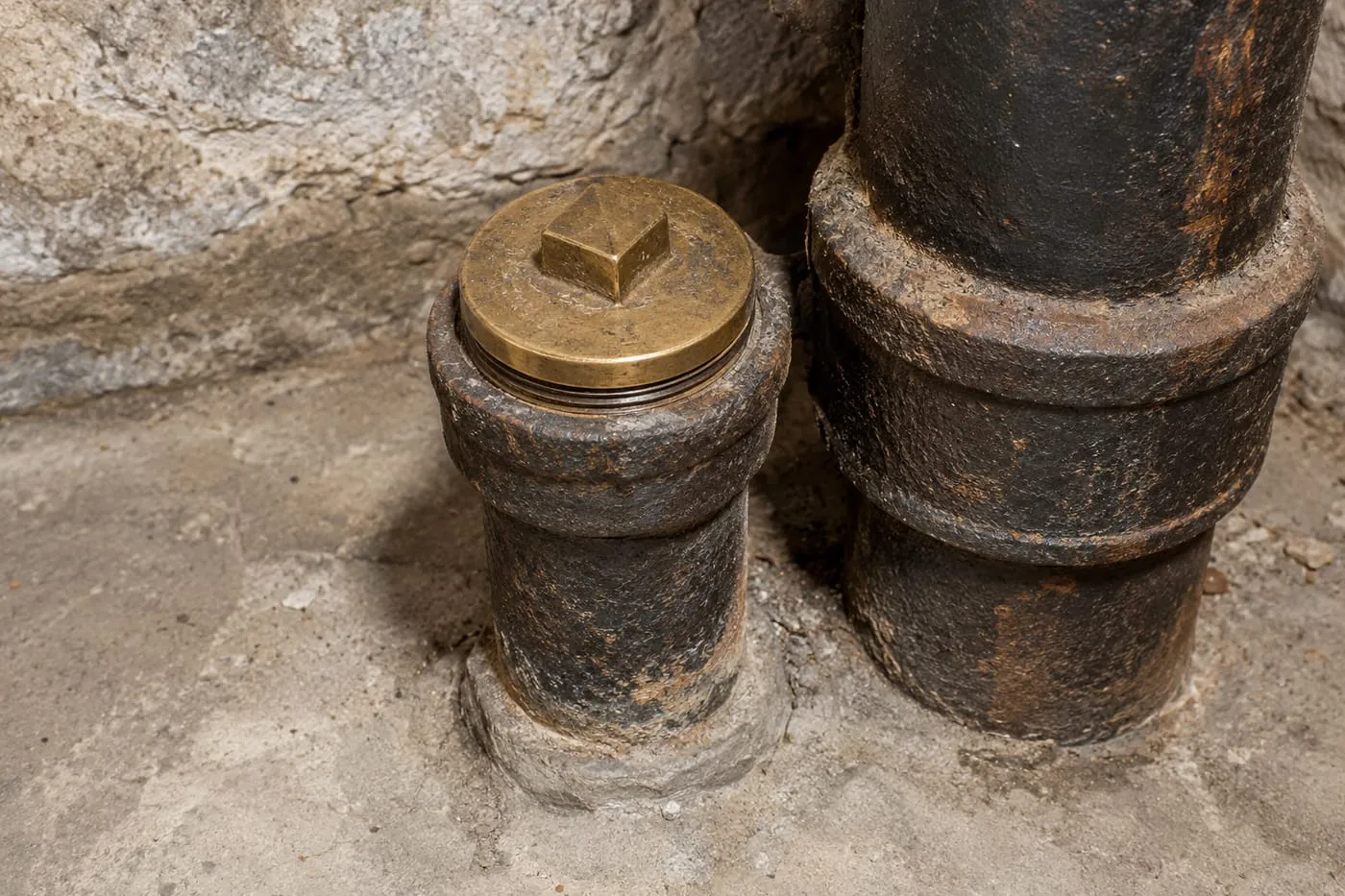
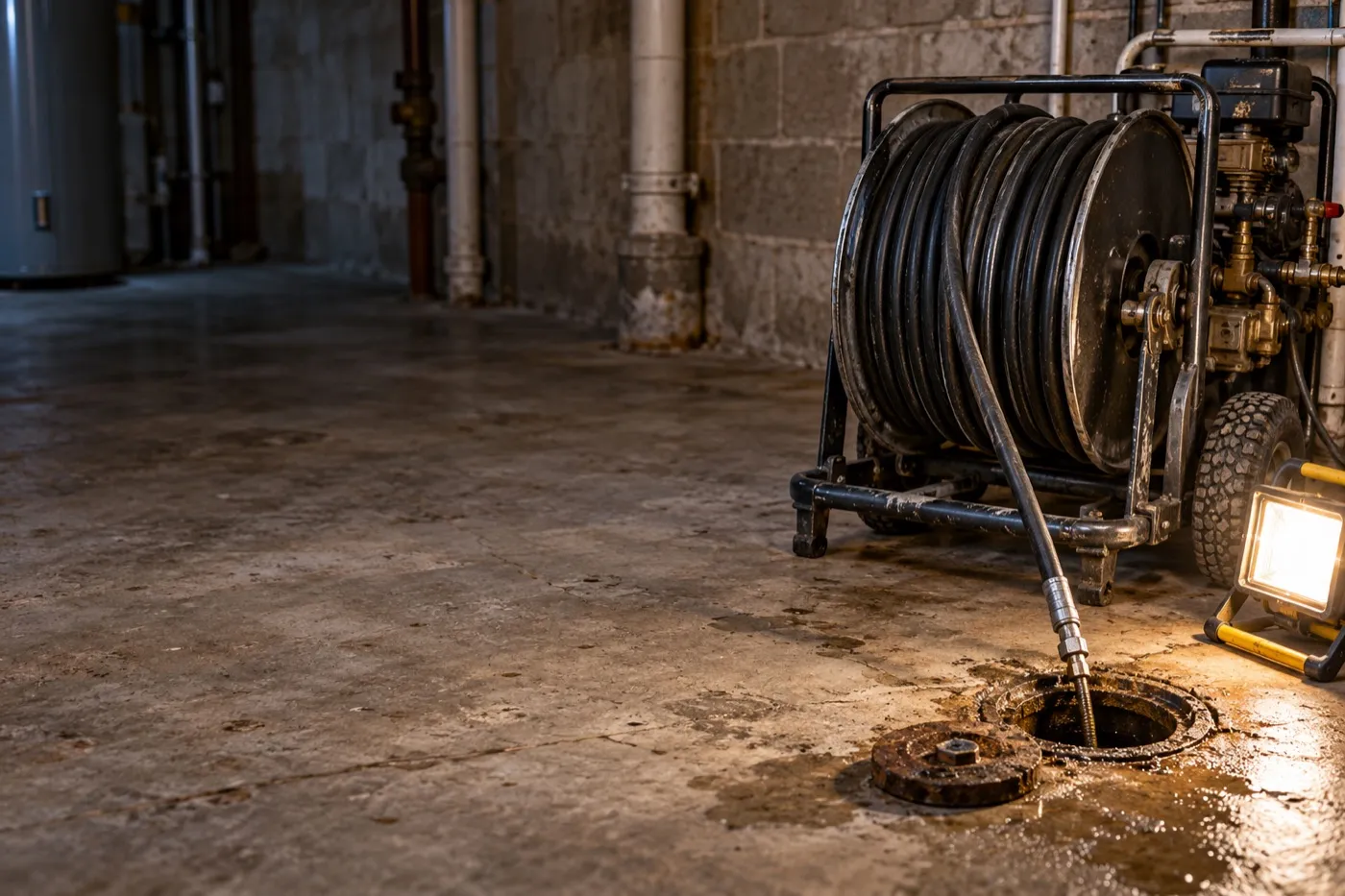
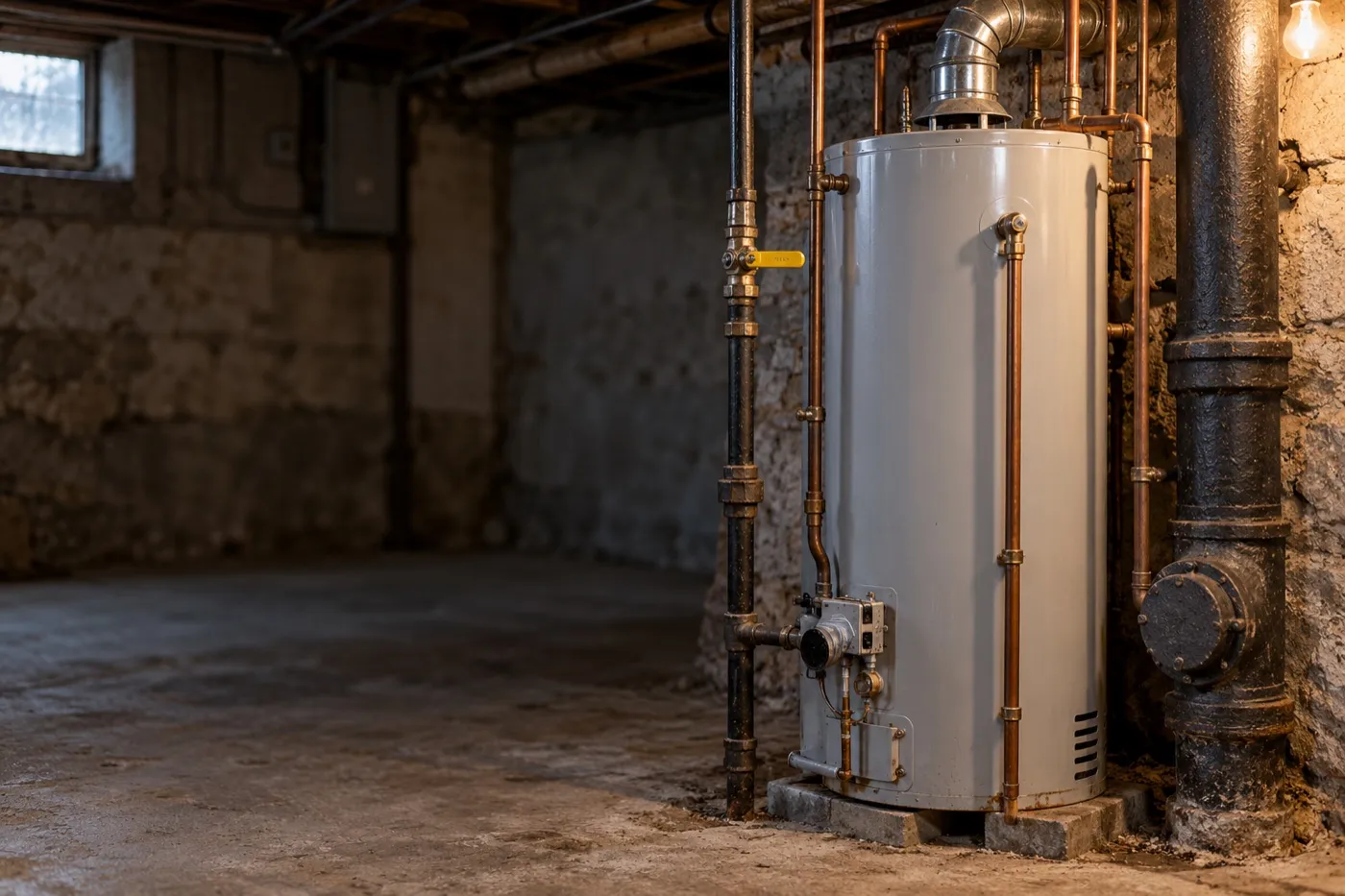
Call us at 908-873-6686. We assess the drain and open the line at the cleanout, the screw-on cap on the main drain pipe shown above, where that's appropriate. Don't open it yourself. Method depends on pipe material, structural condition, obstruction and access. Older or damaged piping may not be suitable for high-pressure jetting. Camera inspection may be recommended where conditions warrant.
Outside regular hours, emergency service requires a $250 upfront emergency fee. When paid, the standard $49 service fee is waived. During regular hours there is no emergency fee. Additional repairs are quoted before work begins. We respond immediately upon contact; dispatch and arrival depend on availability and location. See sewer and water lines and drain cleaning.
Step 6: Arrange sewage remediation
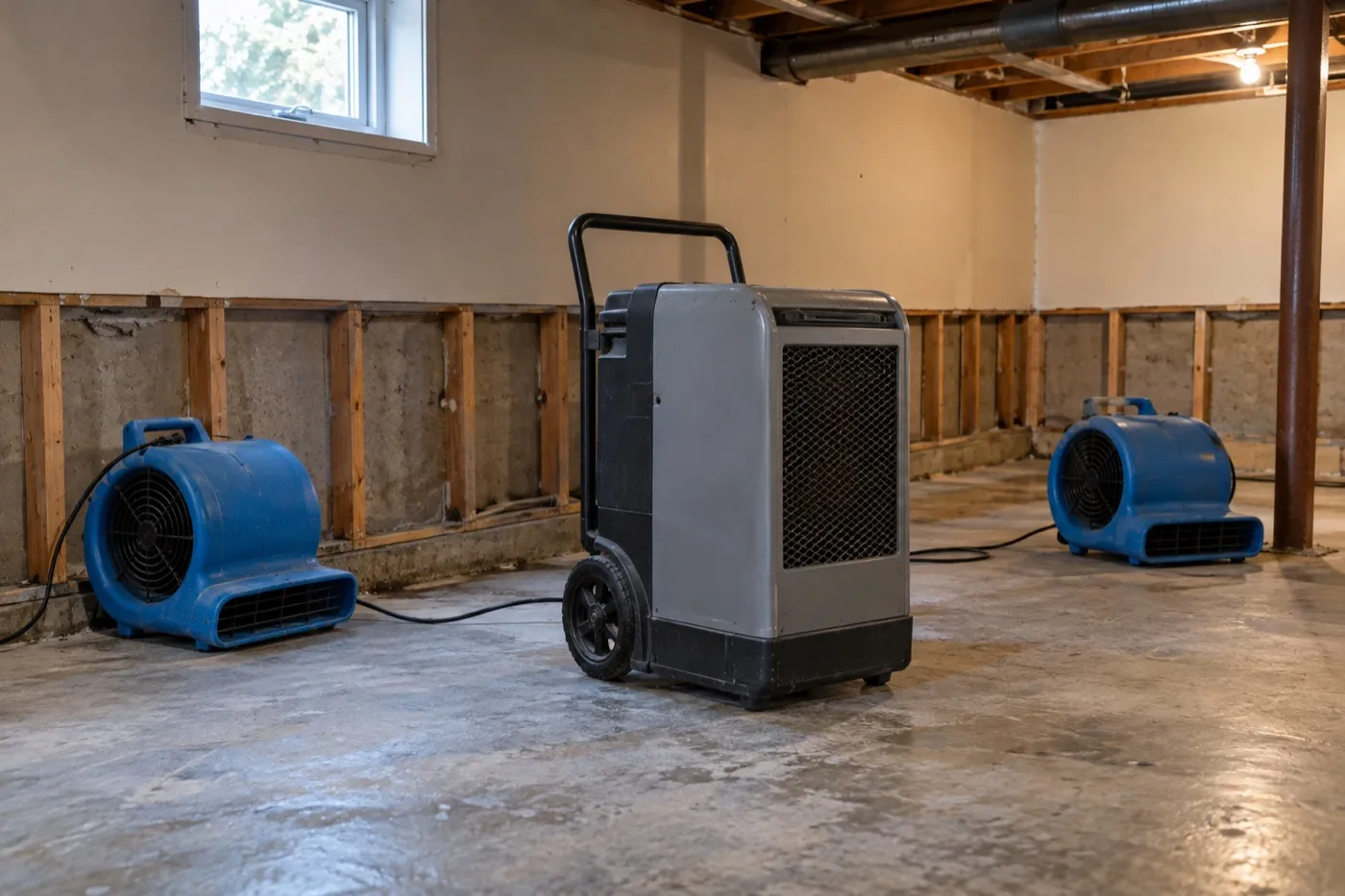
Take photos for insurance only if you can do it from a safe, dry spot. Then arrange appropriate sewage remediation with a water damage restoration company, which has the equipment to clean, disinfect and dry the area. Carpet, padding, drywall, cardboard boxes and anything else porous that sewage soaked usually can't be saved.
What causes a sewer backup?
Most backups come from something blocking the lateral, the pipe that carries waste from your house to the town main. The common causes:
- Tree roots growing into the joints of older clay or cast iron pipe, looking for water
- Grease, wipes and paper towels building into a solid blockage
- A sag (belly) in the line where waste settles and collects
- A cracked or collapsed section of old pipe, like the cast iron below
- Heavy rain overloading the town sewer so it pushes back up house lines
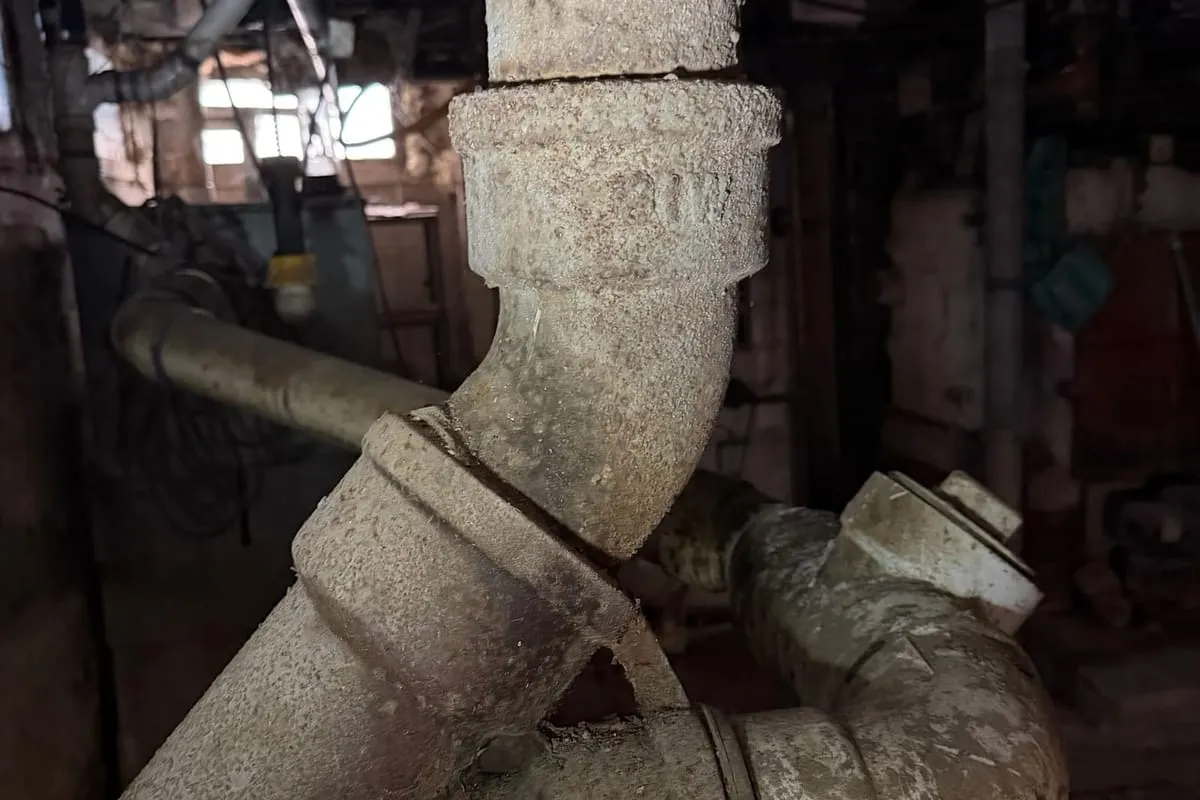
Older homes in Central New Jersey often still have their original clay or cast iron sewer lines. Those are the ones most likely to have roots and cracks.
Is it my sewer line or the town's?
If neighbors are backing up too, it's probably the town main. If it's only your house, it's your lateral. Your town's sewer department can tell you where your part of the line ends. When it's the town's main, they fix it; when it's your lateral, the repair is yours, and a camera inspection may be recommended to find the cause.
Common mistakes with a sewer backup
- Running one more load of laundry or one more flush to "see if it's fixed."
- Pouring in drain cleaner, which can't reach the clog and makes the water dangerous.
- Cleaning up sewage yourself, or letting kids and pets into the area.
- Clearing the line over and over without asking why it keeps happening.
- Keeping soaked carpet or drywall to save money. It holds bacteria and grows mold.
How do you prevent another sewer backup?
Find out why it happened, then fix that cause:
- Have roots and grease cleared by a method that suits your pipe; see snaking vs. hydro jetting
- Keep grease, wipes and paper towels out of every drain
- Have a broken or sagging section looked at before it collapses. We don't do outside digging or excavation, so contact us to confirm scope if a repair needs outside digging
- If heavy rain backs up the town sewer into your house, ask us about a backwater valve
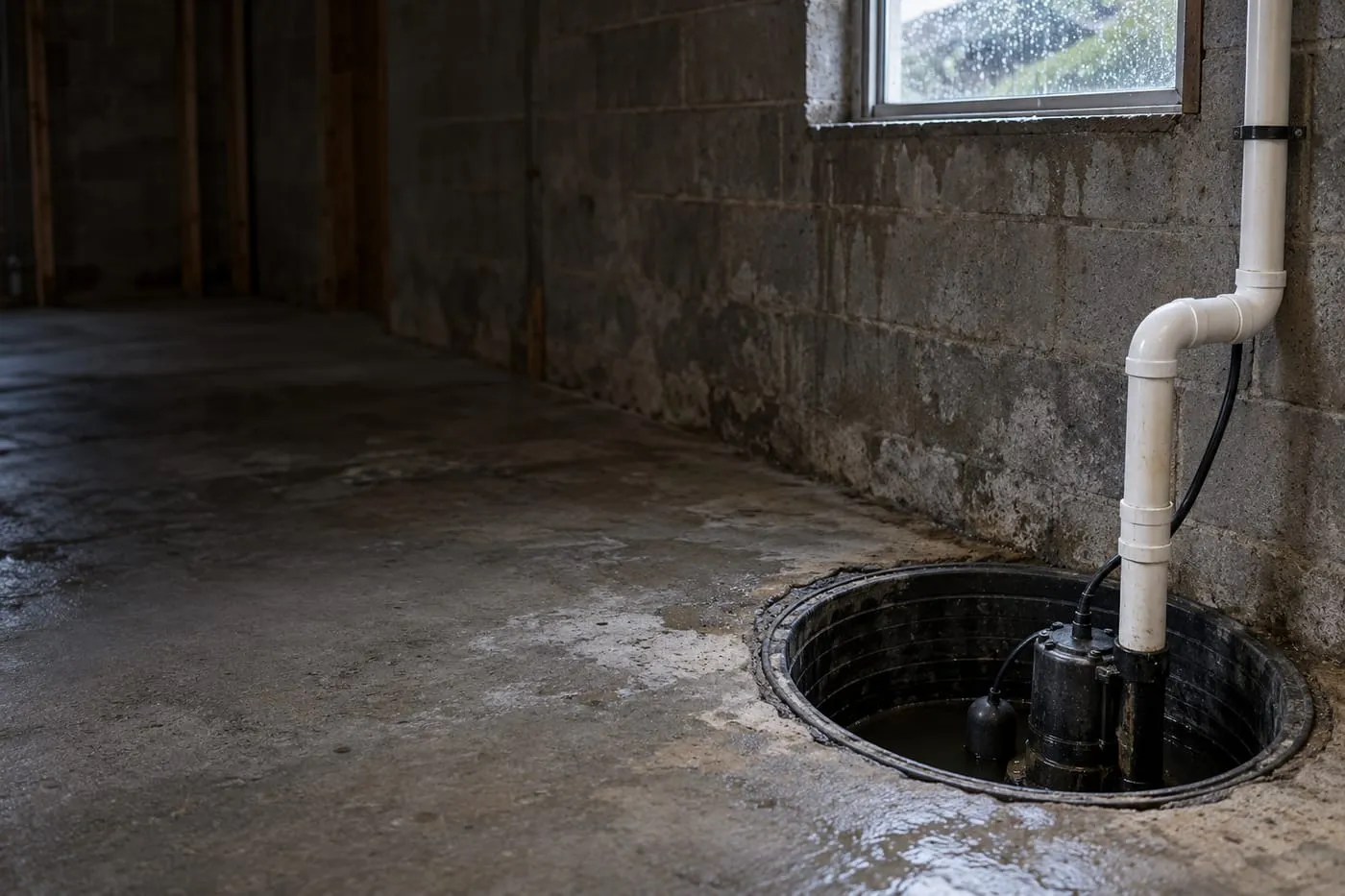
- Keep your sump pump and downspouts working so rainwater stays out of the sewer. Our sump pump guide covers simple testing from a dry, safe location.
Get tips and reminders
New guides and seasonal reminders. A few emails a year.
Stop and call us if
- Sewage or dirty water is coming up through a floor drain, tub or toilet.
- The lowest drain in the house backs up when you run water upstairs.
- Several drains are slow or gurgling at the same time.
- It has happened before. A camera inspection may be recommended, where conditions warrant.
Call 908-873-6686.

Michael Holt
Owner and operator of Plumbing Doctor, NJ Master Plumber (Lic. #36BI01345600) and U.S. Marine Corps veteran.
More about Mike