Small leaks cost more than they look
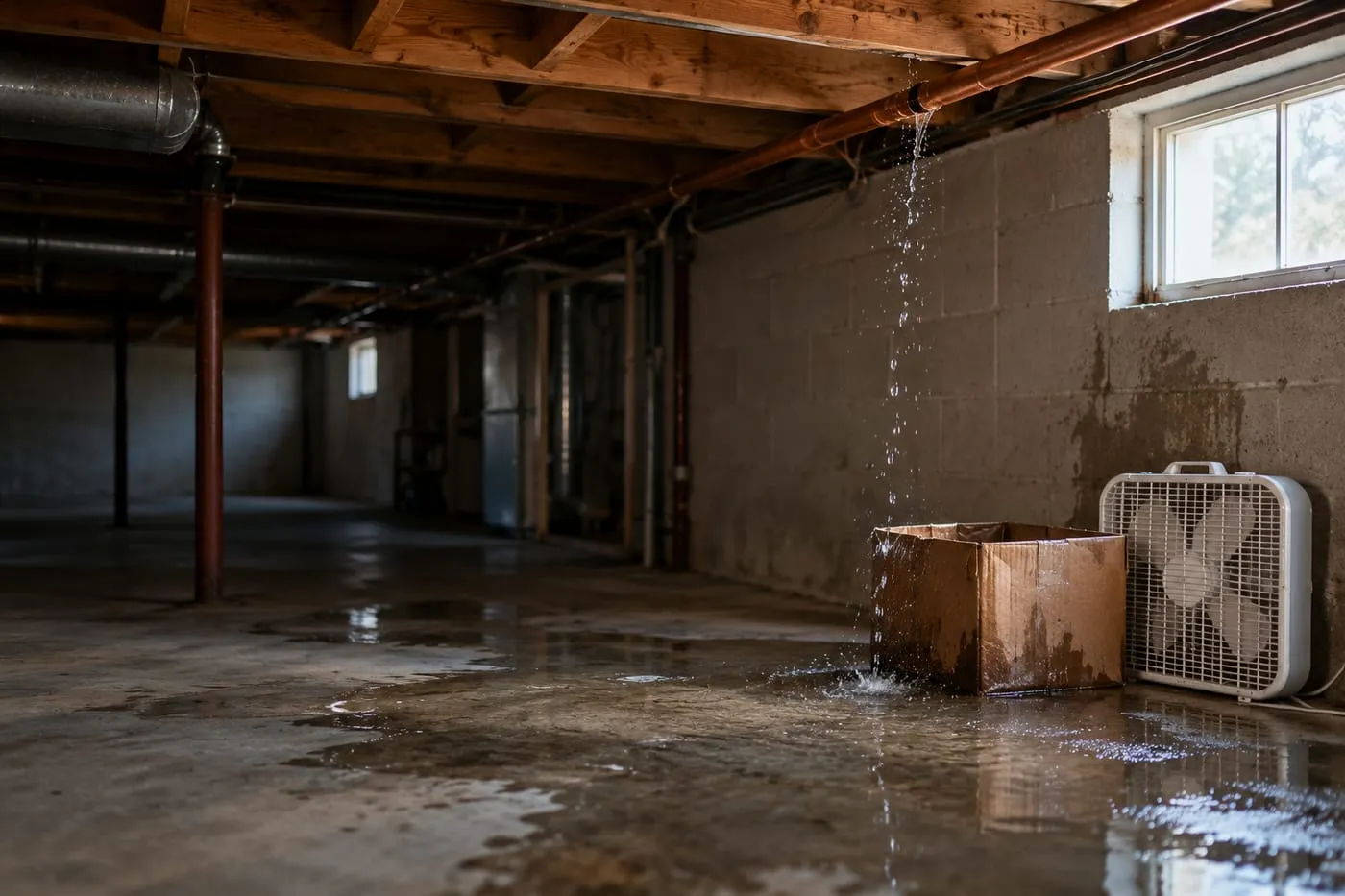
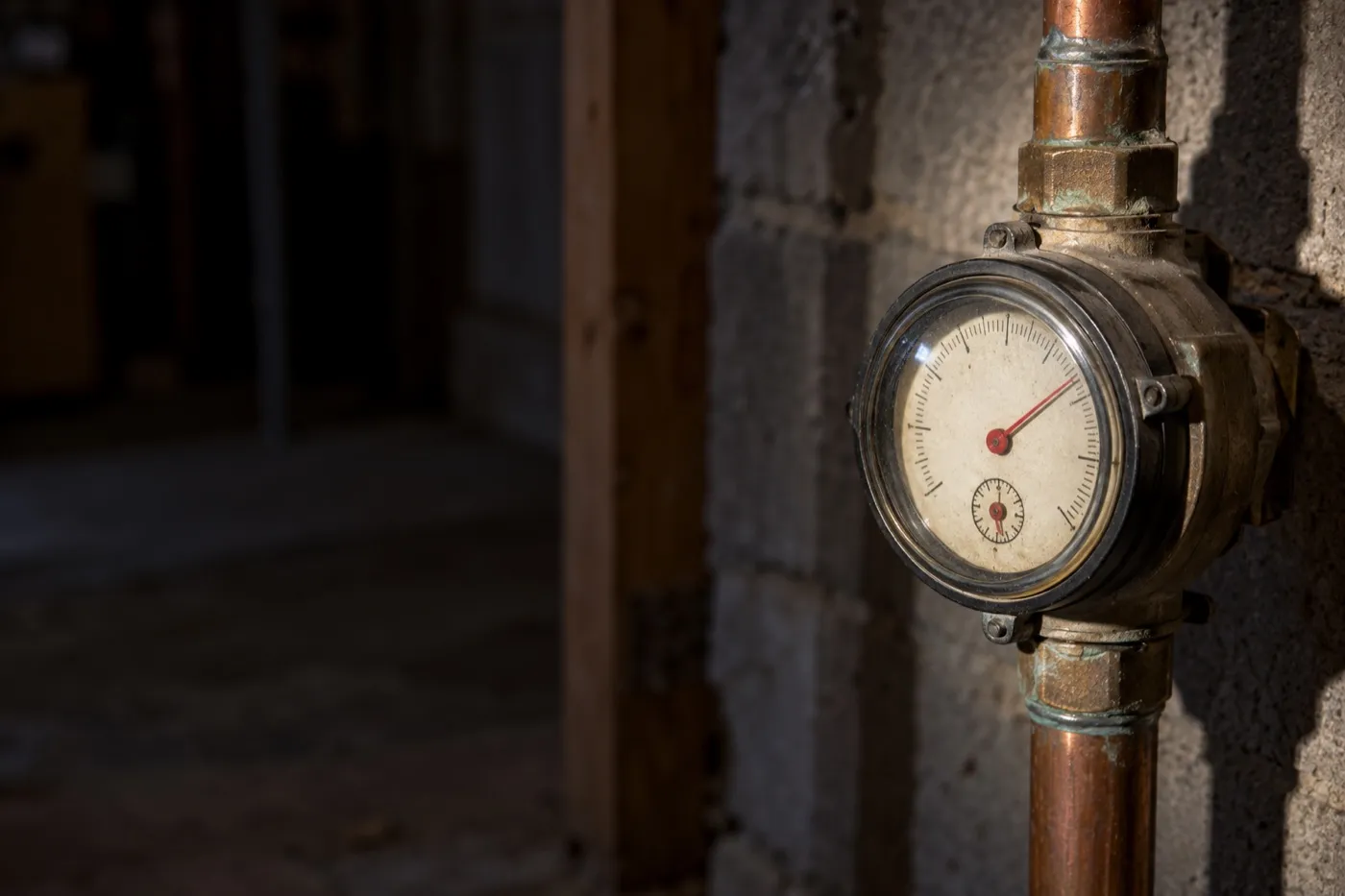
A leak inside a wall can run for months before a stain shows up. By then the drywall, insulation and framing may be wet, and mold can follow. A sudden jump in the water bill is often the first sign. If you see one, check the meter with everything off.
How we find leaks
We start at the water meter to confirm water is leaving the system, then isolate sections of the house until the leak is narrowed to one line or fixture. Only then do we open a wall or ceiling, and only at that spot. We locate leaks under a slab or in the yard the same way. We do dig indoor lines in the slab, but we don't do outside digging or excavation, so contact us to confirm scope for a yard leak.
Leaks we fix
- Supply lines to sinks, toilets and appliances
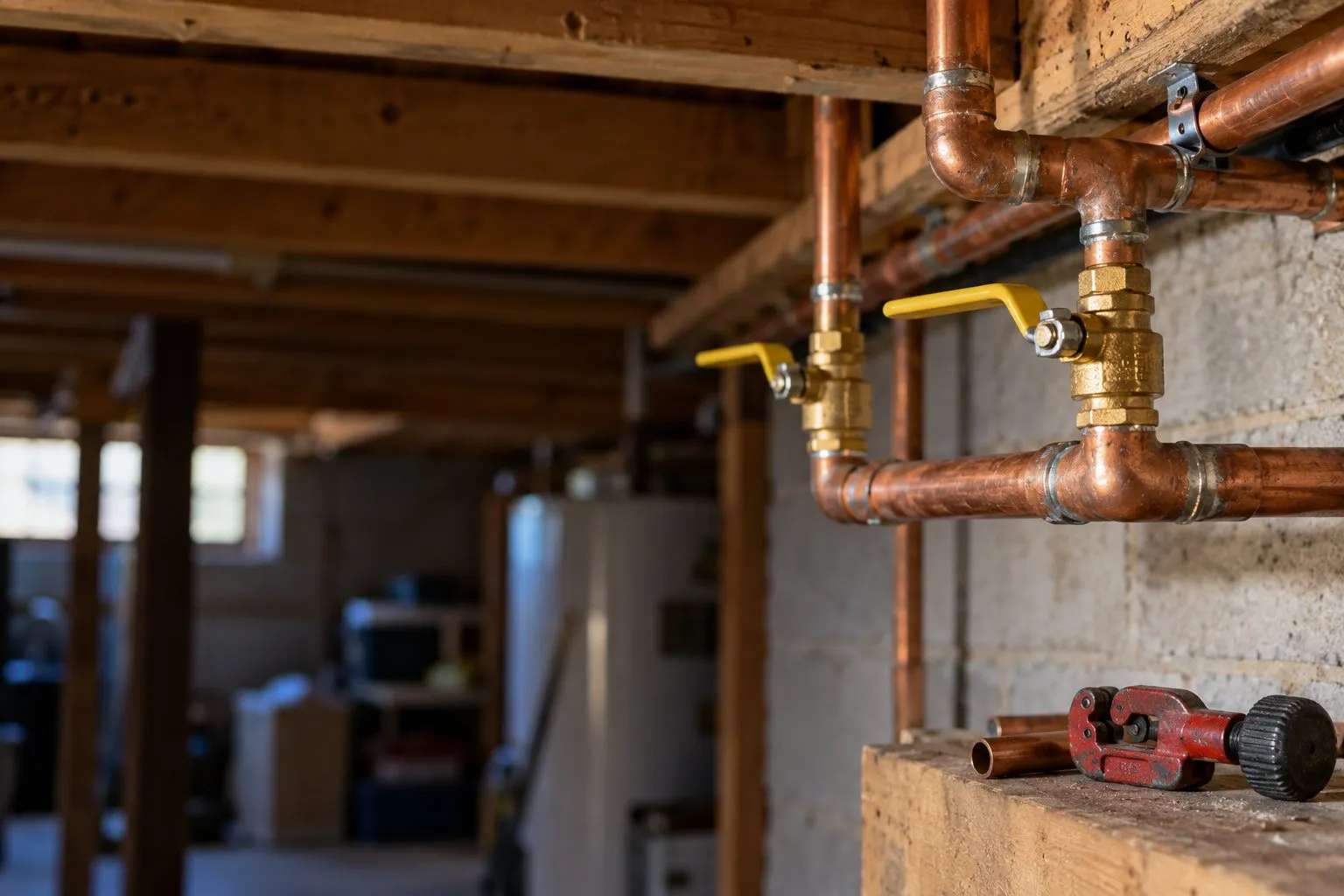
- Shut-off valves that drip or won't close
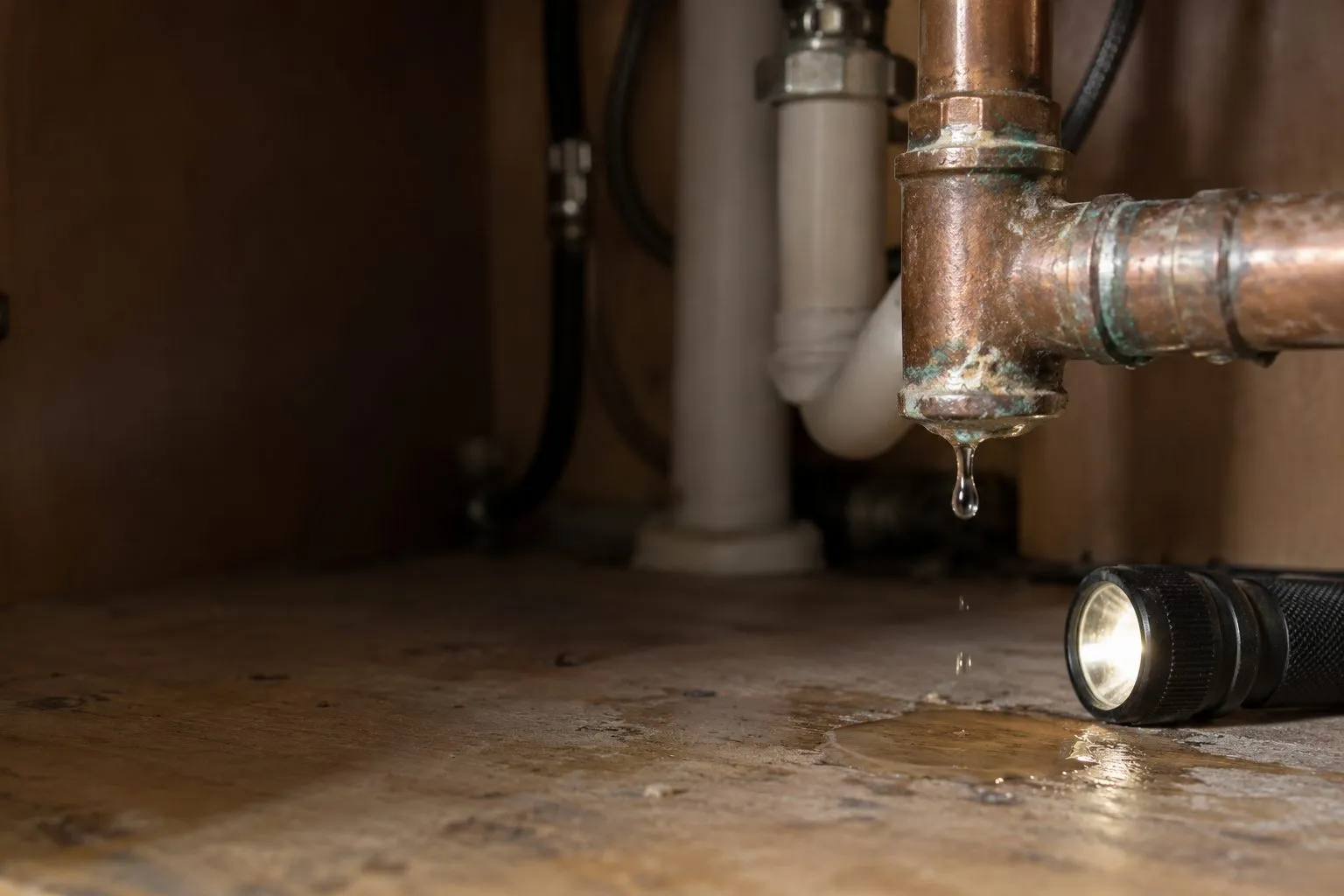
- Pinhole leaks in copper pipe
- Corroded galvanized pipe and fittings
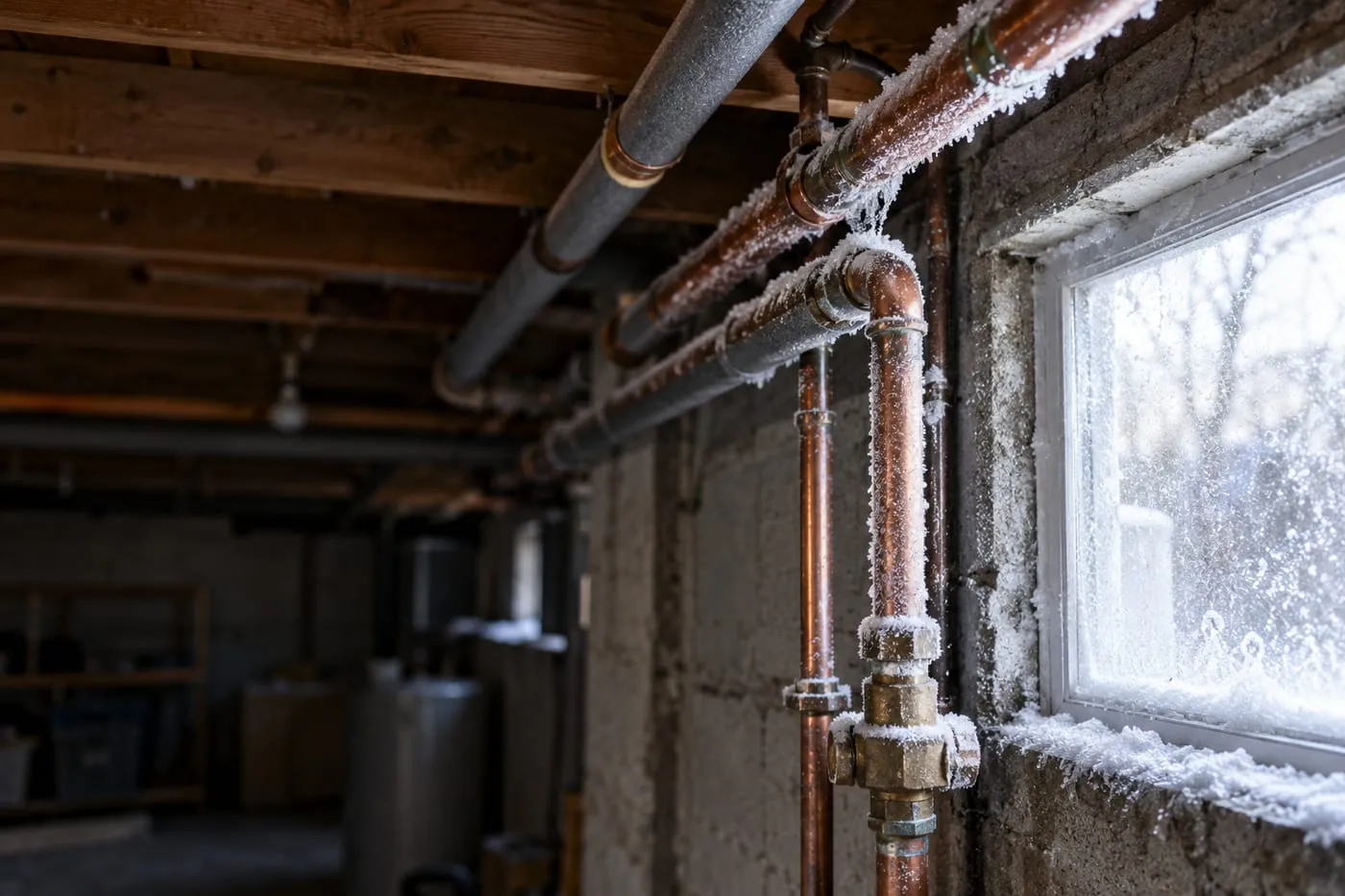
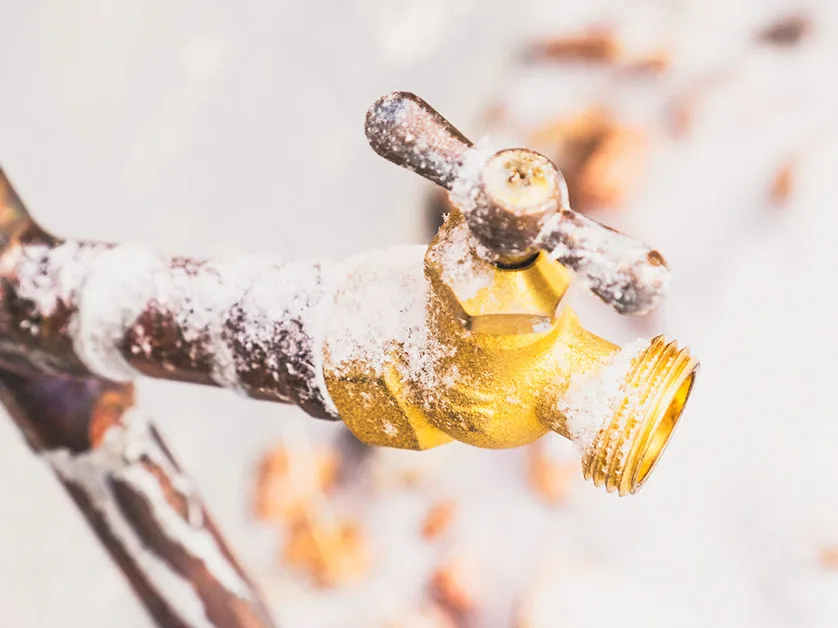
- Pipes that split during a freeze
- Leaking water heater connections and relief valves
If your house has a lot of old galvanized or corroded pipe, patching one leak after another stops making sense. See repiping.
Where we work
Most municipalities in Middlesex and Somerset counties; Select Union, Mercer and Hunterdon municipalities only. Contact us to confirm whether your job site is within our current service area. Older homes in the area often still have galvanized steel or aging copper pipe, which is where most pinhole and joint leaks start.
Step-by-step guides
Our free guides cover the first checks you can make yourself, and when to stop and call.