Does Homeowners Insurance Cover Plumbing? What's Usually Covered and What Isn't
By Mike Holt, NJ Master Plumber · April 12, 2024 · 4 min read · Updated November 1, 2026
Quick answer
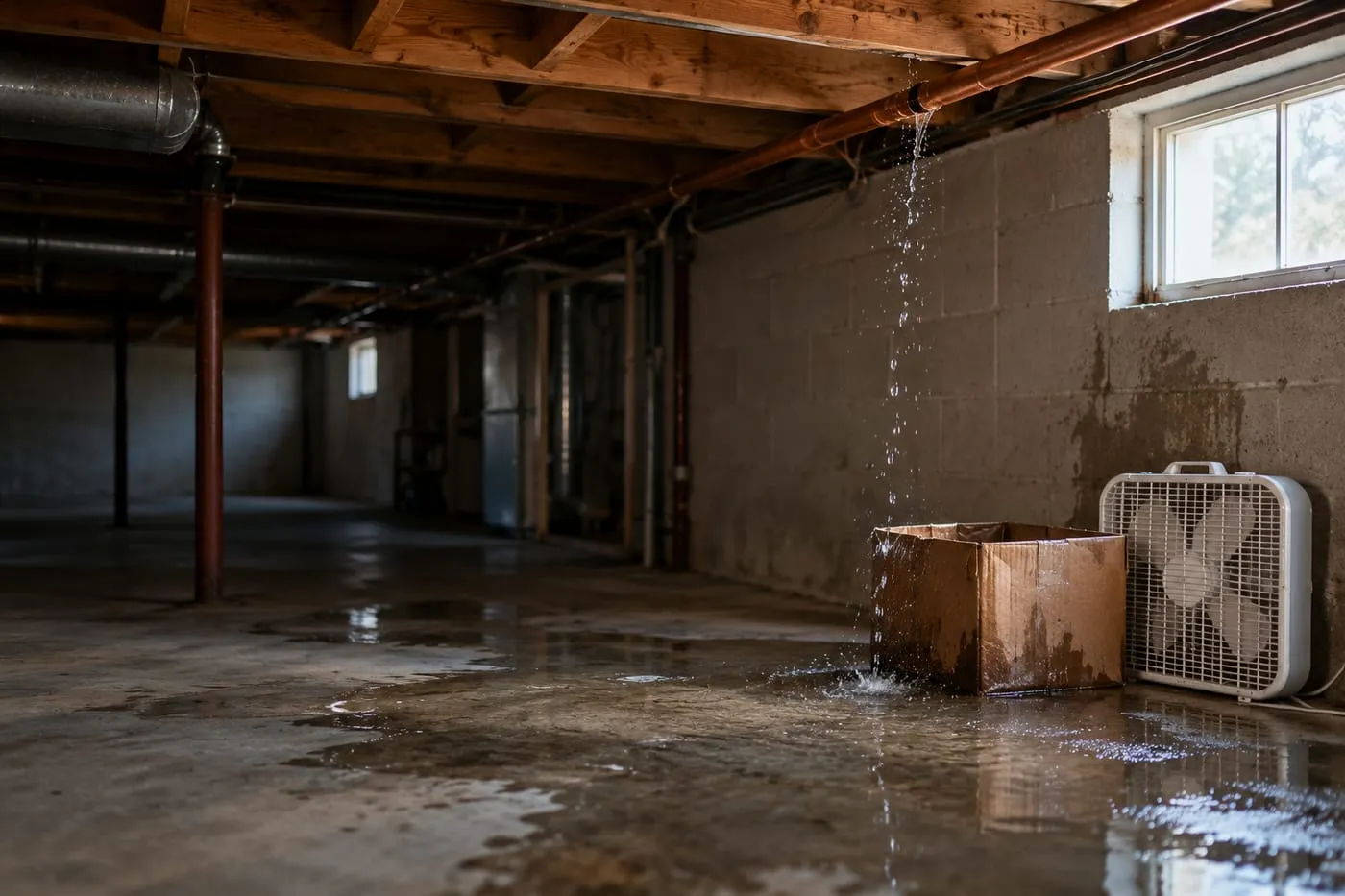
Homeowners insurance usually covers sudden and accidental water damage, such as the ceiling and floors ruined by a burst pipe. It usually doesn't pay to fix the pipe itself, and it doesn't cover slow leaks, worn-out parts, clogs or sewer backups unless you added that coverage. Policies vary, so read yours and call your insurer before you file.
Want us to take a look? We find the cause and give you written upfront flat-rate pricing options before any work starts.
Homeowners insurance is built for sudden, accidental damage, not for the normal wear on your plumbing. Knowing that one rule answers most coverage questions: the water damage from a pipe that bursts without warning is usually covered, while a pipe that wore out and leaked slowly usually isn't.
Policies differ from company to company and even between plans from the same insurer. Treat this page as a general guide, then read your policy's water damage section or ask your agent.
What does homeowners insurance usually cover?
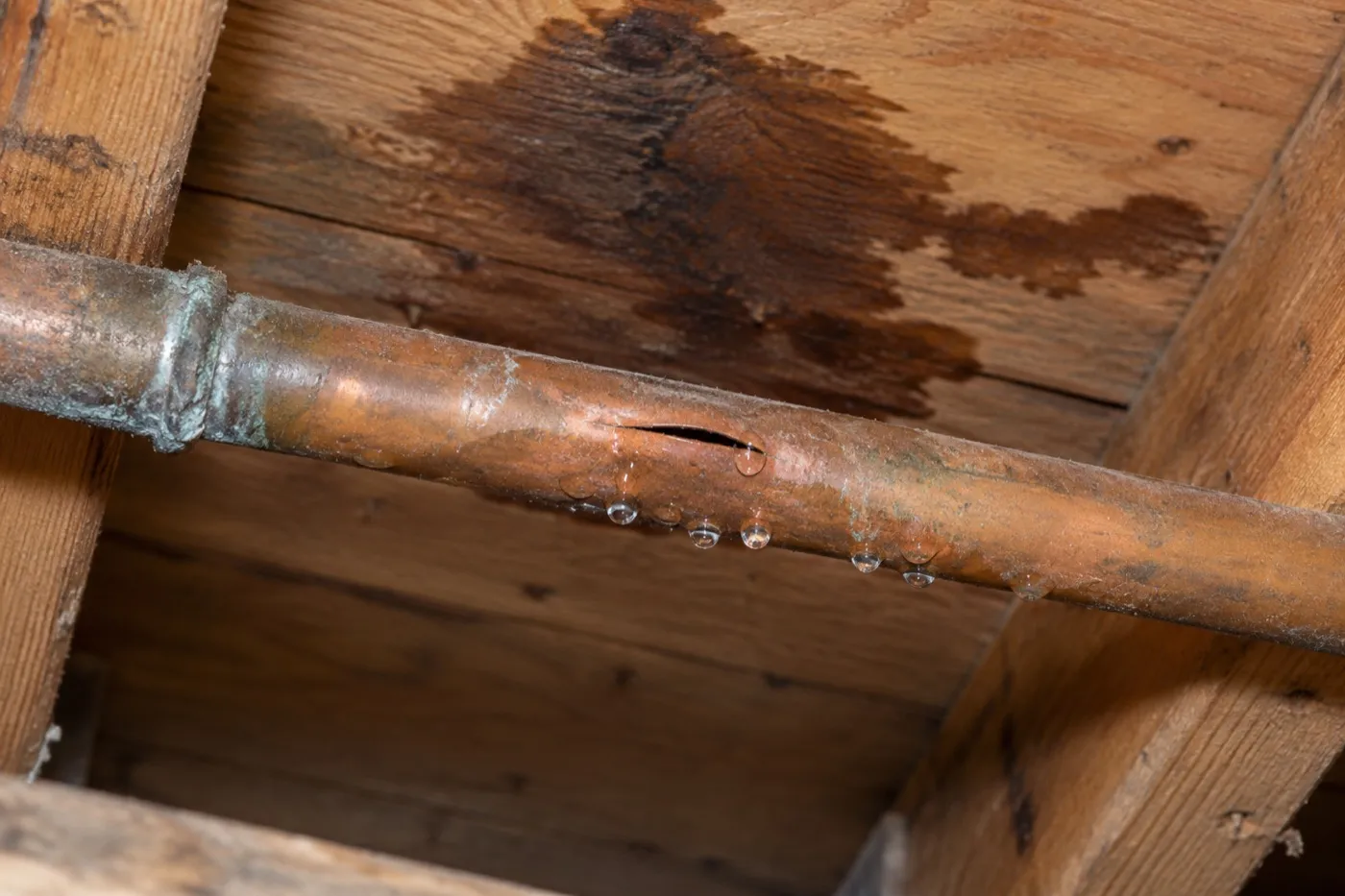
Most standard policies cover water damage that is sudden and accidental. Common examples:
- A supply pipe bursts or splits and floods a room.
- A washing machine hose or toilet supply line breaks.
- A water heater tank suddenly ruptures.
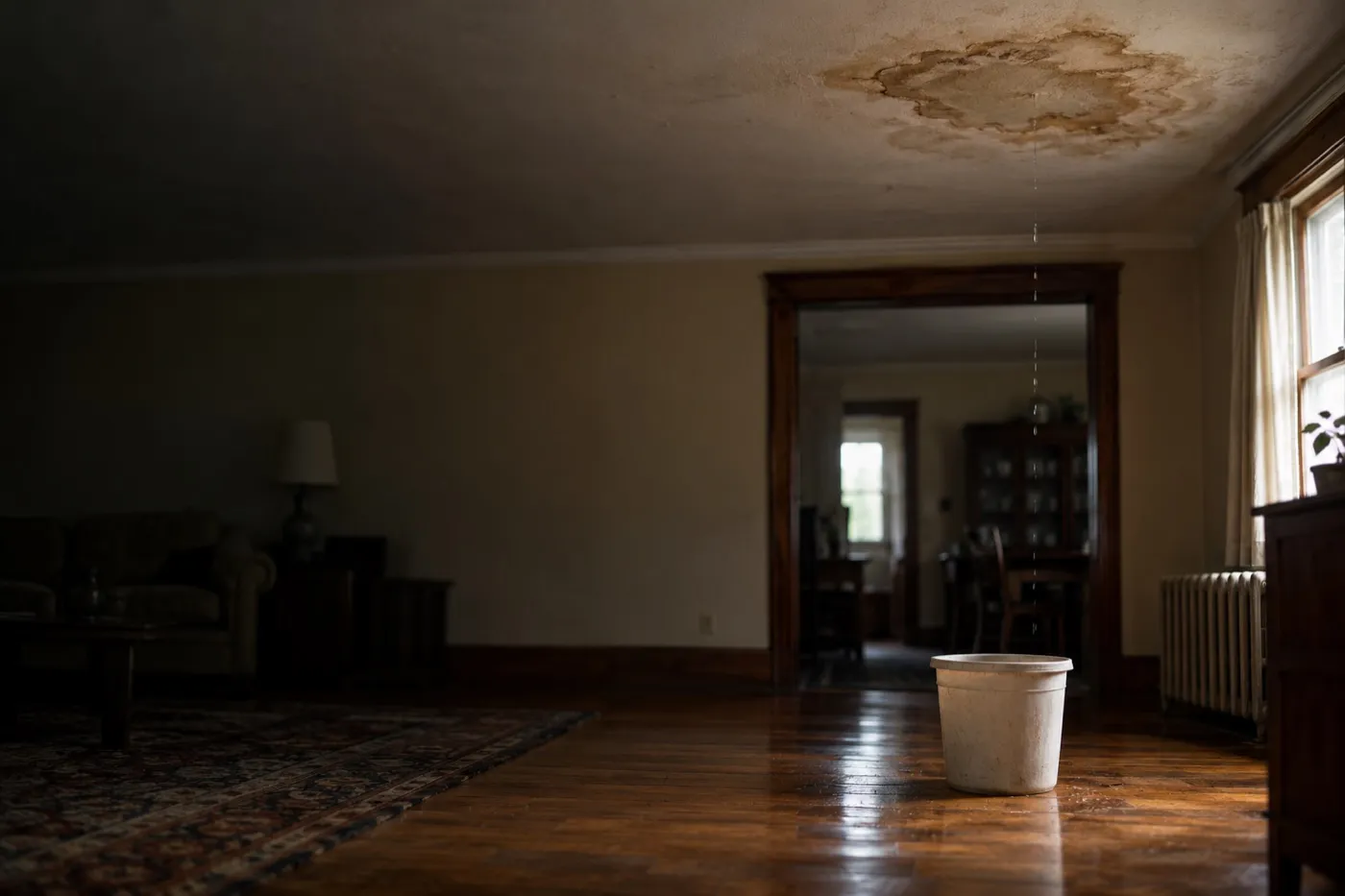
- An upstairs pipe leaks into the ceiling below without warning.
What gets paid for is usually the damage the water caused: drywall, ceilings, floors, cabinets and belongings. Many policies also pay to open a wall or floor to reach the leak and to close it up again.
What isn't usually covered?
| Situation | Usually covered? | Why |
|---|---|---|
| Burst pipe, sudden flooding | The water damage, yes | Sudden and accidental |
| Repairing the broken pipe itself | Often not | Treated as the part that failed |
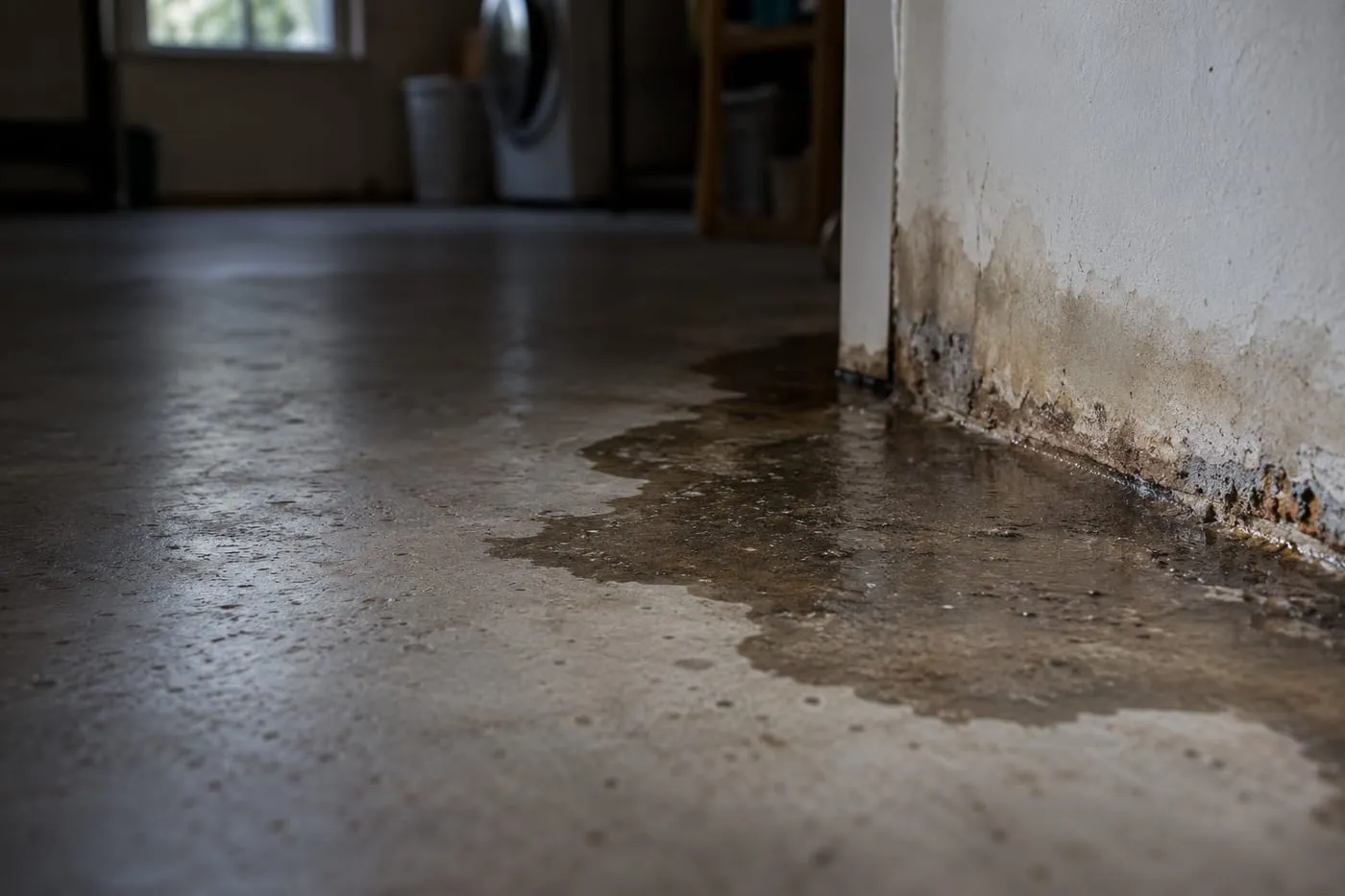
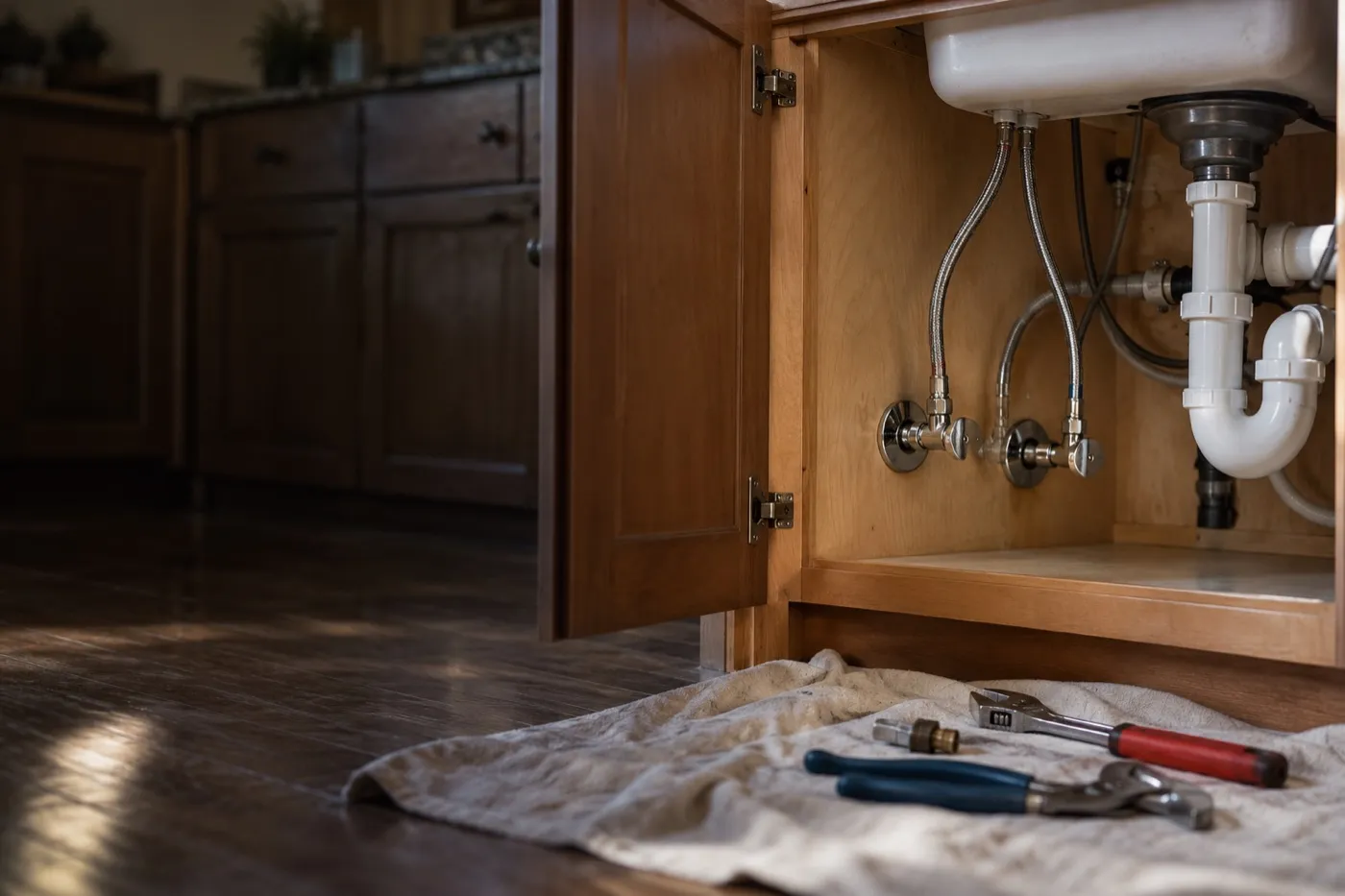
| Slow leak under a sink for months | No | Wear and lack of maintenance |
| Worn-out water heater | No | Age and normal wear |
| Clogged drain or toilet | No | Normal upkeep |
| Sewer or drain backup | Only with an add-on | Excluded unless you bought backup coverage |
| Groundwater or flooding from outside | No | Needs separate flood insurance |
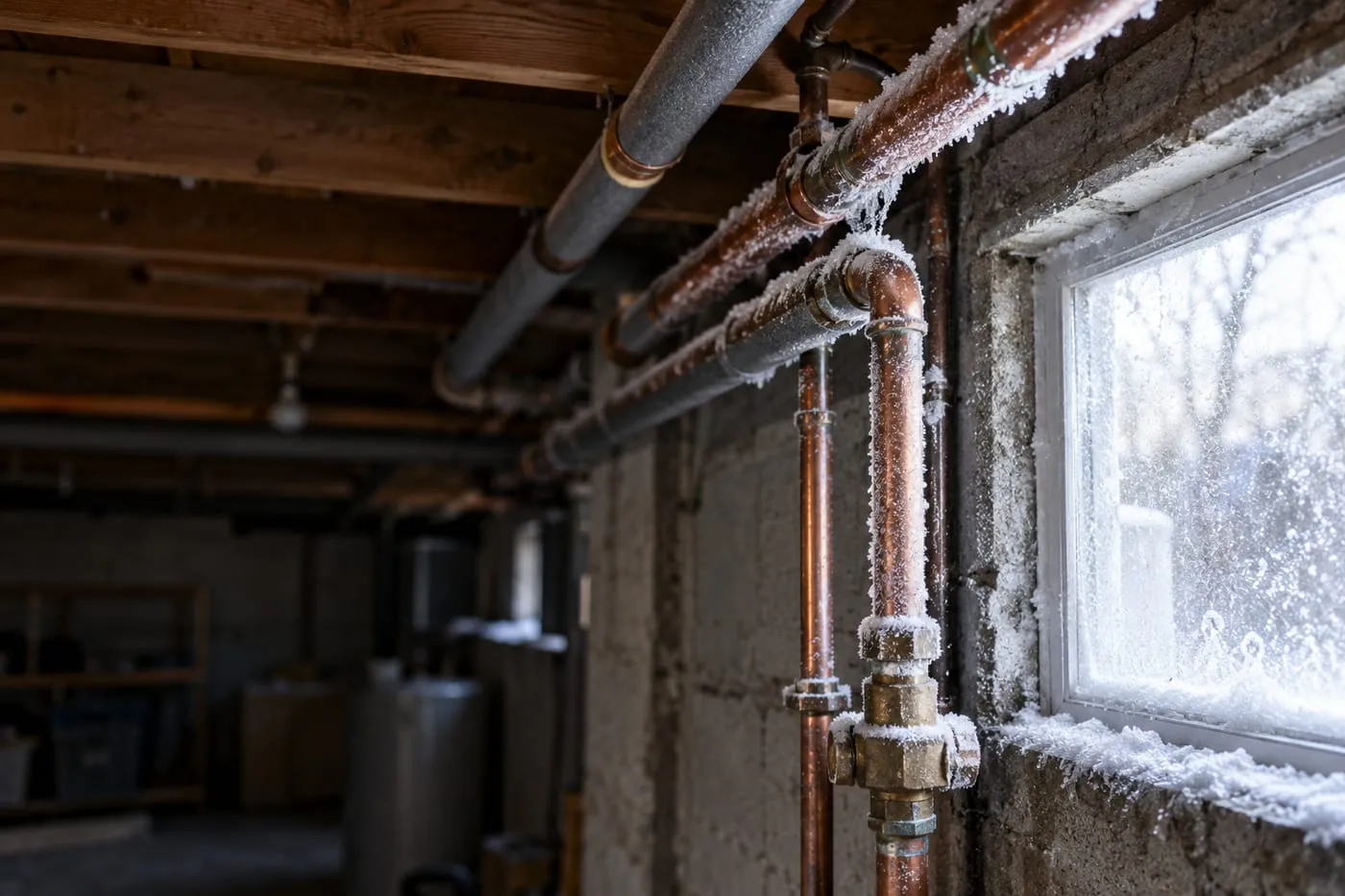
| Frozen pipe in a house left without heat | Often denied | Most policies expect you to keep heat on |
The pattern is clear. If the damage built up slowly, or the part simply got old, insurers see it as maintenance. Clogs, dripping faucets, a weak shower and a water heater at the end of its life are normal costs of owning a home.
Does insurance cover sewer line problems?
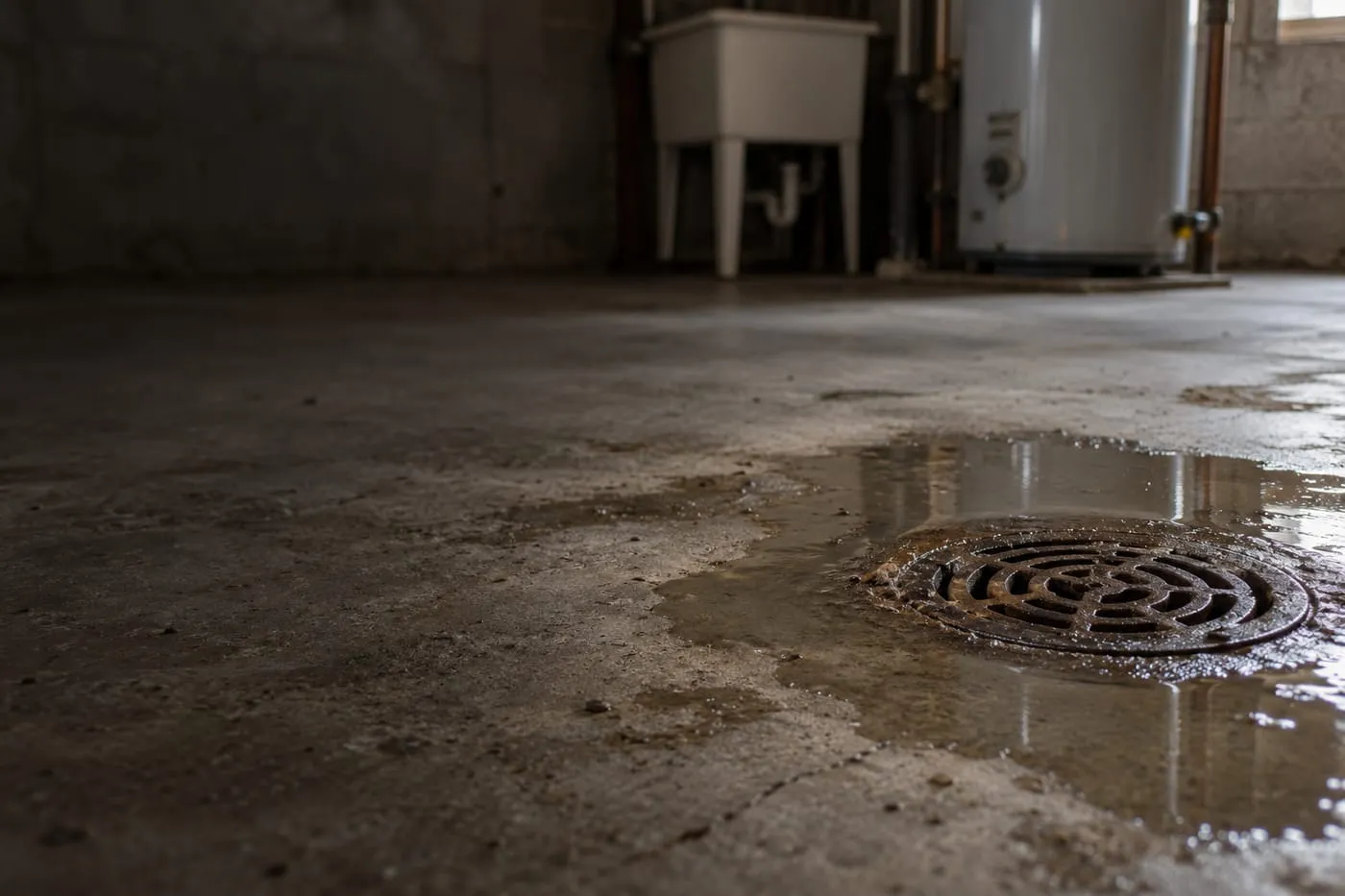
A sewer backup into the basement is excluded from most standard policies. Many insurers offer a water backup endorsement you can add, and it's worth asking about if you have a finished basement or a floor drain. Repairs to the sewer line itself, like roots or a cracked pipe under the yard, are usually not covered either. Some insurers and utilities sell separate service line coverage for that.
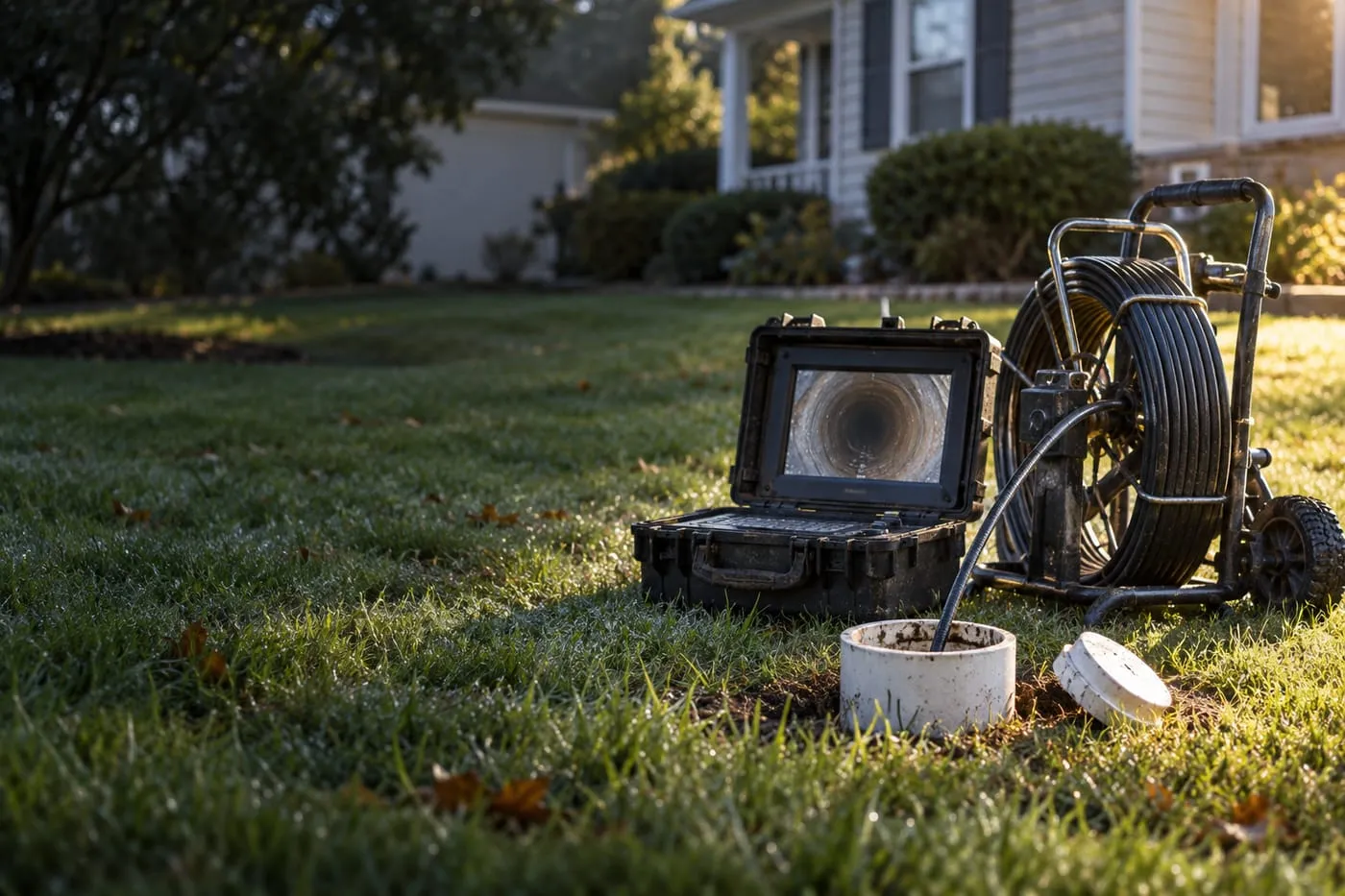
If you've had a backup, our sewer backup guide explains what to do first, and a sewer camera inspection shows whether the line is damaged.
How do you file a claim for plumbing water damage?
- Stop the water. Close the main shutoff valve, usually where the water line enters the basement.
- Take photos and video of the damage before you move or throw anything out.
- Keep the failed part, like the split pipe or the broken supply line, if you can.
- If it's safe, start drying the area to limit further damage, and keep your receipts. Stay out of standing water near outlets or electrical equipment.
- Get a written invoice from your plumber that describes what failed and how.
- Call your insurer or agent and ask how they want the claim filed.
Don't file claims for things your policy clearly excludes. Claims history can affect your premium, so ask your agent before filing a small claim.
How do you avoid a claim in the first place?
Most big water damage claims start as a small problem nobody noticed. A few habits help:
- Know where your main shutoff is and make sure it turns. Our frozen pipe guide covers winter prep.
- Replace rubber washing machine hoses with braided ones, and check toilet and sink supply lines.
- Watch for stains, warped floors or a musty smell under sinks. Our slab leak guide lists the hidden signs.
- Replace a water heater that's leaking or near the end of its life before the tank fails.
When should you call a plumber?
Call right away if water is coming through a ceiling, a pipe has burst or sewage has backed up. We find the source, stop the leak and fix it, and your invoice says what failed so you can give it to your insurer. The $49 service call covers the trip and is waived if you go ahead with the work. Outside regular hours, emergency service requires a $250 upfront emergency fee. When paid, the standard $49 service fee is waived. During regular hours there is no emergency fee. Additional repairs are quoted before work begins. We respond immediately upon contact; dispatch and arrival depend on availability and location. Written upfront flat-rate pricing options. You choose.
Plumbing Doctor is a veteran-owned plumbing company in Somerset, NJ, led by NJ Master Plumber Mike Holt (Lic. #36BI01345600). We work across Central New Jersey. Call 908-873-6686.
Get tips and reminders
New guides and seasonal reminders. A few emails a year.
Stop and call us if
- Water is coming through a ceiling, wall or floor right now.
- A pipe has burst or split, even if the water is off.
- Sewage or dirty water came up through a floor drain, tub or toilet.
- You need a written description of what failed for an insurance claim.
Call 908-873-6686.

Michael Holt
Owner and operator of Plumbing Doctor, NJ Master Plumber (Lic. #36BI01345600) and U.S. Marine Corps veteran.
More about Mike