Plumbing in an old city
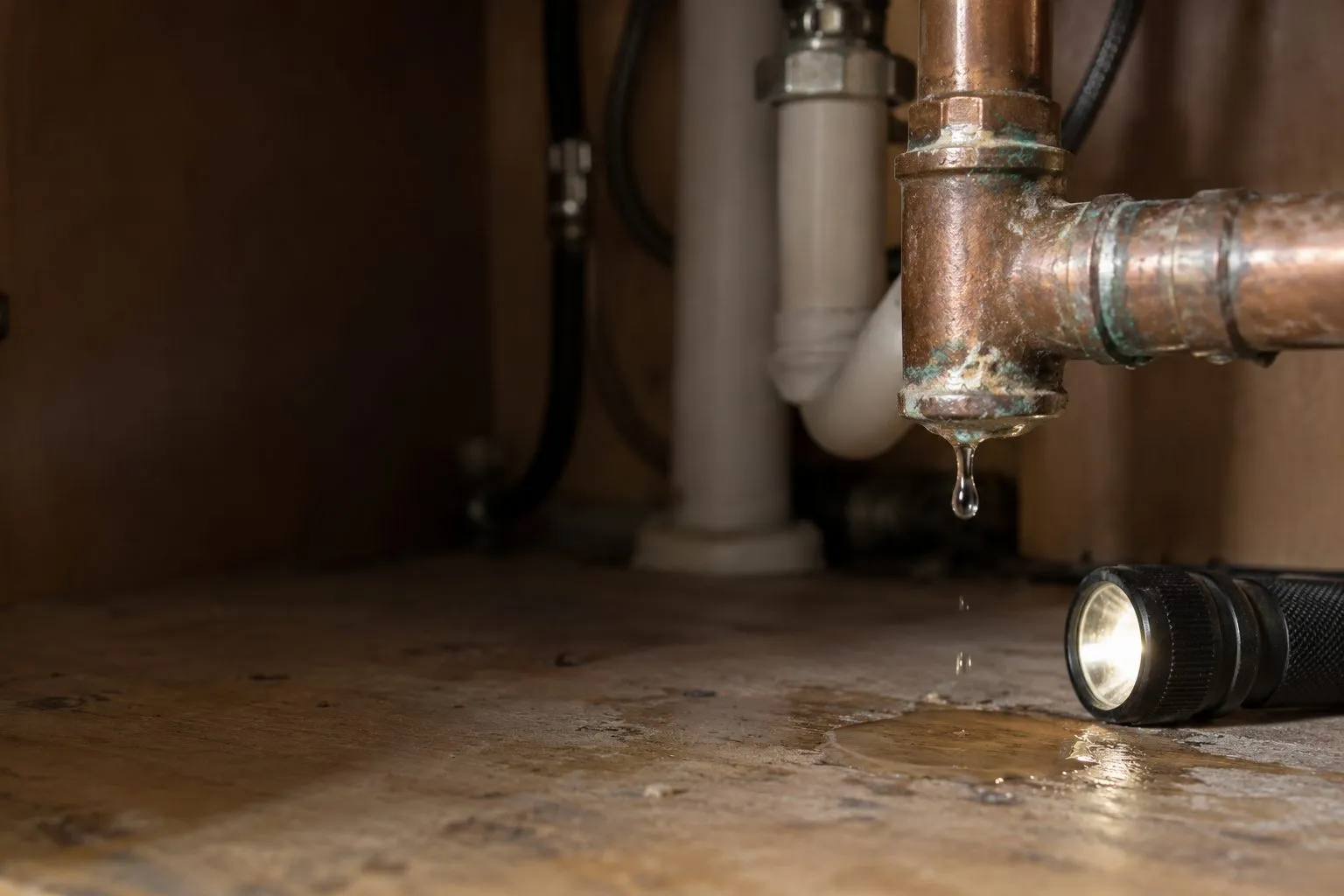
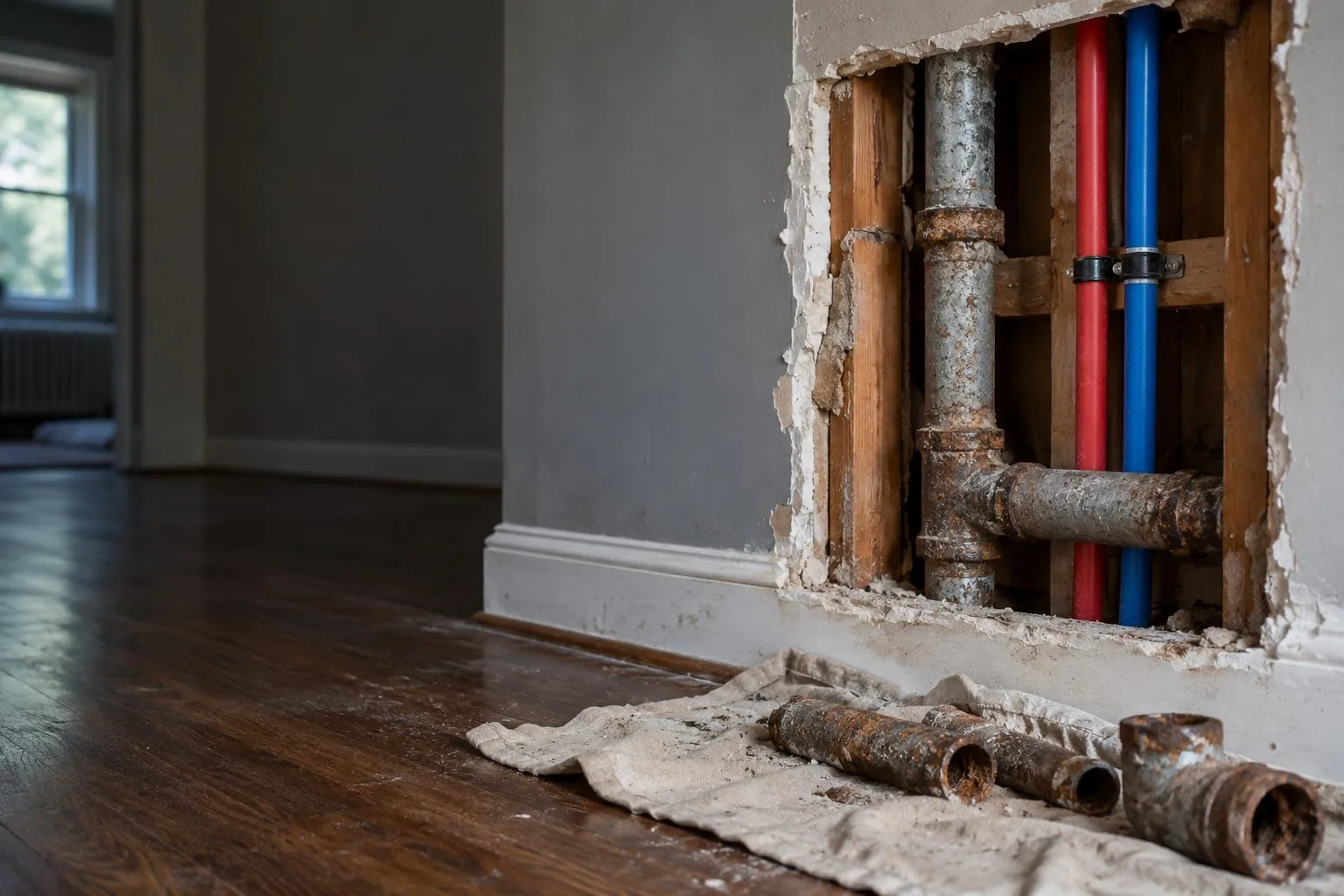
New Brunswick has the oldest housing of any town we serve. More than a quarter of its homes were built before 1940, and close to half before 1960. Those buildings still carry a lot of original plumbing: cast-iron drain stacks, galvanized supply pipe that narrows with rust, and fixtures that have been patched for decades.
Lead service lines
The city's water system reported 149 known lead service lines in 2024 and more than 5,000 lines of unknown material. New Brunswick is identifying those lines and replacing lead and galvanized ones, with the work expected to run through June 2027. If your line is replaced, the plumbing inside the house may need updating too, and we can check it.
Landlords and multi-family buildings
About 44% of New Brunswick homes are in buildings with five or more units, and only about one in five is a single-family house. For owners and property managers we handle backed-up drains, leaks between floors, water heaters and fixture repairs, and we explain the problem and the fix in plain terms. Contact us to confirm whether your job site is within our current service area.
Flooding near the river
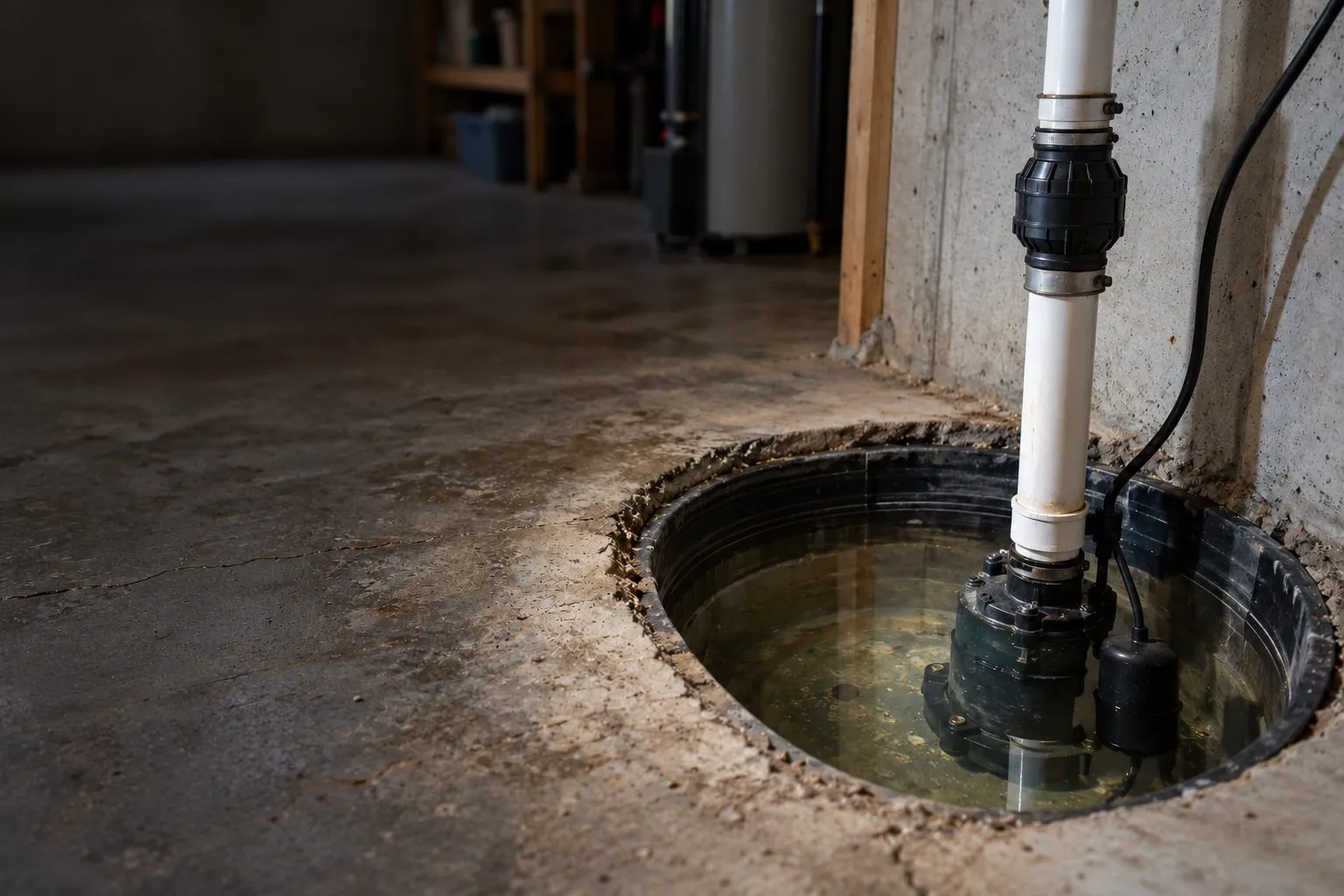
Ida closed Route 18, River Road and the Albany Street Bridge in 2021 as the Raritan rose. Basements in low parts of the city should have a working sump pump and, where sewage backs up in heavy rain, a backwater valve.
Step-by-step guides for New Brunswick homes
For the problems we see most in New Brunswick, these guides walk you through what to check first and when to call:
- Brown or rusty water from the faucet: common in older New Brunswick buildings
- How to unclog a kitchen sink: grease and food clogs, common in older apartment kitchens
- Low water pressure in the house: when old supply pipe narrows inside