Brown or Rusty Water From the Faucet? 5 Steps to Find the Cause
By Mike Holt, NJ Master Plumber · May 9, 2024 · 3 min read · Updated November 1, 2026
Quick answer
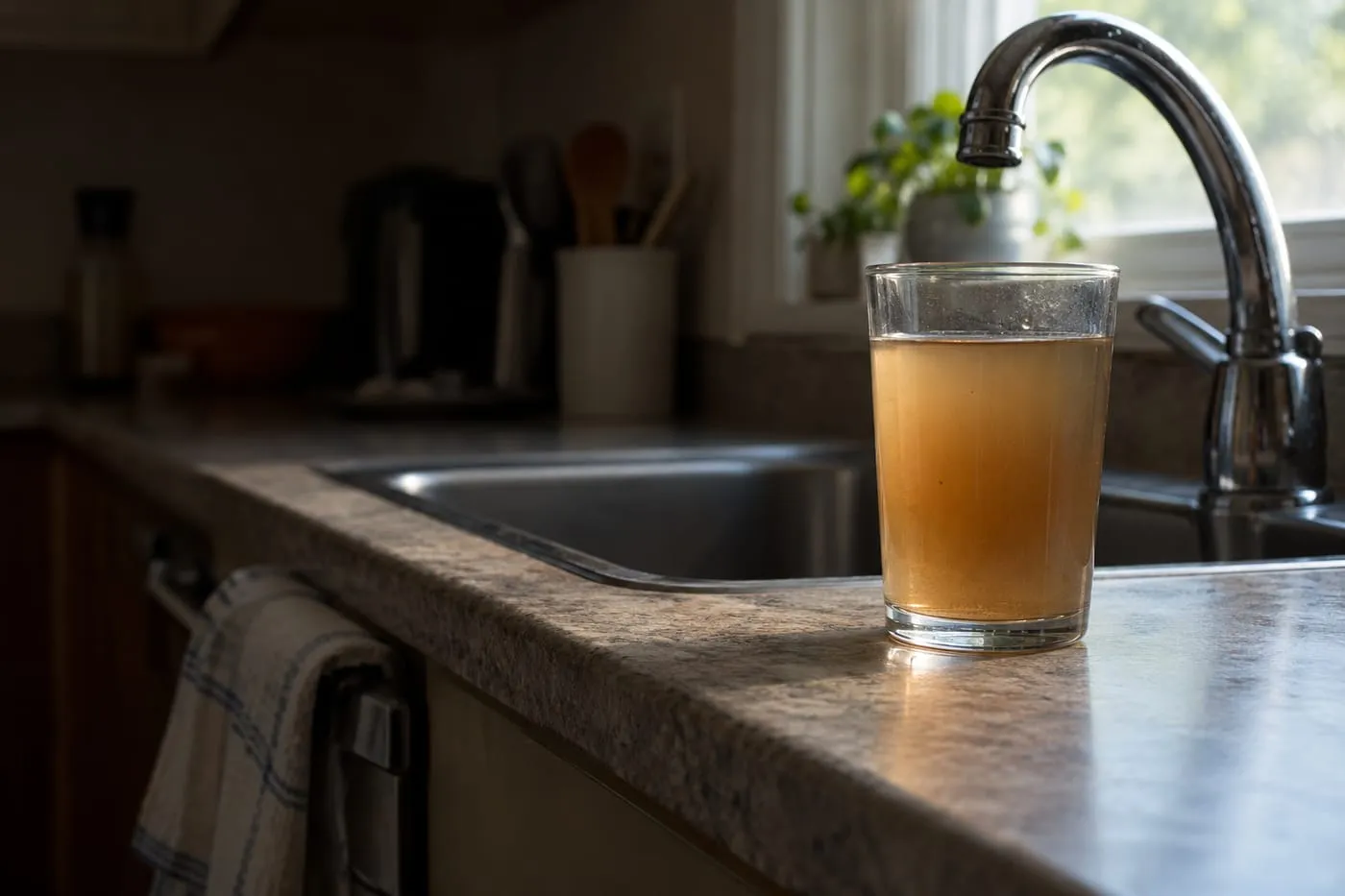
Brown or rusty tap water usually means rust or sediment got stirred up. If only the hot water is brown, the cause is usually your water heater. If hot and cold are both brown at every faucet, it's often work on the street's water main and clears after you run the cold water. Brown water from one faucet points to old pipes on that line.
- Difficulty
- Easy
- Time
- 20 to 30 minutes
- You need
- Two clear glasses, a towel
Rather not risk it? A licensed plumber can handle this for you, with written upfront flat-rate pricing options before any work starts.
Brown water coming out of the tap looks alarming, but it usually has a simple cause: rust or sediment that got stirred up somewhere between the water main and your faucet. These five checks tell you where it's coming from and whether you can clear it yourself.
How to find out why your water is brown
Step 1: Compare the hot and cold water
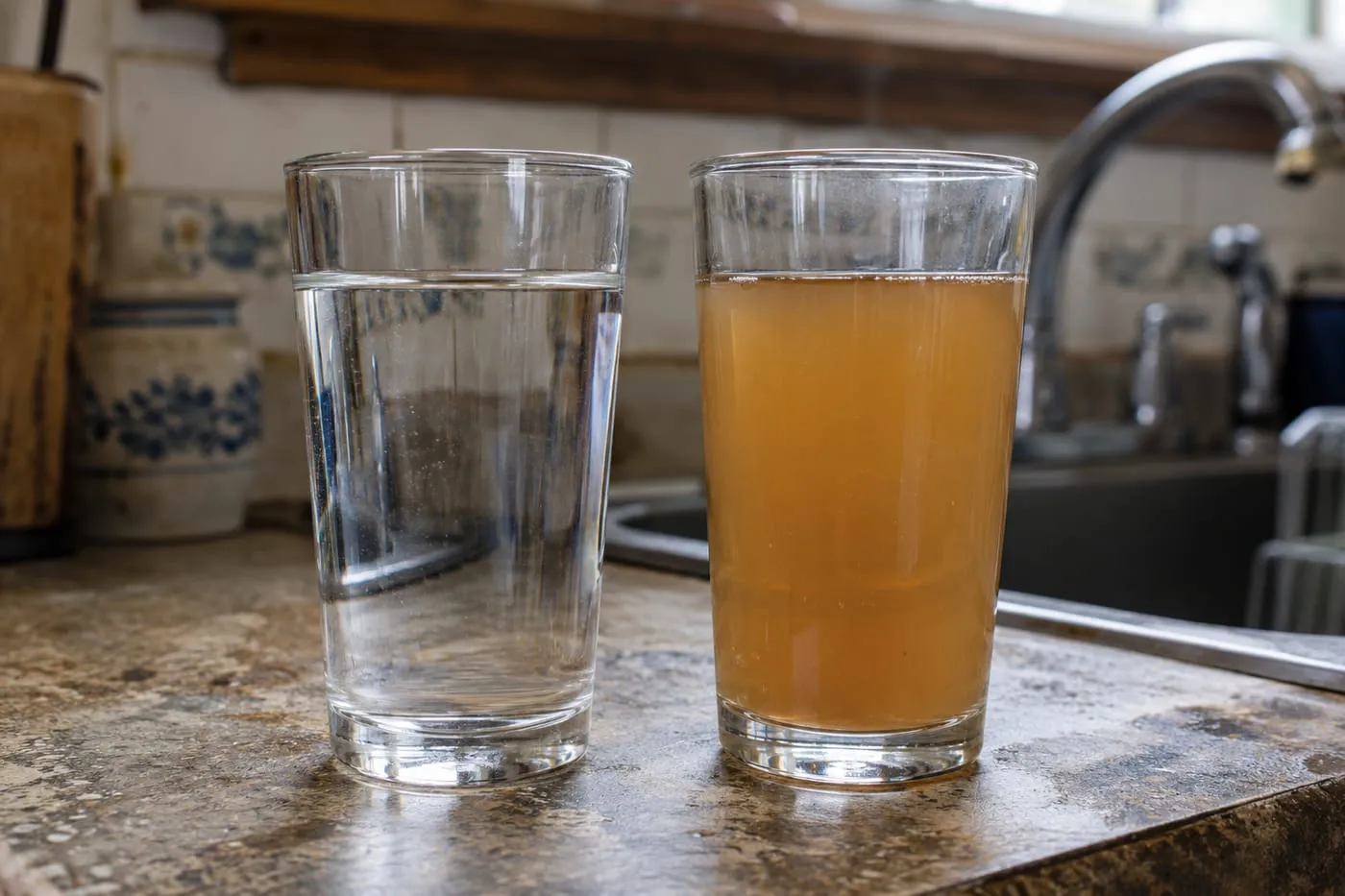
Fill one clear glass from the cold tap and one from the hot tap. If only the hot water is brown, the problem is almost always the water heater. Skip to step 5. If both are brown, keep going.
Step 2: Check other faucets
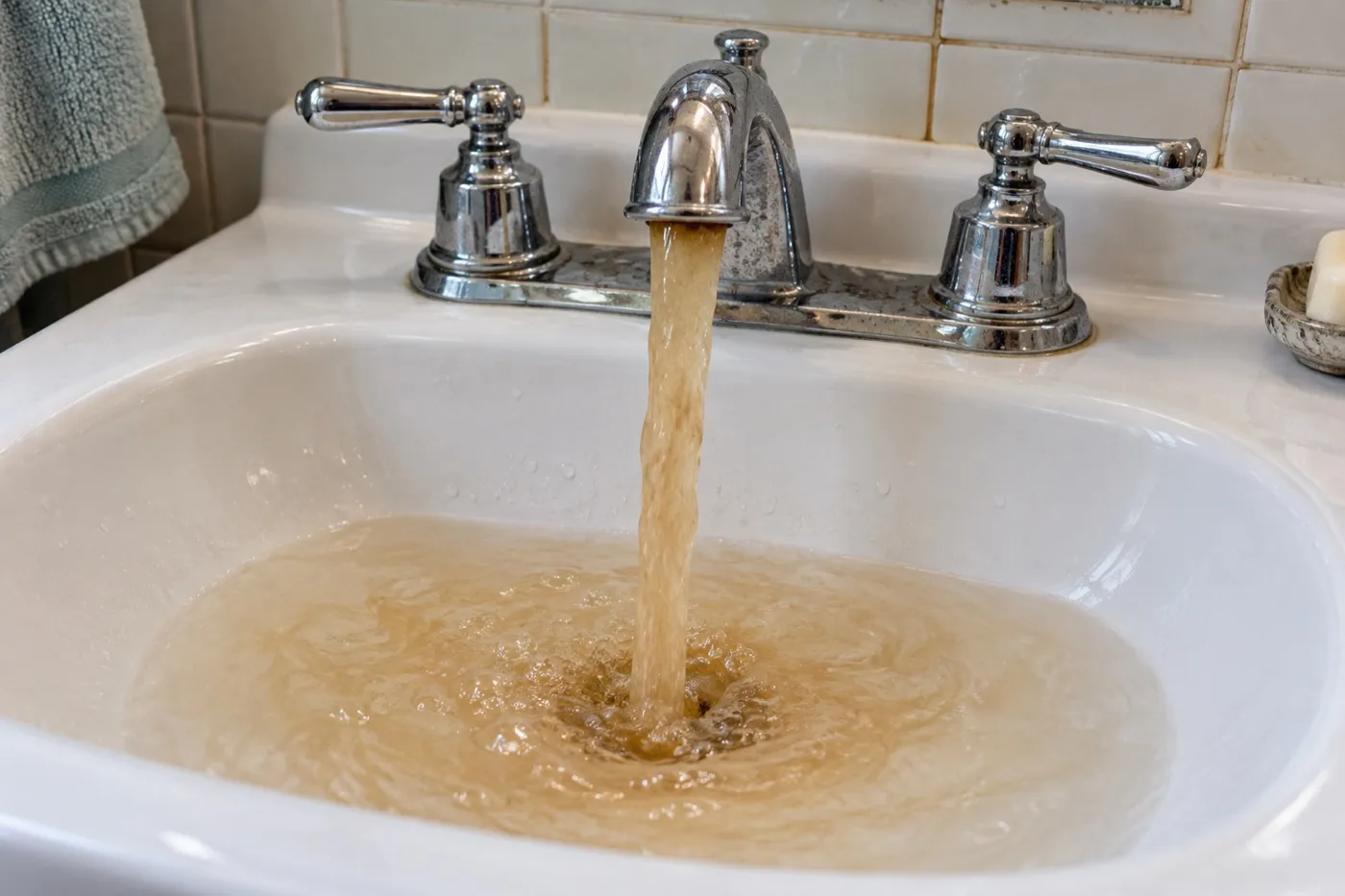
Try the cold water in another bathroom and in the kitchen. Brown water everywhere points to the water main or your main line. Brown water from only one faucet points to the pipe that feeds it, or to that faucet's aerator.
Step 3: Ask your water company or a neighbor
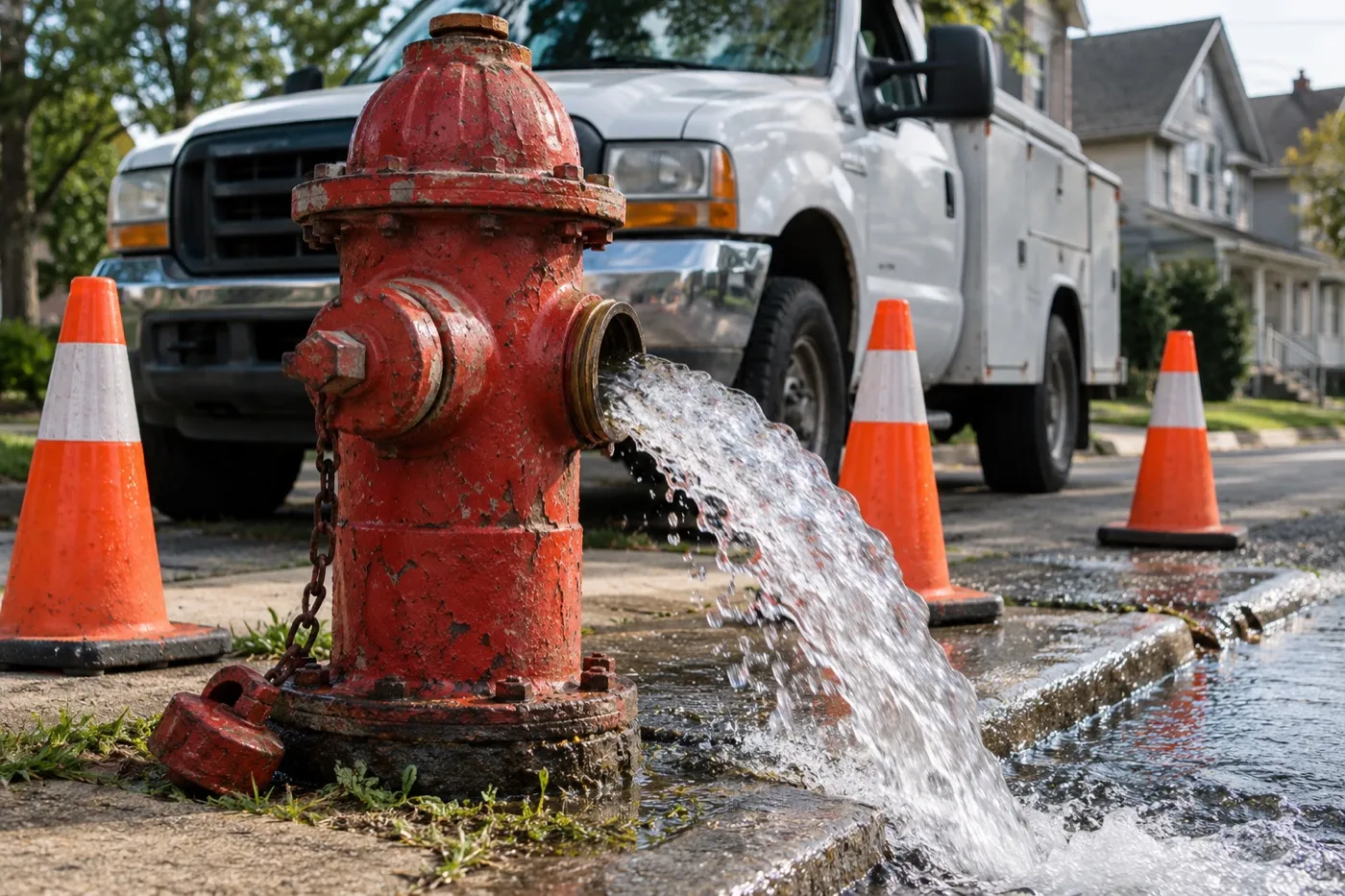
Water main repairs, construction and hydrant flushing stir up rust in the street's pipes. Many Central Jersey water utilities post flushing schedules and main breaks on their websites. If a neighbor has brown water too, it's almost certainly coming from the street.
Step 4: Run the cold water
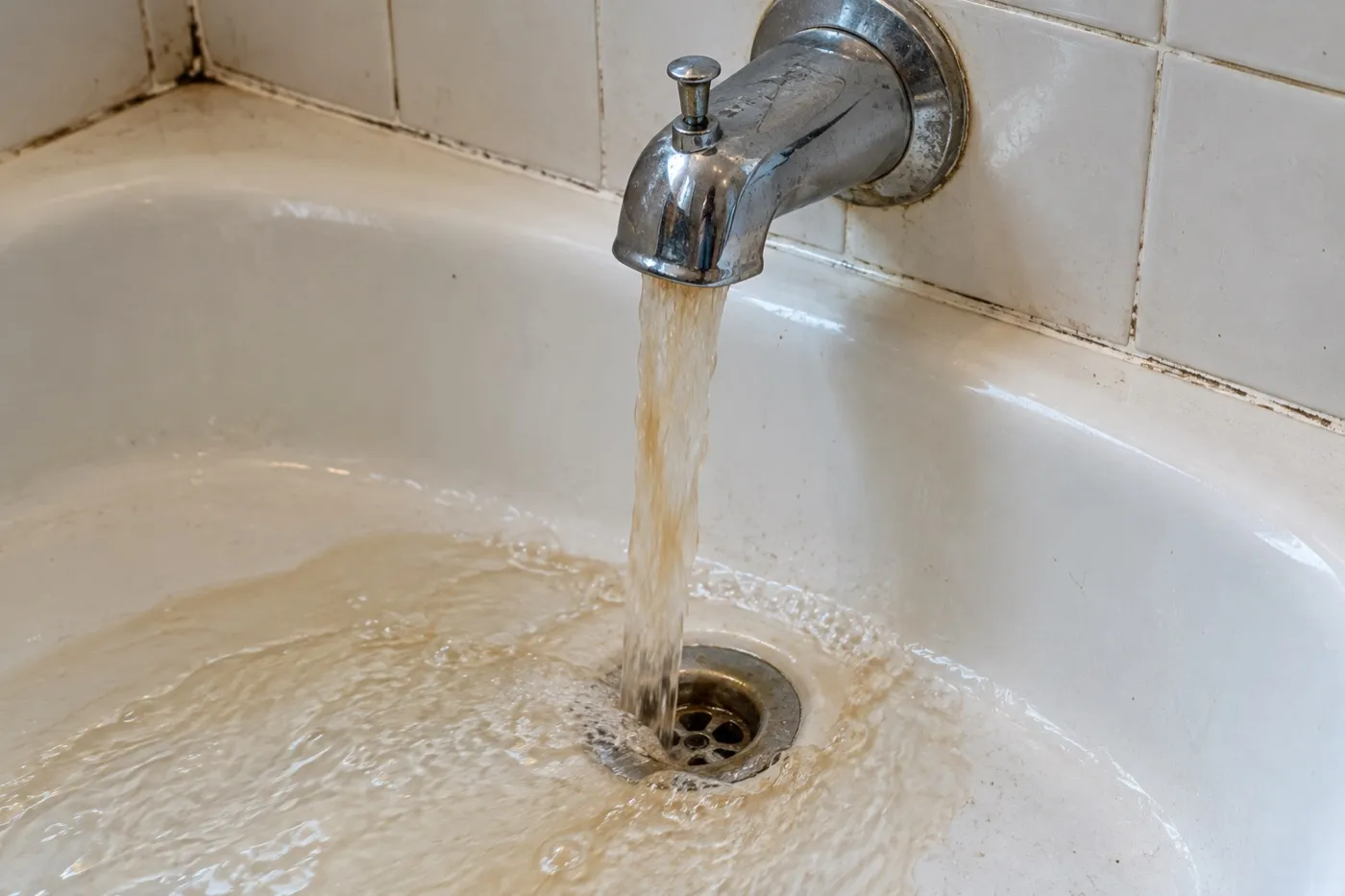
Open the cold water at a bathtub or the lowest faucet in the house for 15 to 20 minutes. Use the tub so you don't send sediment through a sink aerator. In most cases the water clears. Hold off on laundry and the dishwasher until it does. Rust stains clothes.
Step 5: Clean the aerator and call about the water heater
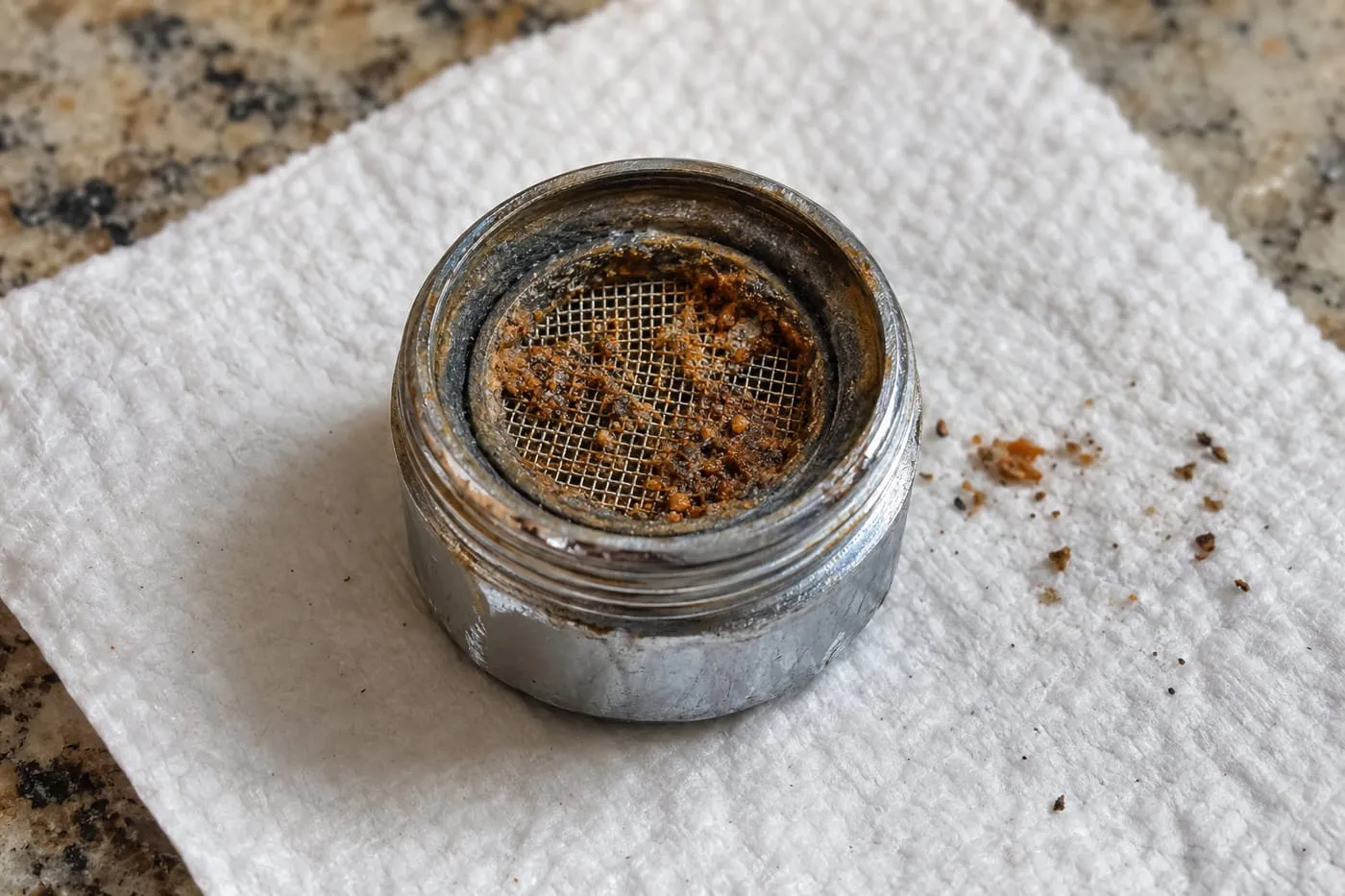
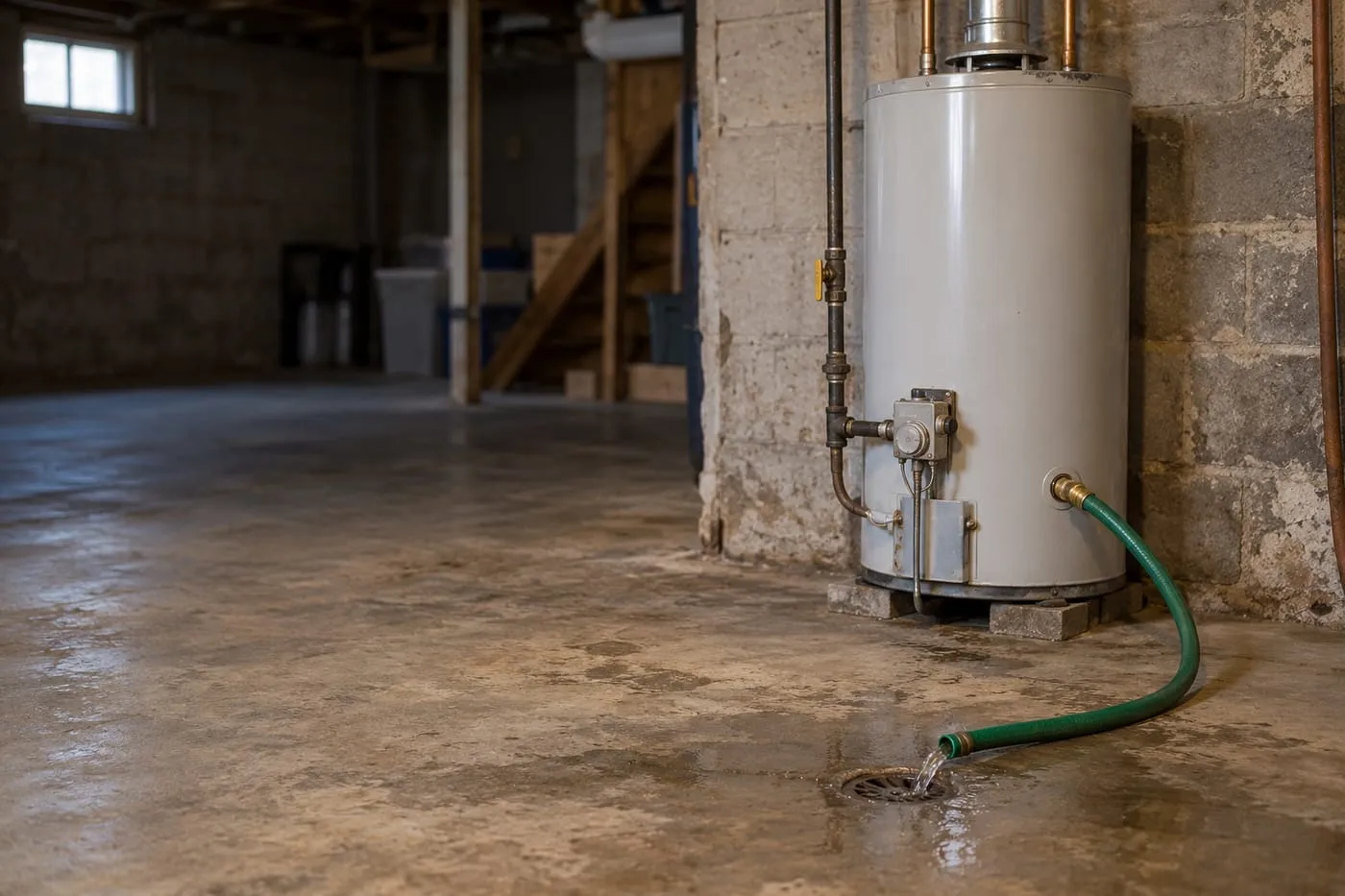
Unscrew the aerator from the tip of the faucet and rinse the rust and grit out of its screen. If only the hot water was brown, call us about the water heater. Flushing a tank involves scalding water and an aging drain valve, so it's a job for a professional. Our water heater flushing guide explains what's involved.
What causes brown water that keeps coming back?
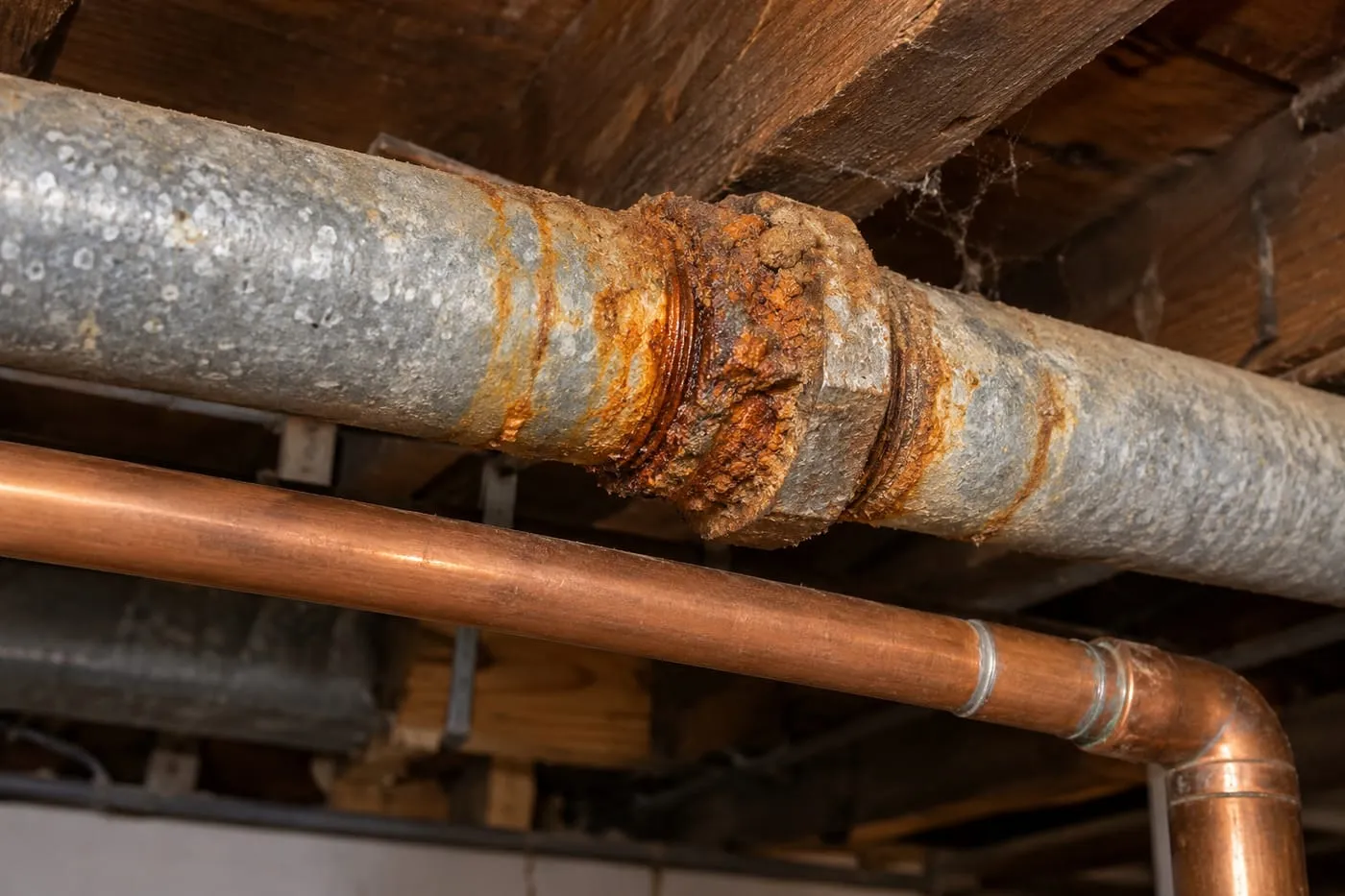
If the water clears and then turns brown again, the cause is usually in the house:
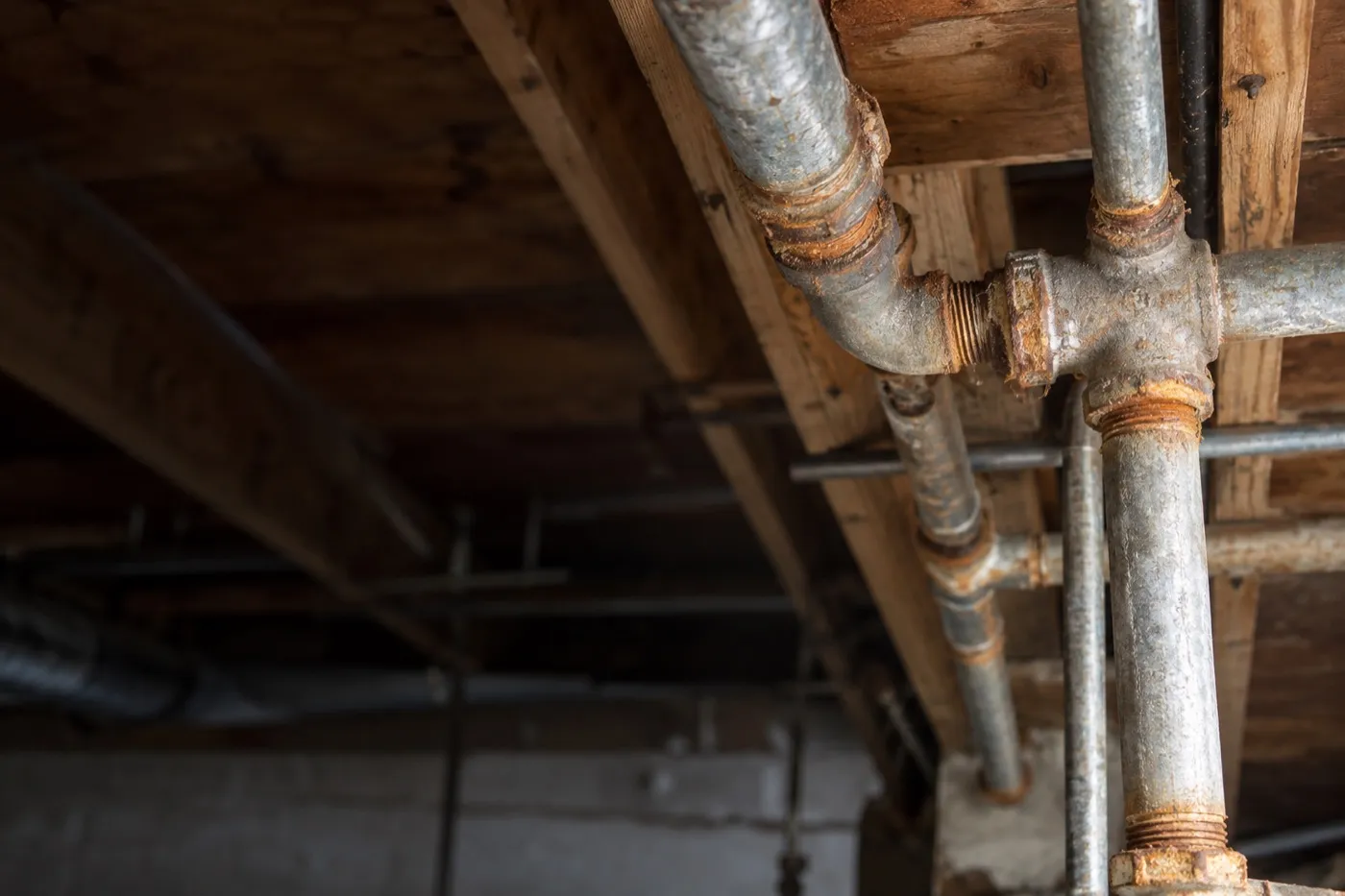
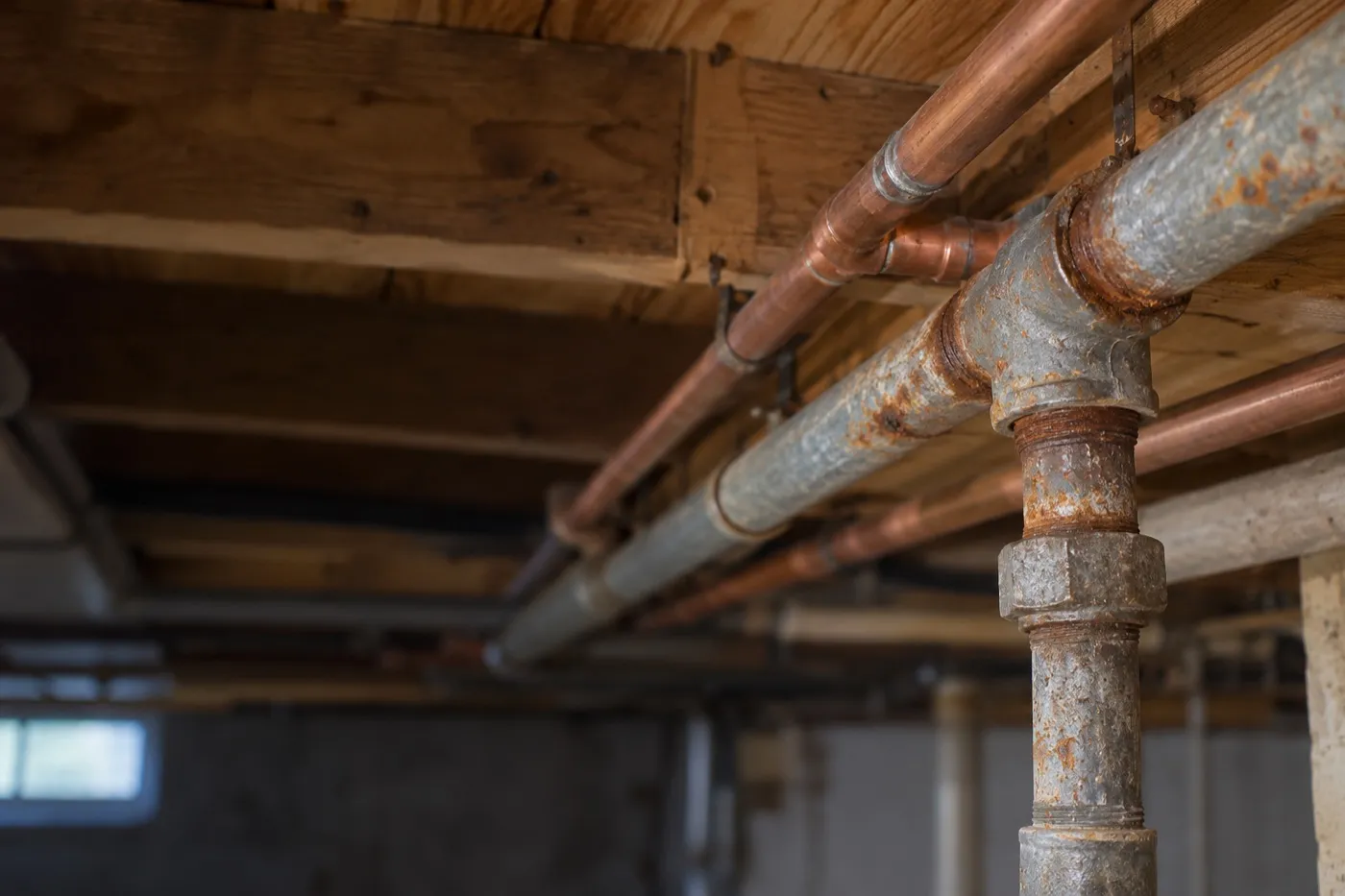
- Old galvanized steel pipes rusting from the inside. They also cause low water pressure. See 4 signs your home needs repiping.
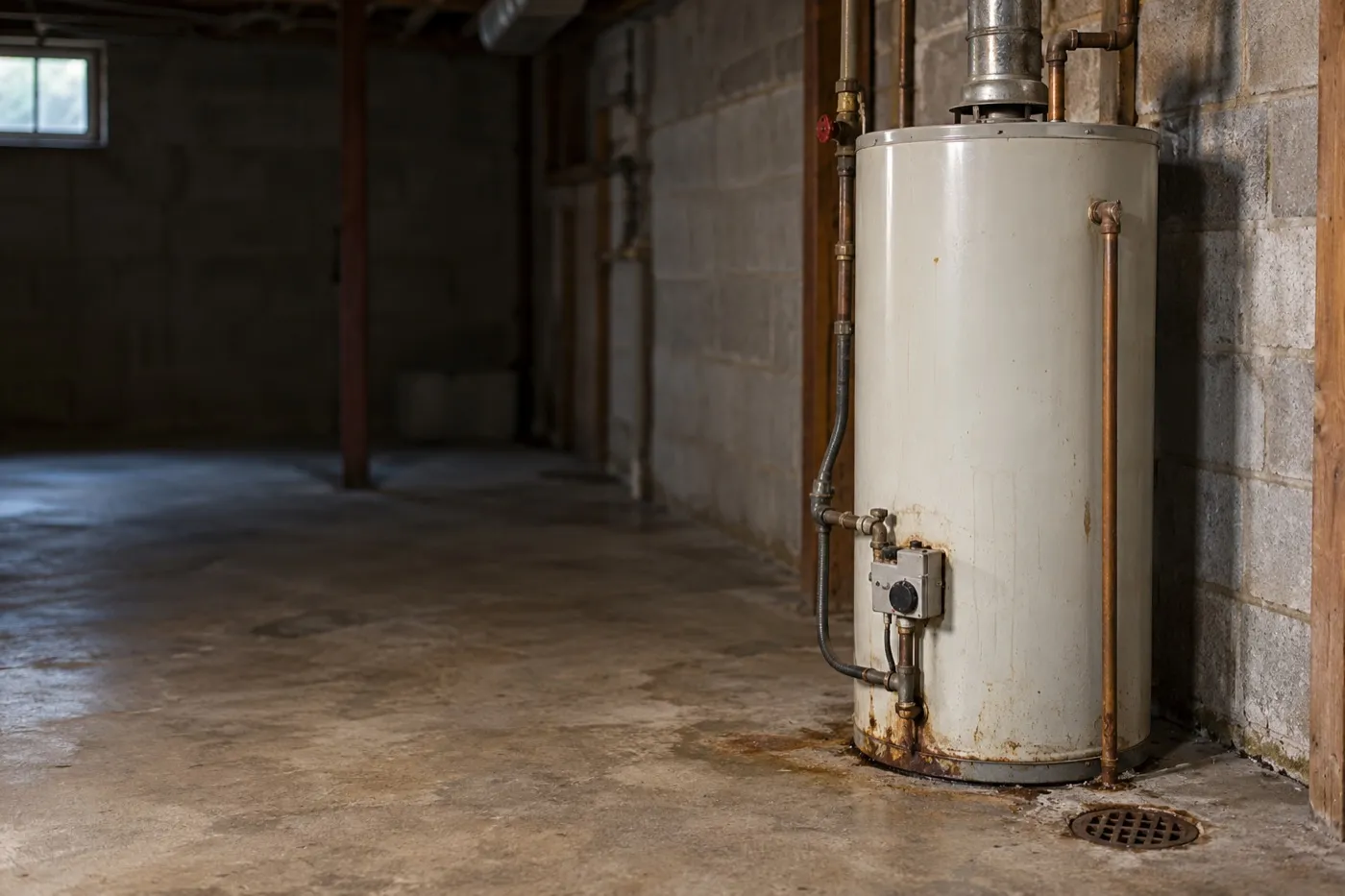
- A water heater tank that's rusting inside, often because its anode rod is used up
- High iron in well water, so have the well tested (we don't treat well water)
Need help finding the source?
We can track down where the rust comes from, and flush or replace a tank water heater of up to 50 gallons. For old galvanized pipes, contact us to confirm whether we handle your scope and materials. Call 908-873-6686 or see our repiping page. Written upfront flat-rate pricing options. You choose. Pressure dropped too? Read why your water pressure is low.
Get tips and reminders
New guides and seasonal reminders. A few emails a year.
Stop and call us if
- The water is still brown after running the cold tap for 20 minutes and your water company reports no work nearby.
- Only the hot water is brown.
- Brown water keeps coming back, or you have old galvanized steel pipes.
- Water pressure has dropped along with the color change.
Call 908-873-6686.

Michael Holt
Owner and operator of Plumbing Doctor, NJ Master Plumber (Lic. #36BI01345600) and U.S. Marine Corps veteran.
More about Mike