Low Water Pressure in the House? 7 Steps to Find and Fix It
By Mike Holt, NJ Master Plumber · March 1, 2024 · 3 min read · Updated November 1, 2026
Quick answer
First check whether the low pressure is at one faucet or the whole house. At one faucet, clean the aerator or showerhead. In the whole house, make sure the main shut-off is fully open, ask your water company about work nearby, check the pressure reducing valve and look for leaks. Old galvanized pipes are a common cause in older homes.
- Difficulty
- Easy
- Time
- 30 to 60 minutes
- You need
- Adjustable wrench, white vinegar, plastic bag
Rather not risk it? A licensed plumber can handle this for you, with written upfront flat-rate pricing options before any work starts.
Weak showers and slow-filling sinks have a handful of usual causes, and most are easy to check. Work through these steps in order. The first one tells you whether you're looking at one fixture or the whole house.
How to find the cause of low water pressure
Step 1: One faucet or the whole house?
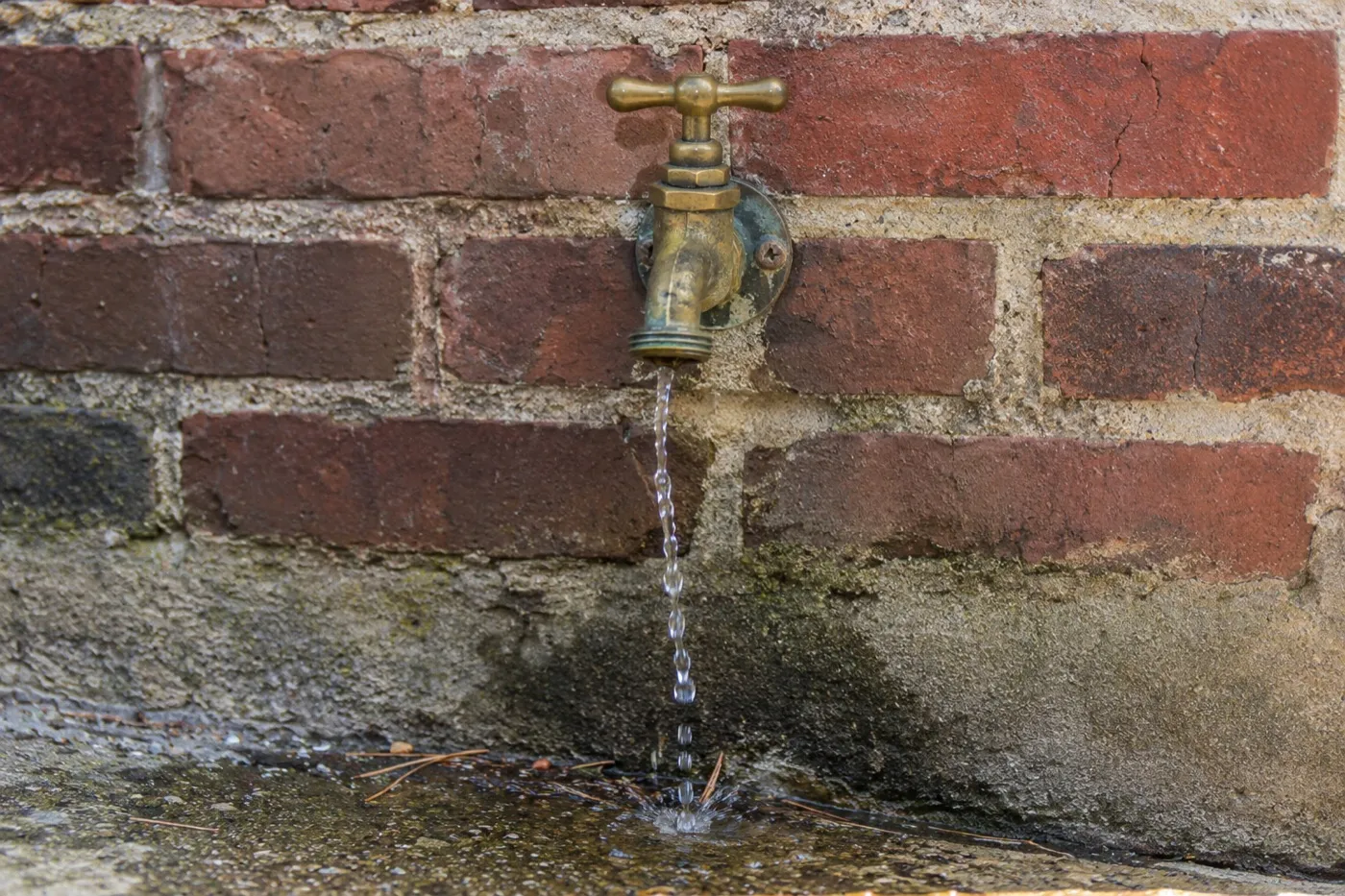
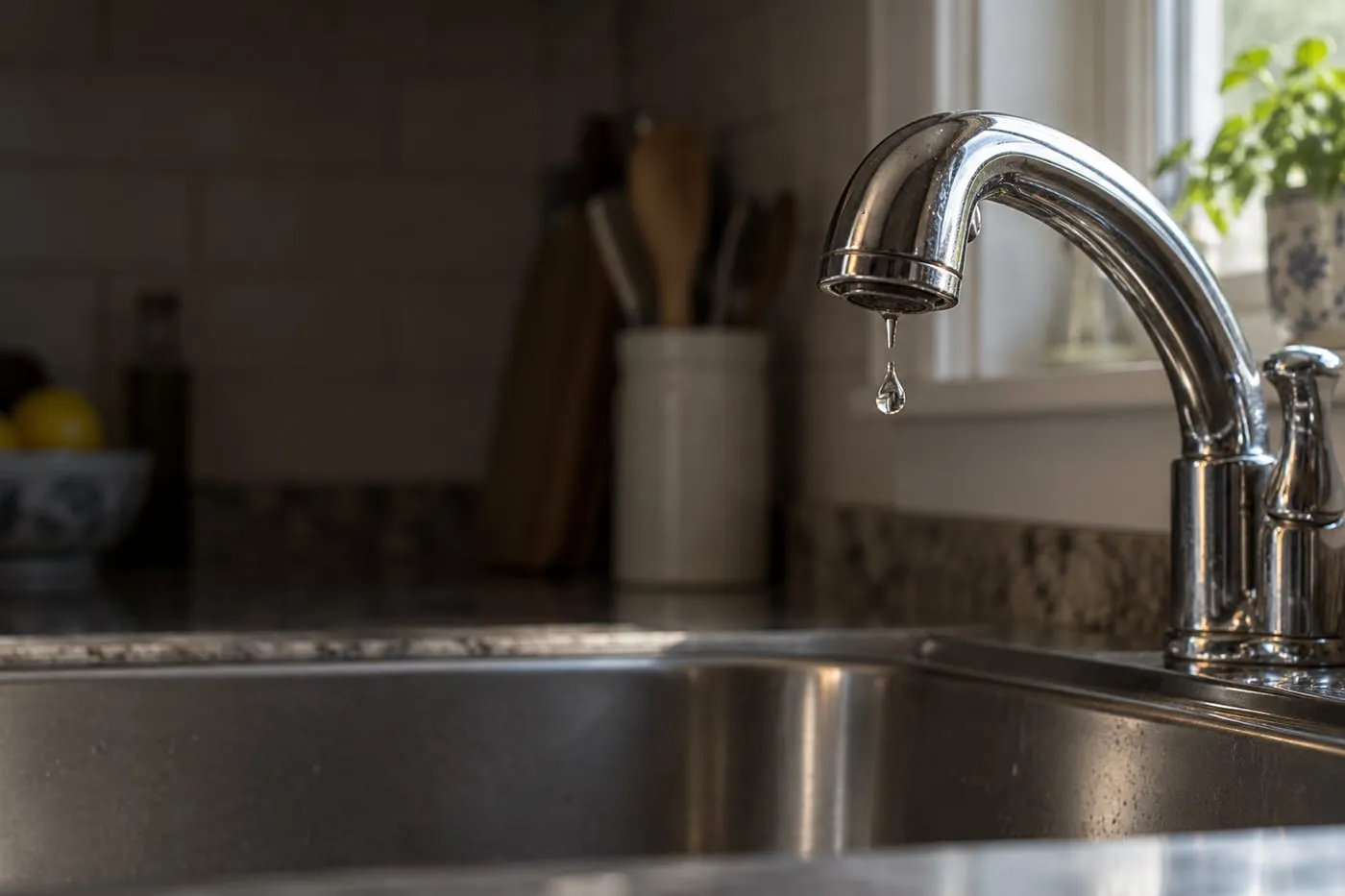
Turn on the cold water at a few faucets on different floors and the outdoor spigot. If only one faucet or shower is weak, the cause is at that fixture. Start with step 2. If everything is weak, skip to step 4.
Step 2: Clean the faucet aerator
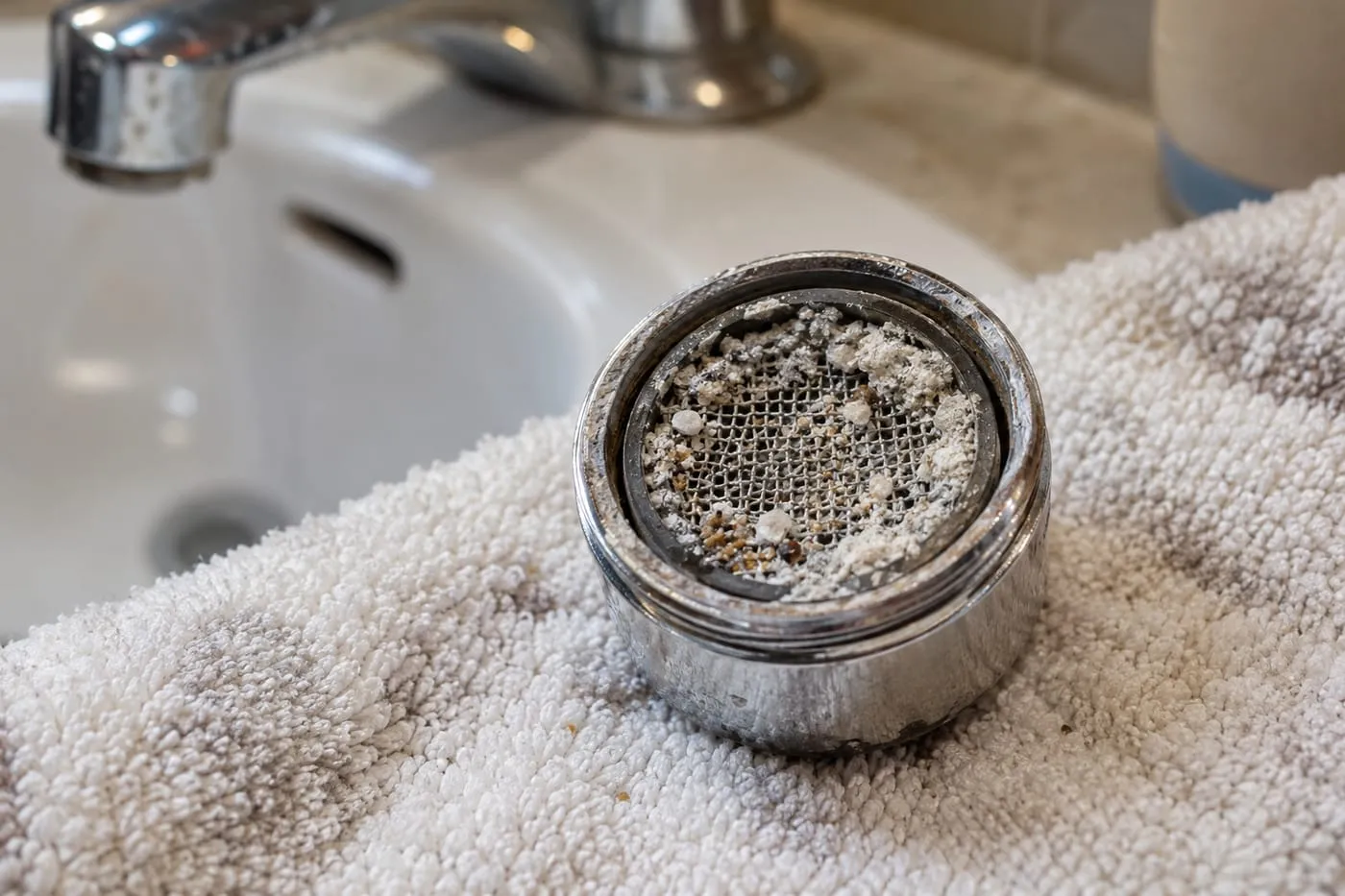
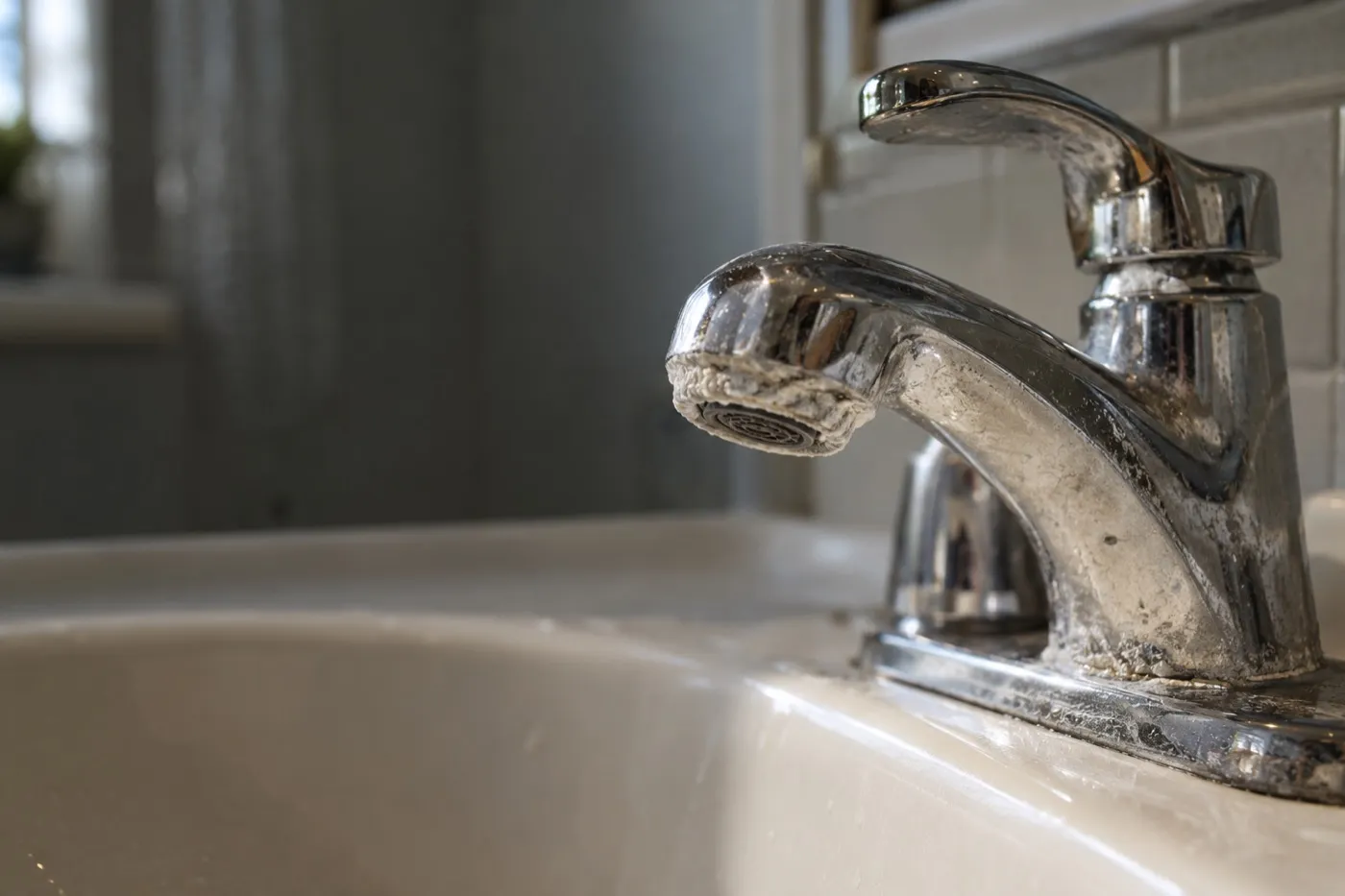
Unscrew the aerator from the tip of the faucet. Rinse the grit and mineral scale out of its screen, or soak it in white vinegar for an hour if it's crusted. Screw it back on and test the flow.
Step 3: Soak the showerhead
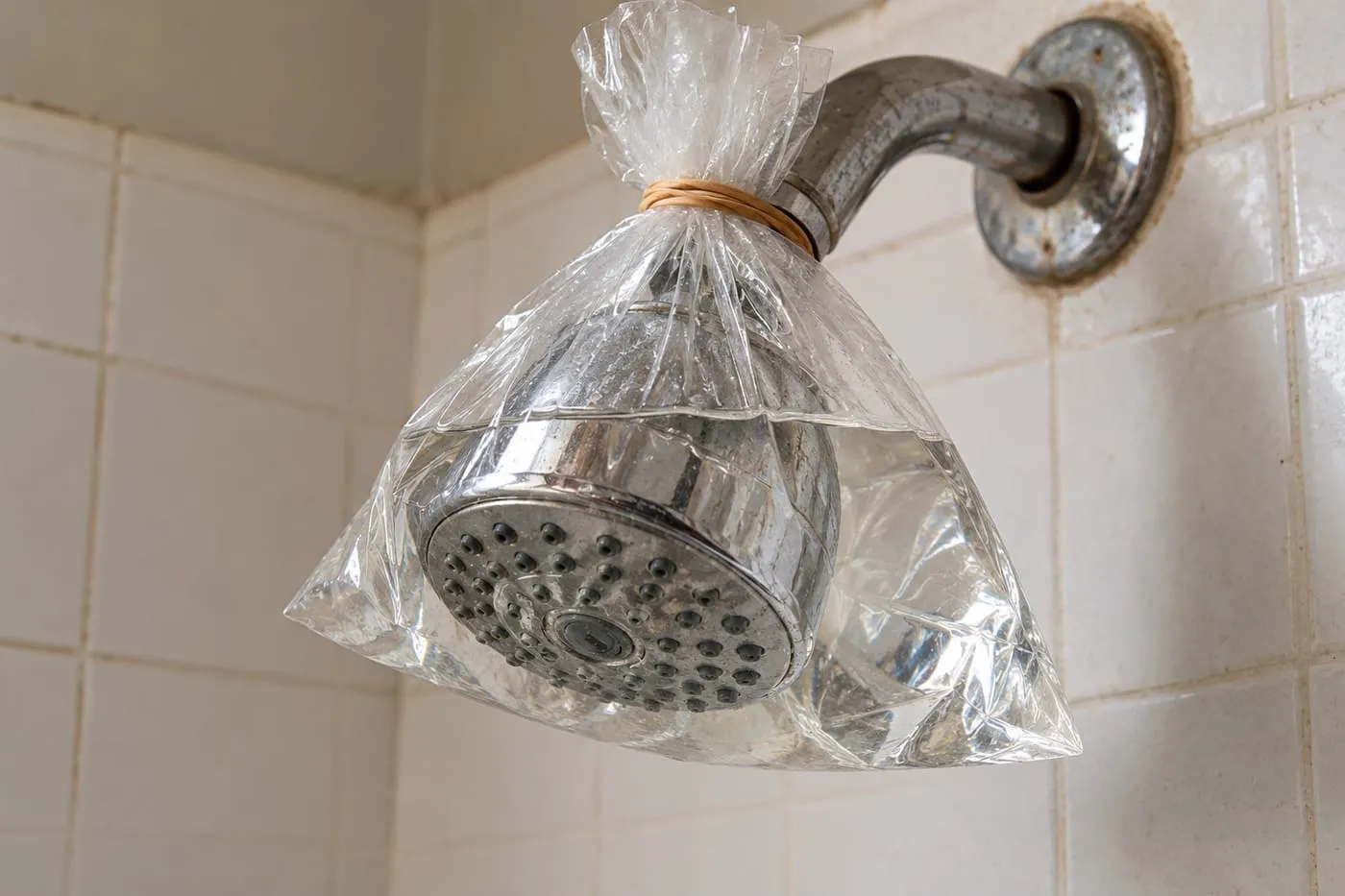
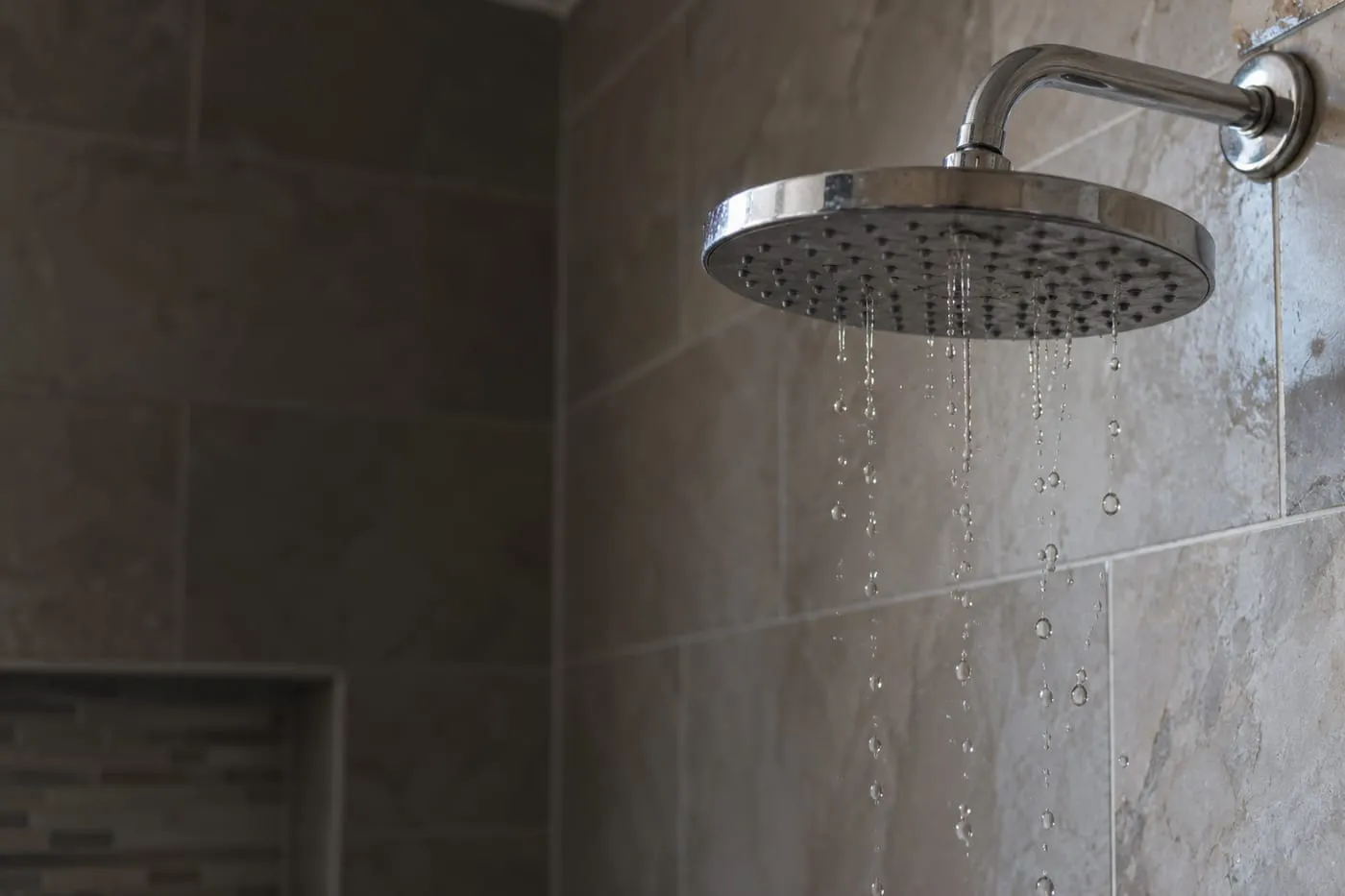
Tie a plastic bag of white vinegar around the showerhead with a rubber band so the nozzles sit in it. Leave it a few hours, then run hot water to flush out the loosened scale. This fixes most single-fixture problems.
Step 4: Make sure the main shut-off is fully open
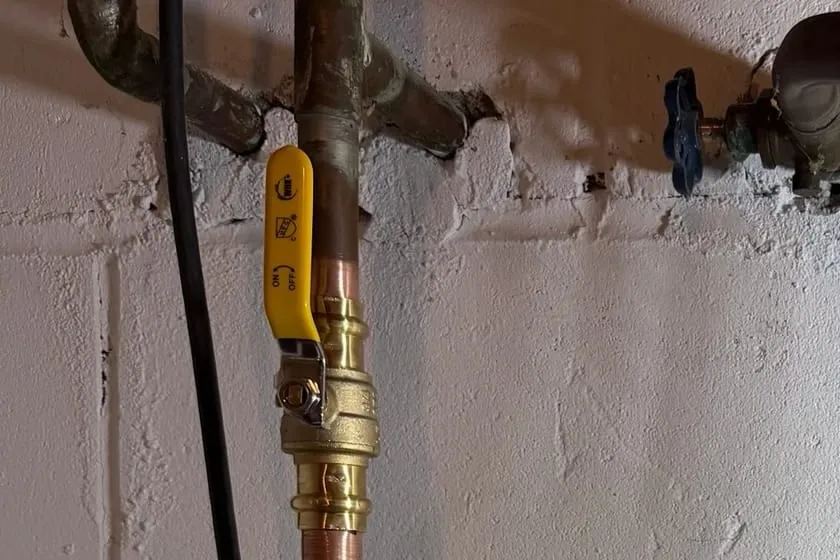
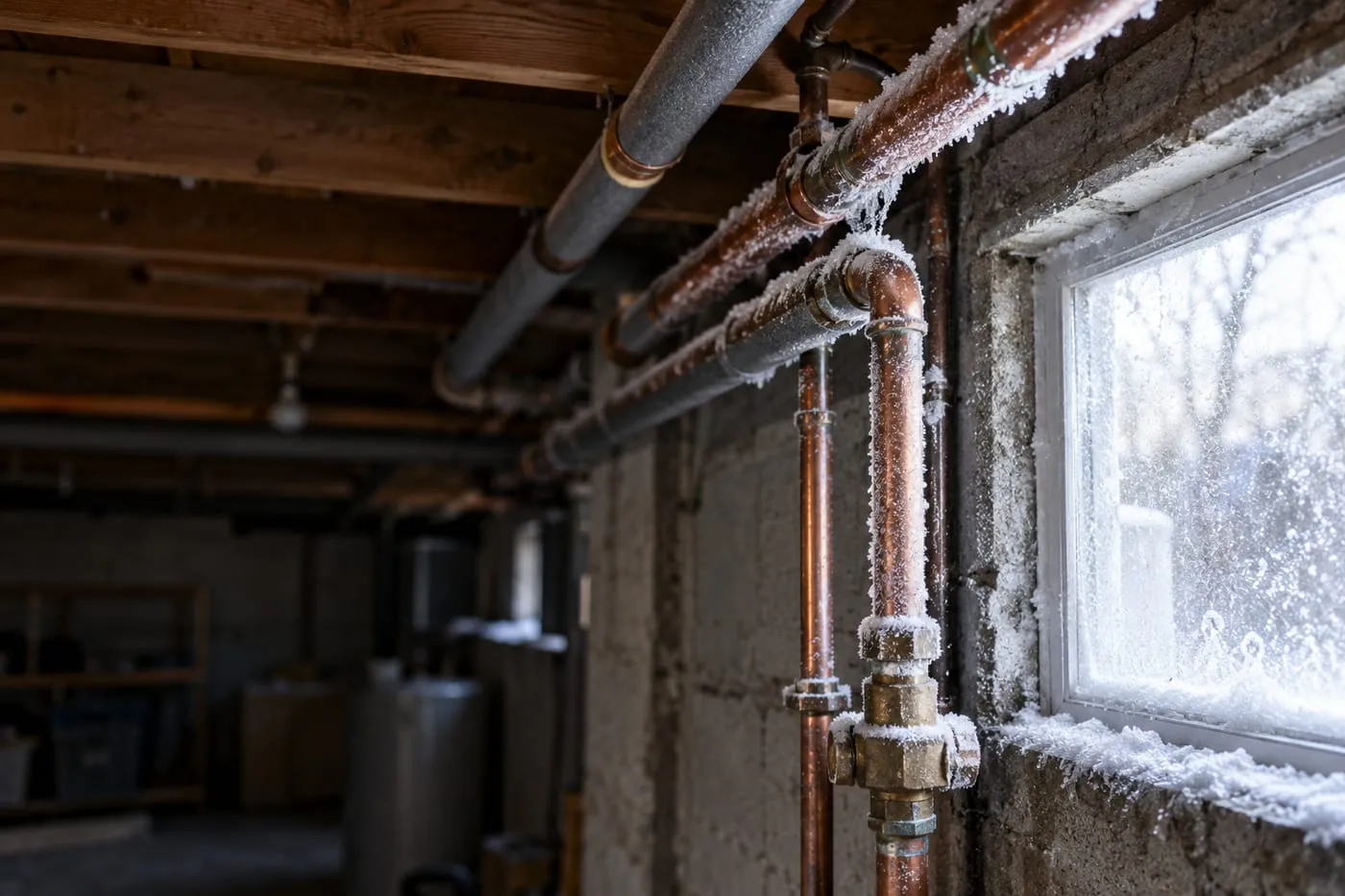
After plumbing work, a main shut-off valve sometimes gets left partly closed. Find it near your water meter and open it all the way: a lever valve should run along the pipe, and a round handle should turn counterclockwise until it stops. Our frozen pipes guide shows where it usually is.
Step 5: Ask your water company
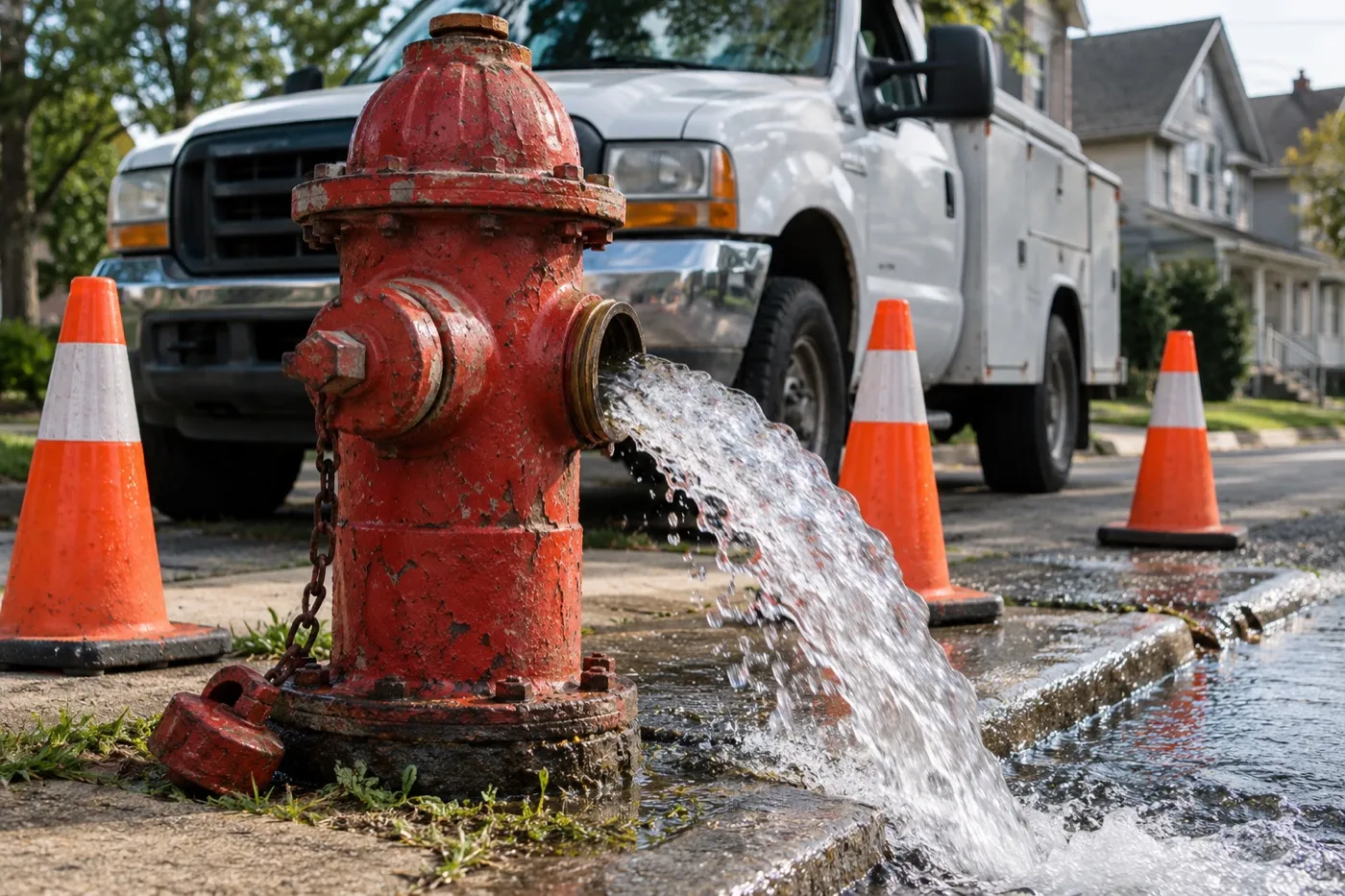
Water main repairs, breaks and hydrant flushing on your street can lower pressure for hours. If neighbors have weak water too, the problem is almost certainly outside your house.
Step 6: Check the pressure reducing valve
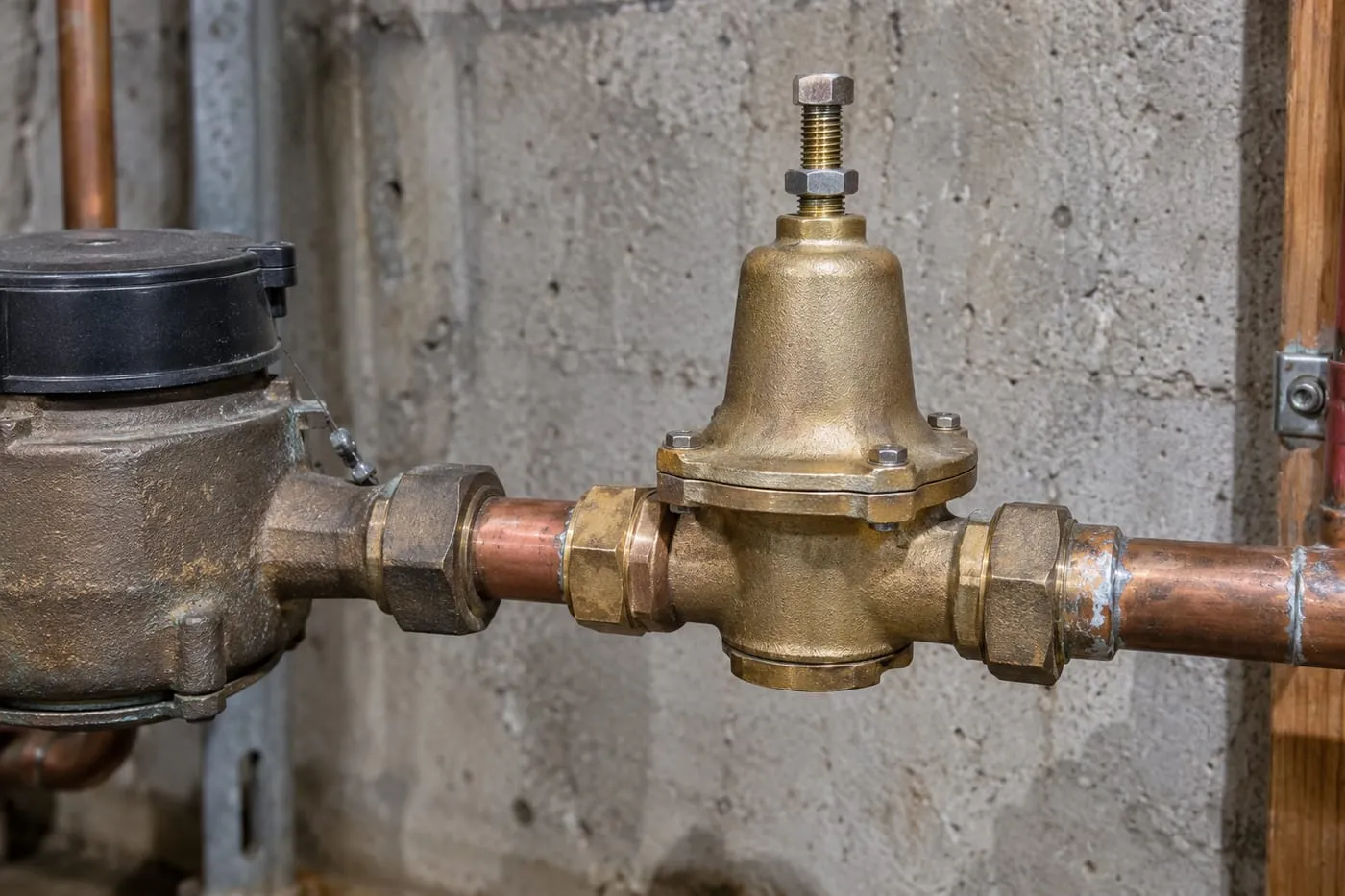
Many homes have a bell-shaped brass valve on the main line just after the meter. It lowers the street pressure to a safe level. When it fails, pressure can drop or swing. Test the pressure with a hose gauge (see the FAQ below). Adjusting or replacing the valve is a job for a plumber.
Step 7: Rule out a leak
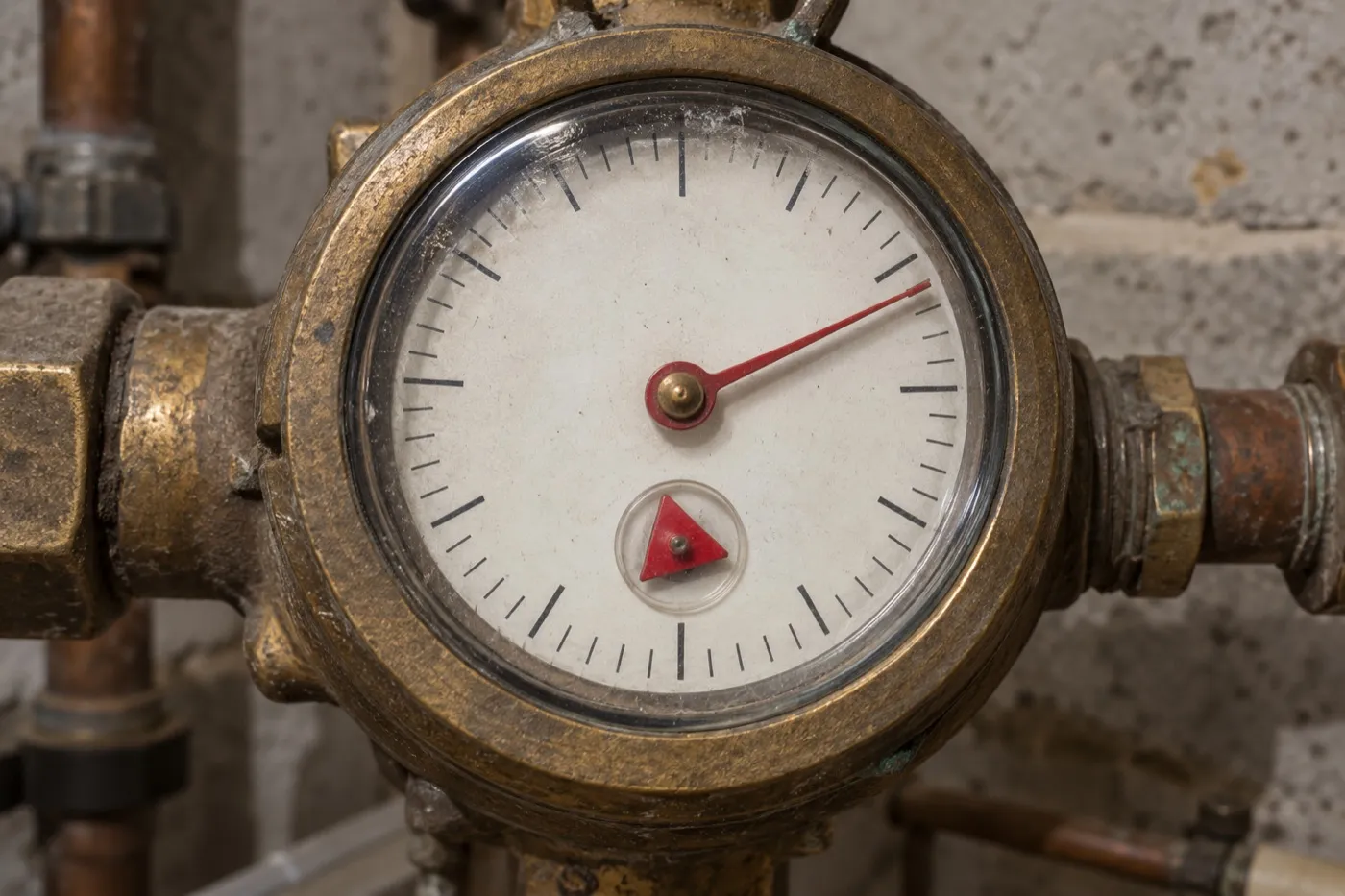
Turn off every faucet and appliance that uses water, then look at your water meter. If the small leak indicator on its face keeps turning, water is escaping somewhere. A hidden leak can lower pressure and run up your bill. Our leak detection service finds it first, so only the spot that needs the repair gets opened.
Still low? It may be your pipes
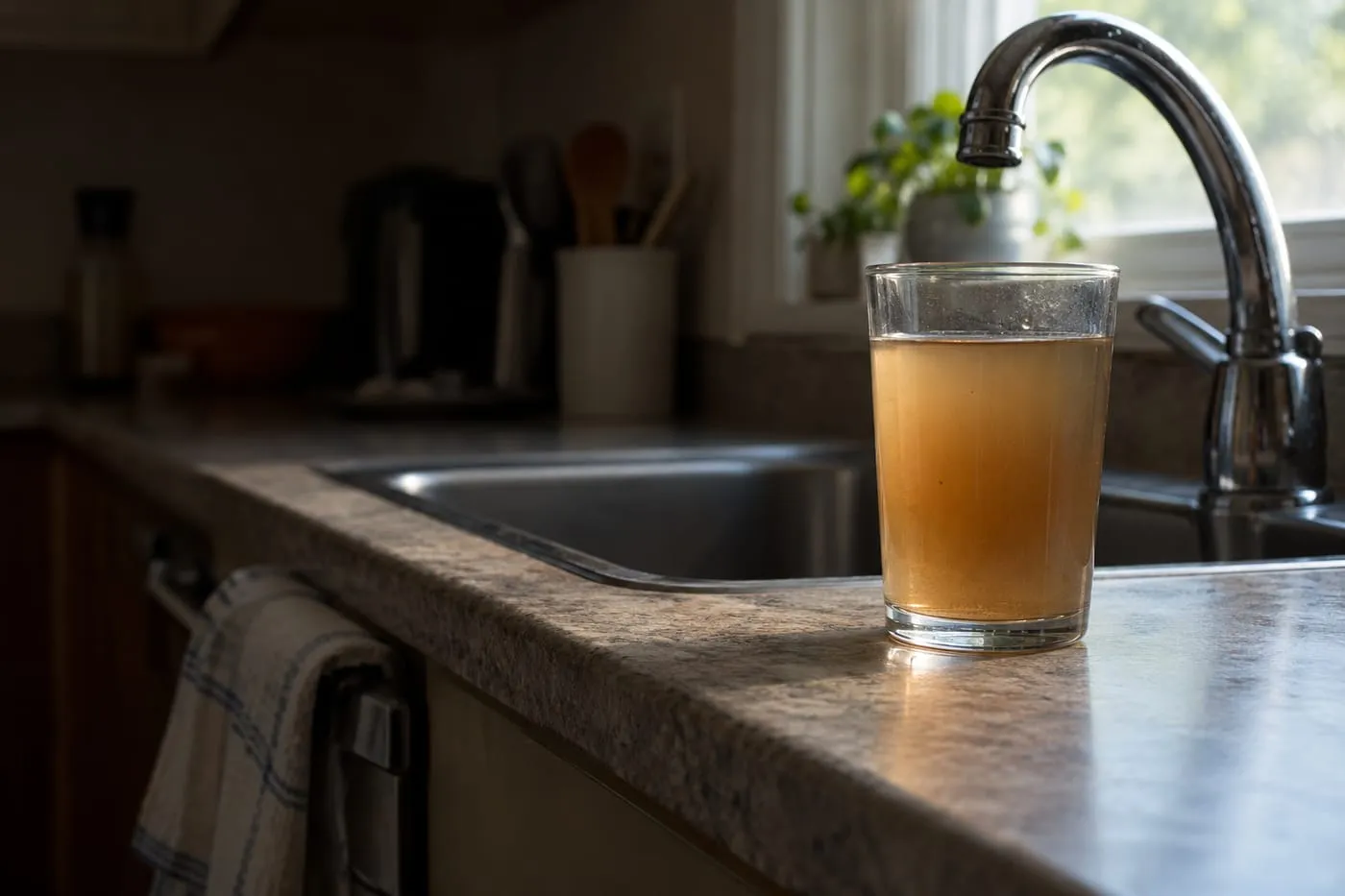
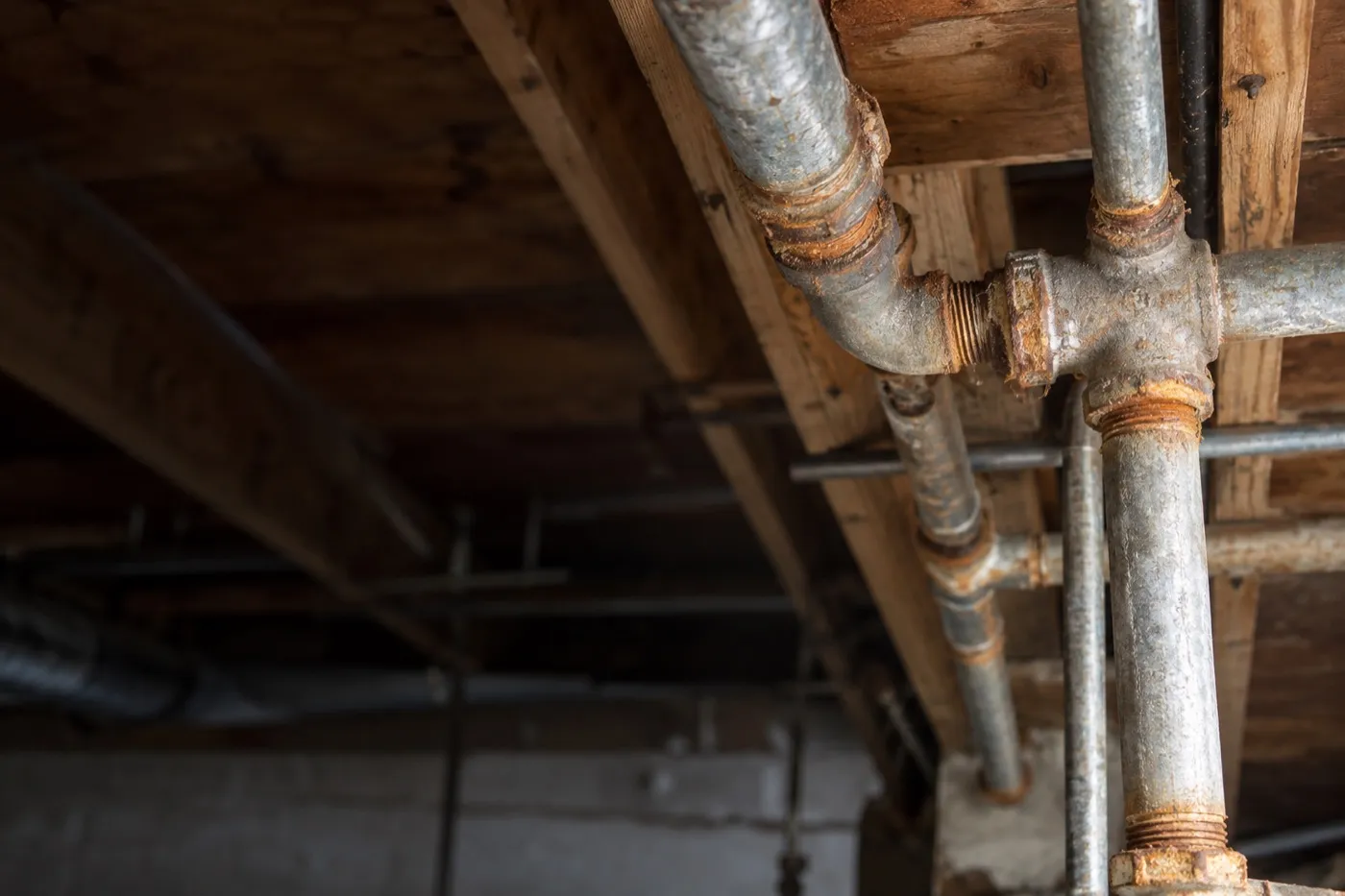
In homes built before the 1960s, galvanized steel pipes rust on the inside until the opening is a fraction of its size. Pressure drops slowly over years, and you may also see brown or rusty water. The fix is replacing them. Contact us to confirm whether we handle your scope and materials. See 4 signs your home needs repiping and our repiping page.
Want us to find it?
We test the pressure, check the valve and the main line, and track down leaks. Call 908-873-6686 or request service online. Written upfront flat-rate pricing options. You choose. Our pipe and plumbing repair page explains what we fix.
Get tips and reminders
New guides and seasonal reminders. A few emails a year.
Stop and call us if
- Pressure dropped suddenly in the whole house and your water company reports no work nearby.
- Your water meter's leak indicator moves with every faucet off.
- The pressure reducing valve needs adjusting or replacing.
- You have old galvanized pipes, or several fixtures have slowly lost pressure.
- You see water stains, damp spots or hear running water inside a wall.
Call 908-873-6686.

Michael Holt
Owner and operator of Plumbing Doctor, NJ Master Plumber (Lic. #36BI01345600) and U.S. Marine Corps veteran.
More about Mike