Call 908-873-6686Veteran-owned · NJ Master Plumber Lic. #36BI01345600
Plumbing Doctor van, protecting your health and sanitation4.9 174 reviews
on Google
4.9 121 reviews
on Thumbtack
Call 24/7908-873-6686Request service
Sewer

Plumbing how-to guides

Plain guidance from a NJ Master Plumber, including when to stop and call a professional.

4.9 stars, 174 Google reviews · NJ Master Plumber Lic. #36BI01345600

Are Flushable Wipes Really Flushable? What Happens in Your Pipes

By Mike Holt, NJ Master Plumber · November 1, 2026 · 3 min read · Updated November 1, 2026

Quick answer

Not in the way most people think. A flushable wipe will leave the bowl, but it stays in one piece for hours instead of breaking apart like toilet paper. In the pipes it catches on rough joints, roots and grease and builds into a clog. Put wipes in the trash. If they already clogged a toilet, plunge it, then use a toilet auger.

Difficulty
Easy
Time
10 to 30 minutes
You need
Flange plunger, toilet auger, rubber gloves, old towels

Save this guide so it's one tap away in an emergency.

Add our number

Rather not risk it? A licensed plumber can handle this for you, with written upfront flat-rate pricing options before any work starts.

Dirty water coming up a floor drain or tub? Stop running water anywhere in the house and keep children and pets away. Stay out of the water if it's near anything electrical, and skip chemical drain cleaners. That's a clog in the main sewer line, and a plunger won't reach it. 908-873-6686

"Flushable" means a wipe can leave the bowl. It doesn't mean the wipe breaks apart. Toilet paper starts falling to pieces within seconds of getting wet. A wipe is made to stay strong when wet, and it can stay in one piece for hours, long enough to catch somewhere between your toilet and the town sewer.

Are flushable wipes really flushable?
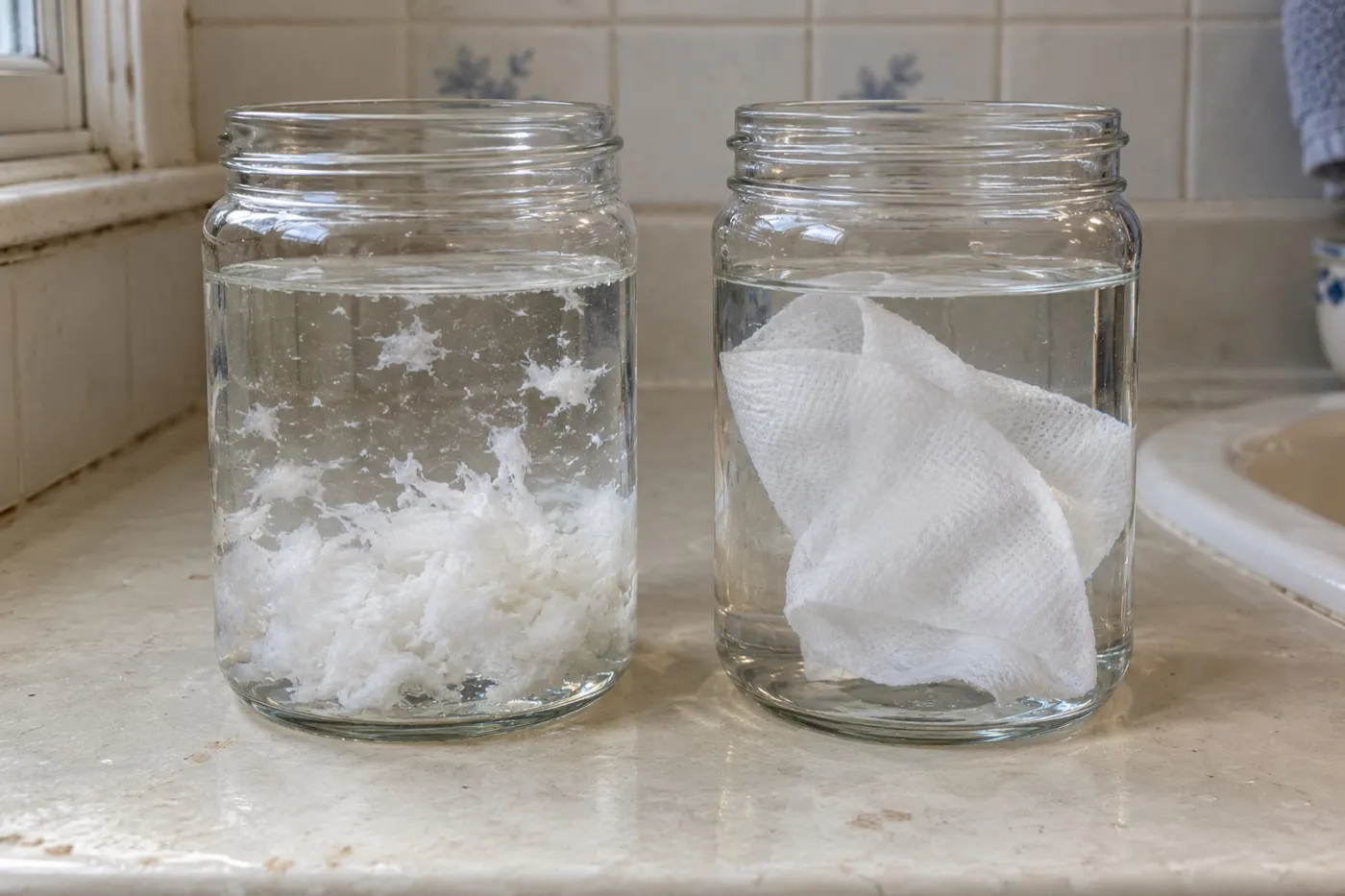
Two glass jars of water, toilet paper broken into shreds in one and a whole wet wipe in the other

They flush, and then they cause trouble further down the line. In a house drain, a wipe catches on a rough joint, a tree root or a buildup of grease. The next wipe catches on the first one, paper collects behind them, and a few weeks or months later the main line backs up. Town sewer systems deal with the same problem in their pump stations, where wipes wrap around pumps and tangle with grease into large masses.

You can see the difference at home with a jar test. Put a sheet of toilet paper in one jar of water and a flushable wipe in another, close the lids and shake both for about ten seconds. The toilet paper turns into small shreds. The wipe comes out whole.

What to do if wipes clogged your toilet

Step 1: Stop flushing and close the valve
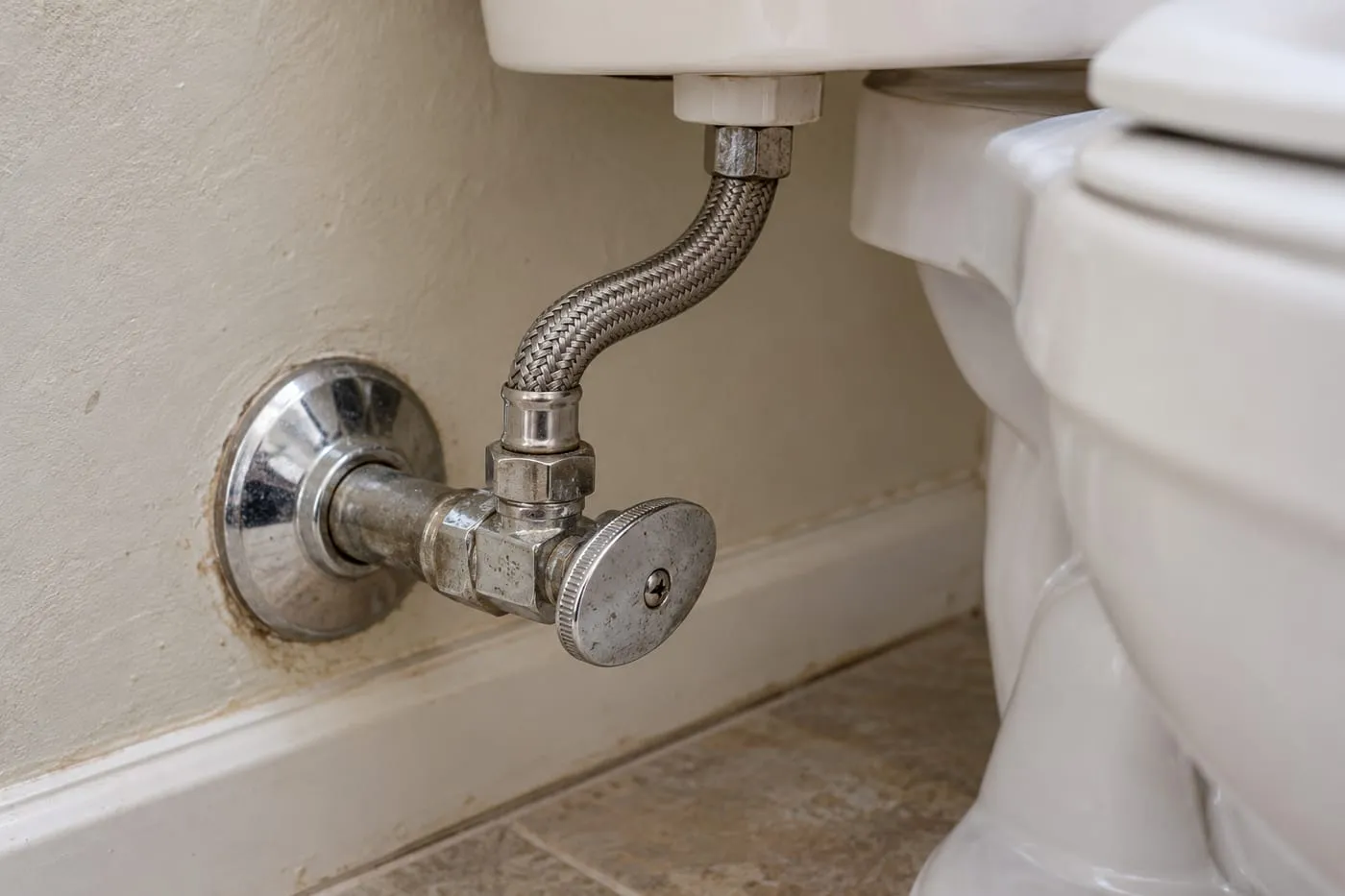
Chrome toilet supply shut-off valve on the wall behind a toilet with a braided supply line

Don't flush again to "push it through." Each flush adds water to a bowl that can't drain. Turn the valve on the wall behind the toilet clockwise until it stops, put old towels around the base and put on rubber gloves.

Step 2: Plunge with a flange plunger
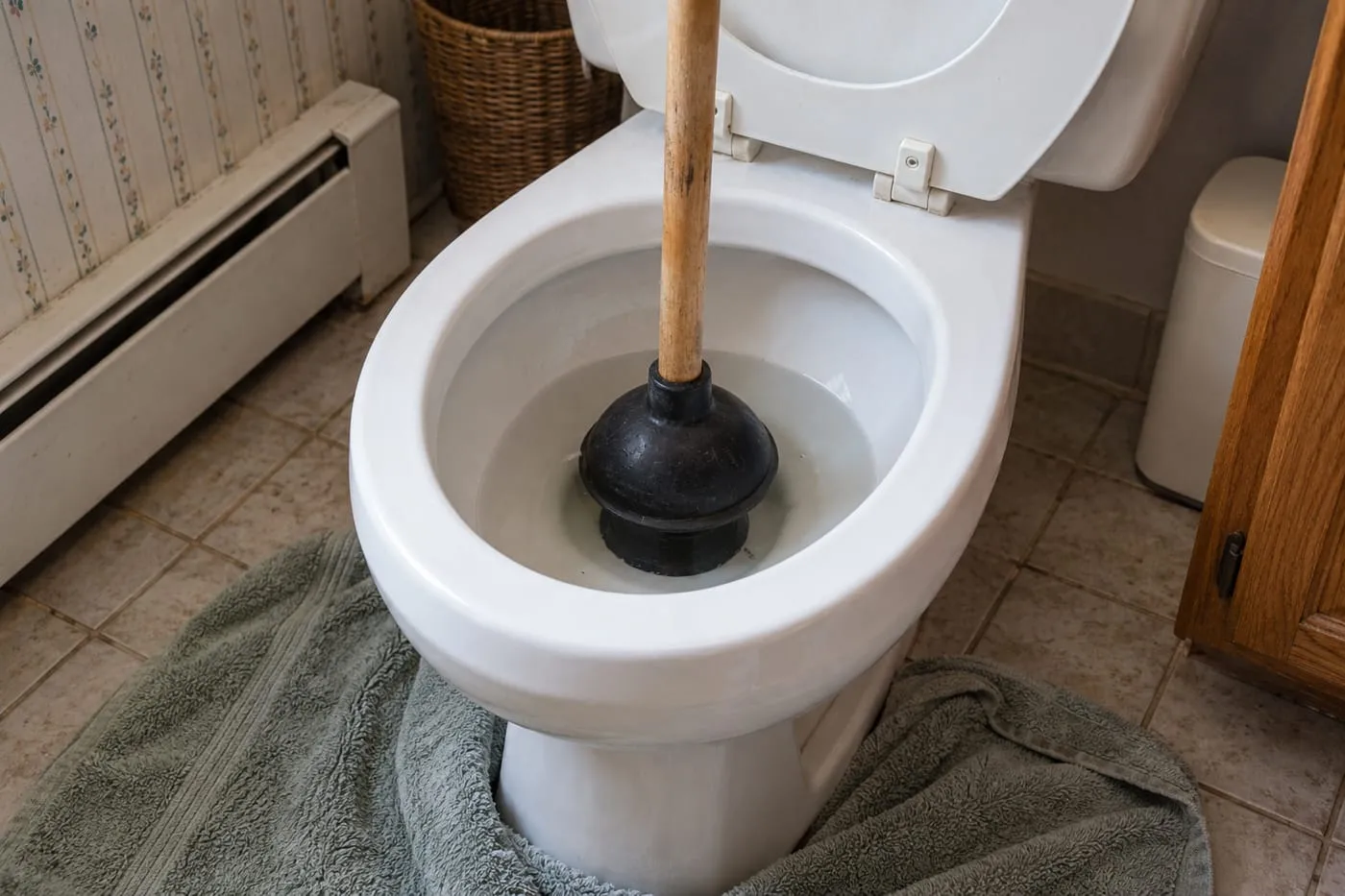
Black flange plunger standing in a white toilet bowl, towel on the floor

Use a plunger with a rubber sleeve on the bottom and fit the sleeve into the drain hole so it seals. Push down gently to push the air out, then push and pull firmly 15 to 20 times. A wipe stuck in the trap often moves with the first few strokes. If the water drops with a gurgle, test with one normal flush.

Step 3: Pull the wipes out with a toilet auger
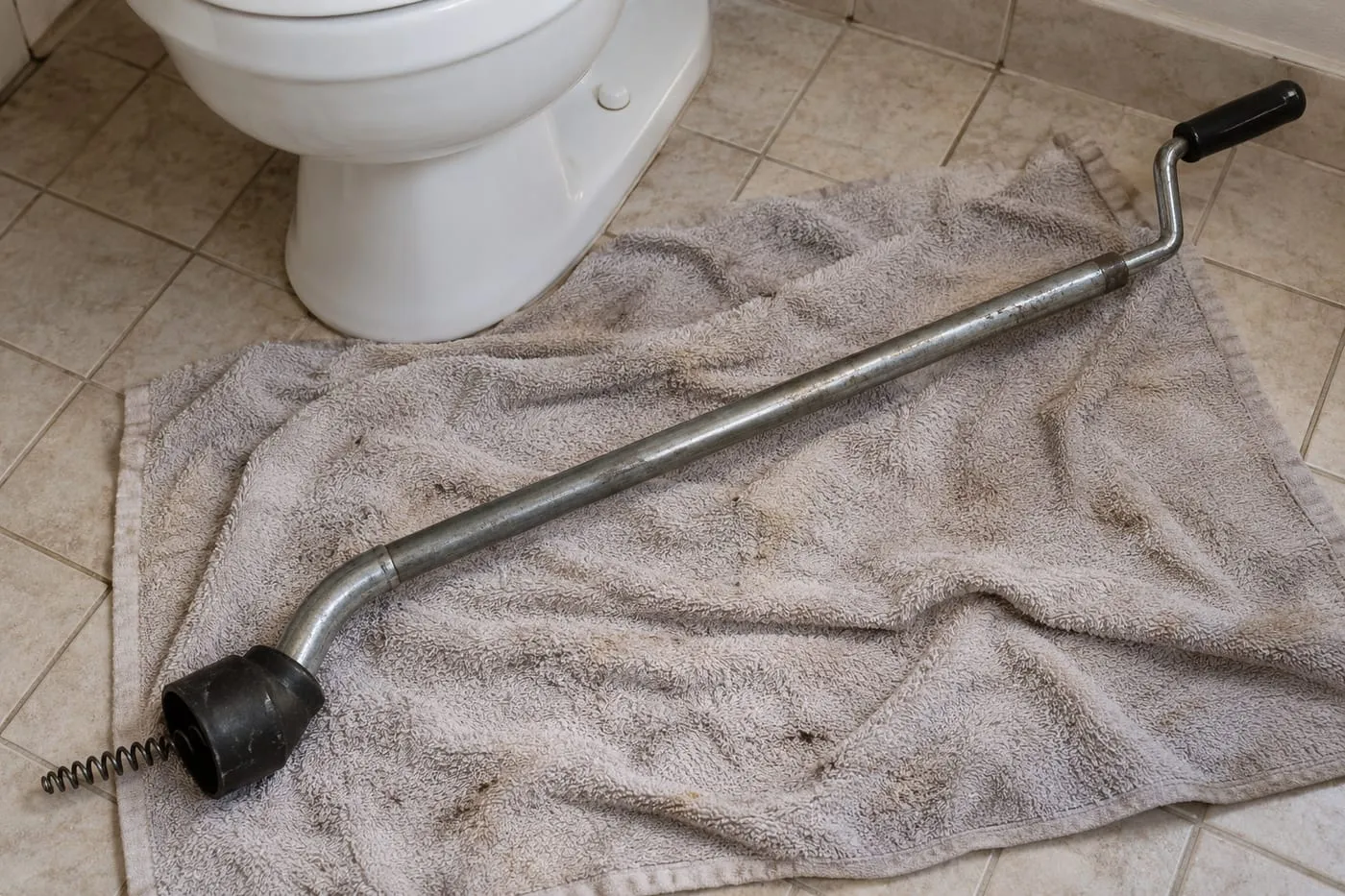
Toilet auger with curved tube and crank handle on a towel beside a toilet

Wipes are better pulled out than pushed through. Put the curved end of a toilet auger into the drain hole, crank the handle to feed the cable in, then keep cranking as you pull it back. The tip often hooks the wipes so you can lift them out and throw them away.

Step 4: Check the rest of the house
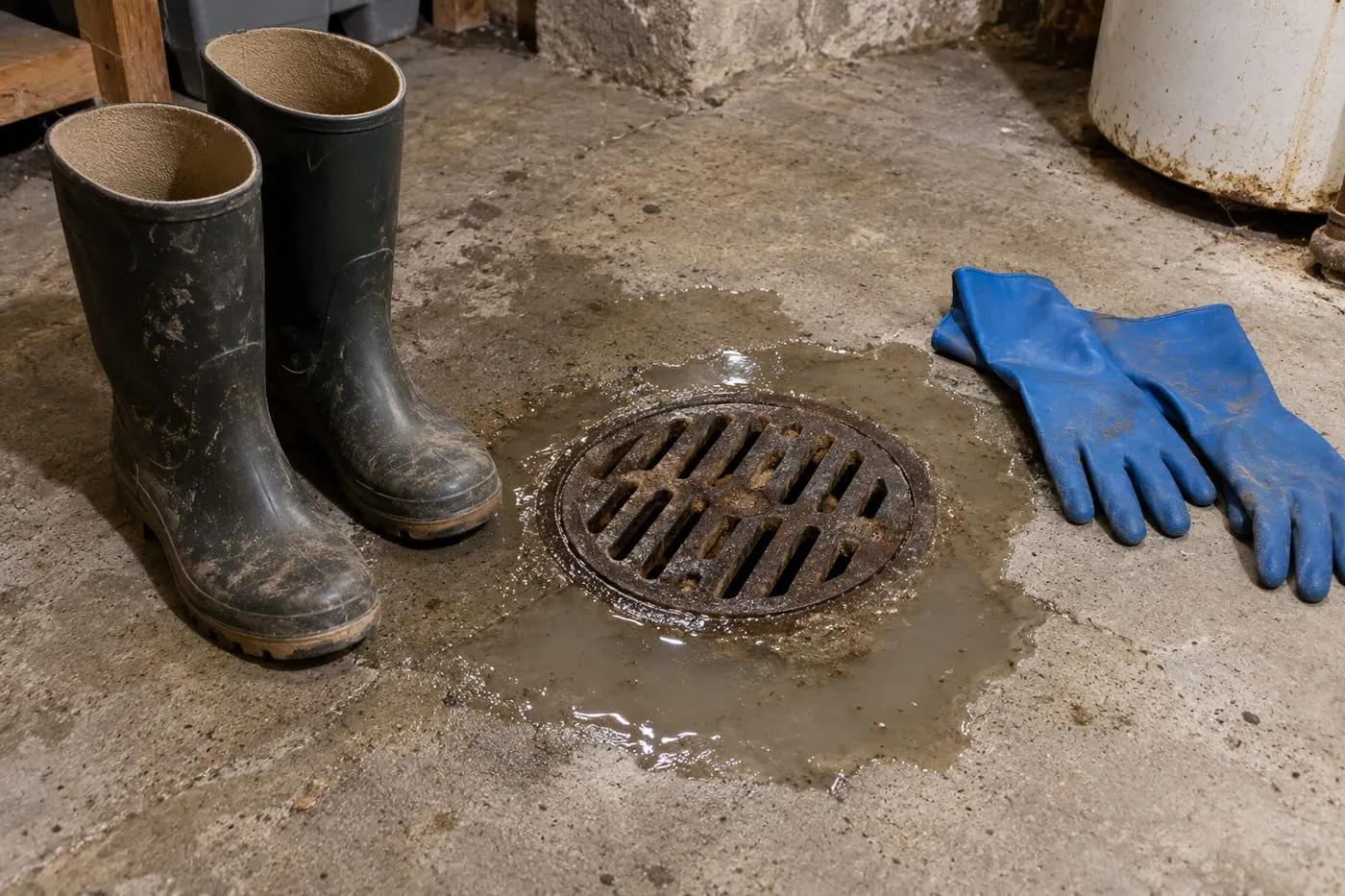
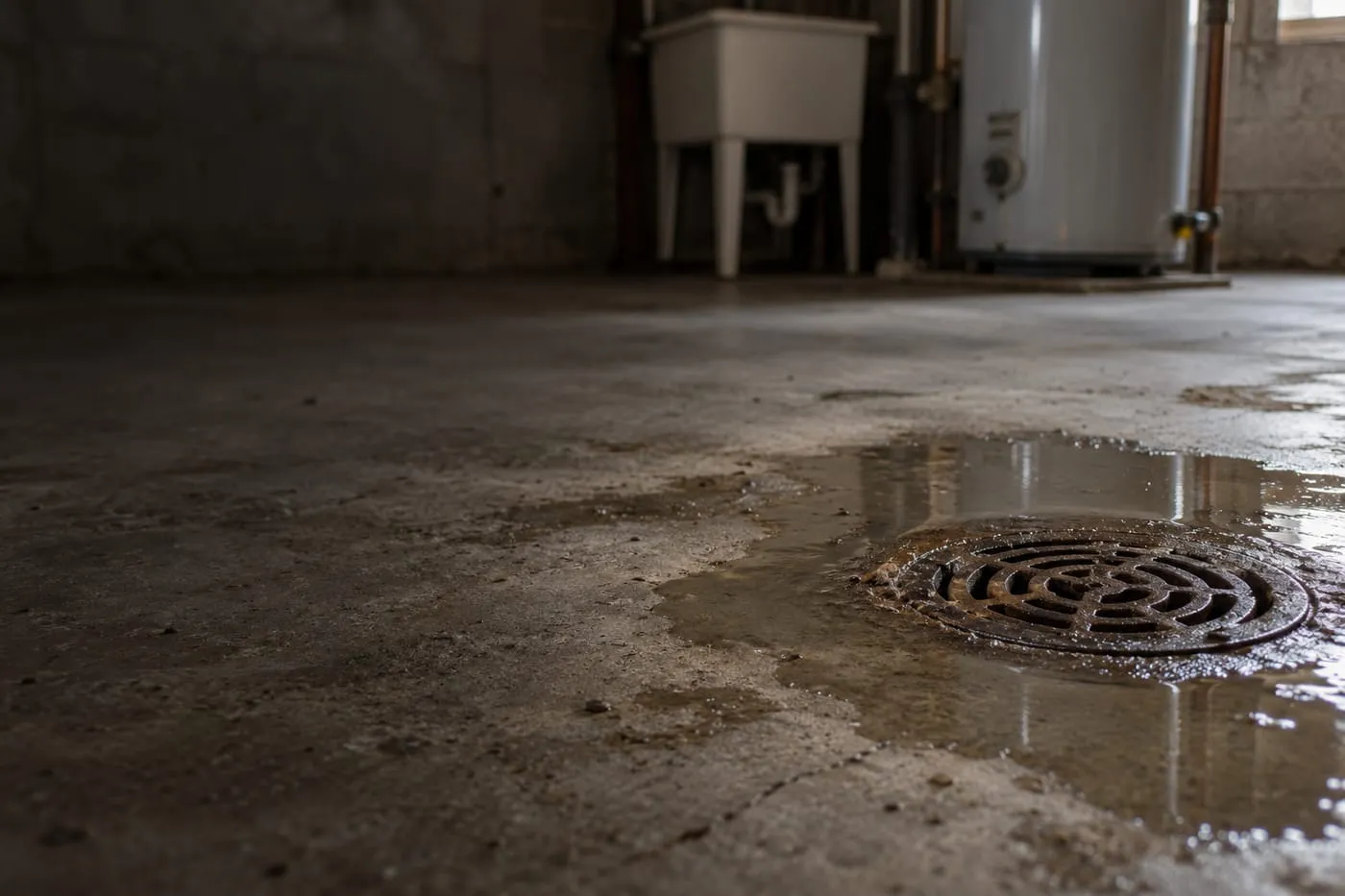
Rubber boots and rubber gloves beside a basement floor drain with a small puddle of murky water

Run water in a sink and watch the tub, the shower and any basement floor drain. If dirty water comes up somewhere else, or several drains gurgle, the wipes are in the main sewer line. Stop using water and call us; a plunger can't reach that far.

Step 5: Put a trash can next to every toilet
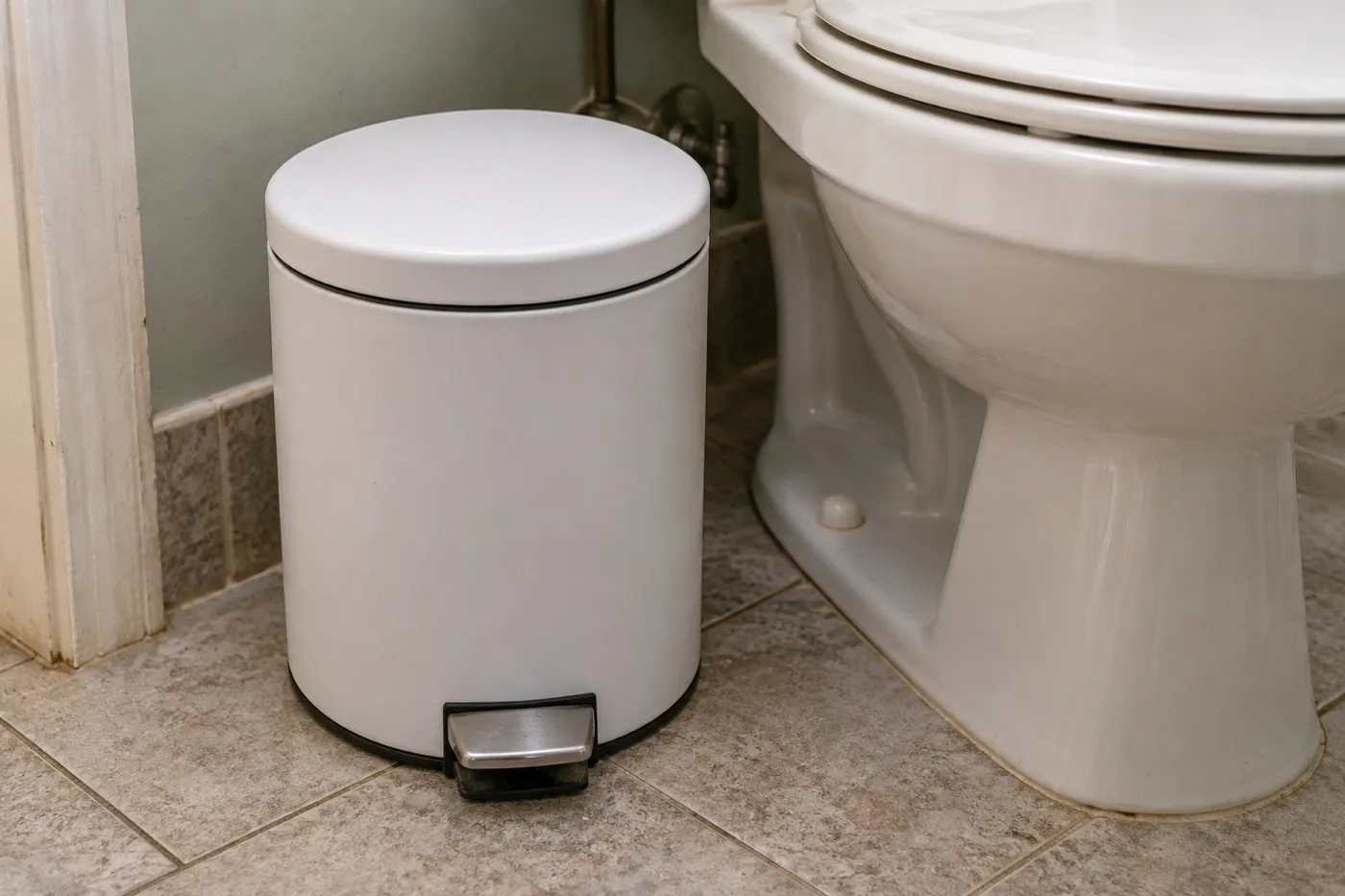
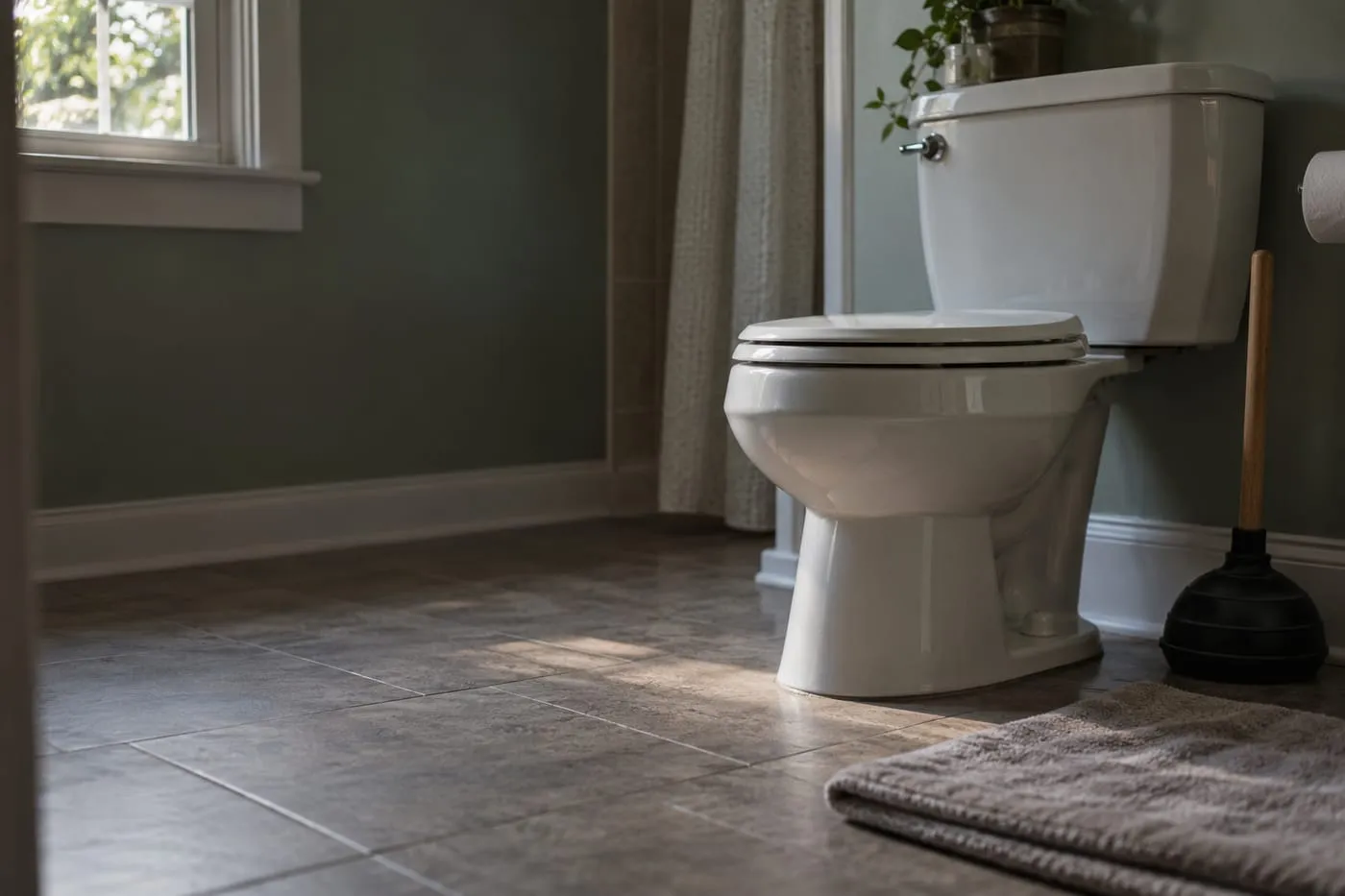
Small white step-on trash can with a lid next to a toilet on a tile floor

Most wipes end up in the toilet because there's nowhere else to put them. A small lidded can beside each toilet fixes that, and it helps with guests and kids too.

Which wipes are the worst for pipes?

All of them. Baby wipes, makeup wipes, cleaning wipes and disinfecting wipes aren't labeled flushable and shouldn't go near a toilet. The ones labeled flushable are the ones people flush most, so they're the ones plumbers pull out of drains most often. Paper towels and facial tissues cause the same kind of clog, because they're made to stay strong when wet.

Signs wipes are building up in your sewer line

  • The lowest toilet or the basement floor drain backs up first.
  • The toilet gurgles when the washing machine drains.
  • The main line has been cleared before and clogs again within months.
  • Drains all over the house are slow at the same time.

When that happens we clear the main line with a cable machine or hydro jetting, and we can run a camera to show you what the wipes are catching on. See our drain cleaning and sewer and water line services, or read about sewer camera inspections.

Keep this guideFor the next time something leaks

Save it for an emergency

Keep these steps and our number one tap away.

Add our number

Get tips and reminders

New guides and seasonal reminders. A few emails a year.

Stop and call us if

  • Water backs up into a tub, shower or basement floor drain when you flush.
  • Several drains are slow or gurgling at the same time.
  • The toilet clogs again within a few days of clearing it.
  • A plunger and a toilet auger both failed.
  • Wipes have been flushed in the house for months or years and the main line keeps clogging.

Call 908-873-6686.

Need a licensed plumber?Written upfront flat-rate pricing options. You choose. We respond immediately to calls and online inquiries. Same-day appointments may be available, subject to technician availability and scheduling.
Mike Holt
About the author

Michael Holt

Owner and operator of Plumbing Doctor, NJ Master Plumber (Lic. #36BI01345600) and U.S. Marine Corps veteran.

More about Mike
FAQ

Questions we get about this

Don't see your question? Call us and ask.

Call 908-873-6686
Are flushable wipes safe for a septic system?

No. Wipes don't break down in a septic tank the way toilet paper does. They float in the tank, can clog the outlet or the effluent pump, and add to the solids that have to be pumped out. If your house has a septic system, keep every kind of wipe out of the toilet.

Can flushable wipes cause a sewer backup?

Yes. Wipes catch on roots, cracked joints and sagging spots in an older sewer line and collect grease and paper behind them. Over time that becomes a blockage in the main line, and sewage backs up into the lowest drain in the house, usually a basement floor drain or tub.

How do plumbers get wipes out of a sewer line?

We clear the line with a cable machine, which cuts through and pulls out the mass, or with hydro jetting, which flushes the pipe with high-pressure water. If wipes keep catching in the same spot, a camera inspection shows the root, crack or sag that's holding them.

What is safe to flush down a toilet?

Only toilet paper and human waste. Wipes of any kind, paper towels, tissues, cotton swabs and balls, dental floss, hair, cat litter and feminine products all belong in the trash, even when the package says flushable. Tissues are made to stay strong when wet, so they don't break apart either.

Why do wipes cause more trouble in older homes?

Many older Central New Jersey homes have cast iron or clay sewer lines with rough insides, root intrusion at the joints and low spots. A smooth new pipe may pass a wipe; an old one gives it plenty of places to snag. That's why the same habit causes clogs in one house and not the next.

Leaking pipe right now?

Shut off the water first if you can reach the valve safely, then call us, day or night.

908-873-6686

Outside regular hours and on holidays, emergency service requires a $250 upfront emergency fee. When paid, the standard $49 service fee is waived. During regular hours there is no emergency fee. Additional repairs are quoted before work begins. We respond immediately upon contact; dispatch and arrival depend on availability and location.

Do this now

  1. Shut the main valve. Usually where the water line enters, near the meter.
  2. Stay clear of electricity. Don't enter standing water or touch electrical controls near the leak.
  3. Open a low faucet to drain the pipes and take pressure off the leak.
Selected Google reviews

What neighbors say

Excellent4.9 from 174 reviews on Google
Richard F.Google review
★★★★★

Had backup and they came out in half hour on a Sunday and got the blockage resolved. They cleaned up after themselves. Very very professional people.

Lisa L.Google review
★★★★★

Honest, reliable and they do a great job. I highly recommend plumbing doctor services.

Felicia T.Google review
★★★★★

Mike is awesome, knowledgeable, thorough and friendly! Overall great and expedient experience!

John G.Google review
★★★★★

Excellent service and very knowledgeable. I definitely recommend them.

JoeGoogle review
★★★★★

Very knowledgeable, attention to detail, extremely neat and organized. We highly recommend Plumbing Doctor.

Naomi H.Google review
★★★★★

Mike works quickly and is transparent with pricing. He's trustworthy, reliable and brings his own shoe covers.

Hazim A.Google review
★★★★★

They tell me what is worth doing or not doing, and won't try to upcharge me. The work is always great. They are my go-to!

Kevin C.Google review
★★★★★

Found my outdoor cleanout that was covered up for years and no other company could find! … They use drop cloths and clean up when they are done.

Read all 174 reviews on Google · Leave us a review

We respond immediatelySame-day appointments may be available

What's going on?

Tap one. It takes about a minute, and we get your request right away.

Problem
How soon?

Enter a 5-digit ZIP code, or leave it empty.

Where can we reach you?

Please enter your name.

Enter a 10-digit phone number.

Best way to reach you

That email doesn't look right.

Leaking pipe? Call 908-873-6686