How to Flush a Water Heater: Risks and When to Call
By Mike Holt, NJ Master Plumber · October 23, 2025 · 3 min read · Updated November 1, 2026
Quick answer
Flushing a tank water heater means draining it to clear sediment, and the right procedure is the one in your manufacturer's instructions. It involves scalding water, an aging drain valve and the heater's gas or electric supply, so call a plumber if the heater is old, has never been flushed or anything is uncertain. Never drain sediment into a sump pit.
- Difficulty
- Check it yourself. Call a professional for uncertain conditions
- Time
- About 10 minutes to check
- You need
- Flashlight, your owner's manual
Rather not risk it? A licensed plumber can handle this for you, with written upfront flat-rate pricing options before any work starts.
Every tank water heater collects sediment. Minerals in the water settle on the bottom of the tank, and over time they can make the heater louder and less efficient. A flush can clear some of it. It also means handling scalding water, an old valve and the heater's gas or electric supply, so the safe procedure for your model comes from the manufacturer. Here's what to check first, and when to leave it to us.
Signs your water heater needs a flush
- Popping, rumbling or crackling sounds while it heats
- Hot water runs out faster than it used to
- Rusty or cloudy hot water
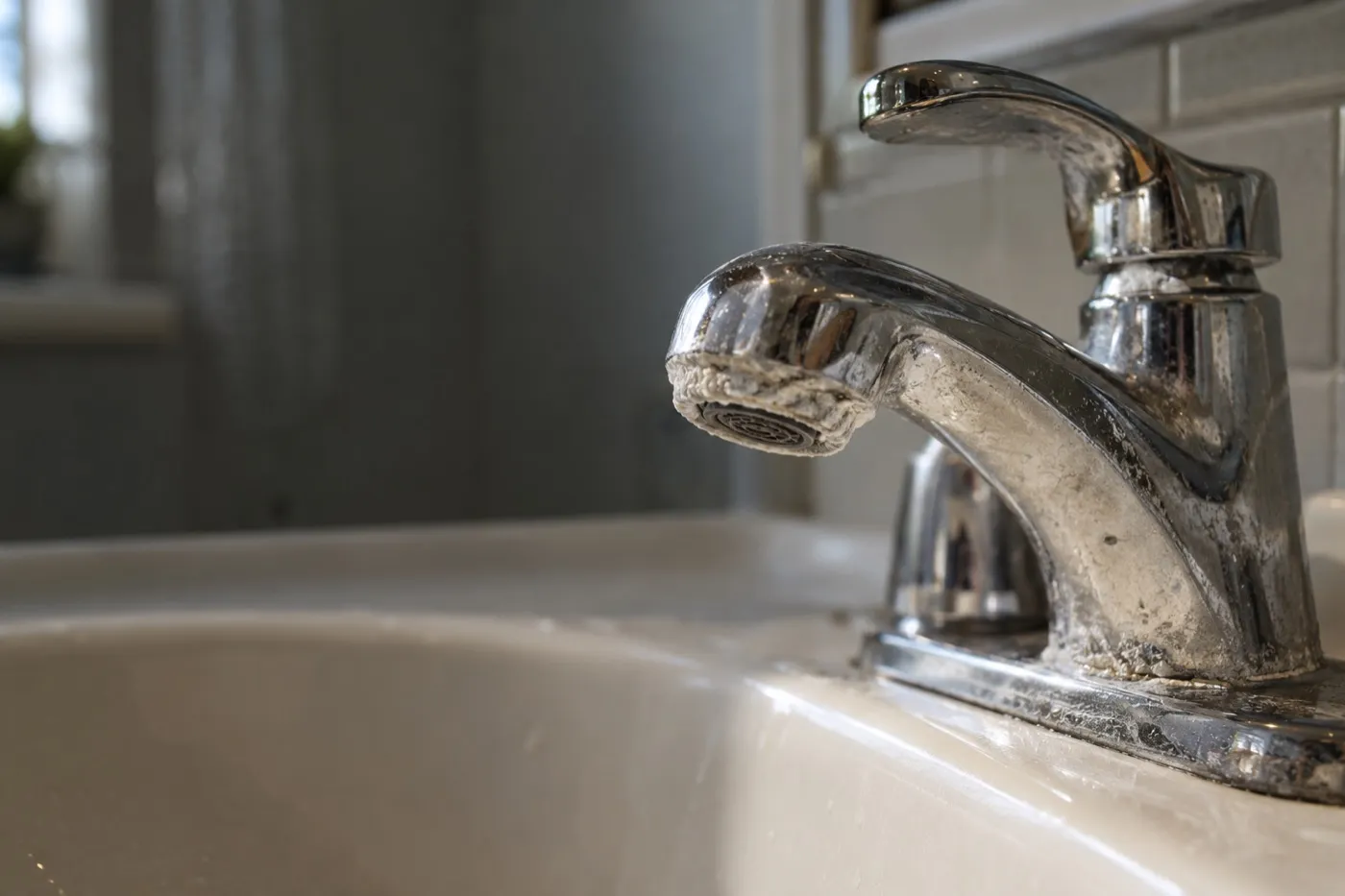
- Bits of grit or white flakes in faucet screens
How to flush a water heater safely
Step 1: Read the manufacturer's instructions
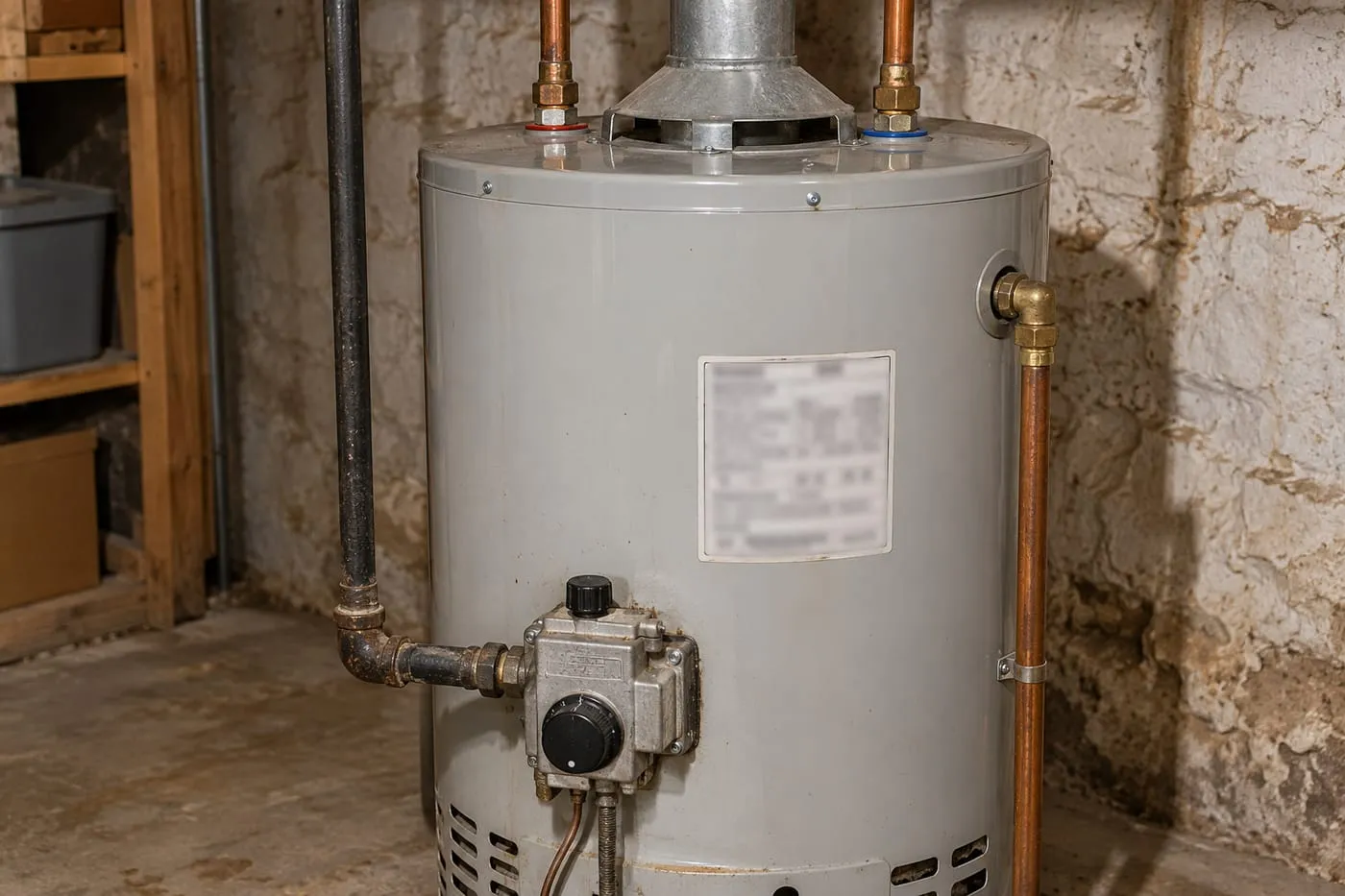
Flushing steps differ by model, so start with the manual and the labels on the tank. If you've lost the manual, the model number on the rating plate will help you find it.
Step 2: Look at the age and the drain valve
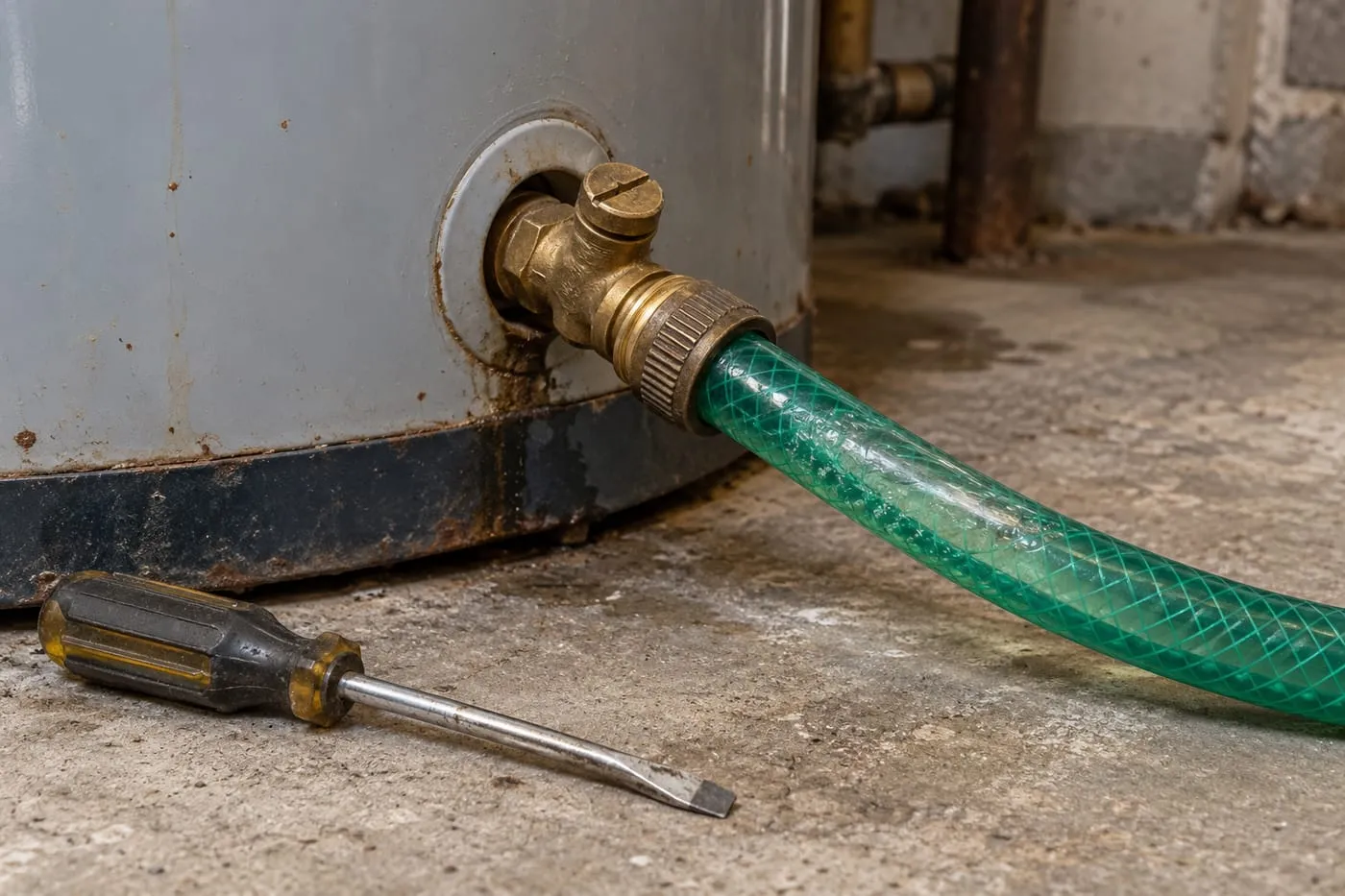
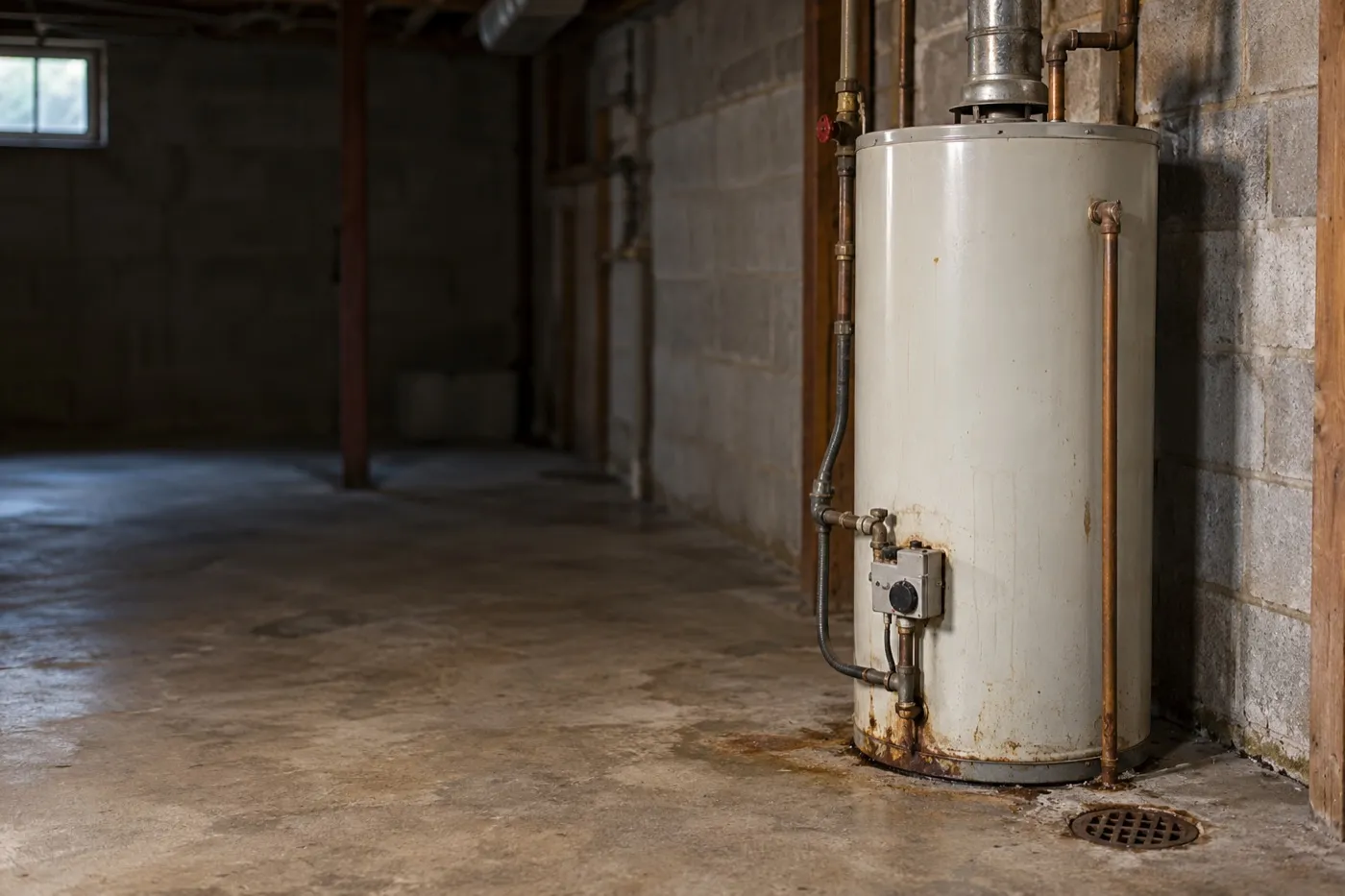
Find the valve near the bottom of the tank and look at it without opening it. Old valves, plastic ones especially, can crack or refuse to close again. If yours is crusted or dripping, or the heater is 10 years or older and has never been flushed, leave it closed and call us.
Step 3: Find the cold water valve
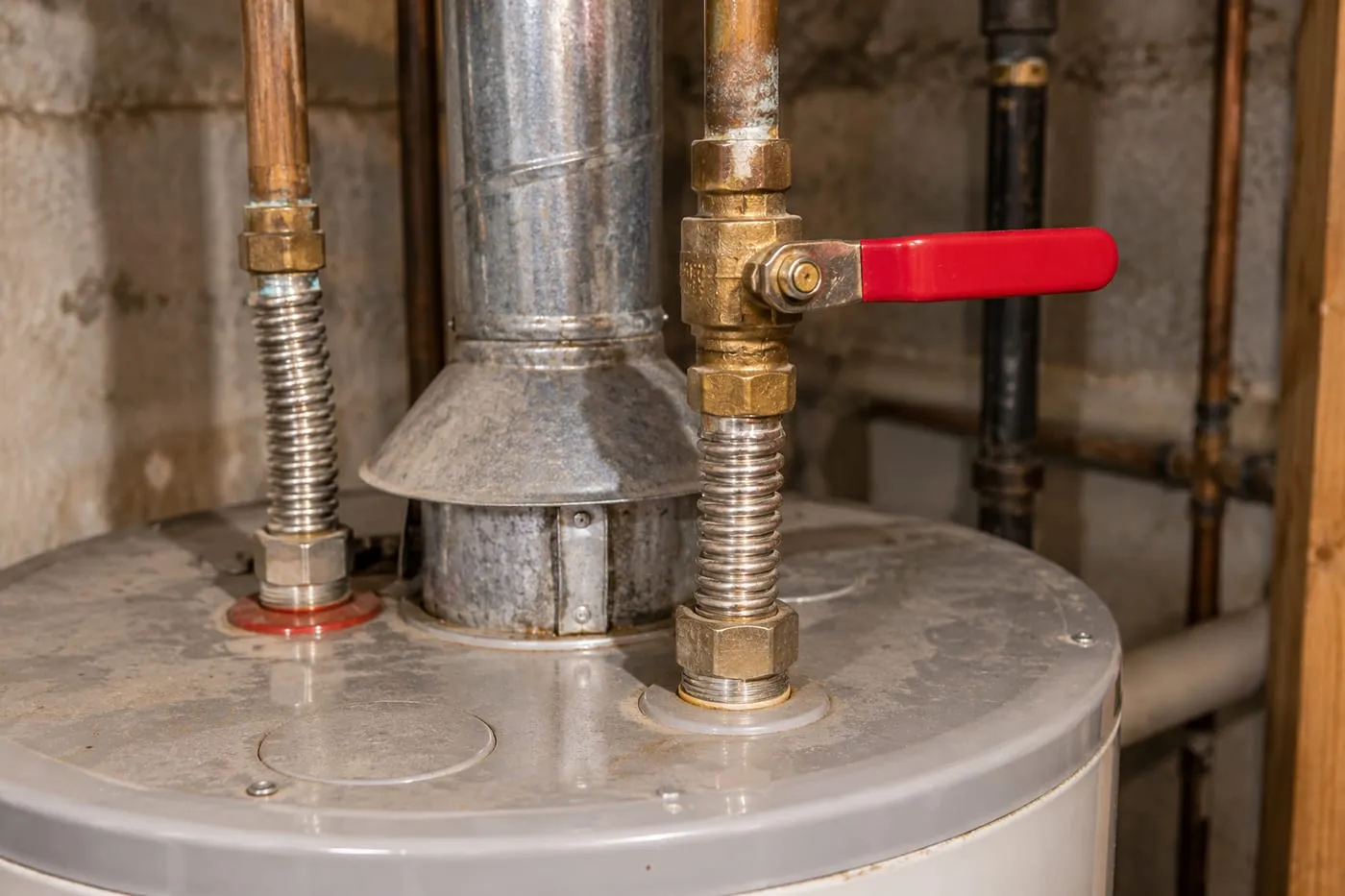
Find the valve on the cold water pipe going into the top of the tank, and make sure you know how it closes. That's your shutoff if the tank or a fitting starts to leak.
Step 4: Work out where the water would go
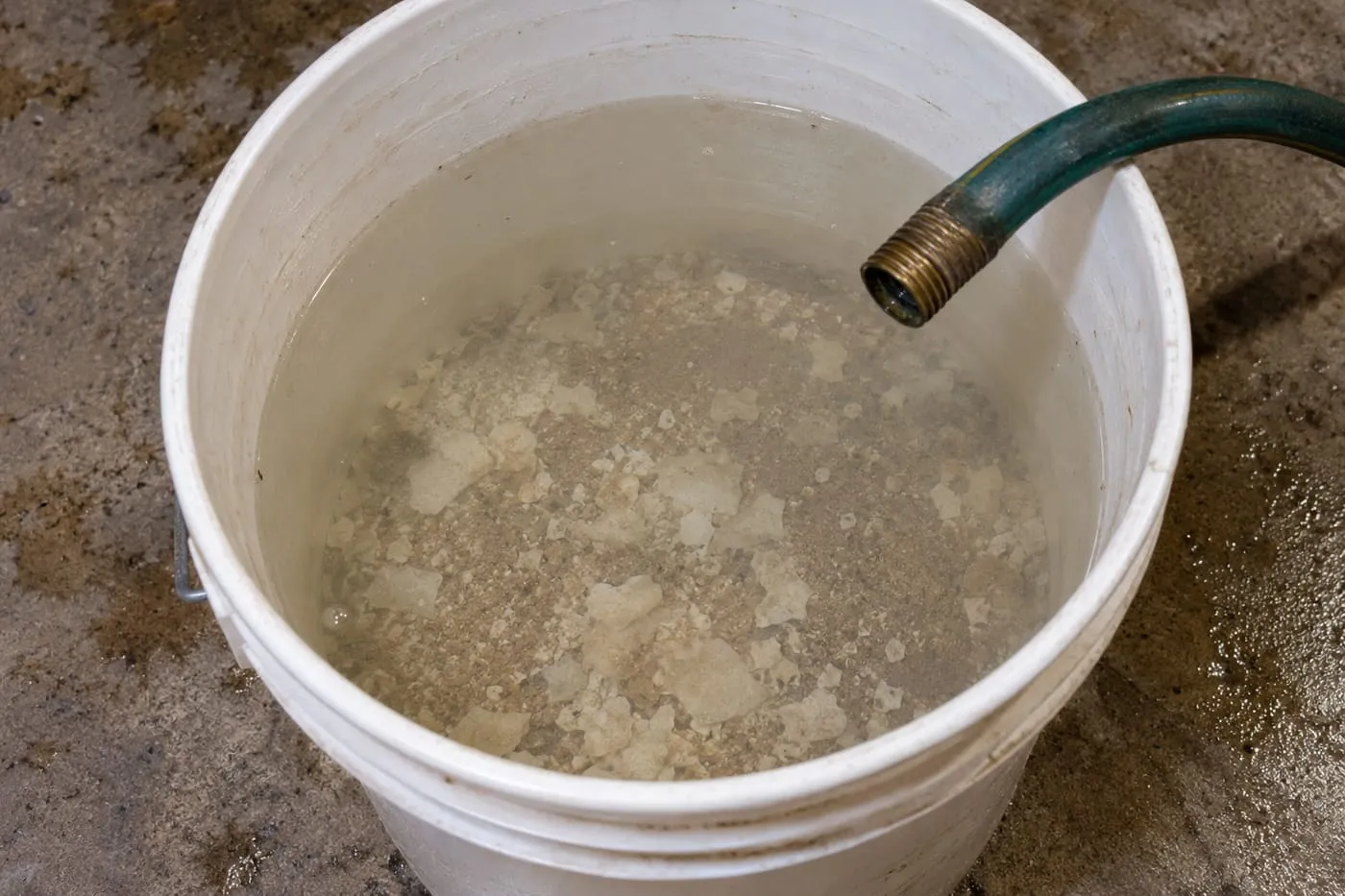
Follow the manufacturer's instructions and approved drainage and disposal practices. Do not drain water heater sediment into a sump pit.
Step 5: Call if anything is uncertain
If you can't find the instructions, can't tell how the heater shuts off and restarts, or don't like the look of the valve, stop there and have a professional do it.
What can go wrong during a flush
- An aging drain valve. Opening a valve that hasn't moved in years can leave you with a leak you can't stop.
- Scalding water. Water in the tank and the hose can be hot enough to burn, and it stays hot for hours.
- Dry-firing electric elements. An electric heater powered on before the tank is full can burn out its elements.
- Relighting gas. Never relight a gas appliance contrary to its labeling. If you smell gas, leave immediately and call 911 and the gas utility from outdoors.
What a yearly service from a plumber covers
On a service visit we can flush the tank following the manufacturer's instructions. We also check the parts that are harder to see:
- The anode rod, which protects the tank from rusting from the inside
- The temperature and pressure relief valve, the safety valve on the side of the tank
- Gas connections, venting and combustion air on gas heaters
- The expansion tank and shut-off valves
- The thermostat setting
When the problem isn't sediment
A flush won't fix a tank that's leaking, a pilot that won't stay lit, a rotten-egg smell or a heater that's simply worn out. Many tank water heaters last somewhere around 8 to 12 years, though that varies with water quality, maintenance and installation. If yours is older and acting up, see our water heater cost guide and our water heater service page, or call 908-873-6686. Written upfront flat-rate pricing options. You choose. Not hot enough? Read about adjusting the temperature.
Get tips and reminders
New guides and seasonal reminders. A few emails a year.
Stop and call us if
- The drain valve is old, plastic, crusted or dripping.
- Water is leaking from the bottom of the tank itself.
- The hot water is rusty or smells like rotten eggs.
- The heater is 10 years or older and has never been flushed.
- The label says not to relight it yourself, or you're not sure how it restarts.
Call 908-873-6686.

Michael Holt
Owner and operator of Plumbing Doctor, NJ Master Plumber (Lic. #36BI01345600) and U.S. Marine Corps veteran.
More about Mike