Pipe Burst? What to Do Right Now in 6 Steps
By Mike Holt, NJ Master Plumber · October 31, 2026 · 6 min read · Updated November 1, 2026
Quick answer
When a pipe bursts, shut off the main water valve right away if you can reach it safely, then open the lowest faucets to drain the lines. Keep away from water near outlets or the electrical panel. Call a plumber, photograph the damage for insurance from a safe spot and start drying within 24 to 48 hours to limit mold.
- Difficulty
- Emergency
- Time
- First 15 minutes matter most
- You need
- Flashlight, buckets, towels, phone camera
Rather not risk it? A licensed plumber can handle this for you, with written upfront flat-rate pricing options before any work starts.
Water spraying right now? Go straight to step 1 and close the main water valve, then call us. 908-873-6686
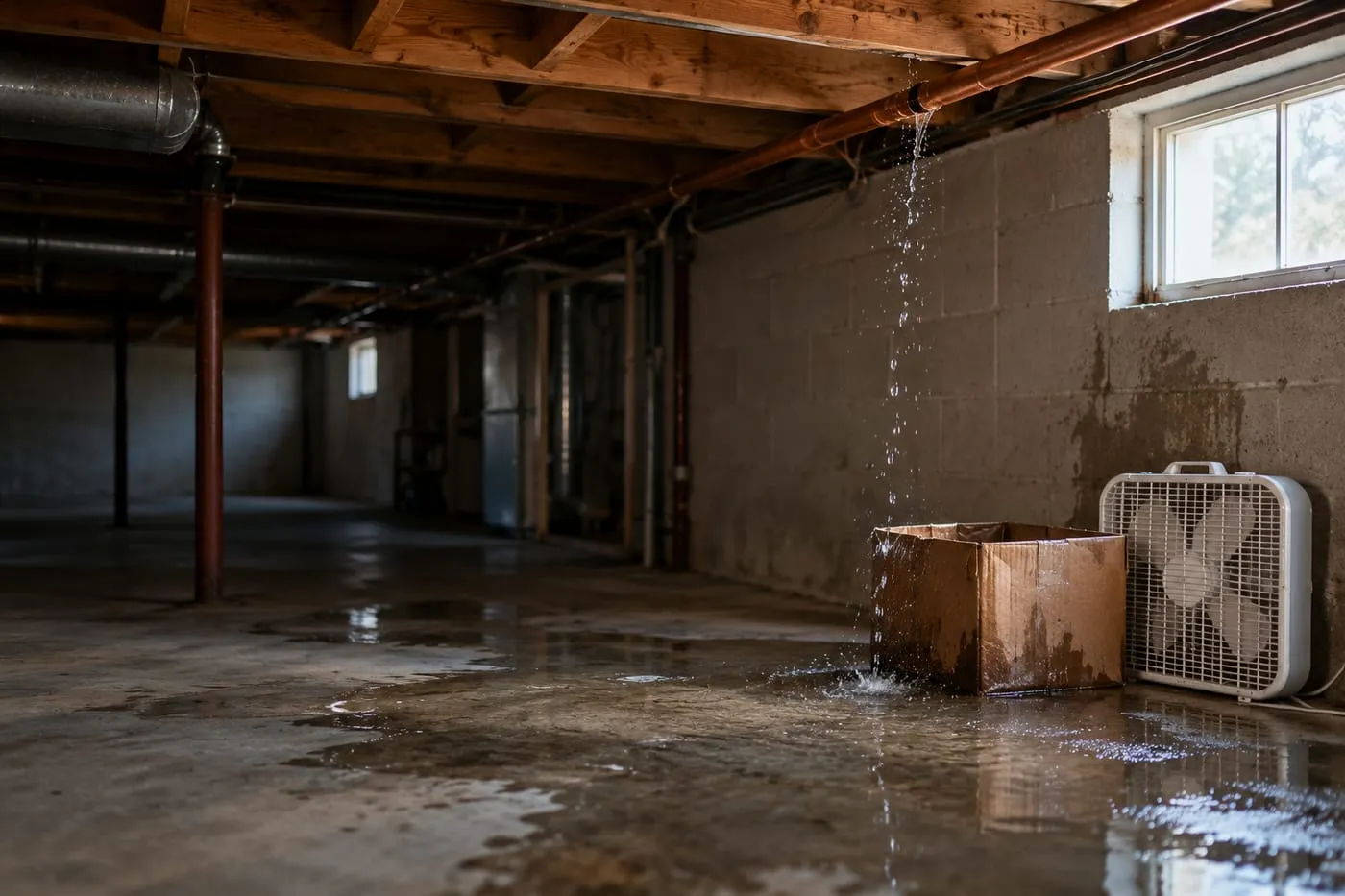
A burst pipe can put several gallons a minute into your home, so the first few minutes count more than anything else. The steps below are in the order a plumber would do them. Skip anything you can't do from a safe, dry spot.
What to do when a pipe bursts
Step 1: Shut off the main water valve
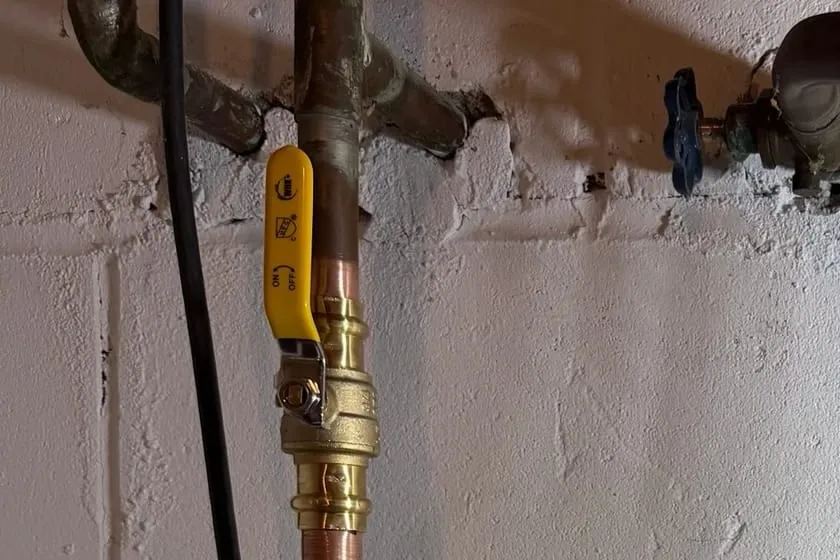
Close the main valve before you do anything else, even before mopping. It stops new water from reaching the break.
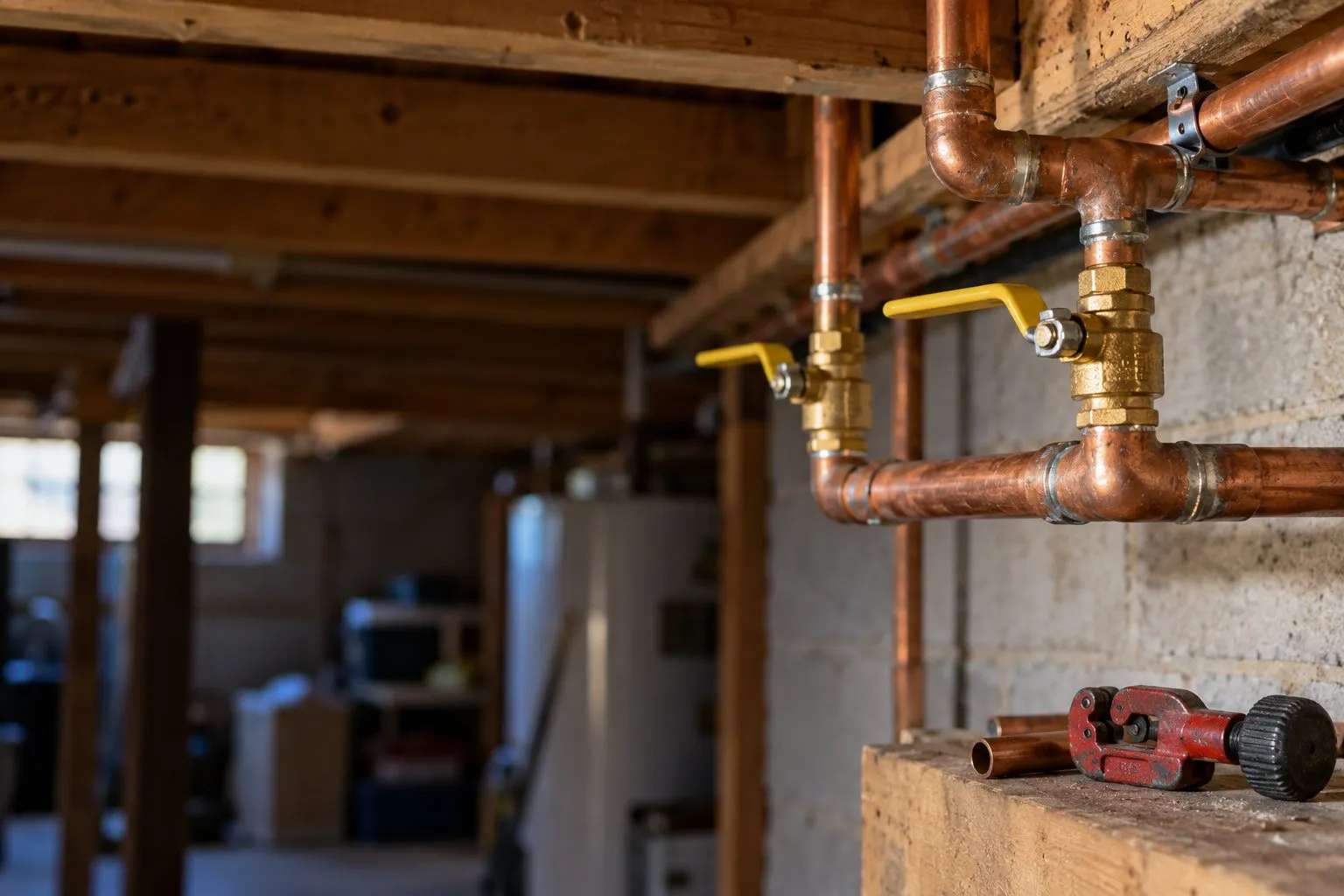
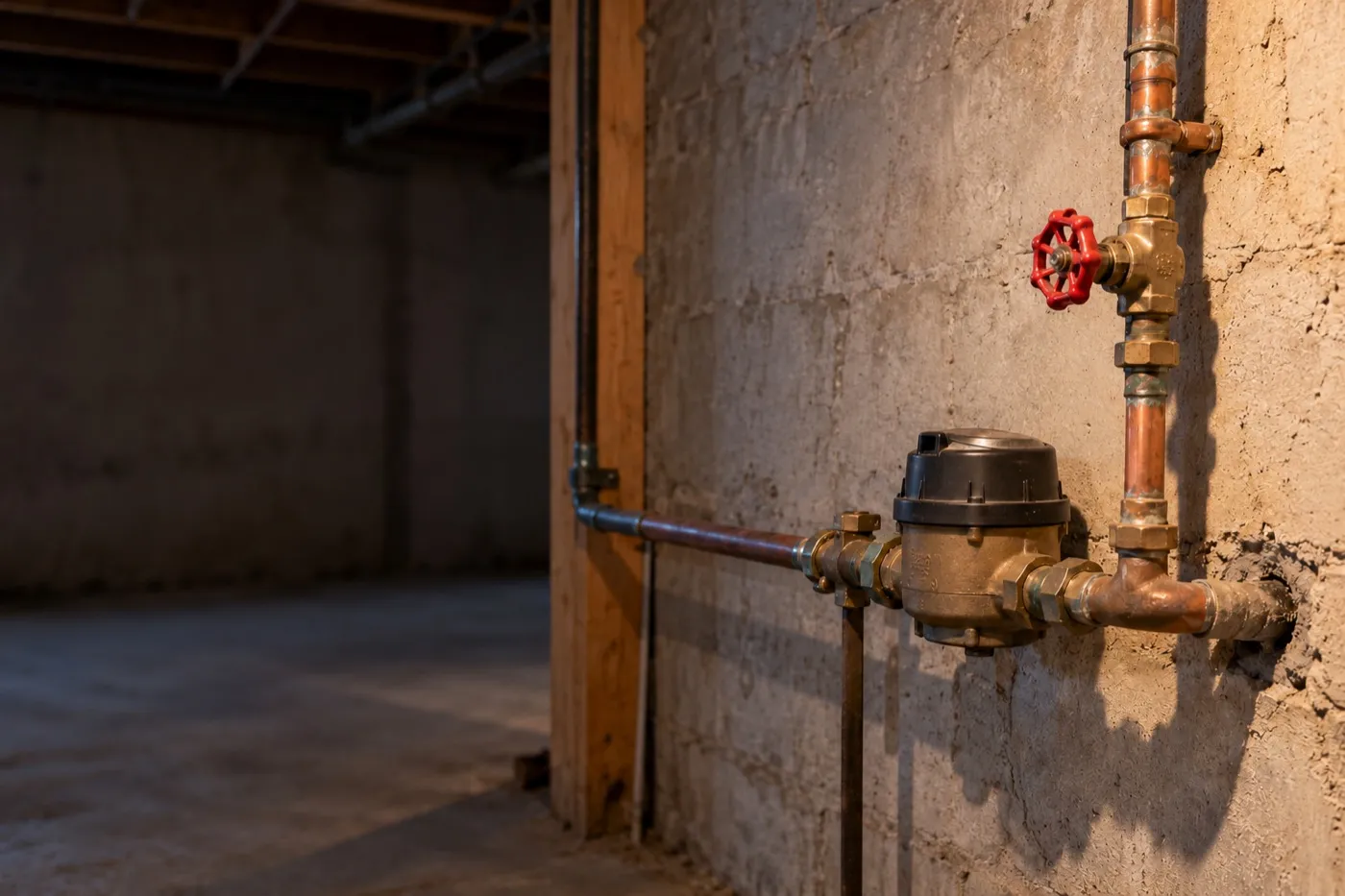
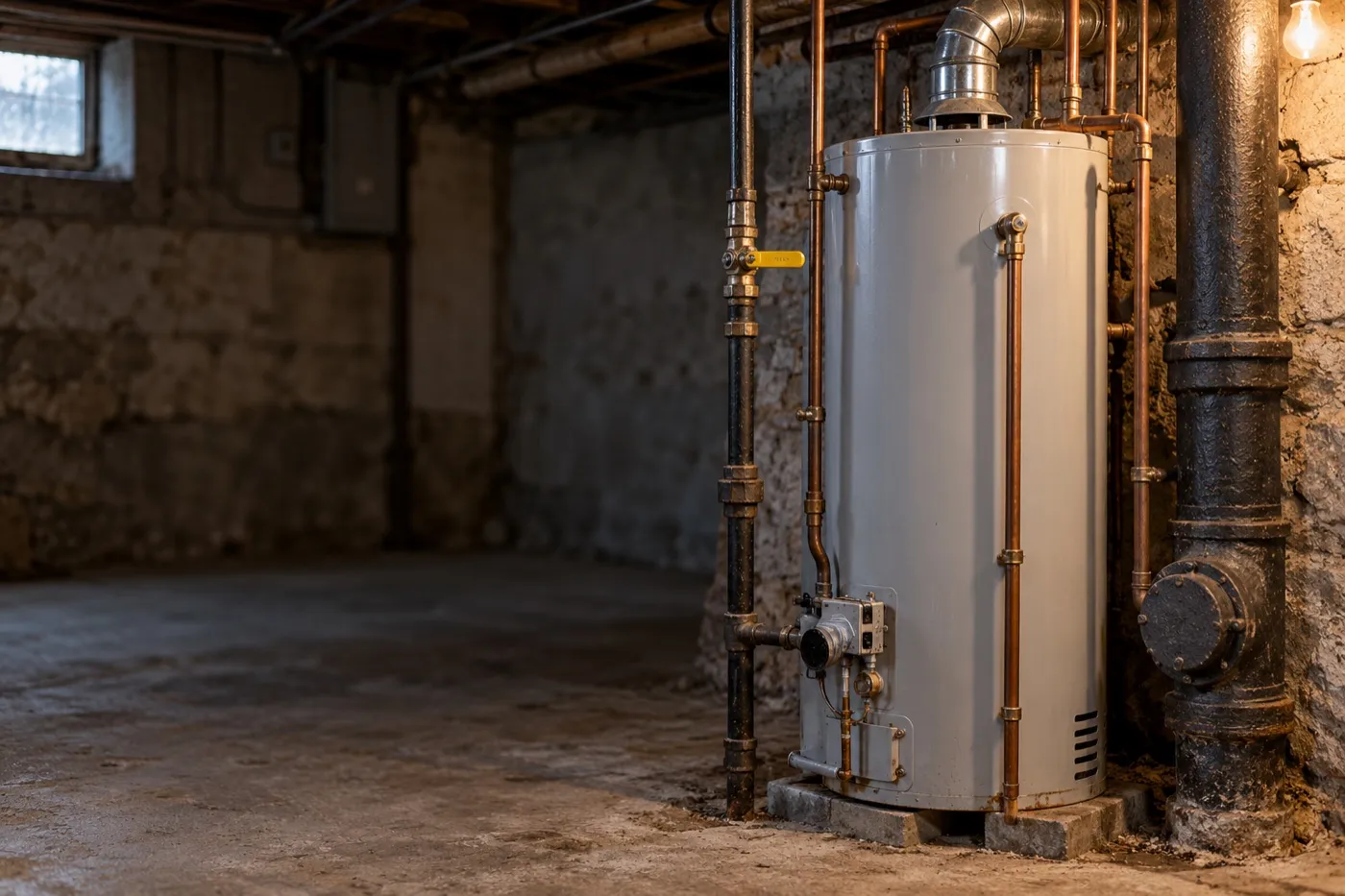
In most Central New Jersey homes the main is in the basement or crawl space, where the water line comes through the foundation wall, right before or after the water meter. A lever valve (like the yellow one above) closes with a quarter turn so the handle sits across the pipe. A round handle turns clockwise until it stops, usually several full turns.
How you know it worked: the spraying slows to a dribble within a minute as the pipes lose pressure. If water keeps flowing hard, the valve isn't fully closed or it's worn out. Call us and say the main won't shut; your water company can also close the curb valve.
Don't force an old round valve with a wrench. Old gate valves snap, and then you have a worse leak at the main.
Step 2: Turn off the water heater if it's safe
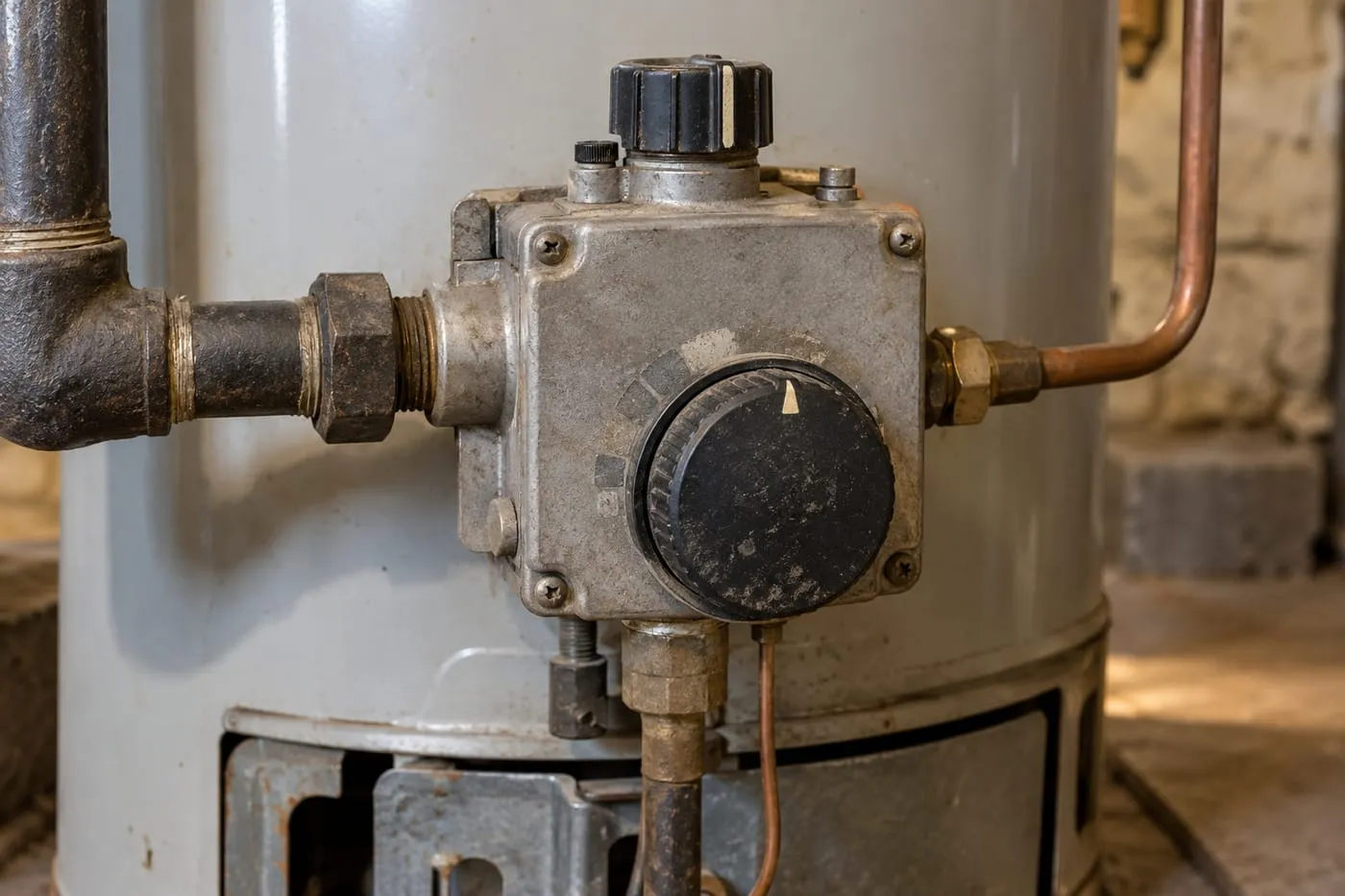
With the main off, no new water reaches the tank. A heater that keeps firing can overheat or, if the tank drains through the break, run dry and burn out its elements.
Only do this from a dry floor, and not if you smell gas. On a gas heater, set the control as its label directs. On an electric heater, switch off its breaker in the panel, usually a double breaker labeled for the water heater.
Have a plumber confirm the tank is full before it goes back on, and never relight a gas heater contrary to its label.
Step 3: Open the lowest faucets to drain the lines
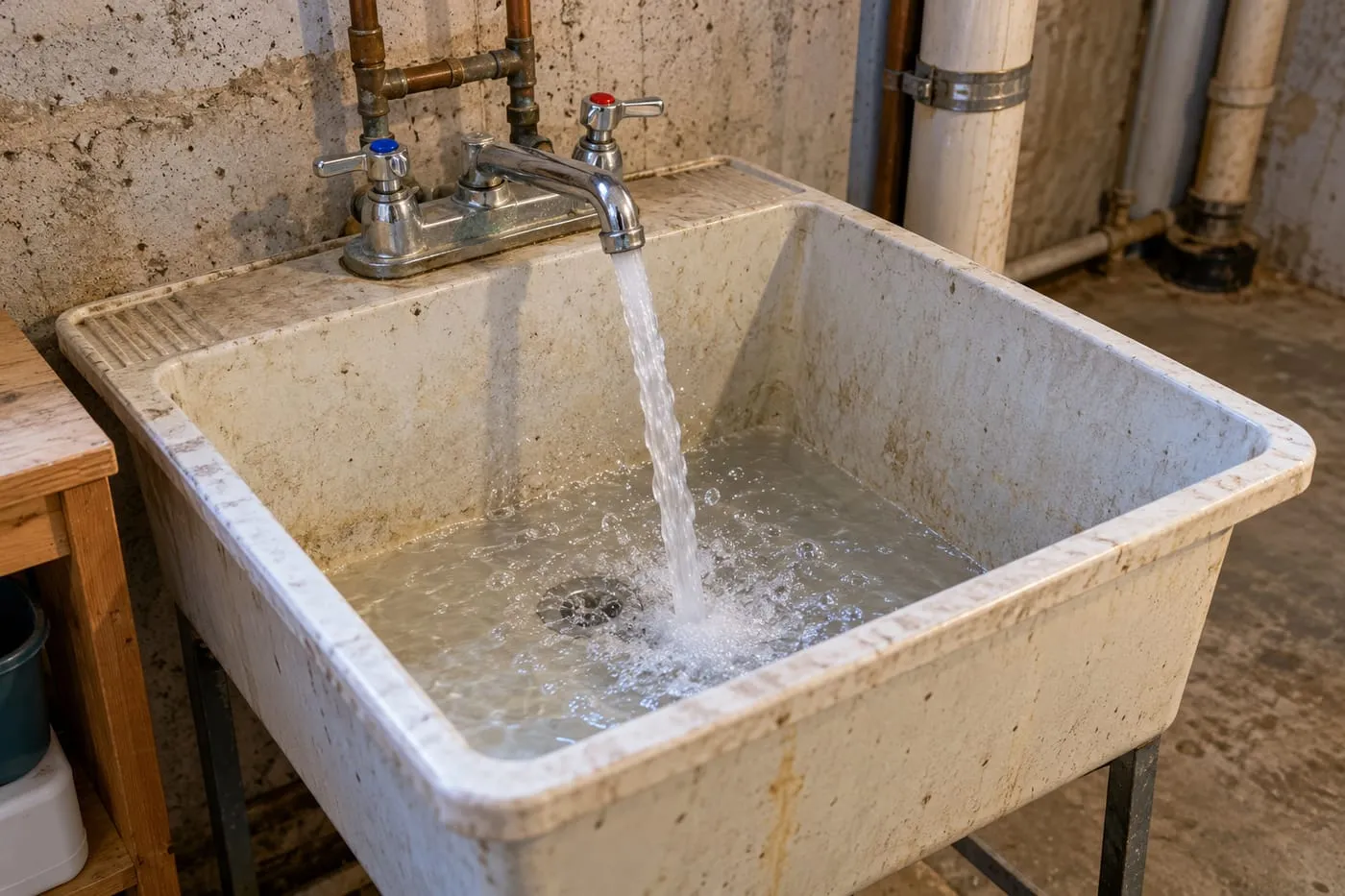
Water still sitting in the pipes will keep leaking out of the break until it drains. Open a cold faucet on the lowest floor, such as a basement utility sink or an outdoor faucet, so it drains there instead of onto your floor. Then open a faucet upstairs to let air in, which helps the lines empty faster.
You'll see water run hard for 30 seconds to a couple of minutes, then slow to nothing. Flush each toilet once too; the tanks won't refill while the main is off.
Step 4: Stay clear of water and electricity
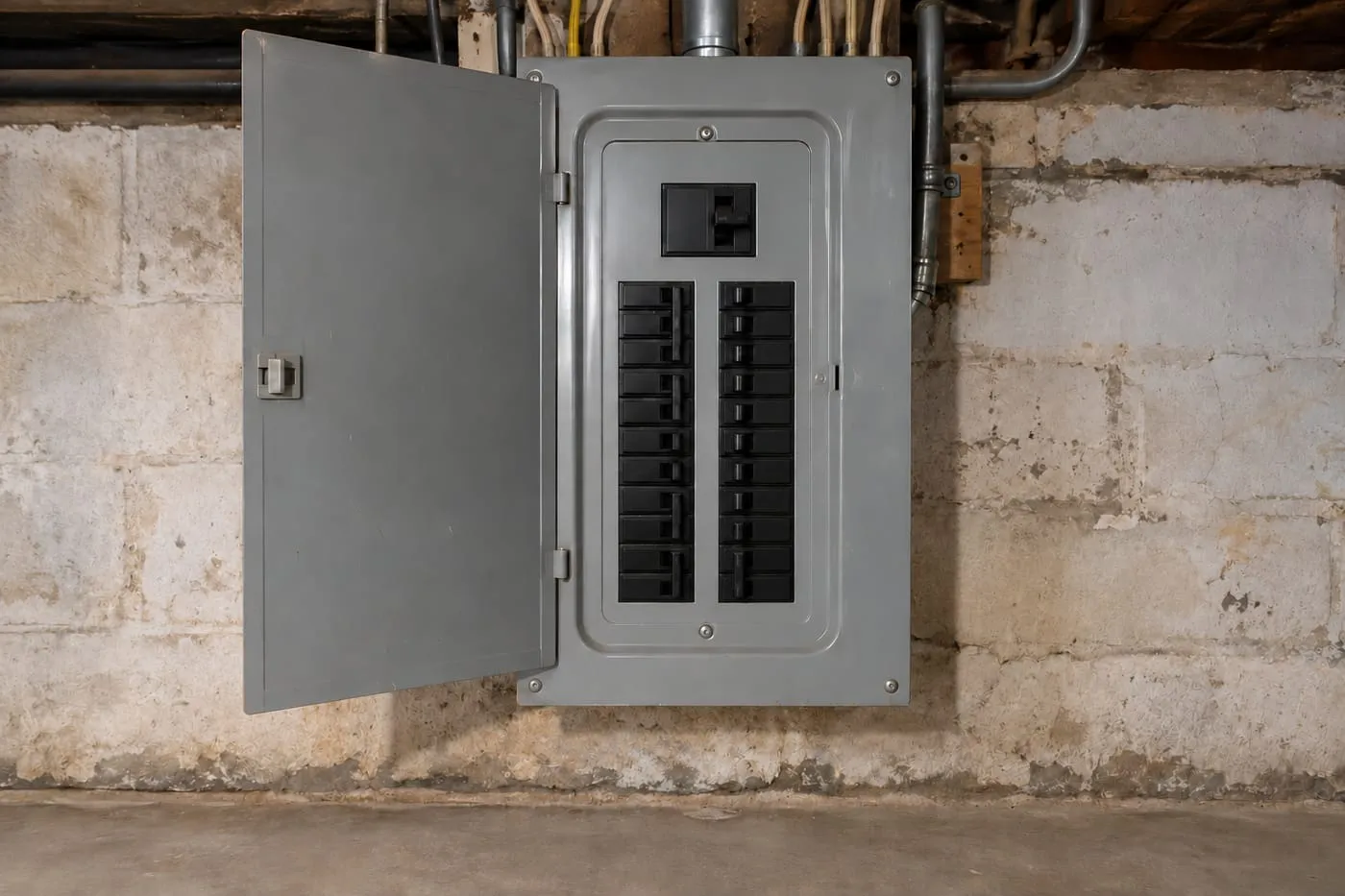
Water conducts electricity, so wet outlets, power strips and appliances are the real danger in the first hour. If water is near any of them, turn off the breakers for that area.
Only do this if you can reach the panel while standing on dry ground. If the floor around the panel is wet, stay out of the room and call an electrician or your power company. Unplugging a soaked appliance by hand isn't safe either; switch the circuit off first.
Step 5: Call a plumber
Call us at 908-873-6686. Tell us where the break is, whether the main is off and if water reached anything electrical.
Outside regular hours, emergency service requires a $250 upfront emergency fee. When paid, the standard $49 service fee is waived. During regular hours there is no emergency fee. Additional repairs are quoted before work begins. We respond immediately upon contact; dispatch and arrival depend on availability and location. Our emergency plumbing page has more. If the problem can wait until morning once the main is off, we'll tell you so.
Step 6: Document the damage and start drying
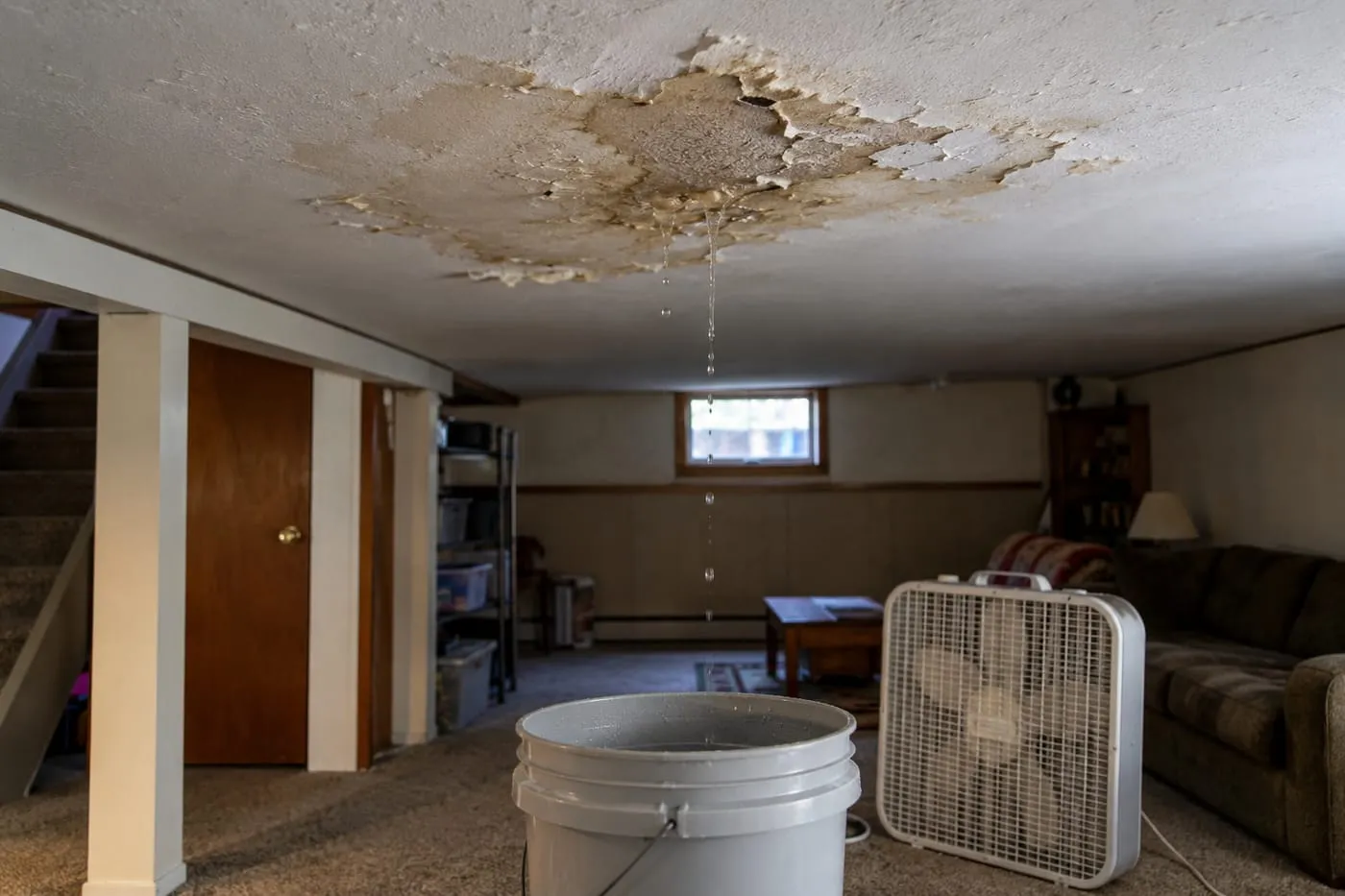
From a safe spot, take photos and video of the break and every wet area before you move or throw anything out. Insurers want to see the damage as it was. Keep receipts for emergency repairs, fans and drying.
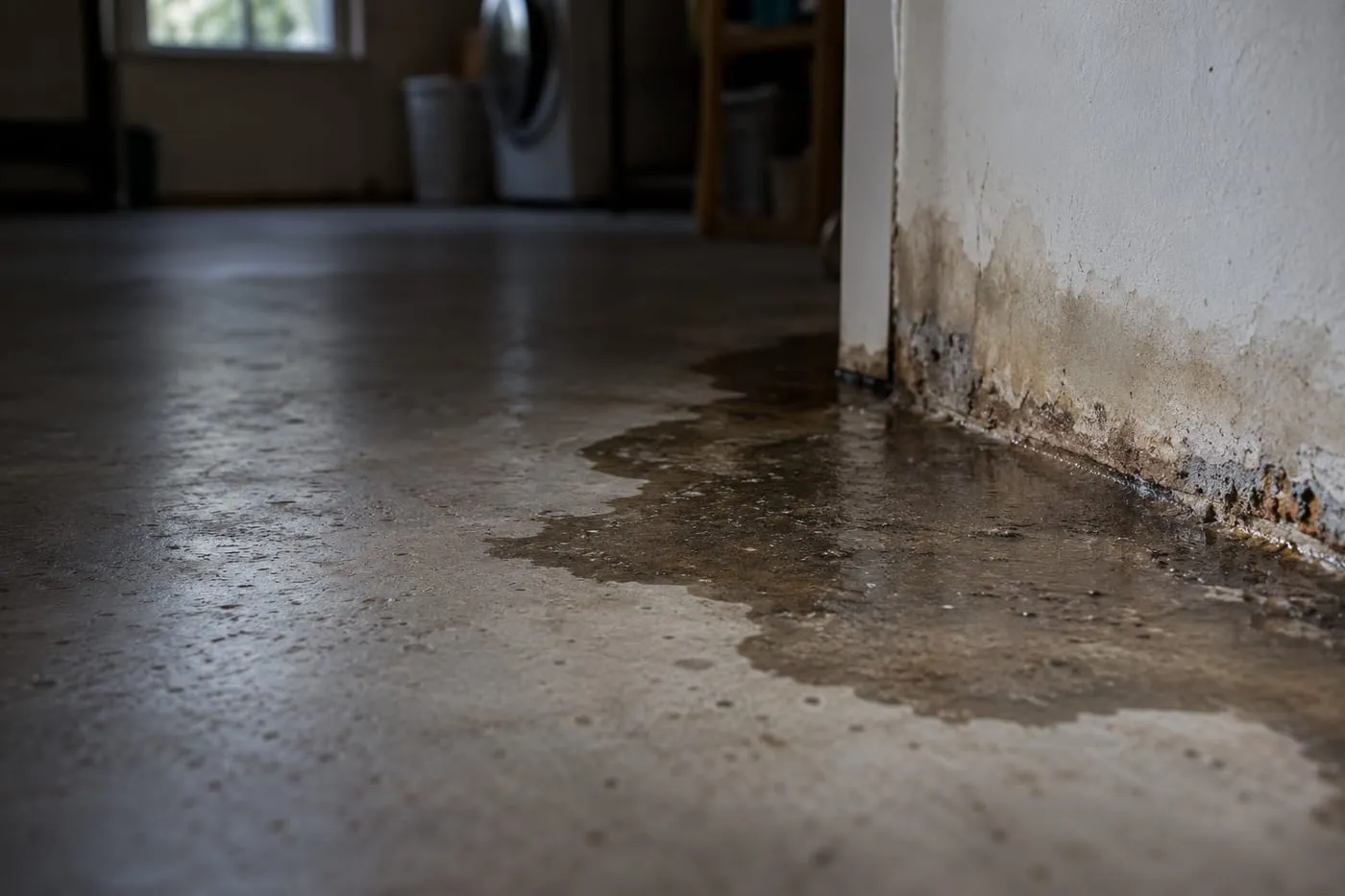
Then, once it's clear of electrical hazards, move valuables out, soak up standing water and run fans and a dehumidifier. Mold can start growing on wet drywall, carpet and wood within 24 to 48 hours. A ceiling that sags or bubbles like the one above may be holding water, so stay out from under it and tell us when you call. If more than a small area got soaked, or water got inside walls, call a water damage restoration company.
Where do pipes usually burst?
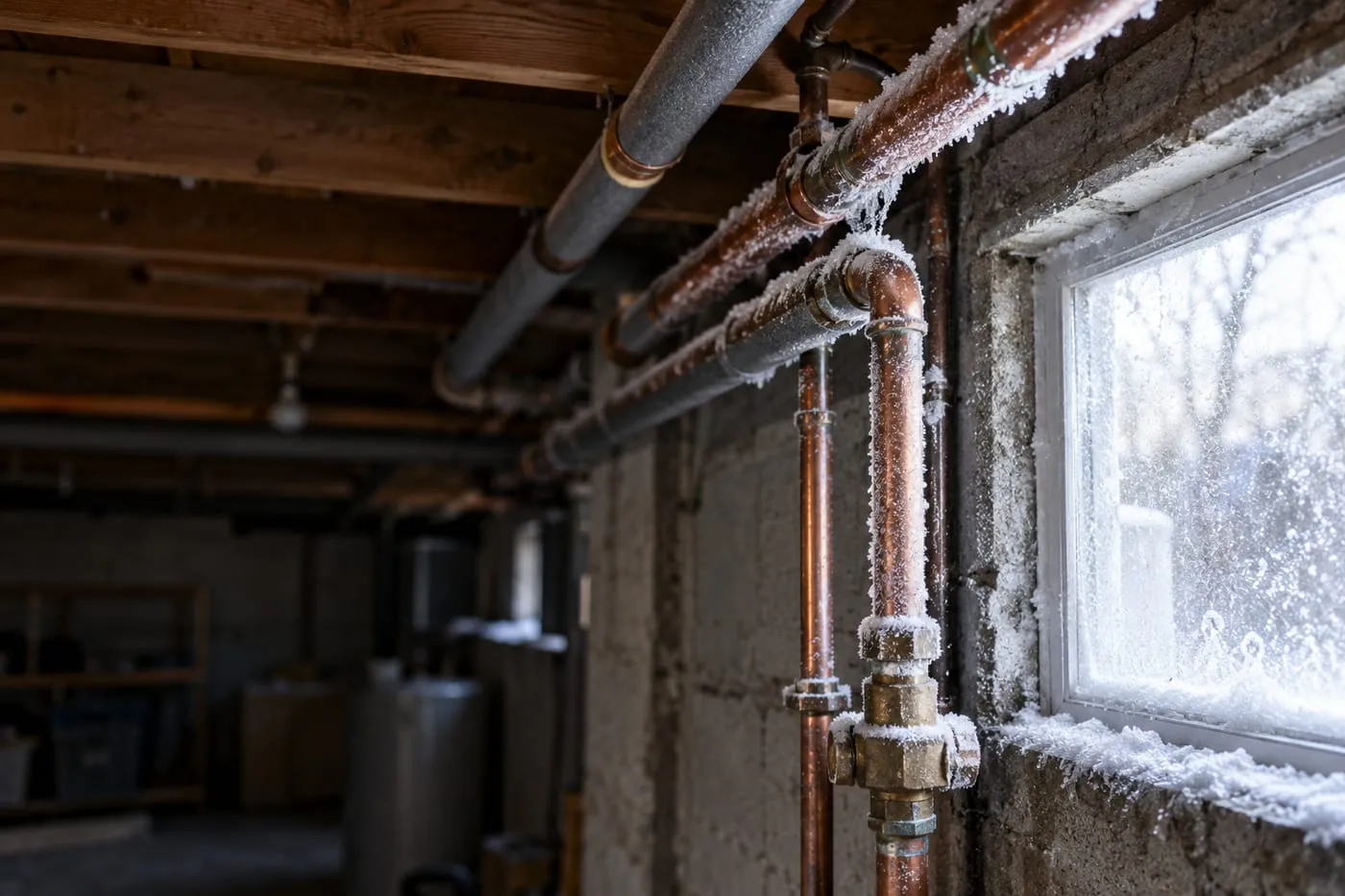
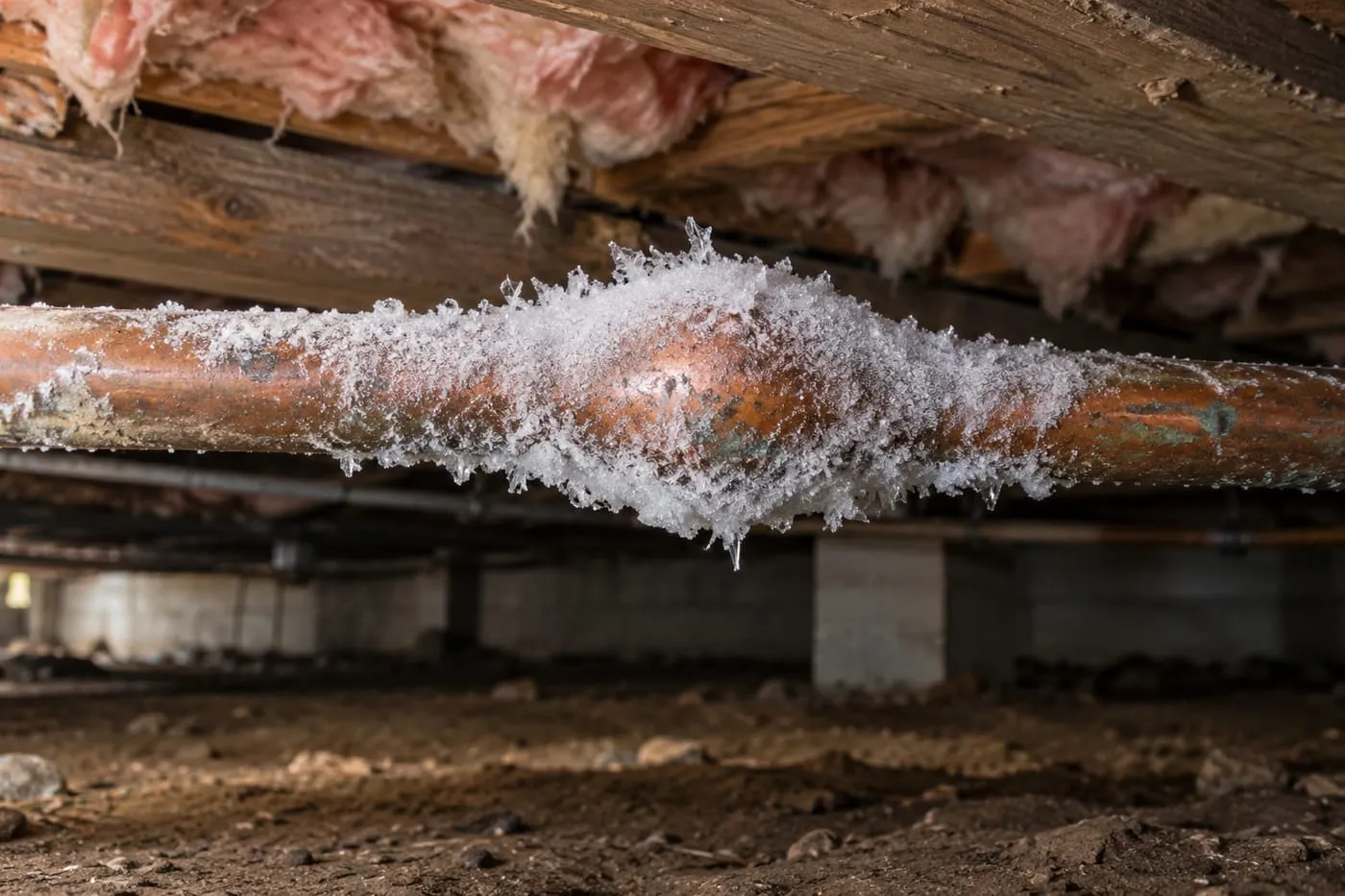
Pipes burst most often where they run through cold or hidden spaces: exterior walls, garages, crawl spaces, attics and under kitchen sinks on outside walls. In New Jersey, freezing causes most bursts. Corrosion in old galvanized or copper pipe, high water pressure and loose fittings can split a pipe any time of year.
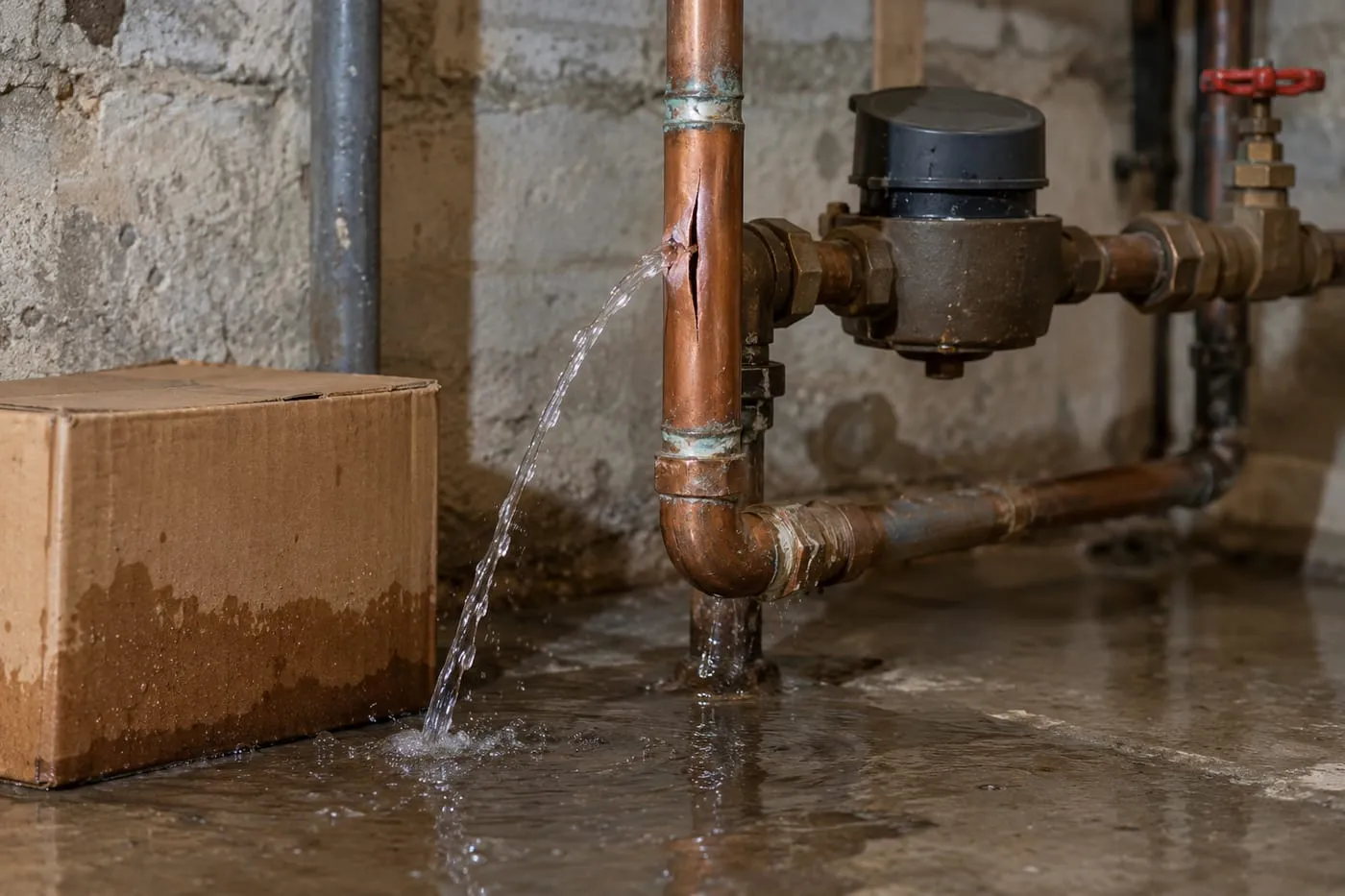
A frozen pipe often splits a few feet away from the frozen section, because pressure builds between the ice and a closed faucet. That's why the leak sometimes shows up only after the pipe thaws.
How can you tell if a pipe burst where you can't see it?
A hidden break shows up as a water bill that jumps for no reason, a stain spreading on a ceiling or wall, bubbling paint, a musty smell, warm spots on a floor, or the sound of running water when nothing is on.
The water meter test is the surest check. Turn off every faucet and appliance that uses water, then look at the meter's small leak indicator (often a red or black triangle or dial). If it's turning, water is going somewhere. Call us for leak detection; we find hidden water with moisture meters and thermal cameras before opening walls.
Common mistakes after a pipe bursts
- Mopping first and shutting off the water second. Every minute the main stays open adds water.
- Turning the main back on to "see where it's leaking." Leave that to the plumber with the break already exposed.
- Walking through water near outlets or the panel.
- Waiting to dry out until the insurance adjuster comes. Document, then dry; mold doesn't wait.
- Using a torch or open flame on a frozen pipe nearby. Never do this. It can start a fire inside the wall.
How is a burst pipe repaired?
We cut out the damaged section and replace it with new pipe and fittings, then turn the water back on slowly and check every joint for drips. If the break came from freezing, we check the rest of that run, since one frozen line often has more than one split. If old pipe keeps failing, we'll talk through replacing that section. See pipe and plumbing repair.
How do you keep it from happening again?
Most bursts in New Jersey come from freezing. Insulate pipes in cold spaces, maintain adequate heat and drain outdoor faucets before winter. A thermostat setpoint alone does not prevent every freeze. Our guide to preventing frozen pipes has the full checklist, and how to prevent plumbing emergencies covers leak sensors and washing machine hoses. Knowing where your main shut-off is before you need it is the single most useful thing on that list.
Get tips and reminders
New guides and seasonal reminders. A few emails a year.
Stop and call us if
- Any pipe has burst, even if the main is off and the water has stopped.
- You can't find the main shut-off, or it won't close.
- Water reached outlets, appliances or the electrical panel.
- Water came through a ceiling or soaked into walls you can't see inside.
- It's winter and other pipes in the house may be frozen too.
Call 908-873-6686.

Michael Holt
Owner and operator of Plumbing Doctor, NJ Master Plumber (Lic. #36BI01345600) and U.S. Marine Corps veteran.
More about Mike