How to Prevent Frozen Pipes: 7 Steps Before Winter (and What to Do If They Freeze)
By Mike Holt, NJ Master Plumber · January 13, 2025 · 6 min read · Updated November 1, 2026
Quick answer
Maintain adequate heat, protect exposed piping, and never use a torch or open flame. If a pipe is frozen, leaking, inaccessible or near electricity, shut off water where safe and contact Plumbing Doctor. A thermostat setpoint alone does not prevent every freeze. Insulate pipes in cold spaces, seal drafts and drain your outdoor faucets before the first hard freeze.
- Difficulty
- Simple prevention. Frozen or leaking pipes need a professional
- Time
- 1 to 2 hours, once a year
- You need
- Foam pipe sleeves, caulk, faucet covers
Rather not risk it? A licensed plumber can handle this for you, with written upfront flat-rate pricing options before any work starts.
Pipe already burst? Shut off your main water valve first (step 1 below shows where it is), then call us. 908-873-6686
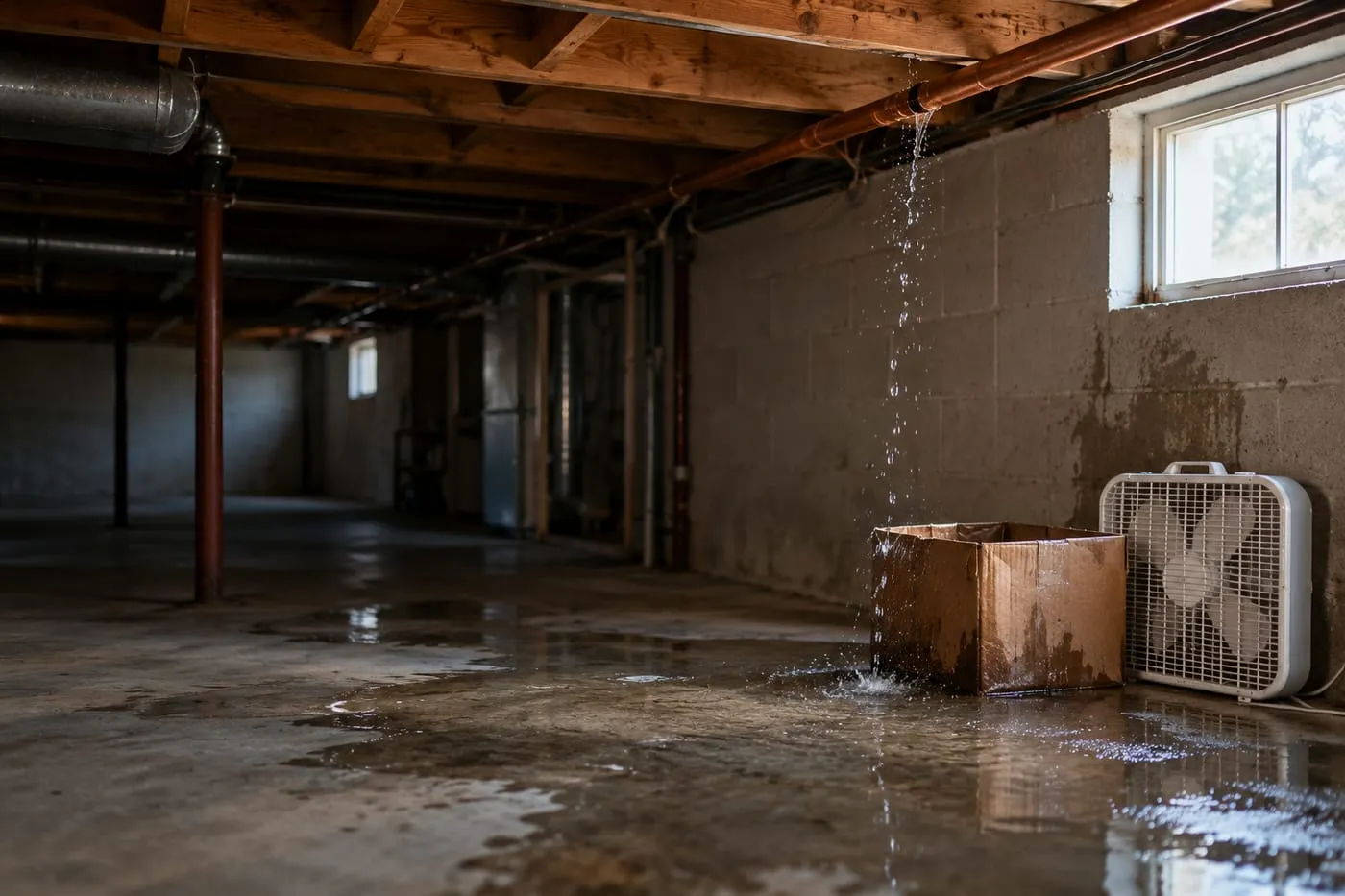
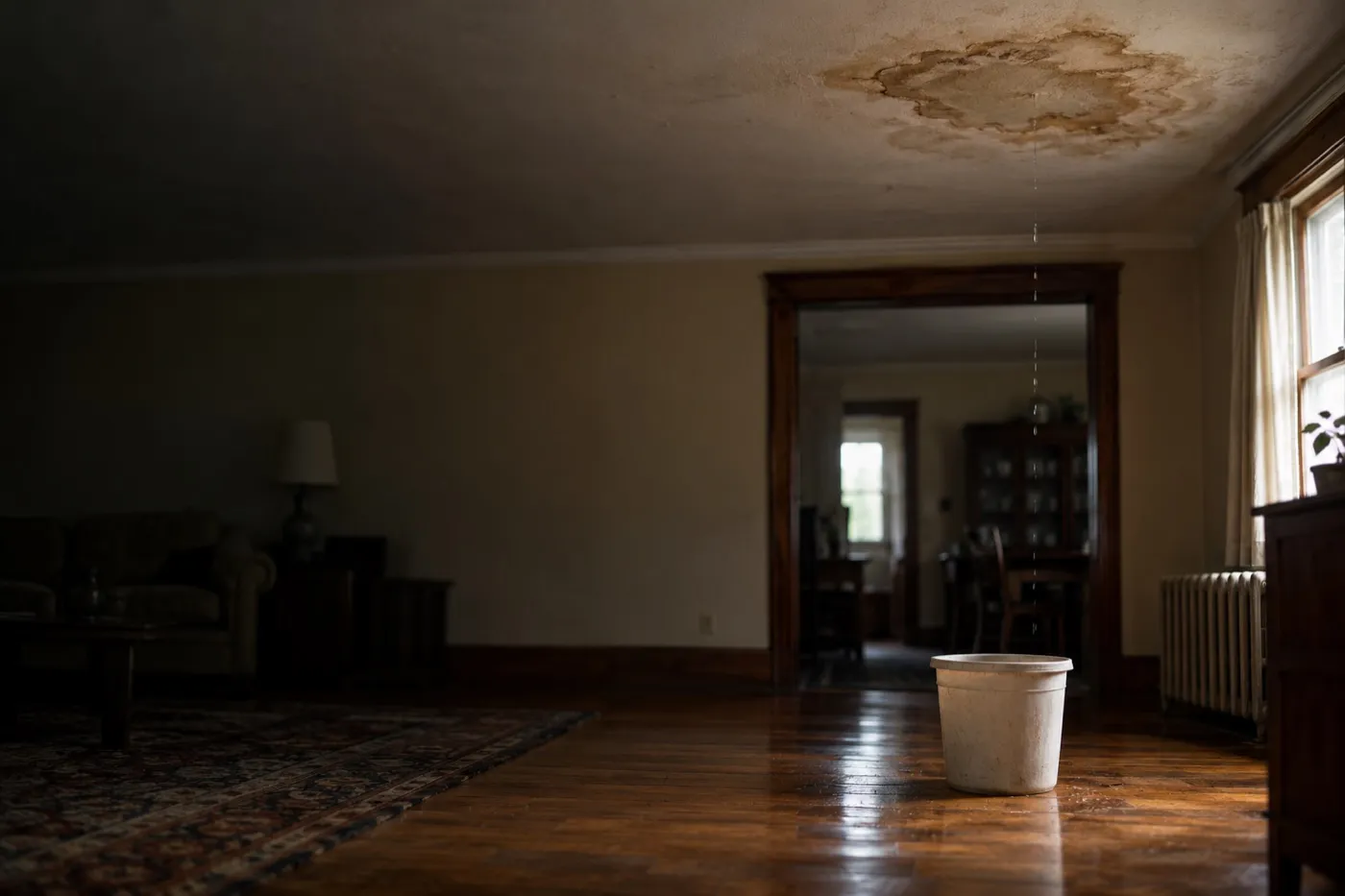
Central New Jersey gets nights in the teens most winters. That's cold enough to freeze a pipe in a garage, a crawl space or an outside wall, and a split pipe can put hundreds of gallons into a basement before anyone notices. These seven steps lower the risk. None of them can rule out a freeze entirely.
Which pipes freeze first?
- Pipes in unheated garages, crawl spaces, attics and basements
- Kitchen and bathroom supply lines on outside walls
- Outdoor faucets and the pipe that feeds them
- Pipes near drafts: a dryer vent, the sill plate, or where a line comes through the foundation
- Any pipe in a house left empty for a few days
Older homes freeze more often because they have less insulation and more gaps.
How to winterize your pipes in 7 steps
Step 1: Find your main water shut-off
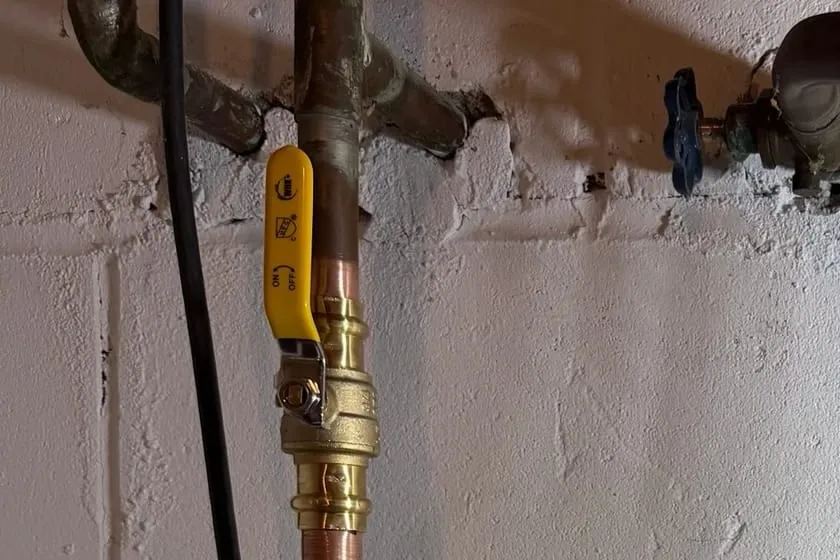
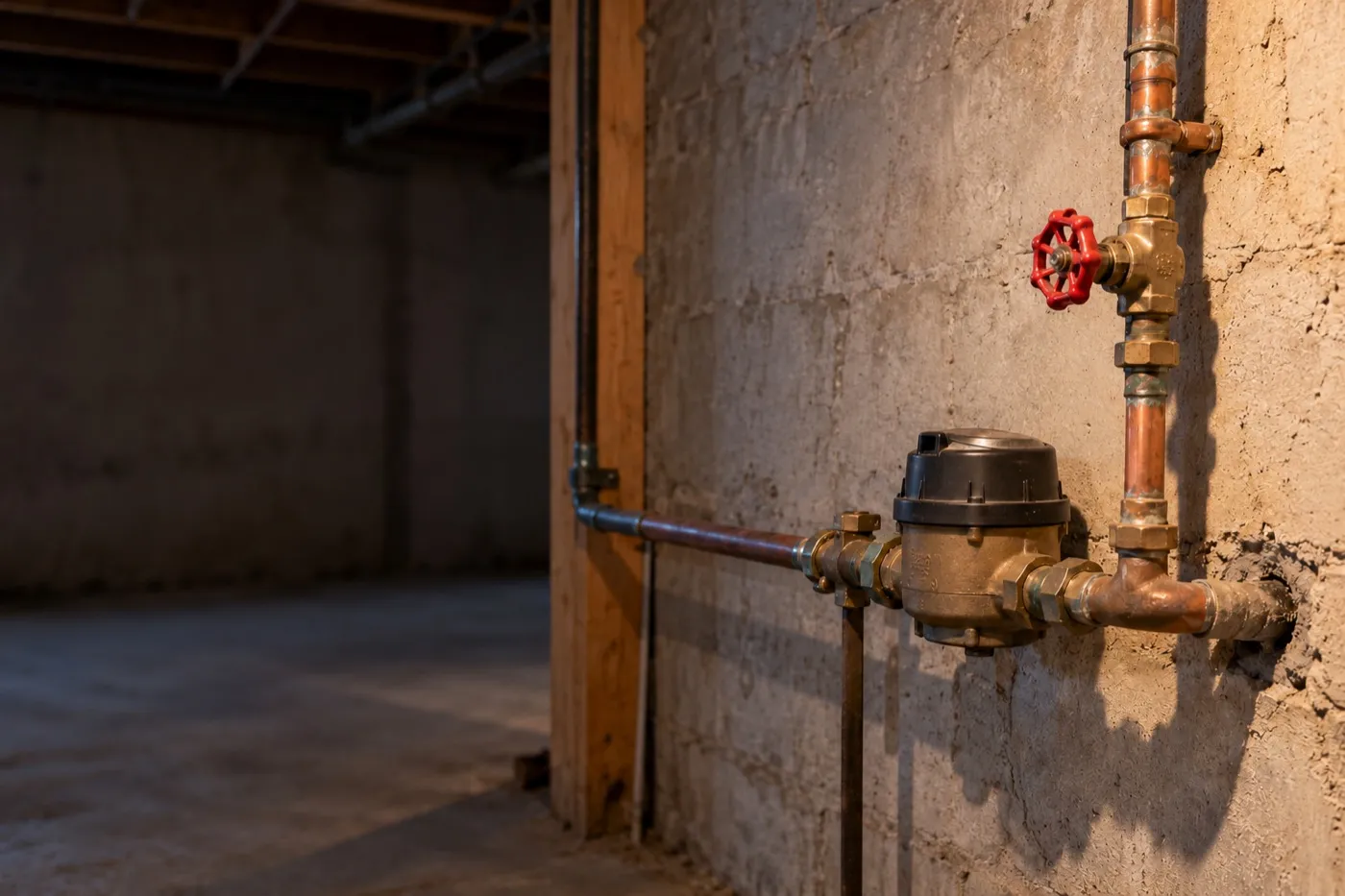
Do this first, so you're ready if a pipe ever bursts. In most Central Jersey homes the main shut-off is in the basement or crawl space, next to the water meter where the line comes through the foundation. A lever valve closes with a quarter turn. An old round-handle valve can stick after years without use, so try it now. If it won't turn, don't force it. We can replace it.
Step 2: Insulate pipes in cold spaces
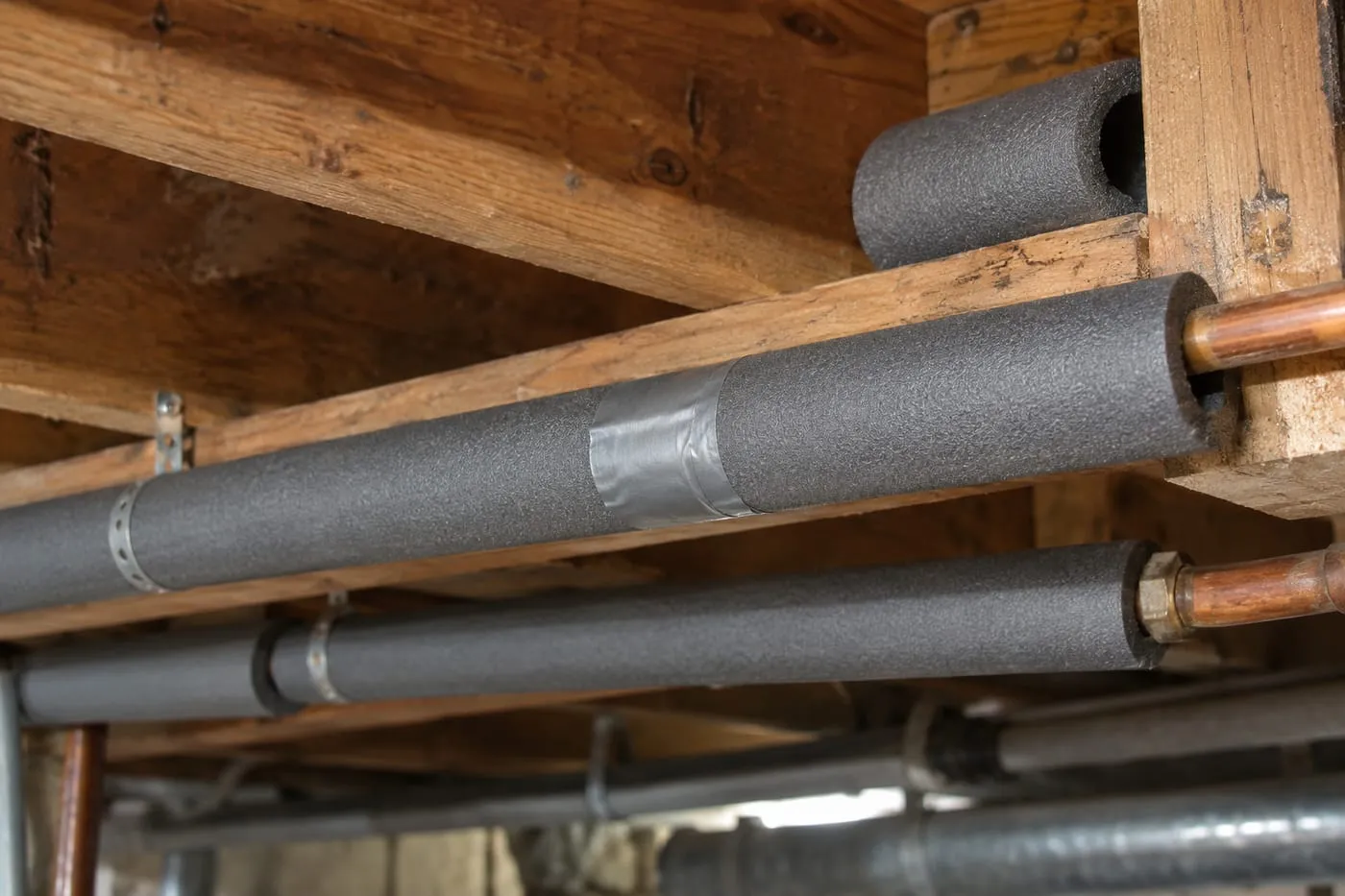
Slip foam pipe sleeves over every pipe you can reach in the garage, crawl space and unfinished basement. They cost a few dollars per length at any hardware store. Tape the seams and the joints. For a pipe that has frozen before, ask us what else makes sense for that spot.
Step 3: Seal the drafts
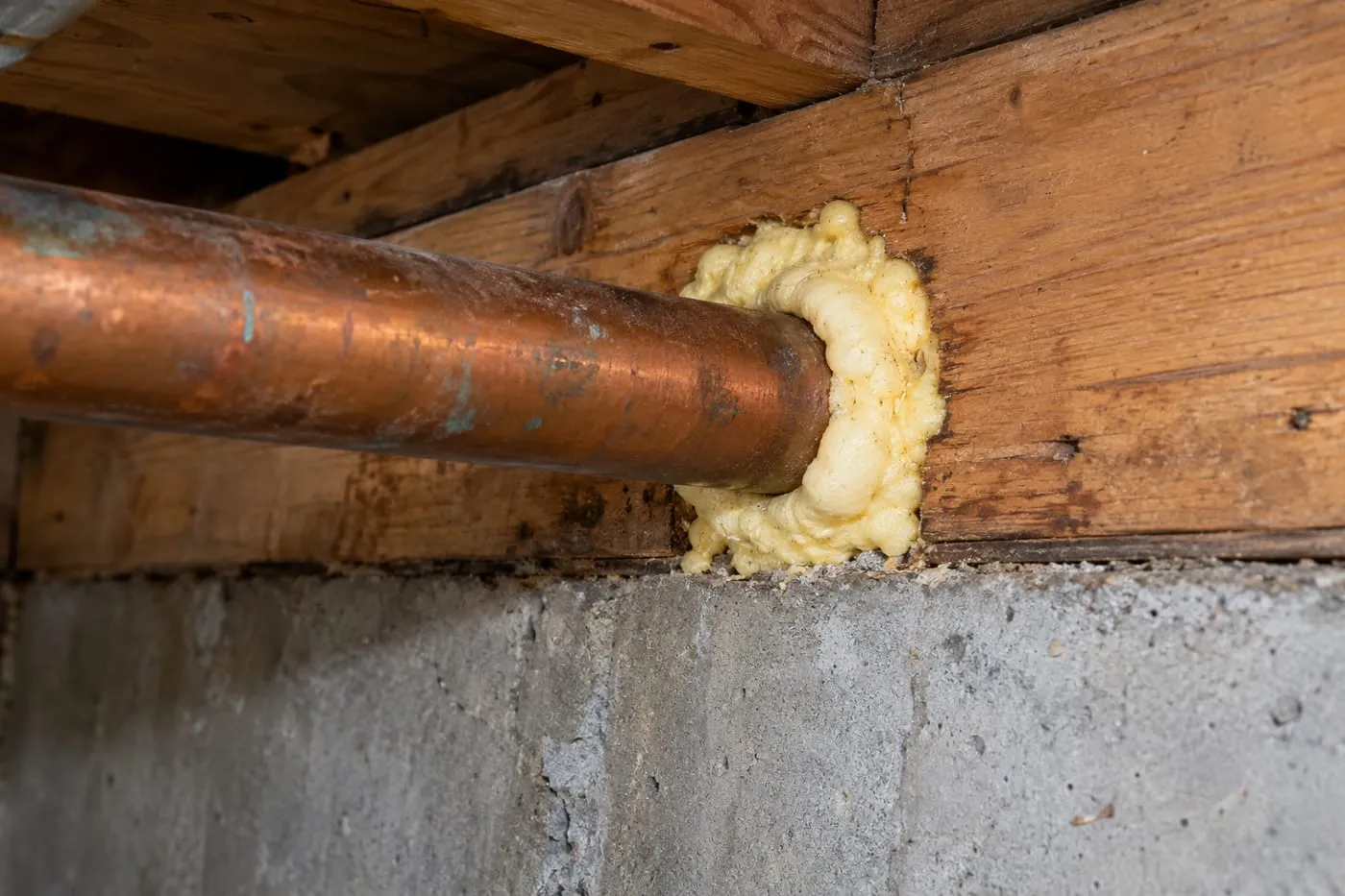
Cold air blowing on a pipe freezes it even when the room feels warm. Fill the gaps where pipes pass through outside walls with caulk or spray foam, keeping it away from wires and vents. Close the foundation vents for the winter and keep the garage door shut if water lines run through the garage.
Step 4: Shut off and drain outdoor faucets
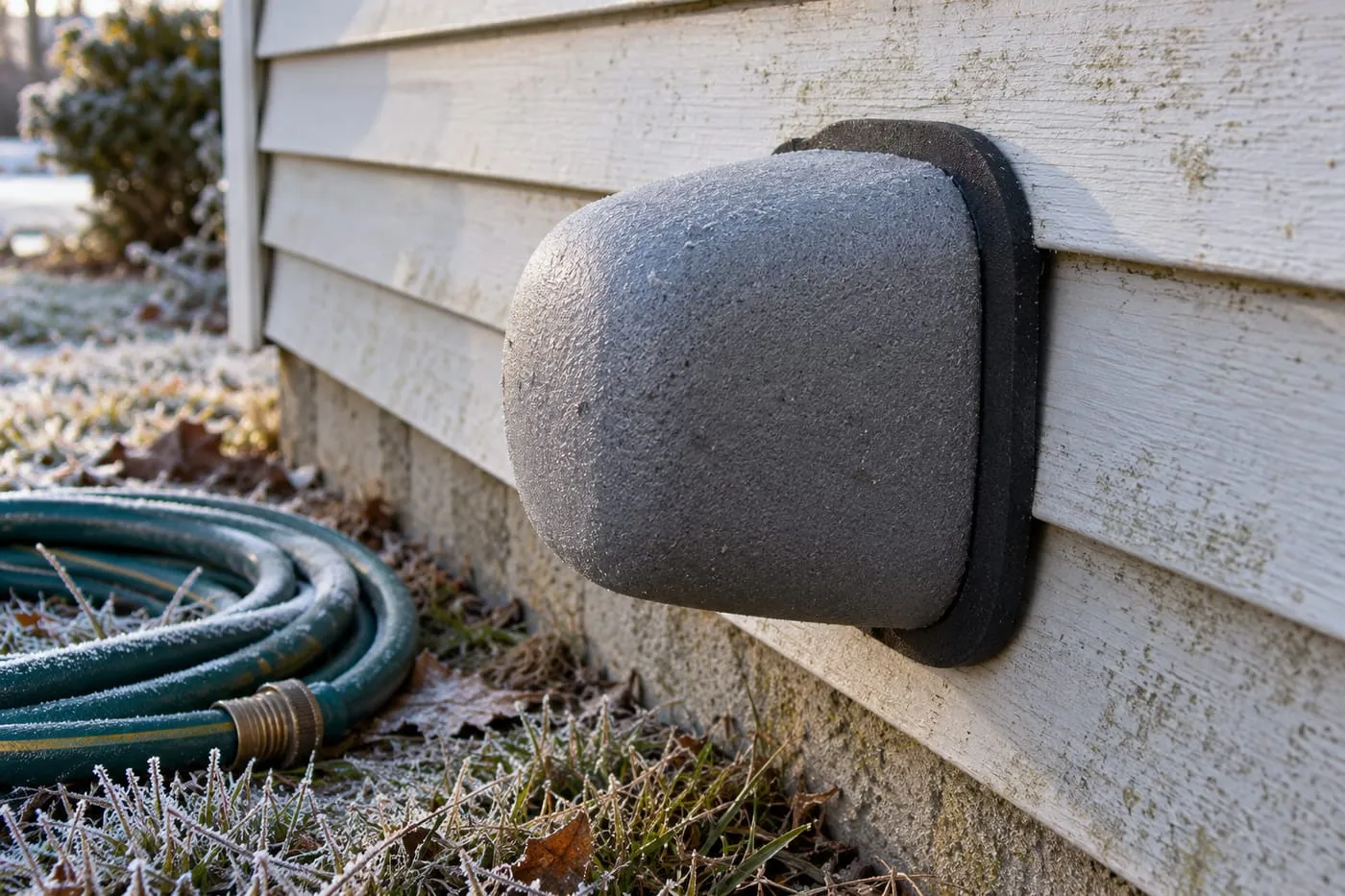
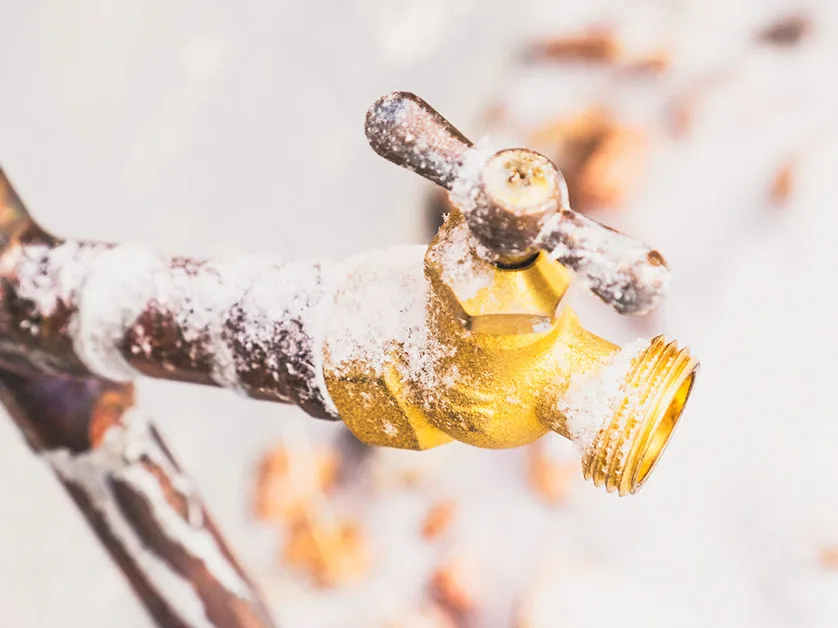
Disconnect every garden hose. Close the indoor valve that feeds each outdoor faucet, open the faucet outside to drain it, then put on an insulated cover. Our outdoor faucet guide walks through it.
Step 5: Maintain adequate heat
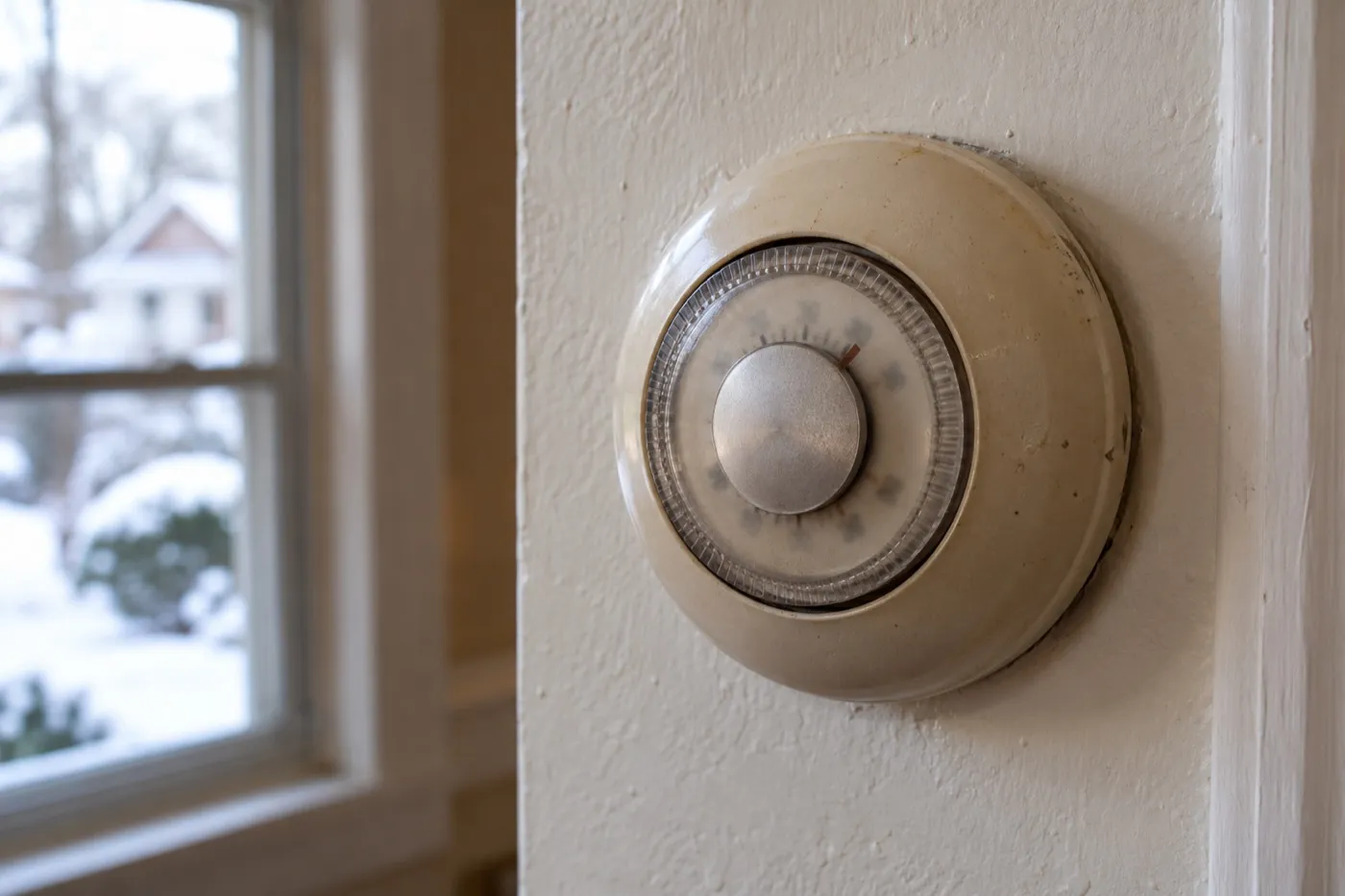
Keep the house adequately heated, day and night, home or away. A thermostat setpoint alone does not prevent every freeze, because a pipe in a cold wall or a drafty space can freeze while the rest of the house stays warm. If you have a smart thermostat, set a low-temperature alert so your phone warns you if the heat goes out.
Step 6: On the coldest nights, open cabinets and drip faucets
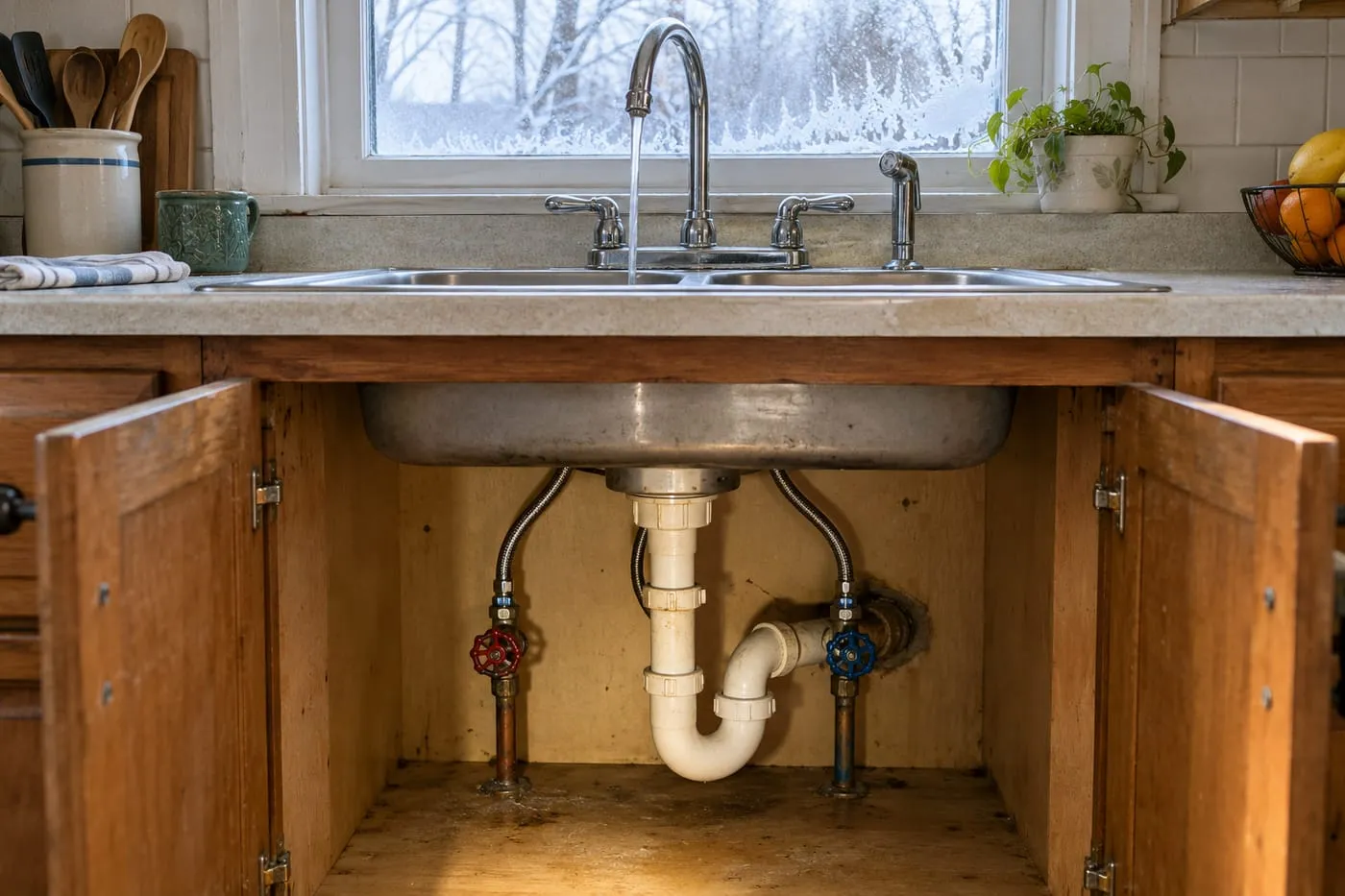
When the forecast drops into the teens, open the cabinet doors under sinks on outside walls so warm air reaches the pipes. Then open those faucets to a thin, steady trickle. The trickle can lower the risk, though it doesn't guarantee anything. Move cleaning products up high if you have kids or pets.
Step 7: Leaving home? Protect the empty house
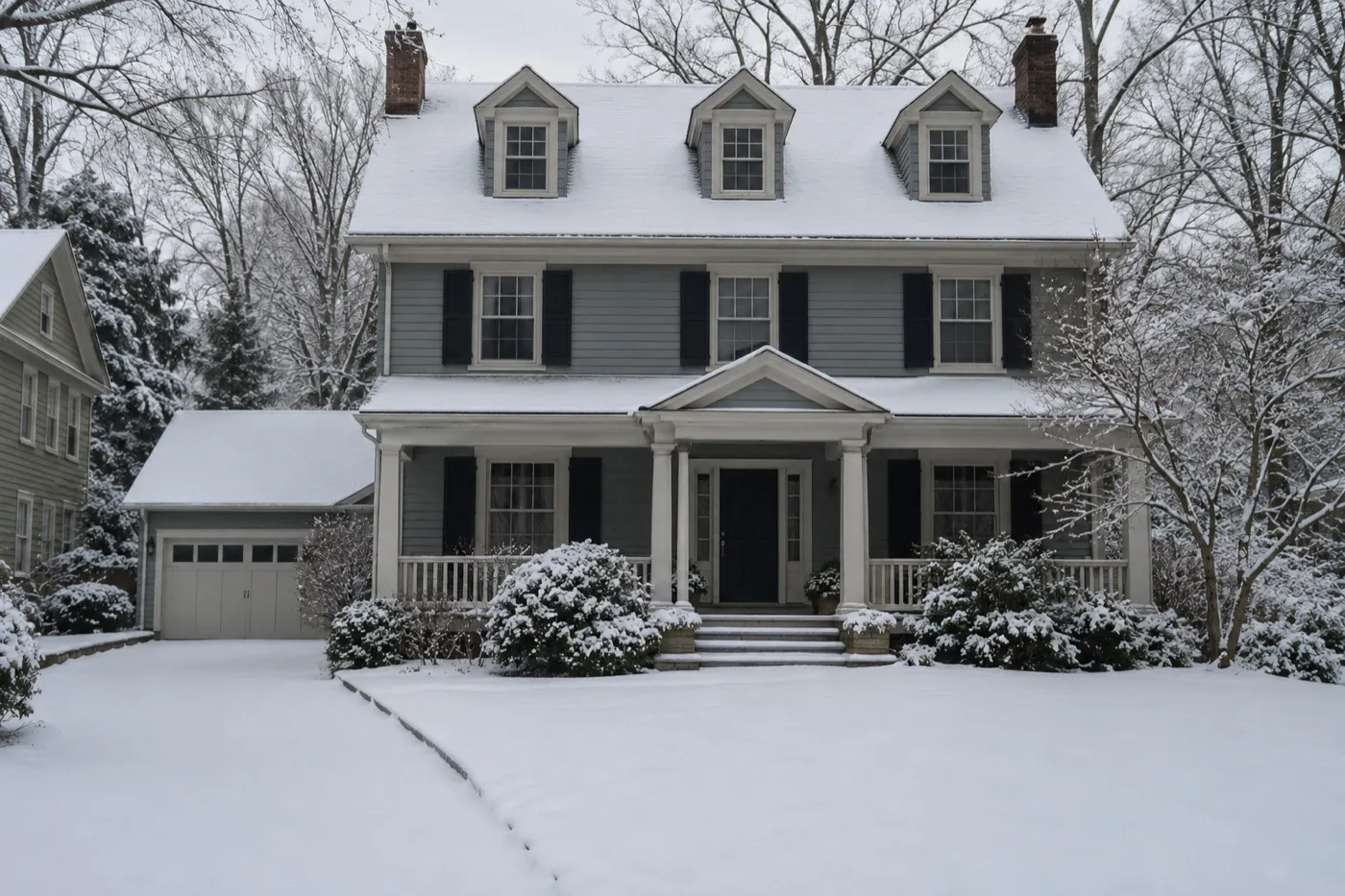
Maintain adequate heat and ask someone to check the house every day or two. For longer trips, or a house that will sit empty, shut off the main water and open the faucets to drain the lines. A drained pipe has nothing to push out if it freezes.
How to tell if a pipe is frozen
Our guide on how to tell if your pipes are frozen has five checks. The short version is below.
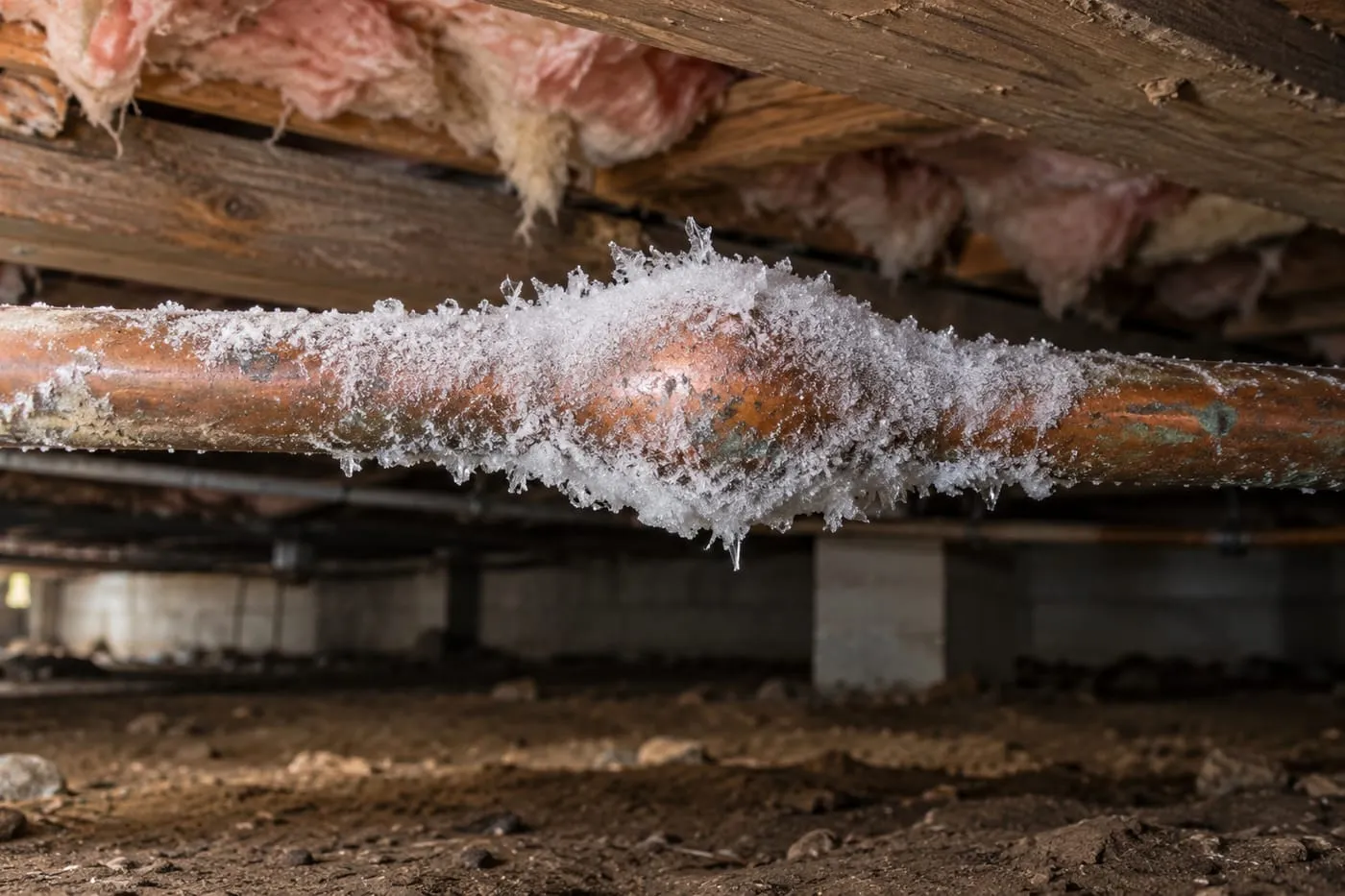
- A faucet gives a trickle or nothing at all, while other faucets work
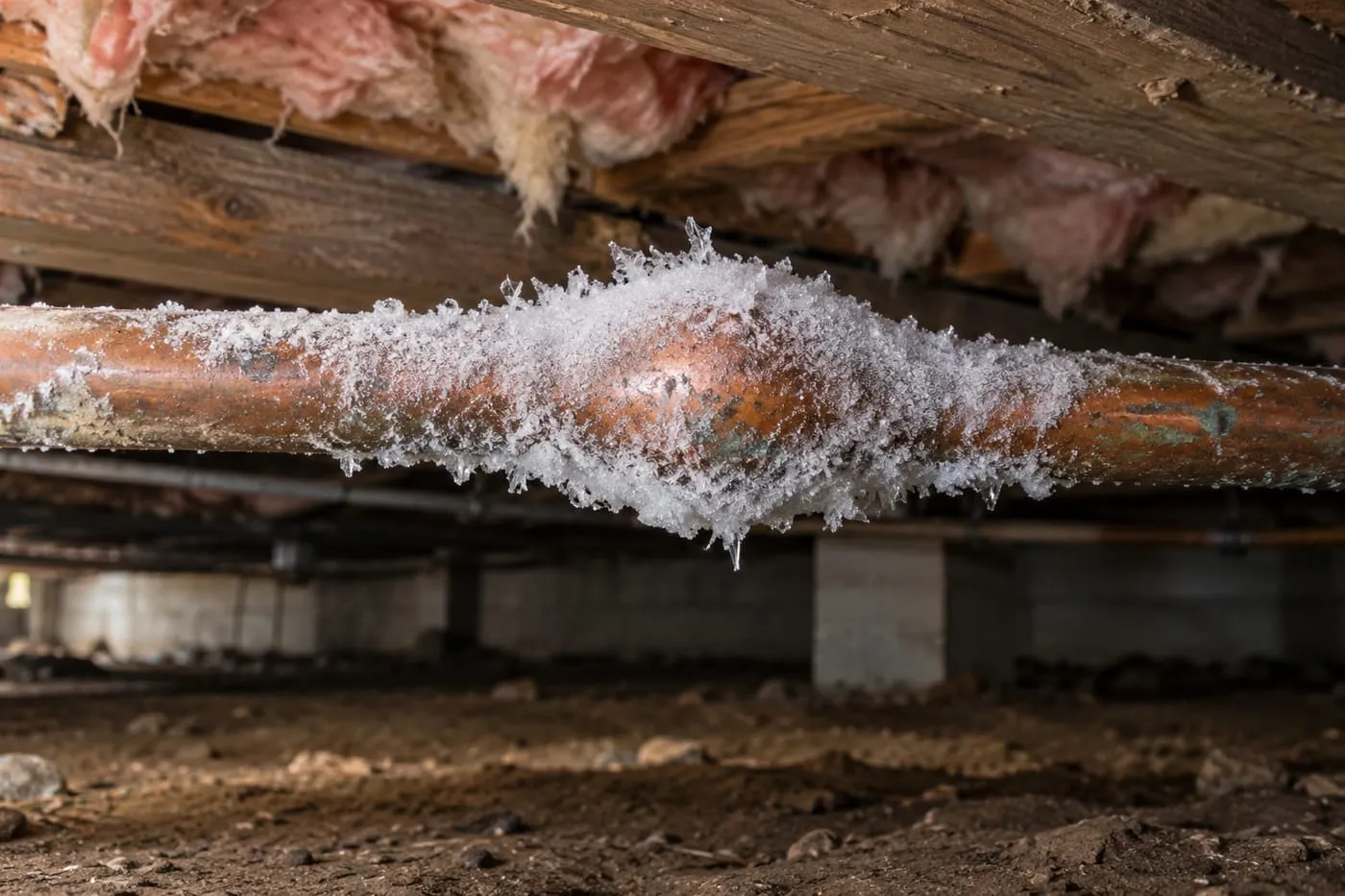
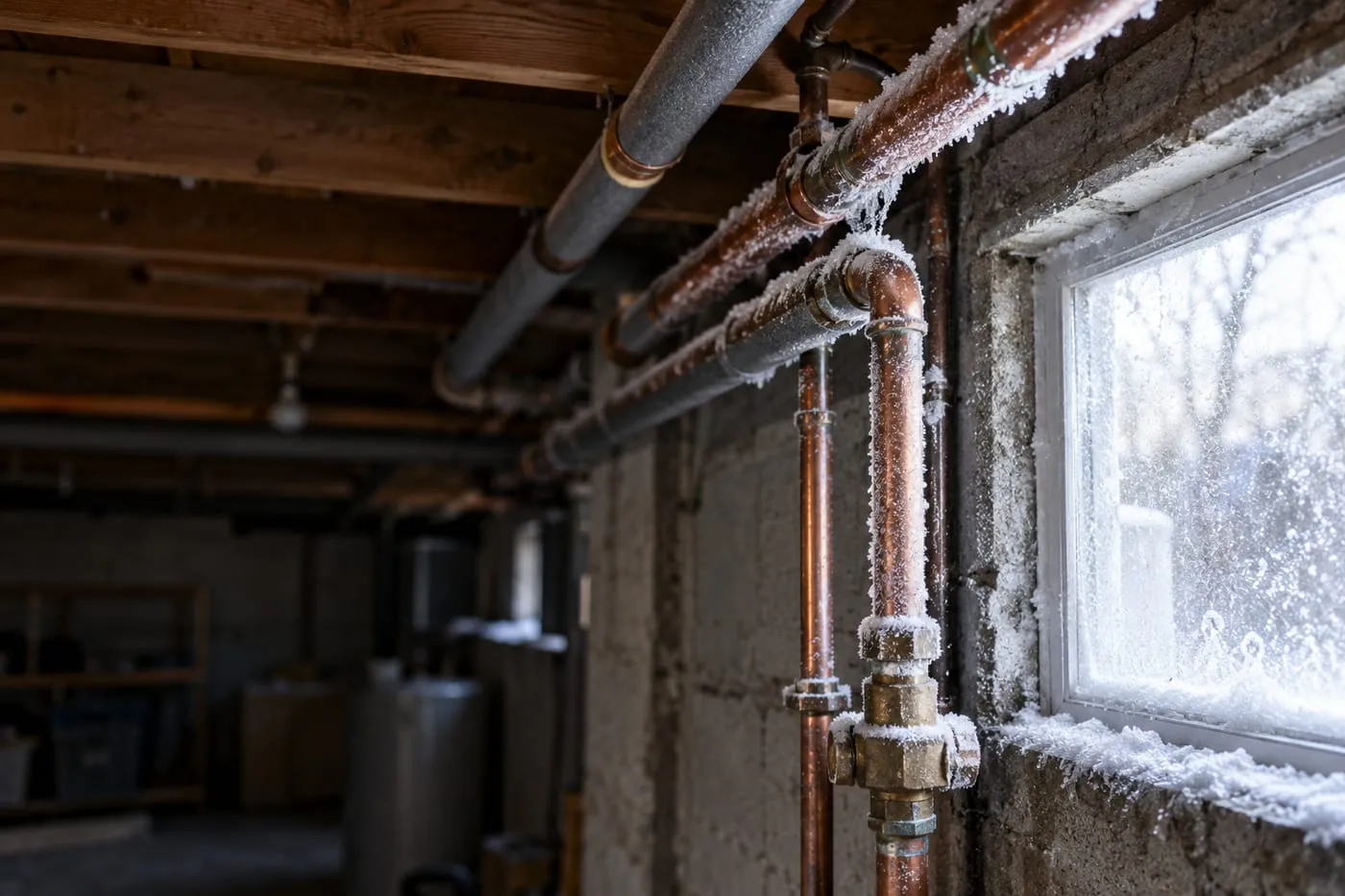
- Frost on the outside of an exposed pipe
- A pipe that bulges or has a small crack
- A toilet that won't refill after you flush
- Water under a sink or along a wall after a cold night (a pipe may have split already)
Follow the line back from the faucet that isn't working. The frozen spot is usually where the pipe passes through the coldest part of the house.
What to do if a pipe is frozen
Step 1: Shut off the water where safe
If a pipe is frozen, leaking, inaccessible or near electricity, close the valve that feeds it or the main shut-off if you can get to it safely. A pipe can split while frozen and only start leaking once it thaws.
Step 2: Never use a torch or open flame
Don't use a propane torch, a kerosene heater or any open flame. A torch can start a fire inside the wall or damage the pipe.
Step 3: Contact Plumbing Doctor
Call 908-873-6686. Tell us where the pipe is and whether you see any leak.
If a pipe bursts: do this now
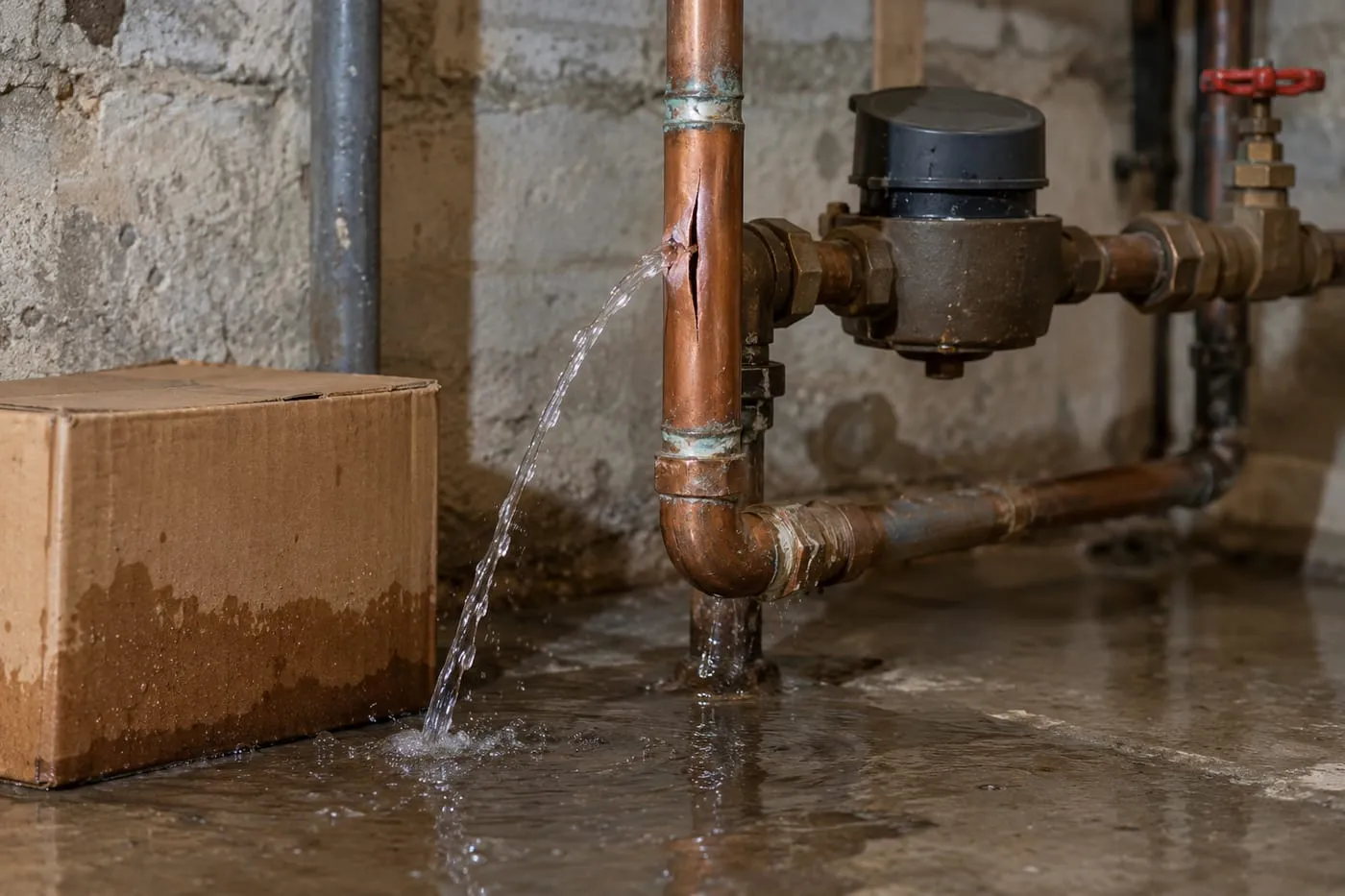
Step 1: Shut off the main water valve
Go straight to the main shut-off from step 1 above and close it.
Step 2: Open the faucets
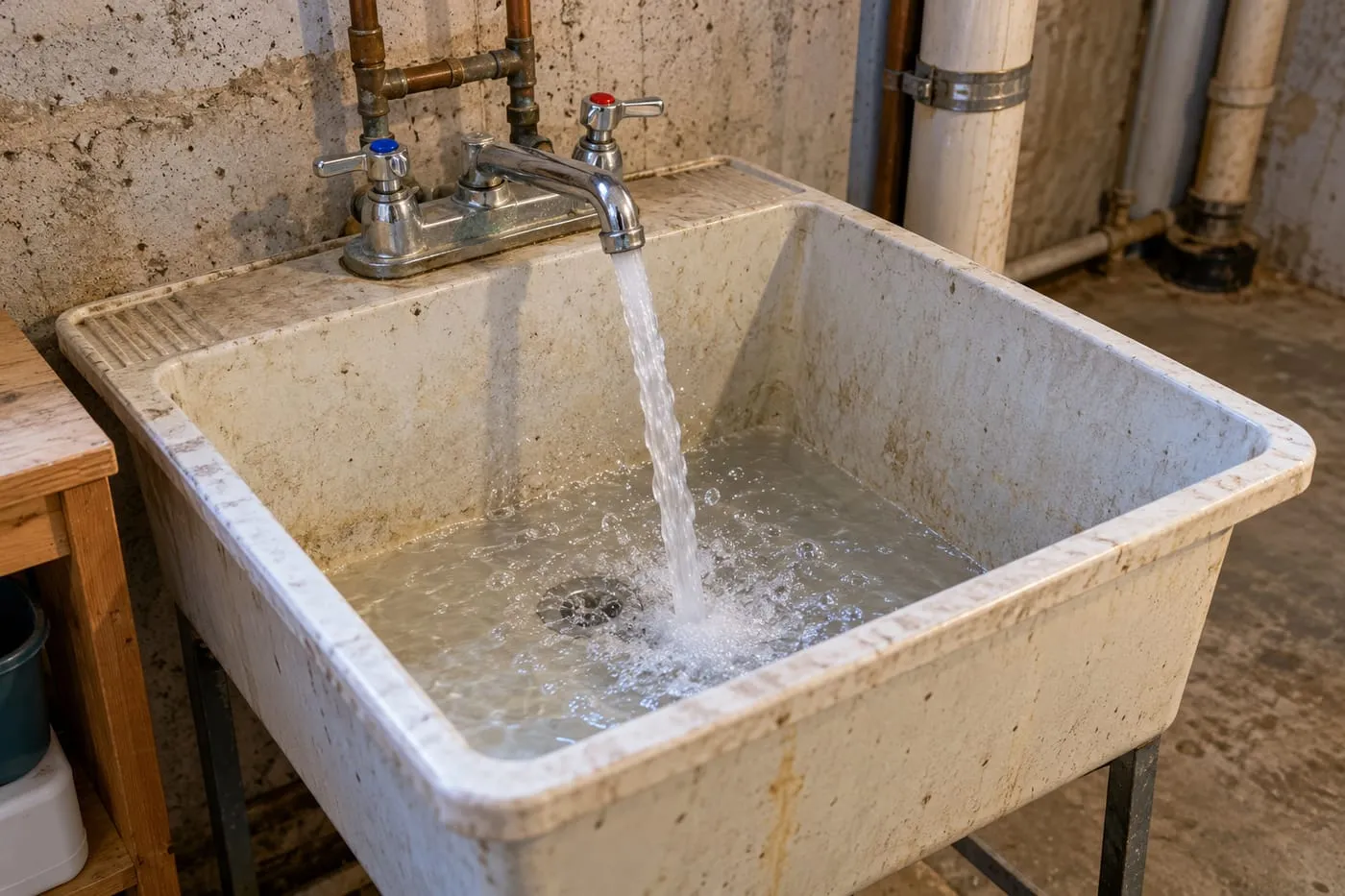
Drain the water left in the lines so less of it ends up on the floor.
Step 3: Keep away from electricity
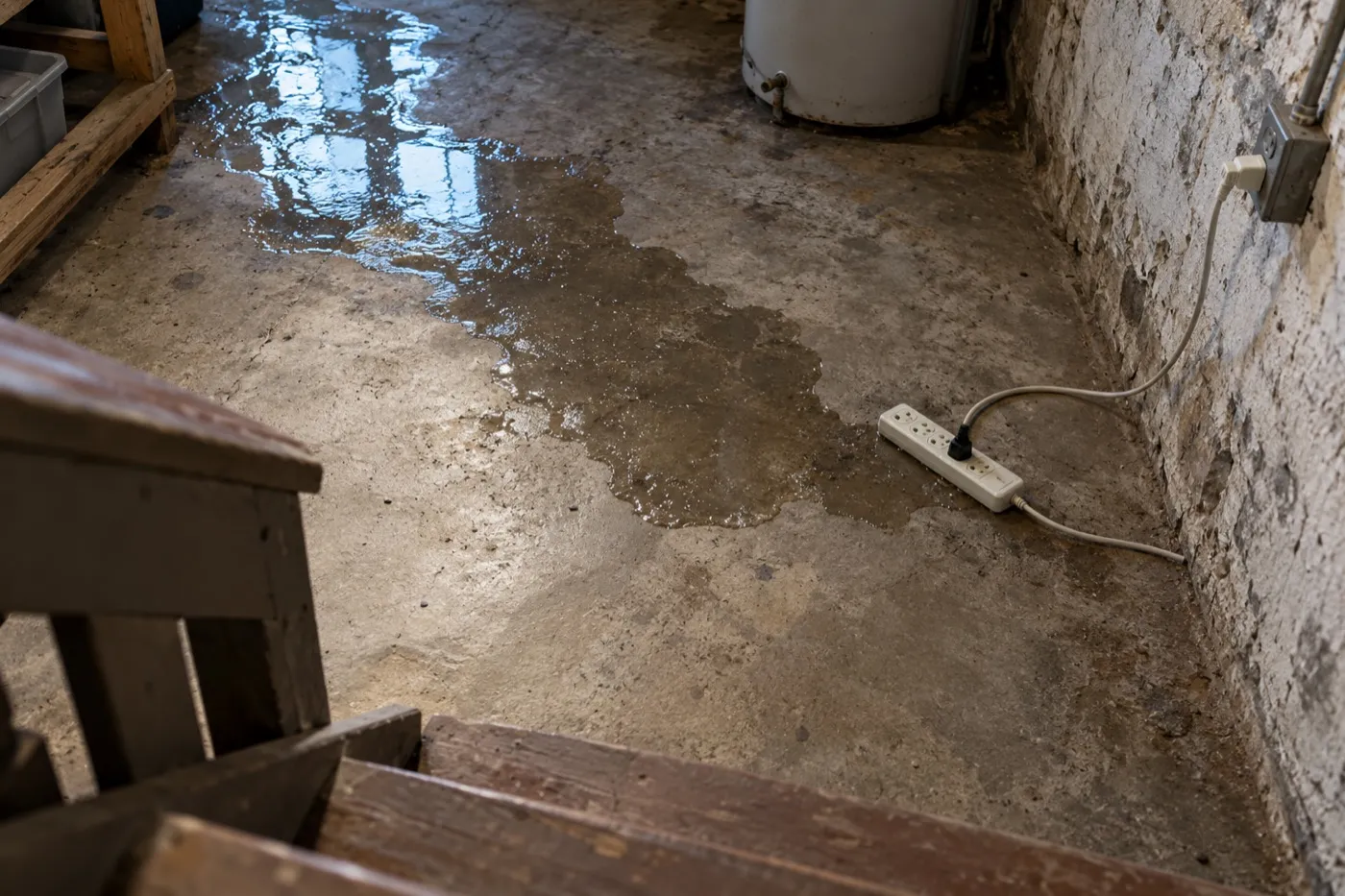
If water is near outlets, appliances or the electrical panel, don't enter it. Turn off power to that area only if you can reach the panel from a dry floor. Otherwise stay out and call an electrician.
Step 4: Call a plumber
Call us at 908-873-6686. Outside regular hours, emergency service requires a $250 upfront emergency fee. When paid, the standard $49 service fee is waived. During regular hours there is no emergency fee. Additional repairs are quoted before work begins. We respond immediately upon contact; dispatch and arrival depend on availability and location. Our emergency plumbing page explains what happens on an emergency visit, and our pipe repair page covers the fix.
Step 5: Take photos for insurance
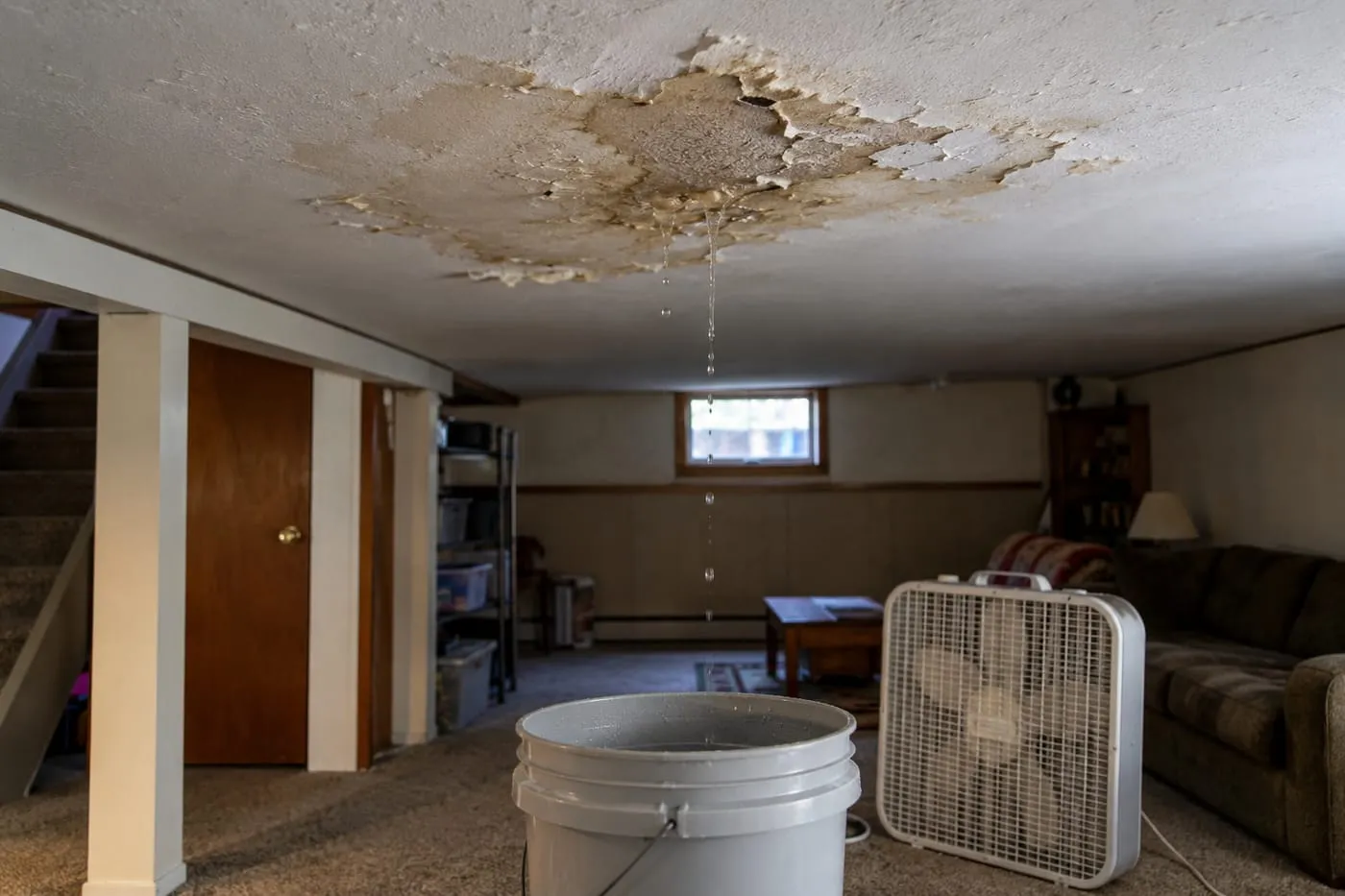
Photograph the damage before you clean up. Water can soak into drywall and flooring you can't see, so ask about leak detection. We find hidden water with moisture meters and thermal cameras before it turns into mold.
Want a plumber to check before winter?
A short visit makes sense if a pipe in your house has frozen before, if your main shut-off won't turn, or if you'd like frost-free outdoor faucets. Call 908-873-6686 or request service online. Written upfront flat-rate pricing options. You choose.
Get tips and reminders
New guides and seasonal reminders. A few emails a year.
Stop and call us if
- You can't find the frozen section, or it's inside a wall or ceiling.
- The pipe is cracked, bulging or leaking.
- More than one faucet is out, or you have no water anywhere.
- Your main shut-off valve won't turn.
- Water is near outlets, appliances or the electrical panel.
Call 908-873-6686.

Michael Holt
Owner and operator of Plumbing Doctor, NJ Master Plumber (Lic. #36BI01345600) and U.S. Marine Corps veteran.
More about Mike