Call 908-873-6686Veteran-owned · NJ Master Plumber Lic. #36BI01345600
Plumbing Doctor van, protecting your health and sanitation4.9 174 reviews
on Google
4.9 121 reviews
on Thumbtack
Call 24/7908-873-6686Request service
Plumbing Tips

Plumbing how-to guides

Plain guidance from a NJ Master Plumber, including when to stop and call a professional.

4.9 stars, 174 Google reviews · NJ Master Plumber Lic. #36BI01345600

How to Prevent Plumbing Emergencies: 8 Steps Every Homeowner Should Take

By Mike Holt, NJ Master Plumber · March 1, 2024 · 3 min read · Updated November 1, 2026

Quick answer

Learn how to shut off the water to your house before you ever need to. Then test the shut-off valves under sinks and toilets, replace rubber washing machine hoses with braided steel, put leak sensors by the water heater and washer, keep grease and wipes out of the drains, and fix small leaks as soon as you see them.

Difficulty
Easy
Time
About 1 hour
You need
Flashlight, water leak sensors

Save this guide so it's one tap away in an emergency.

Add our number

Rather not risk it? A licensed plumber can handle this for you, with written upfront flat-rate pricing options before any work starts.

Water leaking right now? Close your main water shut-off (step 1 shows how), then call us. 908-873-6686

Most plumbing emergencies start small: a washing machine hose that's been bulging for months, a slow drip under a sink, a water heater past its prime. These eight steps take about an hour and catch most problems before they flood a floor.

8 steps to prevent plumbing emergencies

Step 1: Learn how to shut off the water to your house
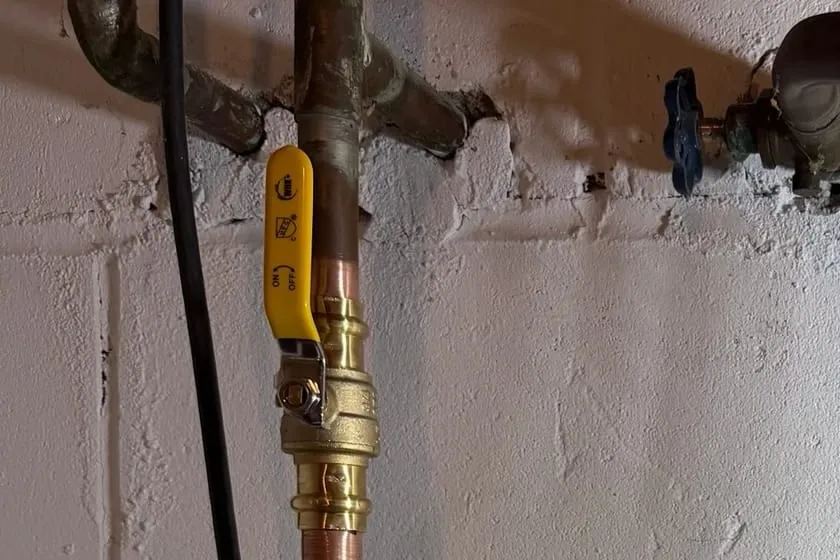
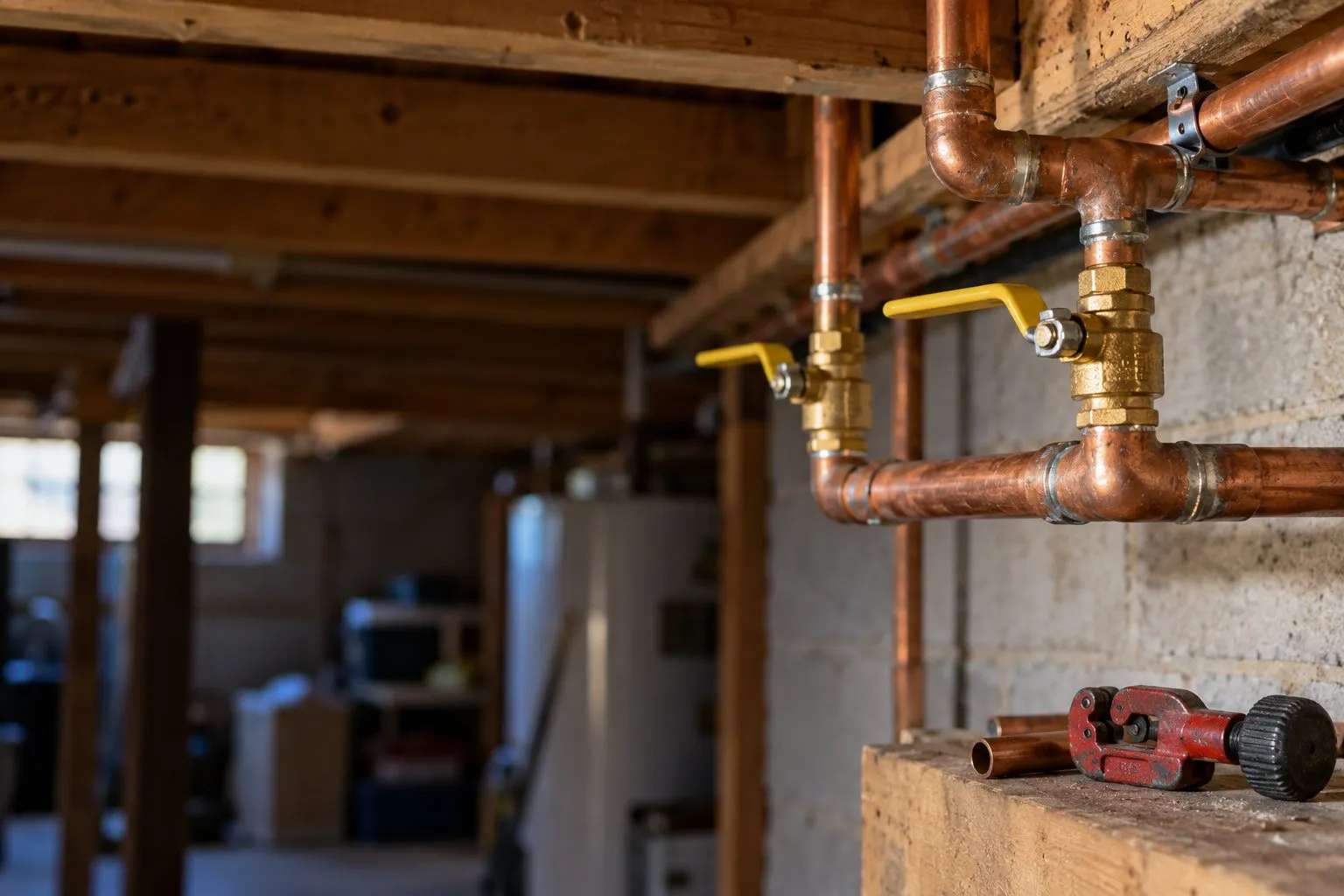
Main water shut-off valve with a yellow handle on a copper pipe in a basement

Find the main shut-off where the water line comes into the house, usually in the basement next to the water meter. A round handle (gate valve) turns clockwise until it stops. A lever (ball valve) turns a quarter turn so it sits across the pipe. Try it now, and show everyone in the house where it is. If it's stuck, don't force it with a wrench. Call us to replace it.

Step 2: Test the shut-off valves under sinks and toilets
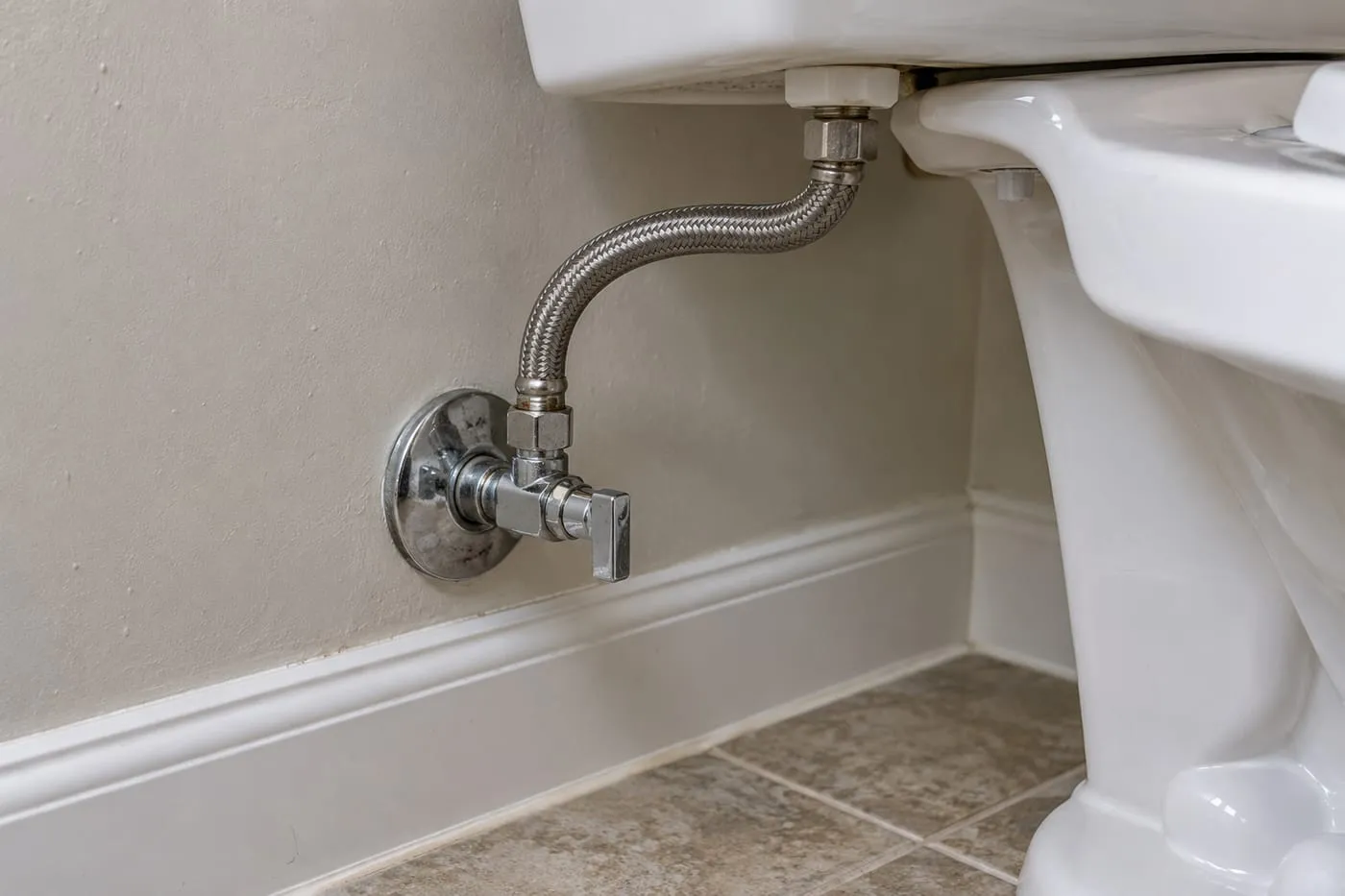
Chrome shut-off valve and braided supply line behind a toilet

Every toilet and sink should have its own small shut-off valve, so you can stop one leak without turning off the whole house. Close each one and open it again once a year. Valves that sit untouched for years tend to seize or start dripping.

Step 3: Know your water heater's shut-off
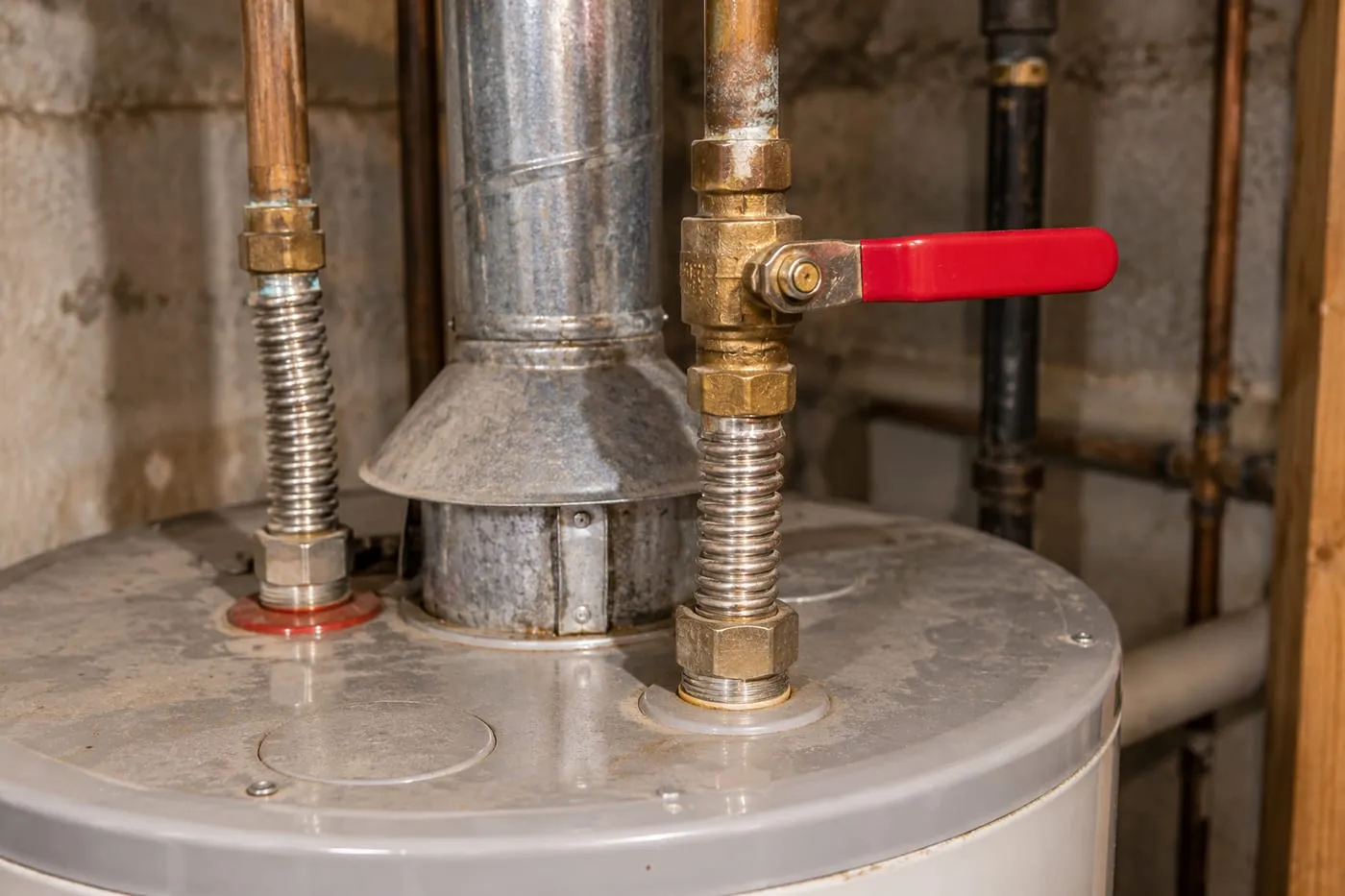
Cold water shut-off valve on the pipe above a water heater

The cold water pipe going into the top of the water heater has its own valve. Closing it stops water going into the tank if the tank starts leaking. For a gas heater, also find the gas valve on the supply line. For an electric heater, know which breaker it's on.

Step 4: Replace old washing machine hoses
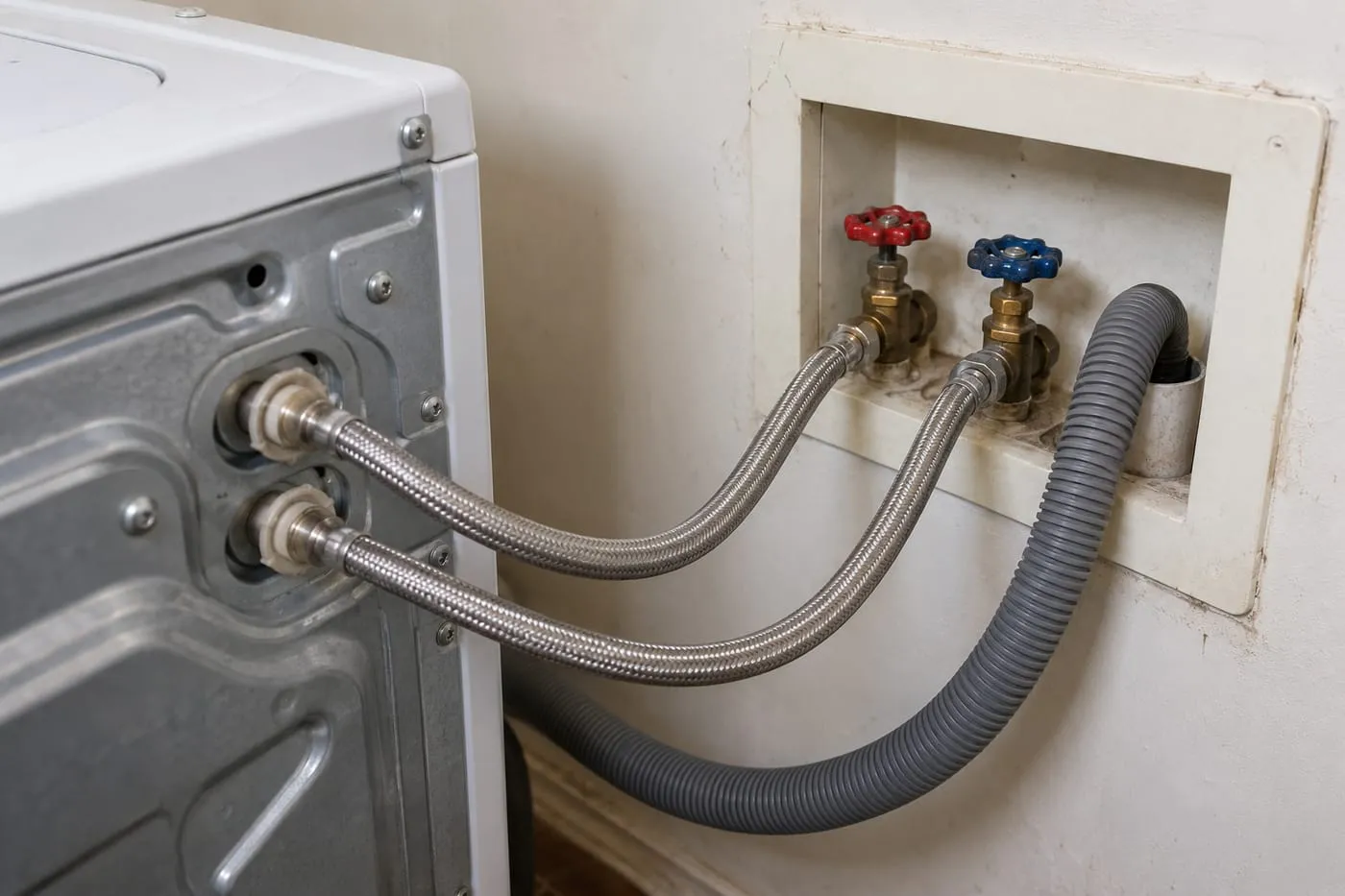
Braided stainless steel washing machine hoses connected to shut-off valves behind a washer

Rubber washer hoses crack and burst with age, and a burst hose runs at full pressure until someone notices. Swap them for braided stainless steel hoses, check them once a year for bulges, and turn the washer valves off before you go away.

Step 5: Put leak sensors where leaks start
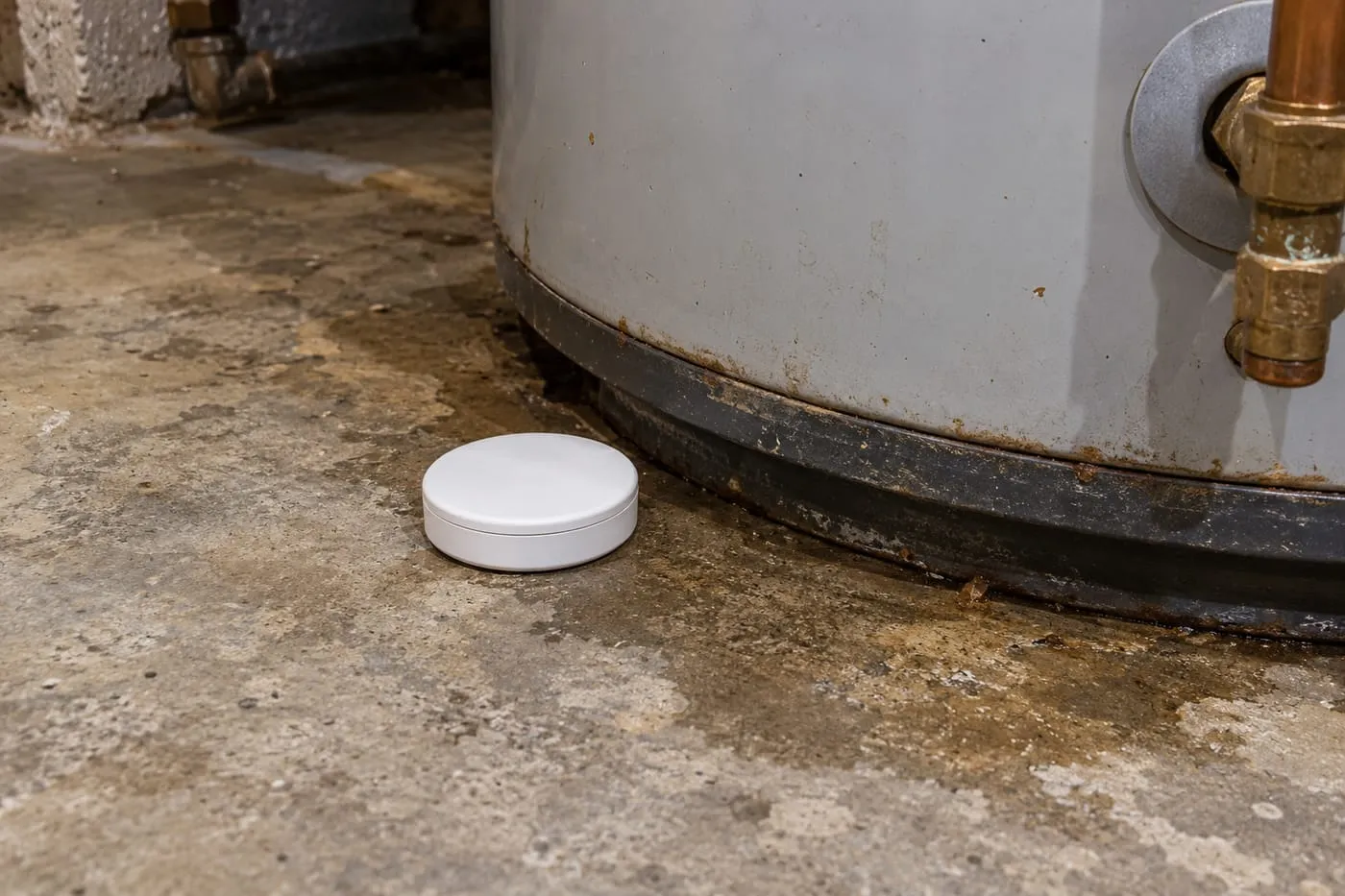
Small water leak sensor on a basement floor next to the base of a water heater

Battery water leak sensors sound an alarm, and some send a phone alert, as soon as they get wet. Put one next to the water heater, behind the washing machine, under the kitchen sink and near the sump pump.

Step 6: Watch what goes down the drains
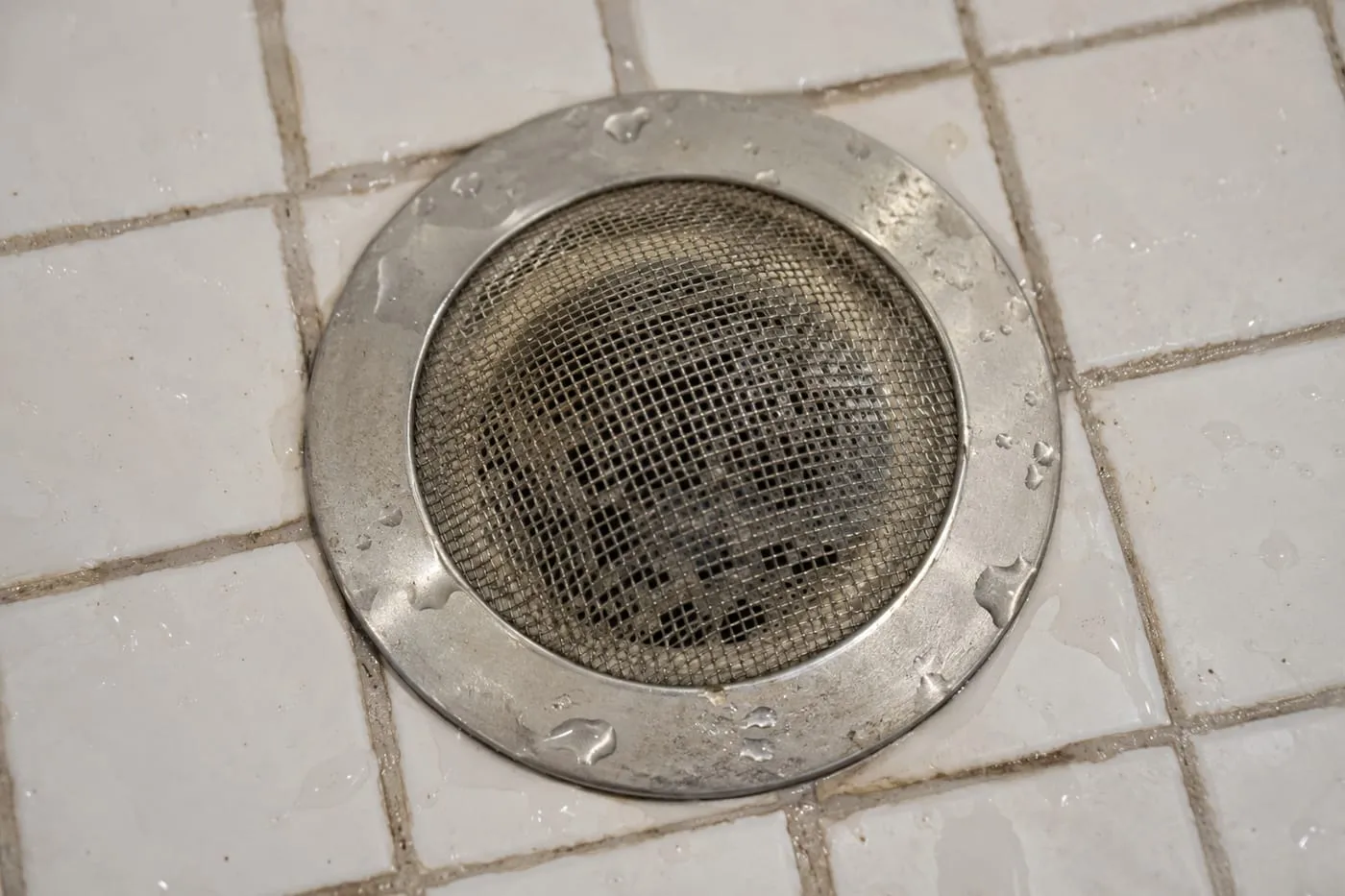
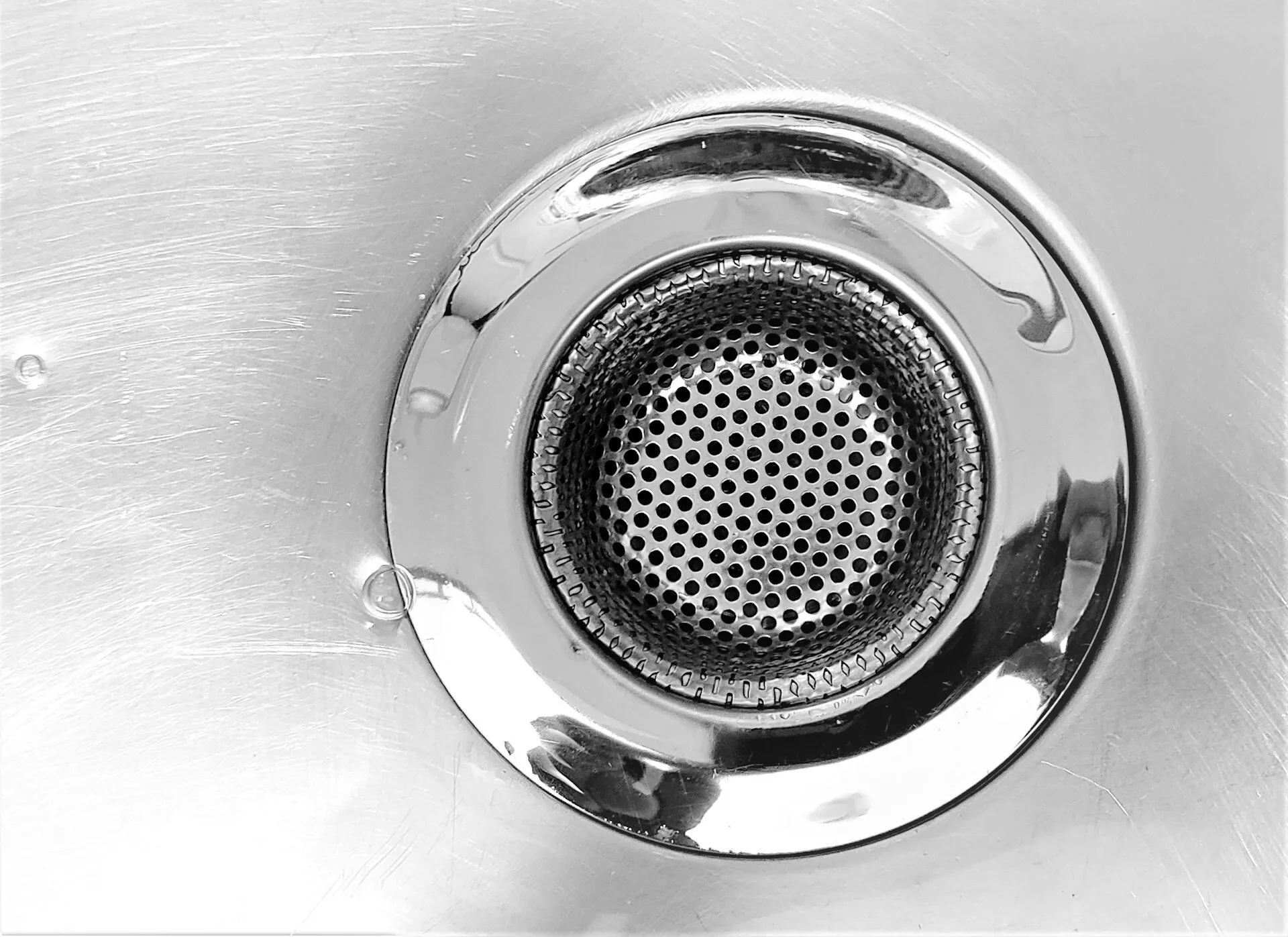
Stainless steel mesh hair catcher over a shower drain on a tile floor

Flush only toilet paper. "Flushable" wipes don't break down and are a common cause of sewer backups. Keep grease and food scraps out of the kitchen sink, put hair catchers in tubs and showers, and skip chemical drain cleaners, which can damage older pipes. See 5 tips for keeping your drains clog-free.

Step 7: Check for small leaks once a month
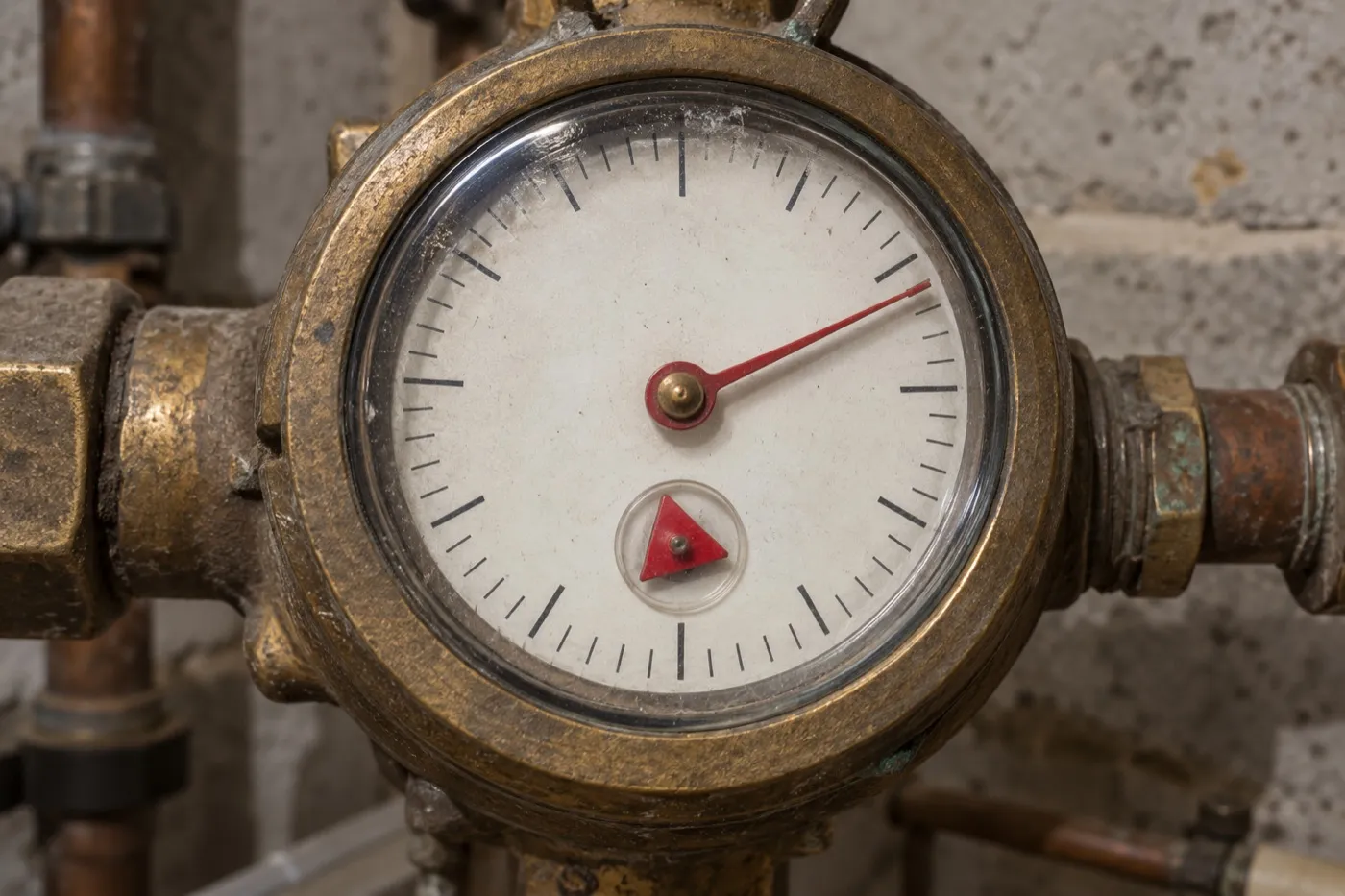
Close-up of a residential water meter dial under glass with a small red leak indicator

Look under sinks, around the base of toilets and around the water heater for drips, stains or soft spots. To check for hidden leaks, turn off every faucet and appliance and look at the water meter. If its dial or leak indicator is still moving, water is leaking somewhere. Our leak detection team can find it.

Step 8: Get ready for the seasons
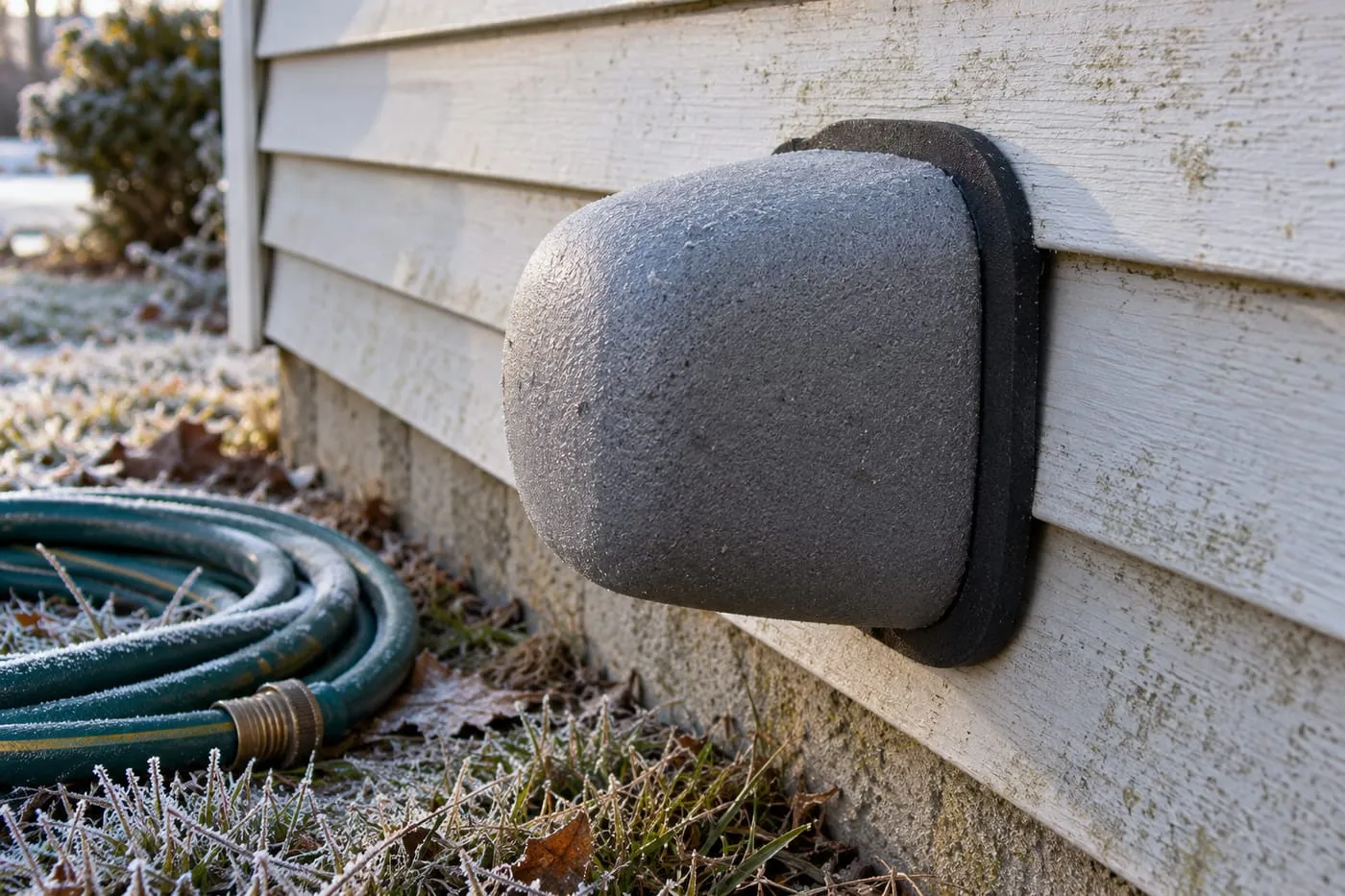
Insulated foam cover on an outdoor faucet on a frosty morning, garden hose coiled on the ground

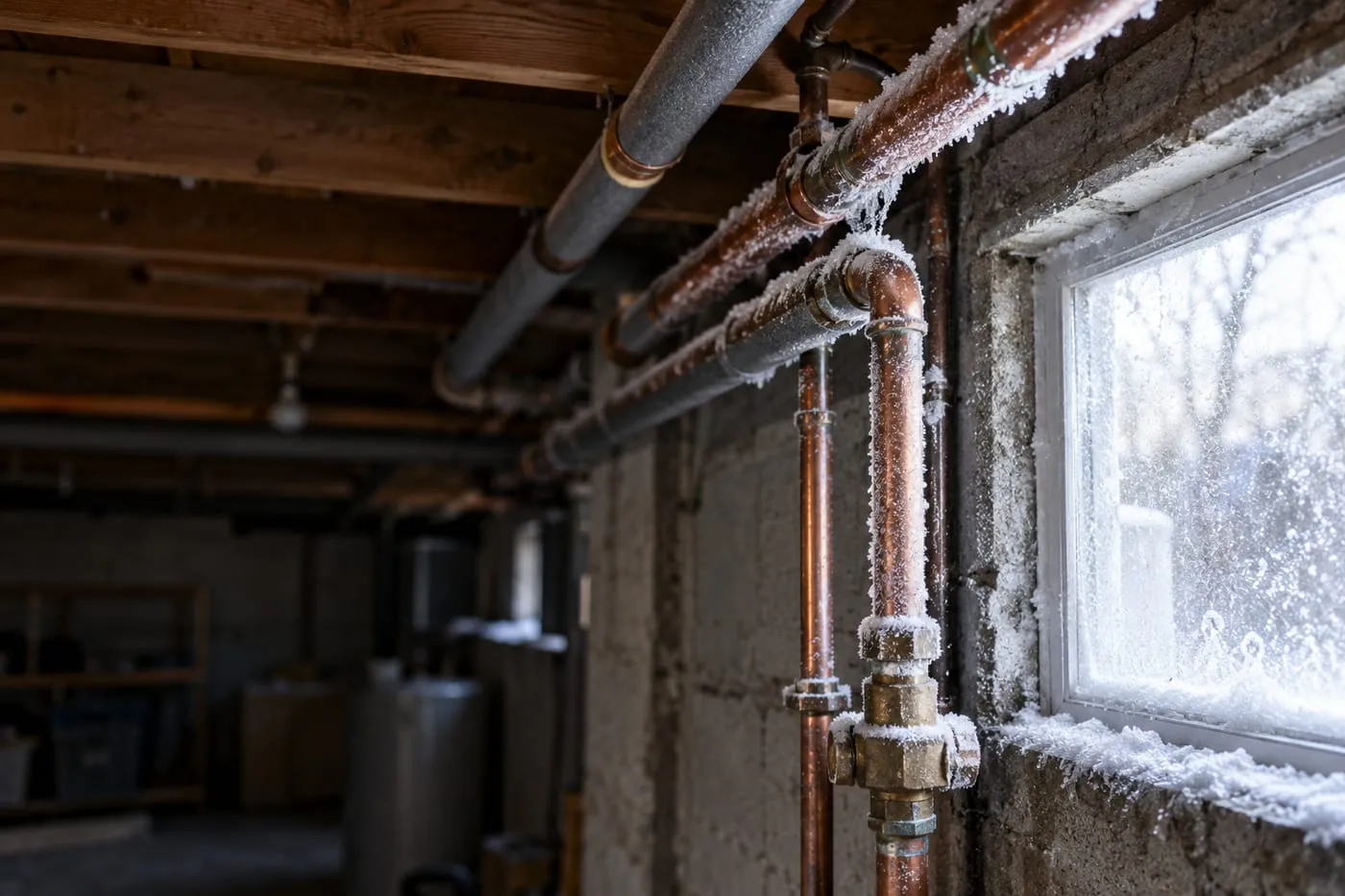
Before winter, protect your pipes from freezing and winterize outdoor faucets. Before the spring rains, test the sump pump from a dry, safe spot by pouring a bucket of water into the pit. Don't touch a plug, outlet or pump if there's standing water. Our spring plumbing checklist covers the rest.

Should you get a yearly plumbing inspection?

If your home is older, has had leaks before, or you're not sure how old the water heater and pipes are, a yearly plumbing inspection is worth it. We check the shut-off valves, water heater, visible pipes, drains and water pressure, and tell you what needs attention now and what can wait.

Had an emergency anyway?

Shut off the water and call 908-873-6686. See our emergency plumbing page for what happens next.

Keep this guideFor the next time something leaks

Save it for an emergency

Keep these steps and our number one tap away.

Add our number

Get tips and reminders

New guides and seasonal reminders. A few emails a year.

Stop and call us if

  • Your main shut-off valve won't turn, or it drips from the stem when you turn it.
  • A shut-off valve under a sink or toilet won't close all the way.
  • Your water meter shows water moving when everything in the house is off.
  • Your water heater is leaking or has rust around the base.

Call 908-873-6686.

Need a licensed plumber?Written upfront flat-rate pricing options. You choose. We respond immediately to calls and online inquiries. Same-day appointments may be available, subject to technician availability and scheduling.
Mike Holt
About the author

Michael Holt

Owner and operator of Plumbing Doctor, NJ Master Plumber (Lic. #36BI01345600) and U.S. Marine Corps veteran.

More about Mike
FAQ

Questions we get about this

Don't see your question? Call us and ask.

Call 908-873-6686
How do I shut off the water to my house?

Find the main shut-off valve where the water line enters the house, usually in the basement next to the water meter. Turn a round handle clockwise until it stops, or turn a lever a quarter turn so it sits across the pipe. Then open a faucet on the lowest floor to drain the pressure.

Where is my main water shut-off valve?

In most Central New Jersey homes it's in the basement or crawl space, on the foundation wall that faces the street, right next to the water meter. Homes without a basement often have it in a utility closet, the garage or near the water heater.

How often should I replace washing machine hoses?

Replace rubber washing machine hoses about every five years, or sooner if they bulge or crack. Braided stainless steel hoses last longer and are much less likely to burst. Turn the washer valves off when you go away.

Are water leak sensors worth it?

Yes, for the price. A sensor sits on the floor and sounds an alarm or sends a phone alert when it gets wet. Put them by the water heater, the washing machine, under the kitchen sink and near the sump pump, where leaks usually start.

What is the most common plumbing emergency?

Leaks are the most common: a burst supply hose, a failed water heater tank or a pipe that freezes and splits. Sewer backups and clogged toilets come next. Knowing where your shut-off valves are makes every one of these less damaging.

Leaking pipe right now?

Shut off the water first if you can reach the valve safely, then call us, day or night.

908-873-6686

Outside regular hours and on holidays, emergency service requires a $250 upfront emergency fee. When paid, the standard $49 service fee is waived. During regular hours there is no emergency fee. Additional repairs are quoted before work begins. We respond immediately upon contact; dispatch and arrival depend on availability and location.

Do this now

  1. Shut the main valve. Usually where the water line enters, near the meter.
  2. Stay clear of electricity. Don't enter standing water or touch electrical controls near the leak.
  3. Open a low faucet to drain the pipes and take pressure off the leak.
Selected Google reviews

What neighbors say

Excellent4.9 from 174 reviews on Google
Richard F.Google review
★★★★★

Had backup and they came out in half hour on a Sunday and got the blockage resolved. They cleaned up after themselves. Very very professional people.

Lisa L.Google review
★★★★★

Honest, reliable and they do a great job. I highly recommend plumbing doctor services.

Felicia T.Google review
★★★★★

Mike is awesome, knowledgeable, thorough and friendly! Overall great and expedient experience!

John G.Google review
★★★★★

Excellent service and very knowledgeable. I definitely recommend them.

JoeGoogle review
★★★★★

Very knowledgeable, attention to detail, extremely neat and organized. We highly recommend Plumbing Doctor.

Naomi H.Google review
★★★★★

Mike works quickly and is transparent with pricing. He's trustworthy, reliable and brings his own shoe covers.

Hazim A.Google review
★★★★★

They tell me what is worth doing or not doing, and won't try to upcharge me. The work is always great. They are my go-to!

Kevin C.Google review
★★★★★

Found my outdoor cleanout that was covered up for years and no other company could find! … They use drop cloths and clean up when they are done.

Read all 174 reviews on Google · Leave us a review

We respond immediatelySame-day appointments may be available

What's going on?

Tap one. It takes about a minute, and we get your request right away.

Problem
How soon?

Enter a 5-digit ZIP code, or leave it empty.

Where can we reach you?

Please enter your name.

Enter a 10-digit phone number.

Best way to reach you

That email doesn't look right.

Leaking pipe? Call 908-873-6686