How to Tell If Your Pipes Are Frozen: 5 Signs to Check
By Mike Holt, NJ Master Plumber · November 2, 2026 · 2 min read · Updated November 2, 2026
Quick answer
The most common sign is a faucet that gives only a trickle or nothing on a cold morning while other fixtures still run. Frost on a pipe, or a bulge or crack, also points to a freeze. If a pipe is frozen, leaking, inaccessible or near electricity, shut off water where safe and contact Plumbing Doctor. Never use a torch or open flame.
- Difficulty
- Easy to check. Frozen or leaking pipes need a professional
- Time
- About 10 minutes
- You need
- Flashlight
Rather not risk it? A licensed plumber can handle this for you, with written upfront flat-rate pricing options before any work starts.
Pipe already burst? Shut off your main water valve first, then call us, day or night. 908-873-6686
A faucet that only trickles on a cold morning usually means ice is blocking the line somewhere between the street and the tap. These checks take about 10 minutes and tell you where you stand. They don't involve thawing anything, because a frozen pipe may already be split.
How to tell if a pipe is frozen
Step 1: Check the faucet that's acting up
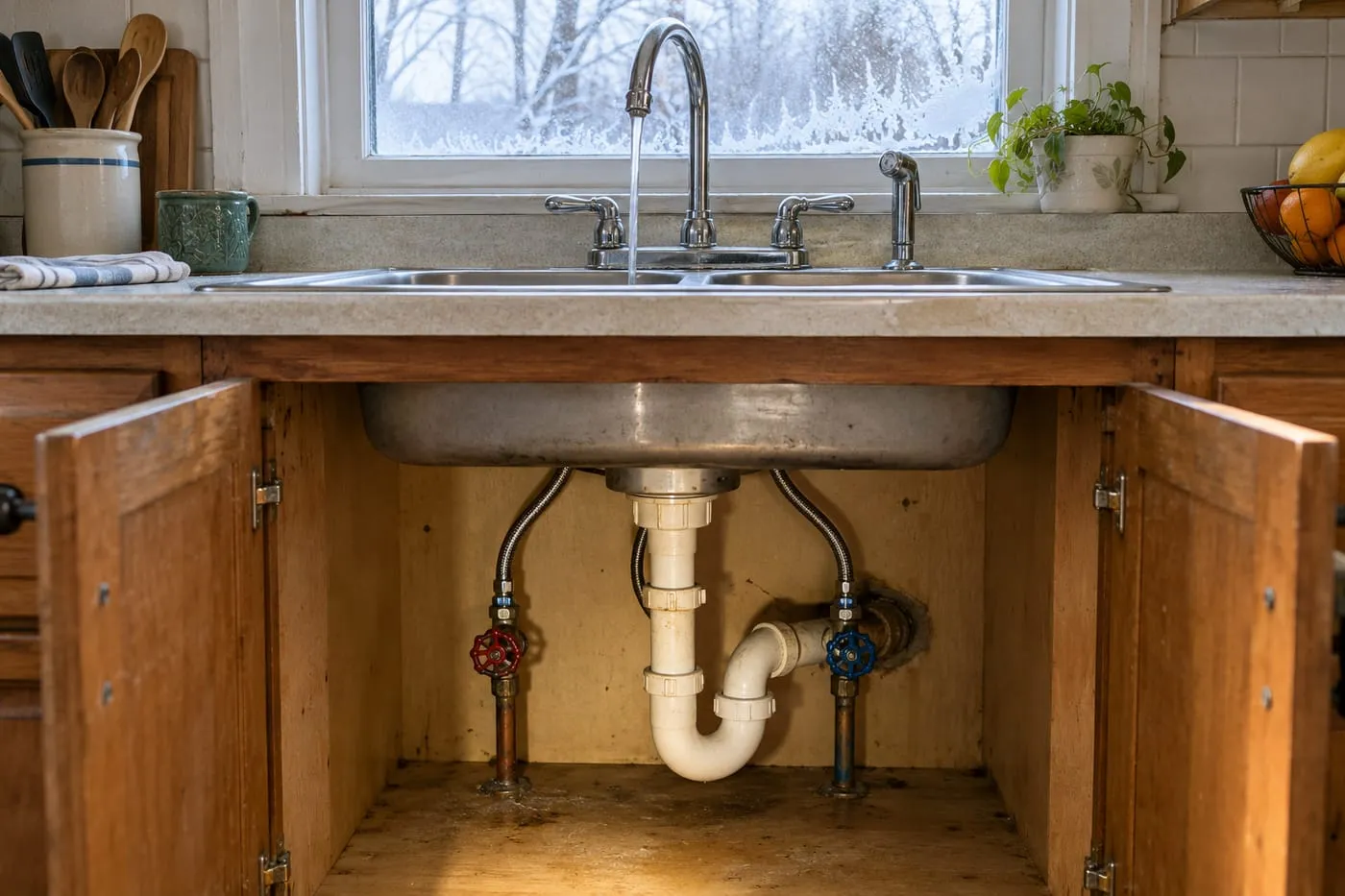
Turn on the hot and the cold. A freeze usually shows up as a thin trickle or no water at all from a faucet that worked yesterday. Faucets on outside walls are often the first to go.
Step 2: Try the other fixtures
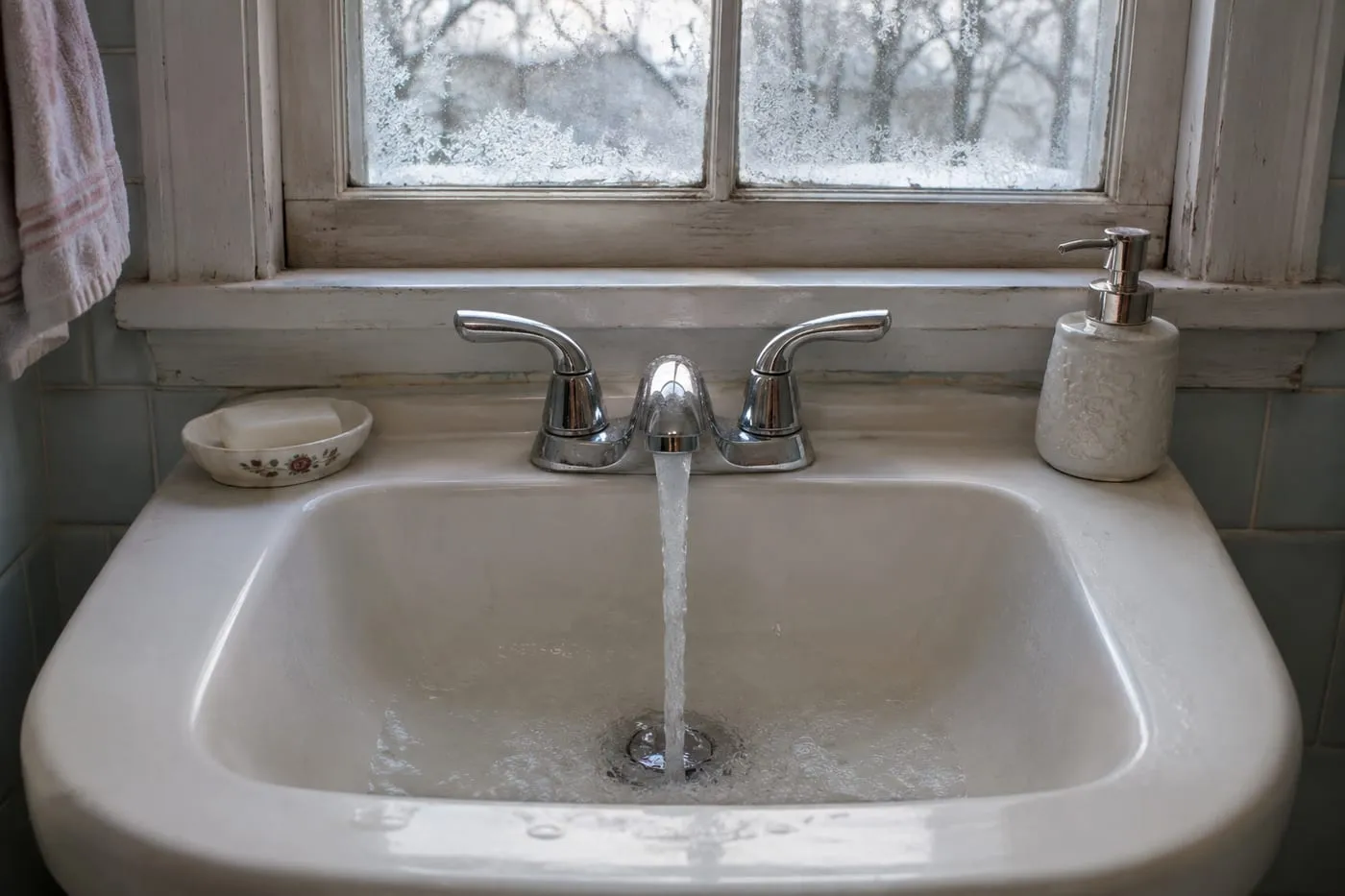
Run a sink on another floor and flush a toilet. If only one faucet is affected, the freeze is probably in the line feeding it. If nothing in the house has water, ask a neighbor. If they have water, check that your main valve is fully open, because the freeze may be where the line comes in.
Step 3: Look at the pipes you can see
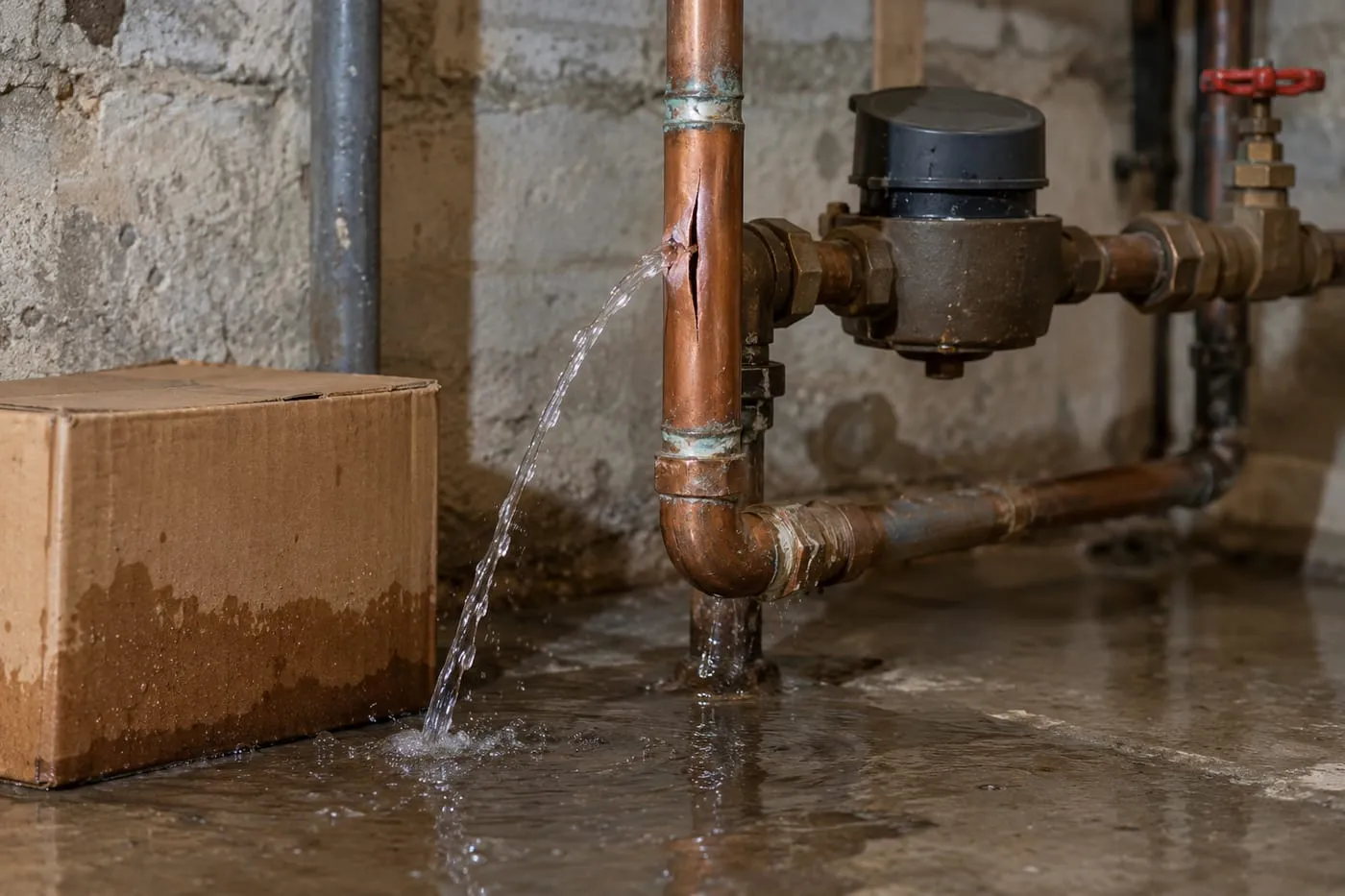
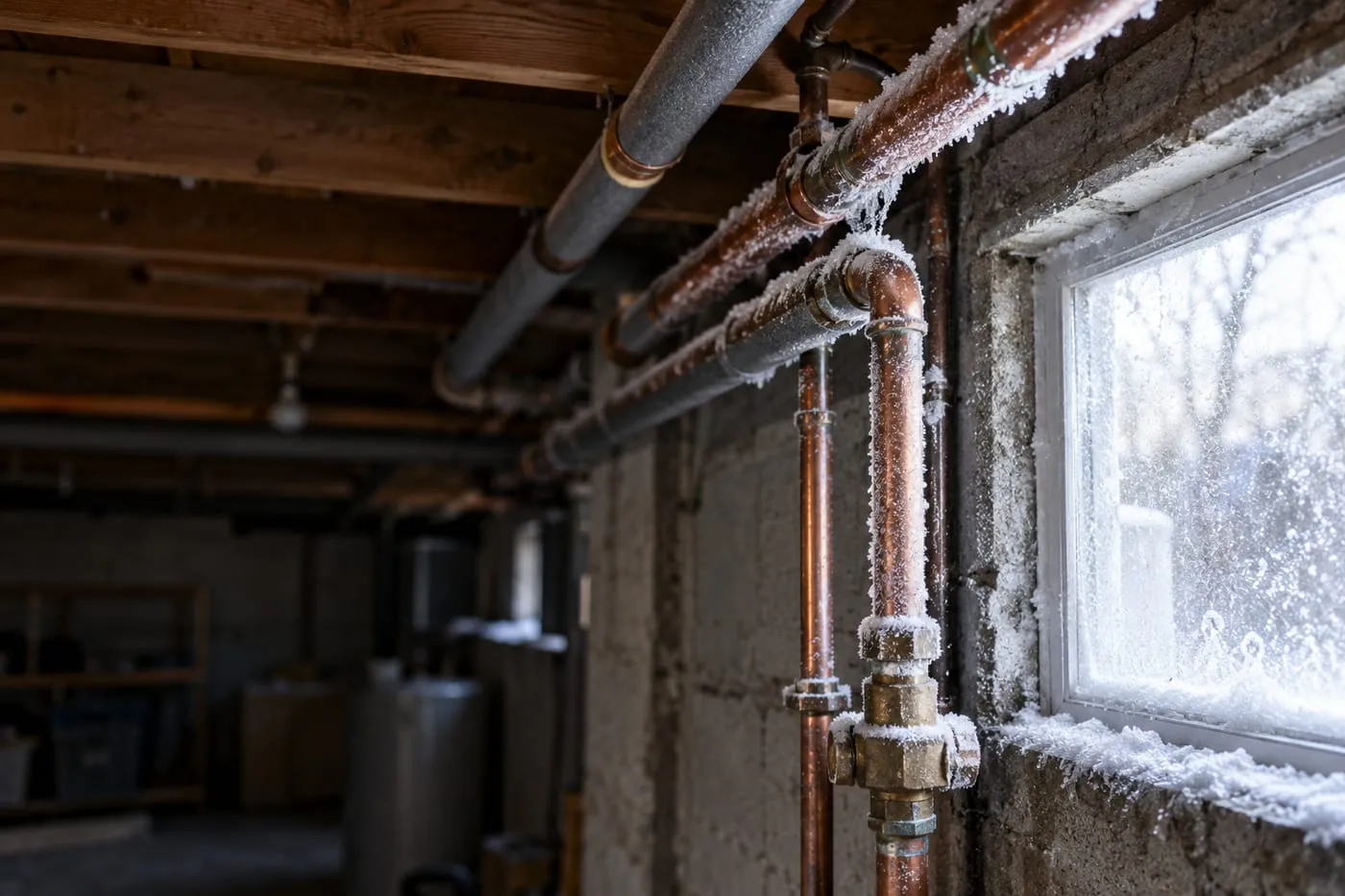
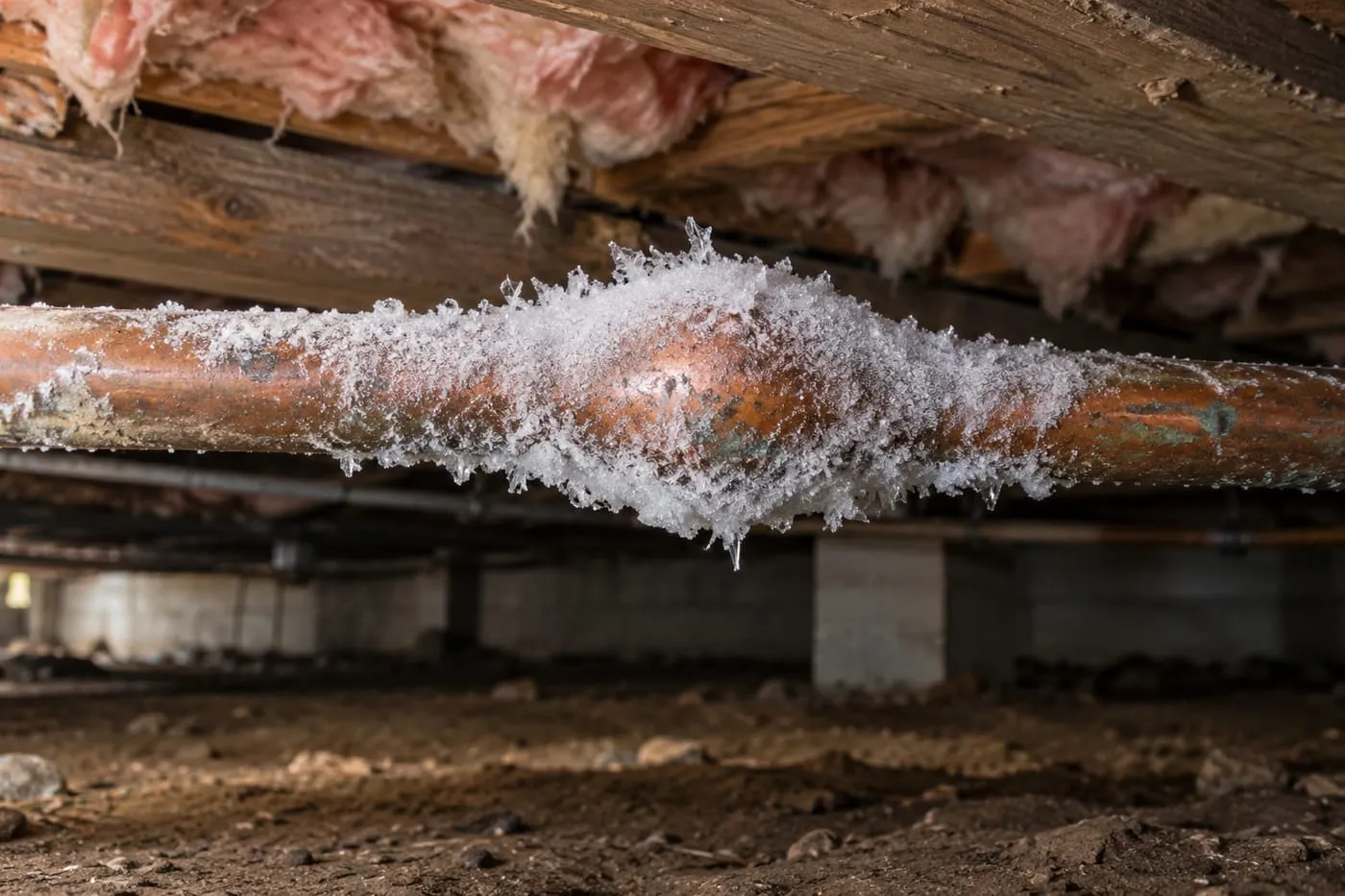
Use a flashlight in the basement, crawl space and garage, and under the sink. Frost on a pipe is a strong sign. So is a bulge or a crack. Stay out of standing water near outlets or electrical equipment.
Step 4: Think about where the pipe runs
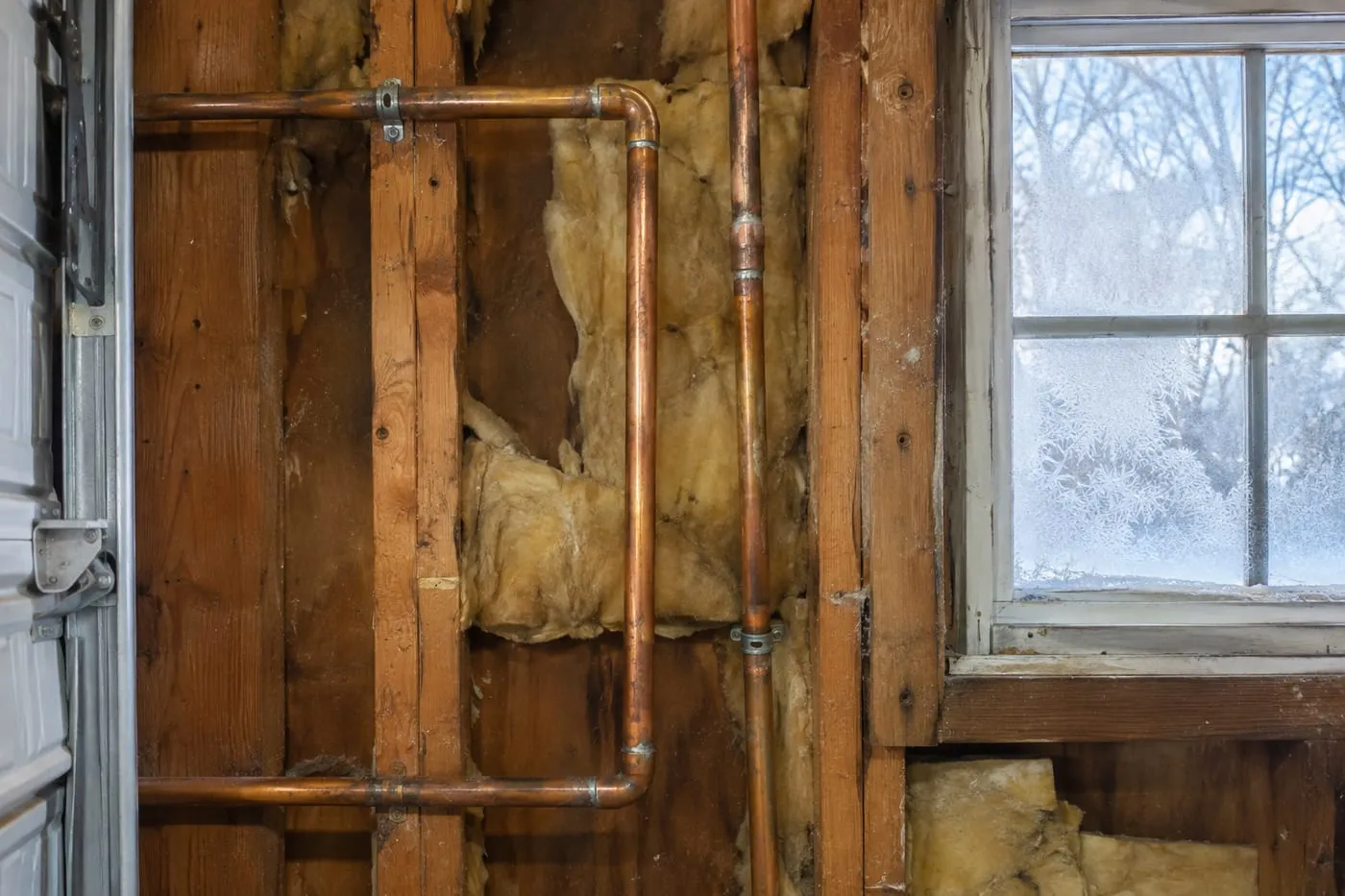
Pipes in unheated garages, crawl spaces and attics freeze first, followed by lines on outside walls and any pipe near a draft. The risk climbs once it drops to about 20°F outside, especially overnight.
Step 5: Get ready to shut off the water
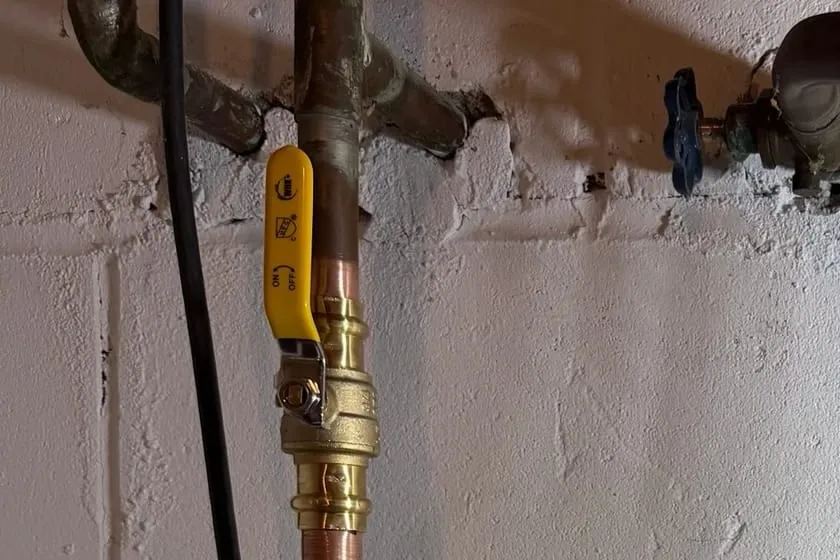
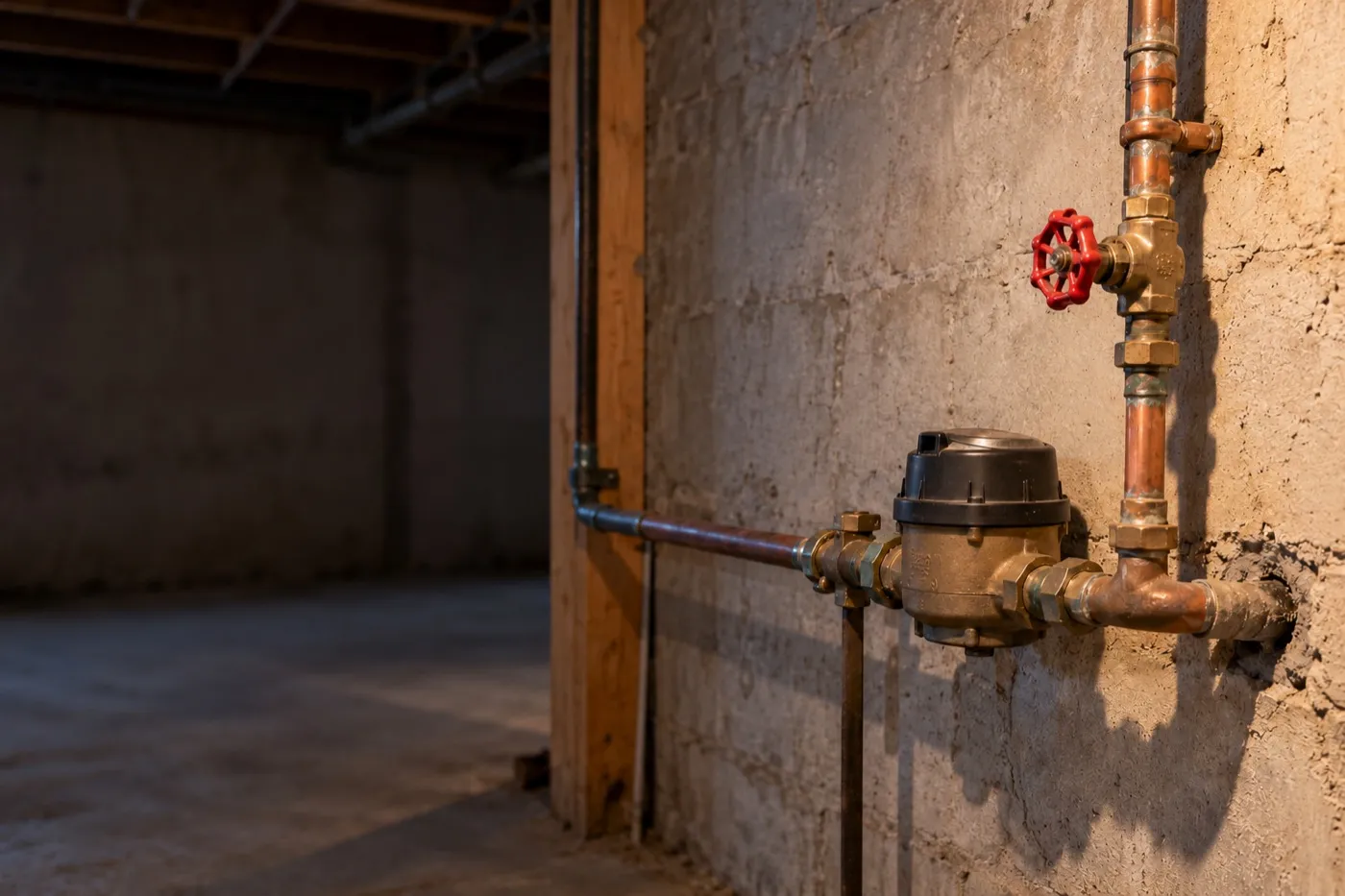
Find your main shut-off valve now. A split pipe starts leaking when it thaws, and you'll want to reach that valve quickly.
What to do if a pipe is frozen
If a pipe is frozen, leaking, inaccessible or near electricity, shut off water where safe and contact Plumbing Doctor at 908-873-6686. Never use a torch or open flame.
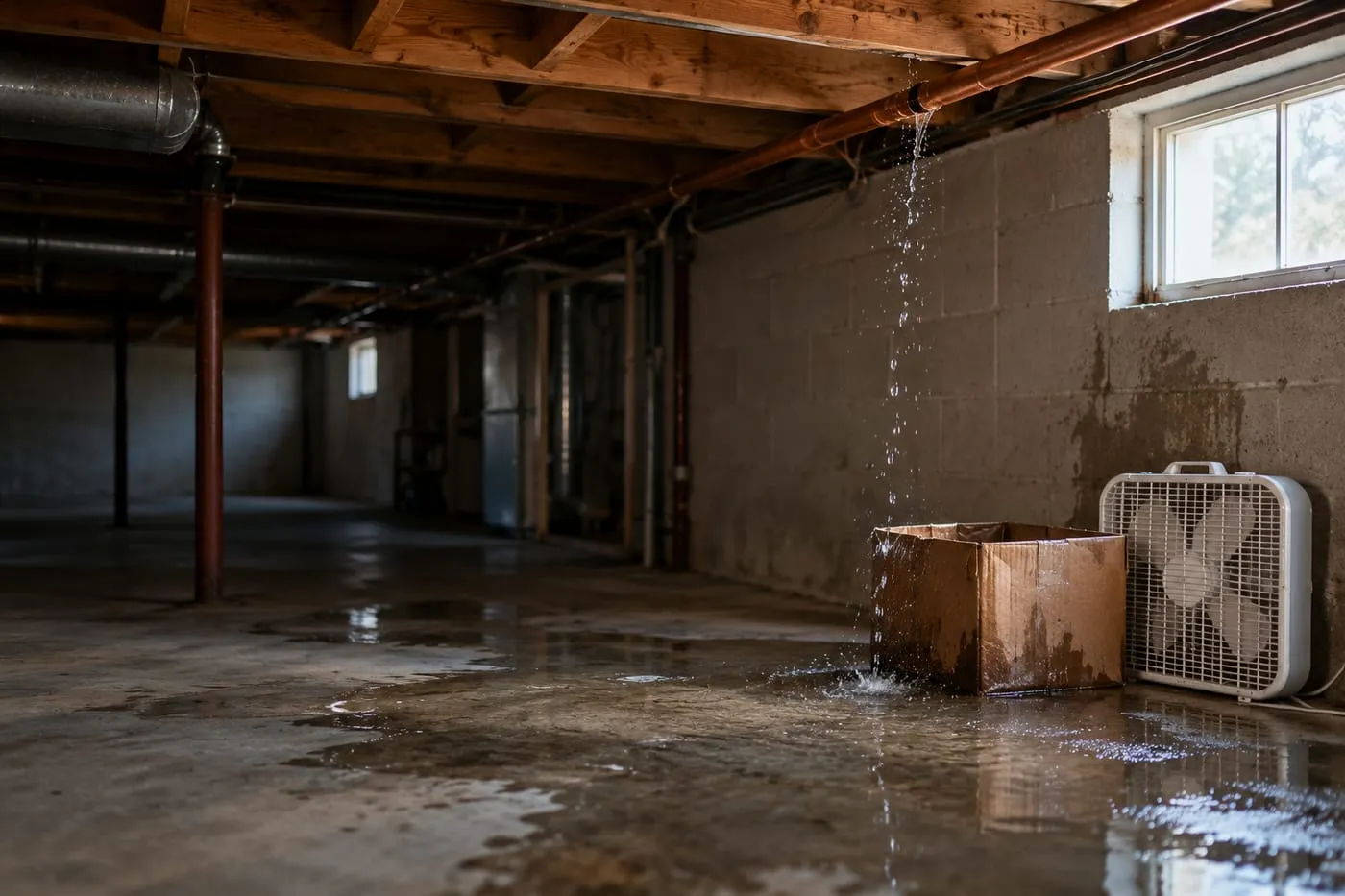
If the pipe has burst and water is flooding the home, and you can't find the shutoff valve, that's an emergency. Call us, day or night. Our burst pipe guide covers what to do next. Outside regular hours, emergency service requires a $250 upfront emergency fee. When paid, the standard $49 service fee is waived. During regular hours there is no emergency fee. Additional repairs are quoted before work begins. We respond immediately upon contact; dispatch and arrival depend on availability and location.
How to stop it happening again
Insulate pipes in cold spaces, seal drafts and keep the heat on when you're away. Our guide to preventing frozen pipes has the full list.
Get tips and reminders
New guides and seasonal reminders. A few emails a year.
Stop and call us if
- A faucet has little or no water and it's below freezing outside.
- You see frost, a bulge or a crack on a pipe.
- A pipe is leaking, out of reach or near electricity.
- Water is flooding the home and you can't find the shutoff valve.
Call 908-873-6686.

Michael Holt
Owner and operator of Plumbing Doctor, NJ Master Plumber (Lic. #36BI01345600) and U.S. Marine Corps veteran.
More about Mike