How Long Do Pipes Last? Lifespans for Copper, PEX, PVC, Galvanized and Cast Iron
By Mike Holt, NJ Master Plumber · September 20, 2024 · 4 min read · Updated November 1, 2026
Quick answer
There's no fixed number. As rough ranges, copper supply pipes are often cited at 50 to 70 years, PEX around 40 to 50, galvanized steel 20 to 50, cast iron drains 50 to 100 and PVC drains 50 or more. Water quality, water pressure, the application and how well the pipes were installed can change any of these.
Want us to take a look? We find the cause and give you written upfront flat-rate pricing options before any work starts.
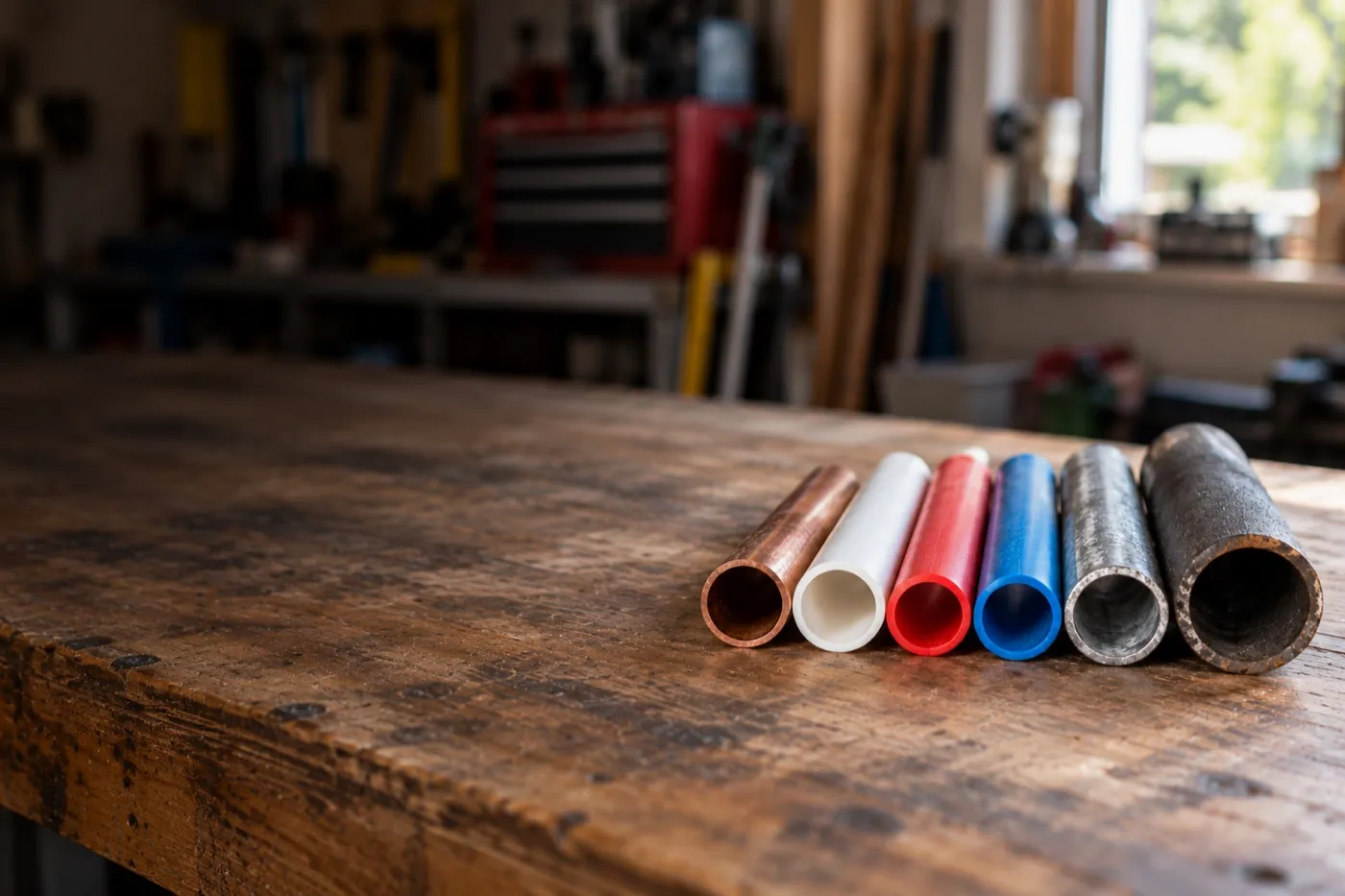
Most homes have two sets of pipes: supply pipes that bring pressurized water in, and drain pipes that carry waste out to the sewer. They're often made of different materials, and they wear at different rates. No pipe comes with a fixed service life, so treat the numbers below as rough guides.
How long does each type of pipe last?
| Material | Used for | Rough range, which varies | Common problems with age |
|---|---|---|---|
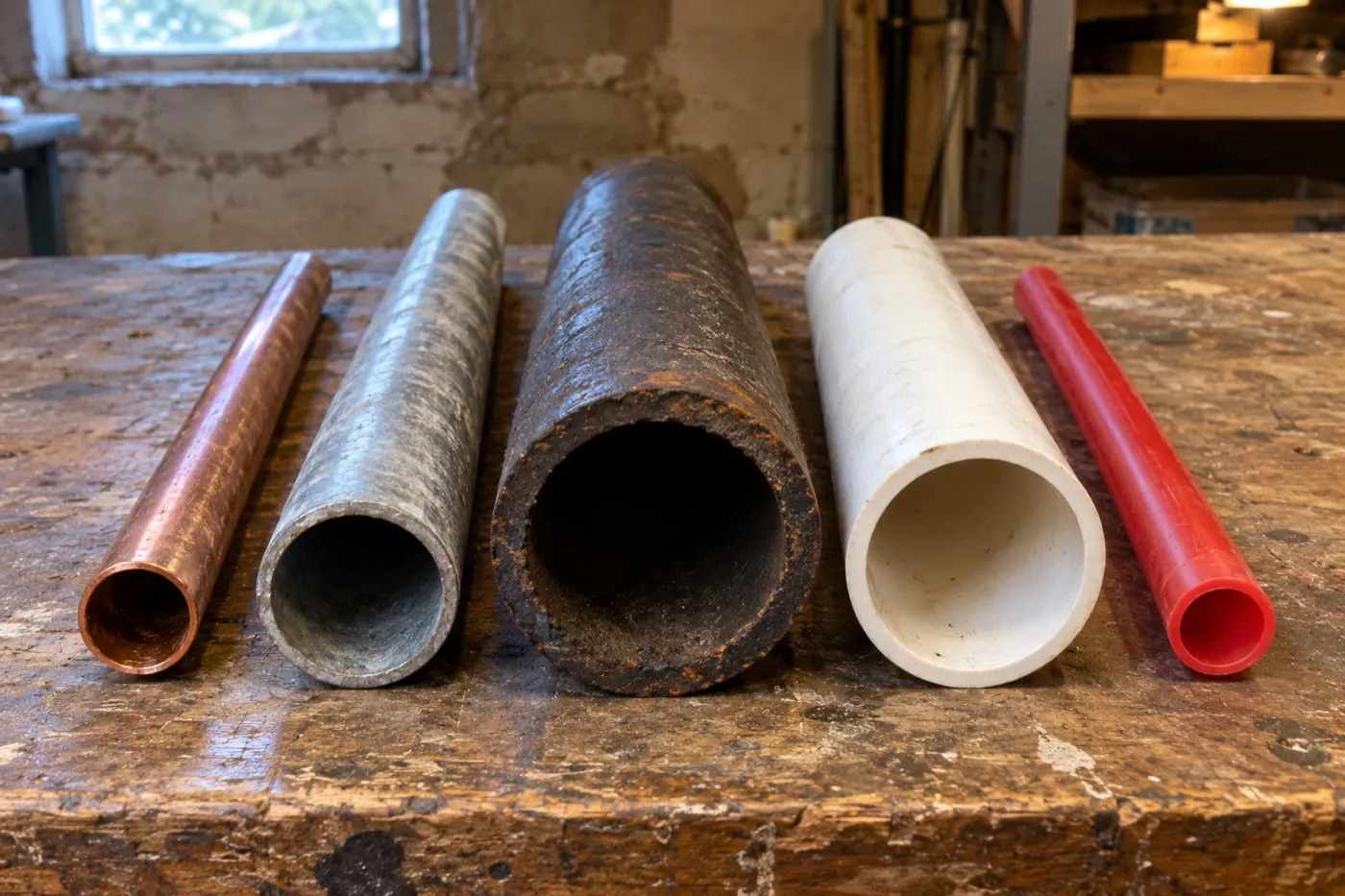
| Copper | Water supply | 50 to 70 years | Pinhole leaks, green crust at joints |
| Brass | Water supply, older homes | 40 to 70 years | Corrosion at threaded joints |
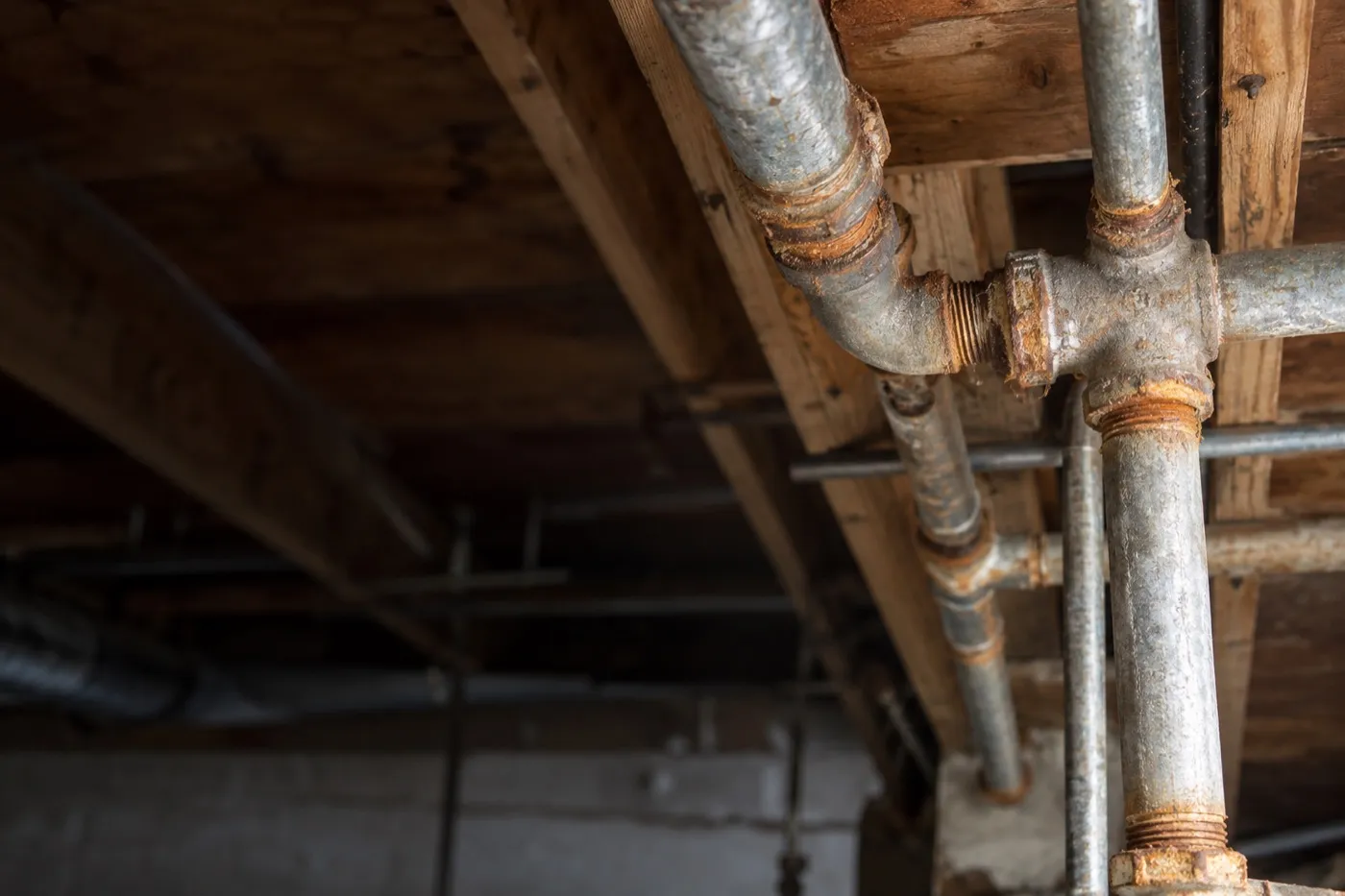
| Galvanized steel | Water supply, older homes | 20 to 50 years | Rust inside the pipe, low pressure, brown water |
| PEX | Water supply, newer homes | 40 to 50 years (expected) | Damage from sunlight, bad fittings |
| CPVC | Water supply | 50 years or more | Gets brittle with age and heat |
| Cast iron | Drains and sewer | 50 to 100 years | Rust, scale, cracks, root intrusion |
| PVC | Drains and sewer | 50 years or more | Cracked joints, poor slope if installed badly |
| Clay | Sewer line | 50 to 60 years | Roots at joints, cracks, collapse |
| Orangeburg (fiber pipe) | Sewer line, about 1945 to 1972 | 30 to 50 years | Flattens and collapses |
These are rough ranges and they vary. A well-installed pipe in good water can beat them, and a bad installation can fail in a fraction of the time. Material suitability depends on application, listing, manufacturer instructions and NJ code. Our guide to pipe types explains each material in more detail.
What makes pipes wear out faster?
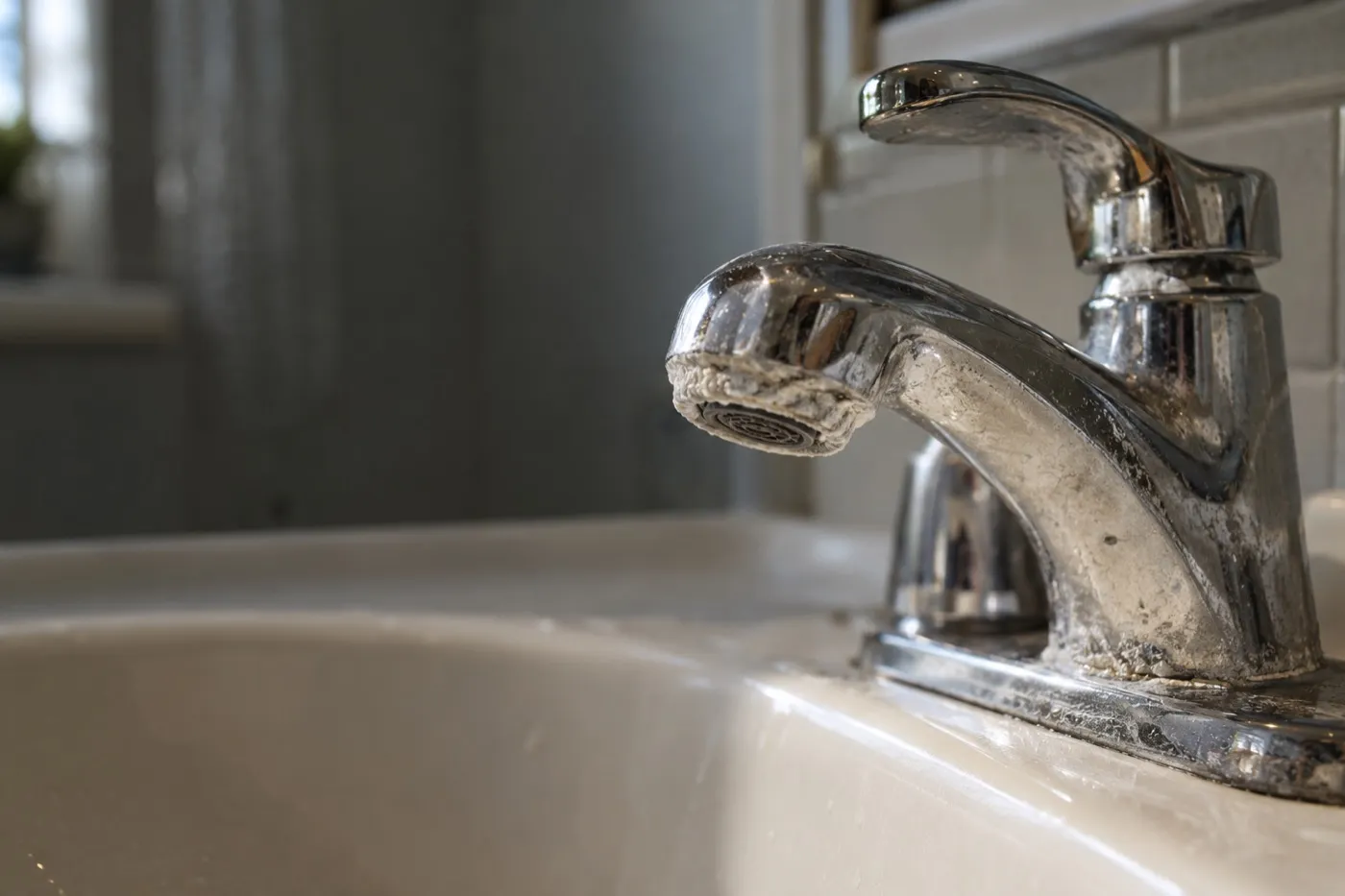
- Acidic water eats at copper and causes pinhole leaks. Hard water leaves scale that narrows pipes and wears out valves. See how hard water affects your plumbing.
- Water pressure above about 80 psi strains pipes, joints and fixtures. A pressure-reducing valve protects the whole house.
- Copper joined straight to galvanized steel corrodes at the joint unless a dielectric fitting separates the two metals.
- Pipes in outside walls, crawl spaces and garages can split in a hard freeze.
- Tree roots and shifting soil damage clay and cast iron sewer lines underground.
- Chemical drain cleaners, used often, can damage older drain pipes.
What are the signs your pipes are wearing out?
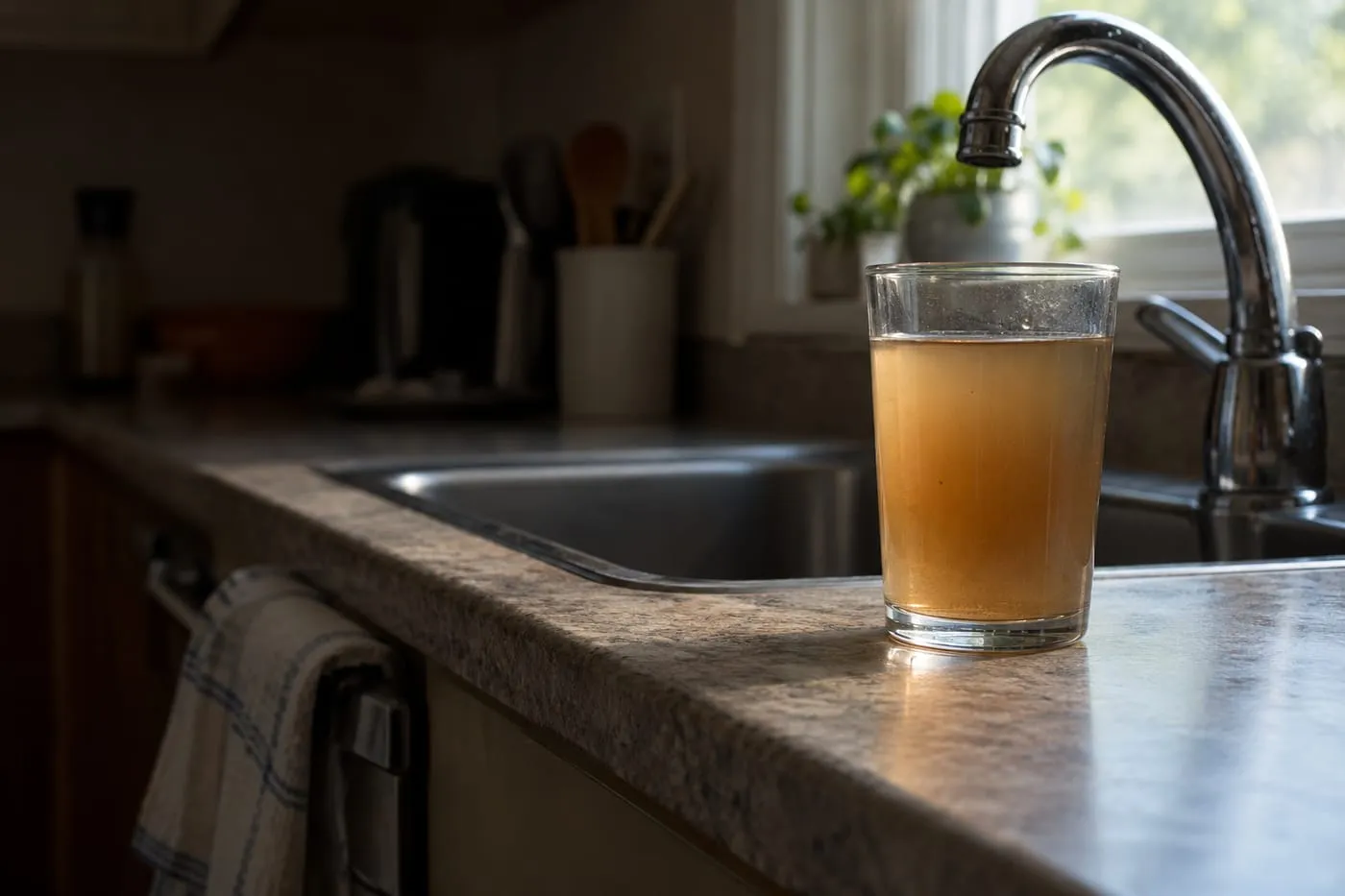
- Brown or rusty water, especially after the water has sat overnight. Our brown water guide helps you tell a pipe problem from a utility one.
- Water pressure that has slowly dropped everywhere in the house.
- Repeated pinhole leaks in copper.
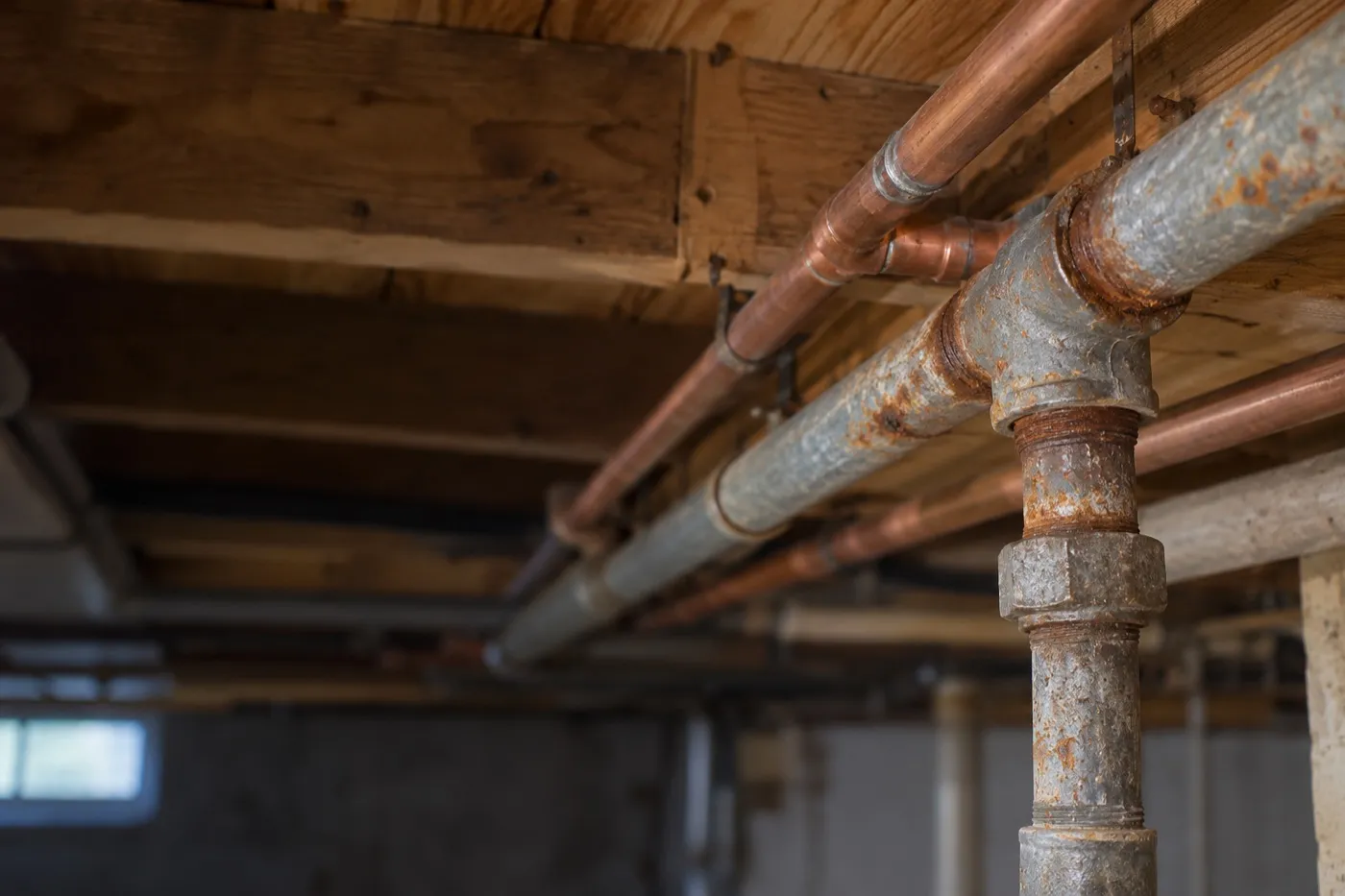
- Rust, flaking or crust on exposed pipes in the basement.
- Drains that back up again and again even after cleaning, which can point to a damaged sewer line.
- Stains on ceilings or walls, or the sound of running water when everything is off.
If you're seeing several of these, read signs you need repiping before you decide between spot repairs and a bigger job.
When should you repair and when should you replace?
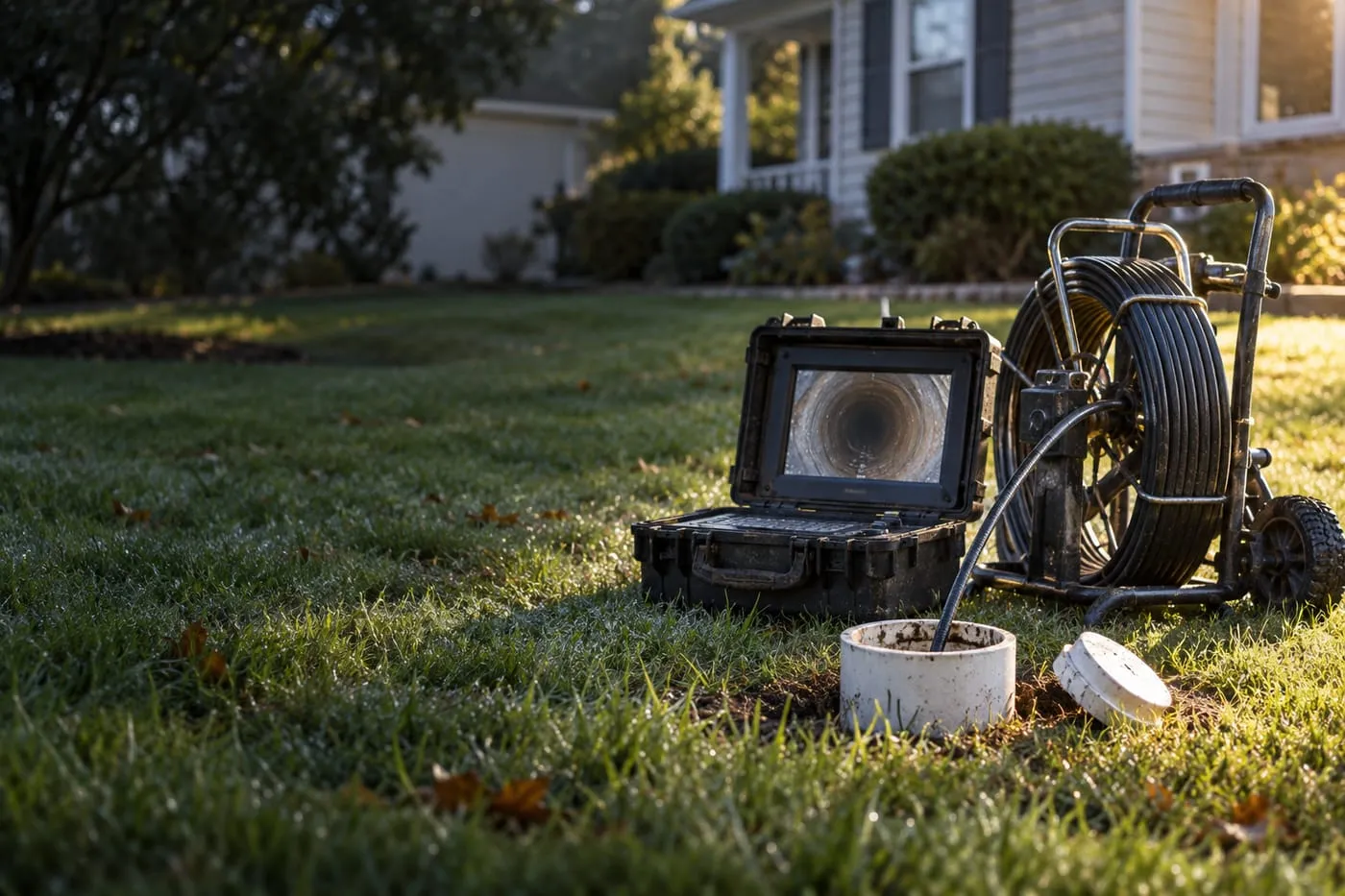
One leak in otherwise healthy pipe is a repair. Repeated leaks, galvanized supply pipe, or a sewer line that keeps clogging are different. Patching one spot on a failing system can mean another leak soon somewhere else. A sewer camera inspection can show the condition of drain and sewer pipes you can't see, and a look at the exposed supply pipes in the basement tells a lot about the rest.
Central New Jersey has plenty of homes from the 1920s through the 1970s, many with galvanized supply pipe, cast iron drains or clay sewer lines still in place. If you're buying one, a plumbing inspection before you buy is worth it.
How can you make your pipes last longer?
- Keep water pressure in the 40 to 80 psi range.
- Fix small leaks right away.
- Keep pipes from freezing in winter.
- Use a drain screen and keep grease and wipes out of drains.
- Soften very hard water.
- Have older drain and sewer lines checked before they cause a backup.
Not sure what's in your walls? Plumbing Doctor, a veteran-owned company in Somerset, NJ led by NJ Master Plumber Mike Holt (Lic. #36BI01345600), can look at your exposed pipes and tell you what we see. Contact us to confirm whether we handle your scope and materials. Learn about our repiping service or call 908-873-6686. Contact us to confirm whether your job site is within our current service area.
Get tips and reminders
New guides and seasonal reminders. A few emails a year.
Stop and call us if
- Your water is brown or rusty, especially first thing in the morning.
- Water pressure has dropped throughout the house, not just at one faucet.
- You've had more than one pinhole leak in copper pipe.
- The house still has galvanized supply pipes or an original cast iron or clay sewer line.
- You see green or white crust, rust or wet spots on exposed pipes.
Call 908-873-6686.

Michael Holt
Owner and operator of Plumbing Doctor, NJ Master Plumber (Lic. #36BI01345600) and U.S. Marine Corps veteran.
More about Mike