NJ Plumbing Code and Permits: What Homeowners Need to Know
By Mike Holt, NJ Master Plumber · January 17, 2025 · 3 min read · Updated November 1, 2026
Quick answer
NJ adopted the 2024 National Standard Plumbing Code, NJ edition, effective August 17, 2026, under N.J.A.C. 5:23-3.15. Fuel gas uses the 2024 International Fuel Gas Code with NJ amendments. Permit requirements depend on scope and applicable UCC exceptions; confirm with local enforcing agency. A licensed master plumber pulls the permit where one is required, and a town inspector checks the work.
Want us to take a look? We find the cause and give you written upfront flat-rate pricing options before any work starts.
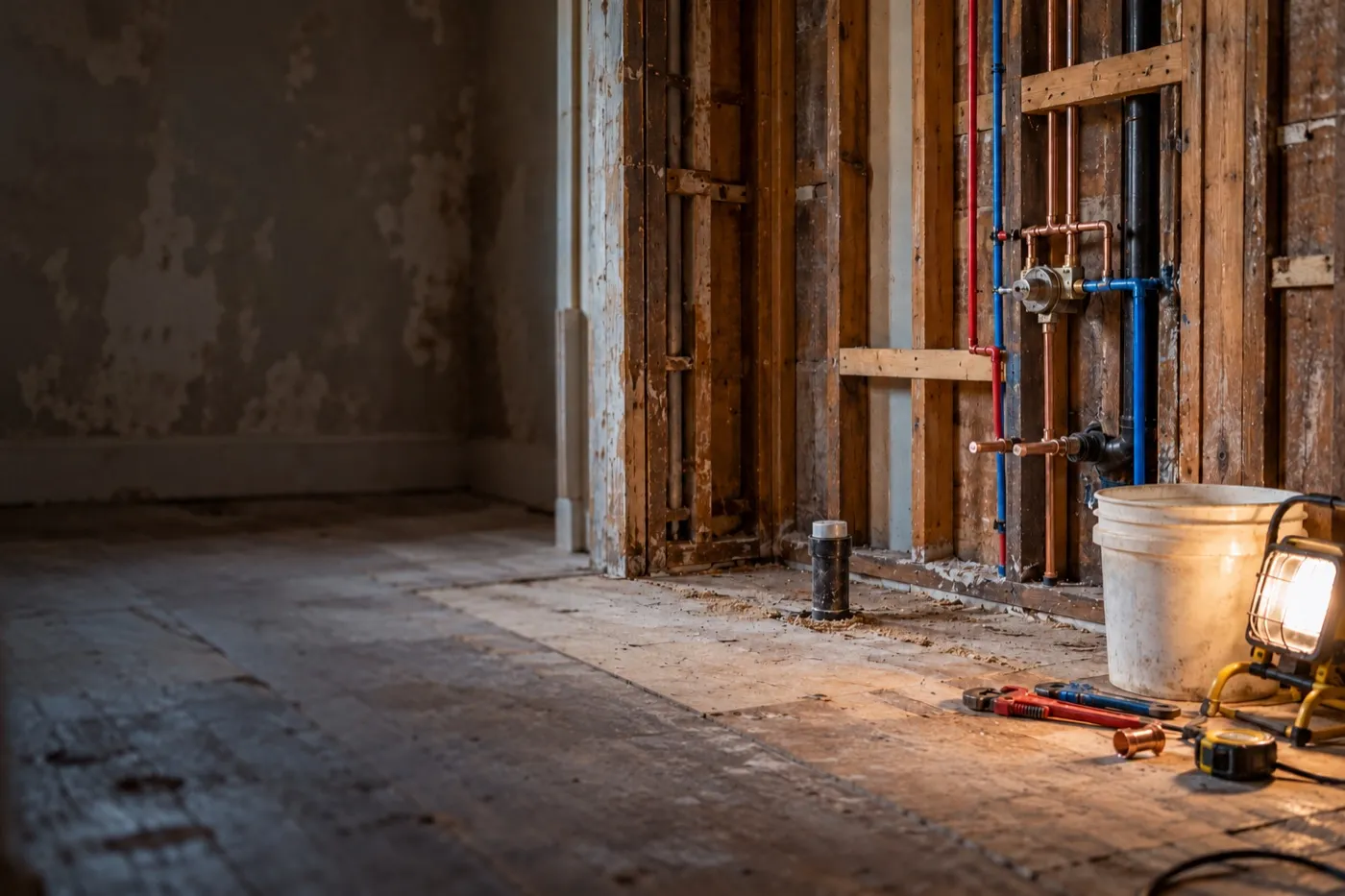
Plumbing code sounds like something only contractors need to think about, until you're remodeling a bathroom, replacing a water heater or selling a house. Here's how it works in New Jersey and what it means for you as a homeowner.
What plumbing code does New Jersey use?
NJ adopted the 2024 National Standard Plumbing Code, NJ edition, effective August 17, 2026, under N.J.A.C. 5:23-3.15. Fuel gas uses the 2024 International Fuel Gas Code with NJ amendments. Permit requirements depend on scope and applicable UCC exceptions; confirm with local enforcing agency.
New Jersey has one statewide building code, the Uniform Construction Code (UCC), in the state administrative code at N.J.A.C. 5:23. Your town doesn't write its own plumbing rules. Its construction office enforces the state code: it issues permits, reviews plans when they're needed and sends an inspector to check the work.
Which plumbing jobs need a permit in NJ?
This is a general guide only. Permit requirements depend on scope and applicable UCC exceptions, so confirm with your local enforcing agency.
| Job | Is a permit likely? |
|---|---|
| Replacing a water heater | Often (a gas heater may need a gas permit too) |
| New or moved sink, toilet, tub or shower | Often |
| Bathroom or kitchen remodel with plumbing changes | Often |
| New gas line for a range or dryer | Often |
| Sewer line or water service line replacement | Often |
| Repiping the house | Often |
| Backflow preventer or new water treatment equipment tied into the supply | Often |
| Replacing a faucet or toilet in the same spot | Often not |
| Fixing a leak, clearing a clog, replacing a flapper | Often not |
Your local enforcing agency has the final word. A licensed plumber can help with the paperwork where a permit is required.
Who pulls the plumbing permit?
In New Jersey, plumbing work for hire has to be done by or under a licensed master plumber, and the master plumber applies for the permit. The license number goes on the application. Plumbing Doctor's owner, Mike Holt, holds NJ Master Plumber Lic. #36BI01345600.
If a contractor tells you a water heater or gas line "doesn't need a permit," ask which exception applies and confirm it with your local enforcing agency. Our post on low plumbing bids covers other signs to watch for.
What does the plumbing inspector check?
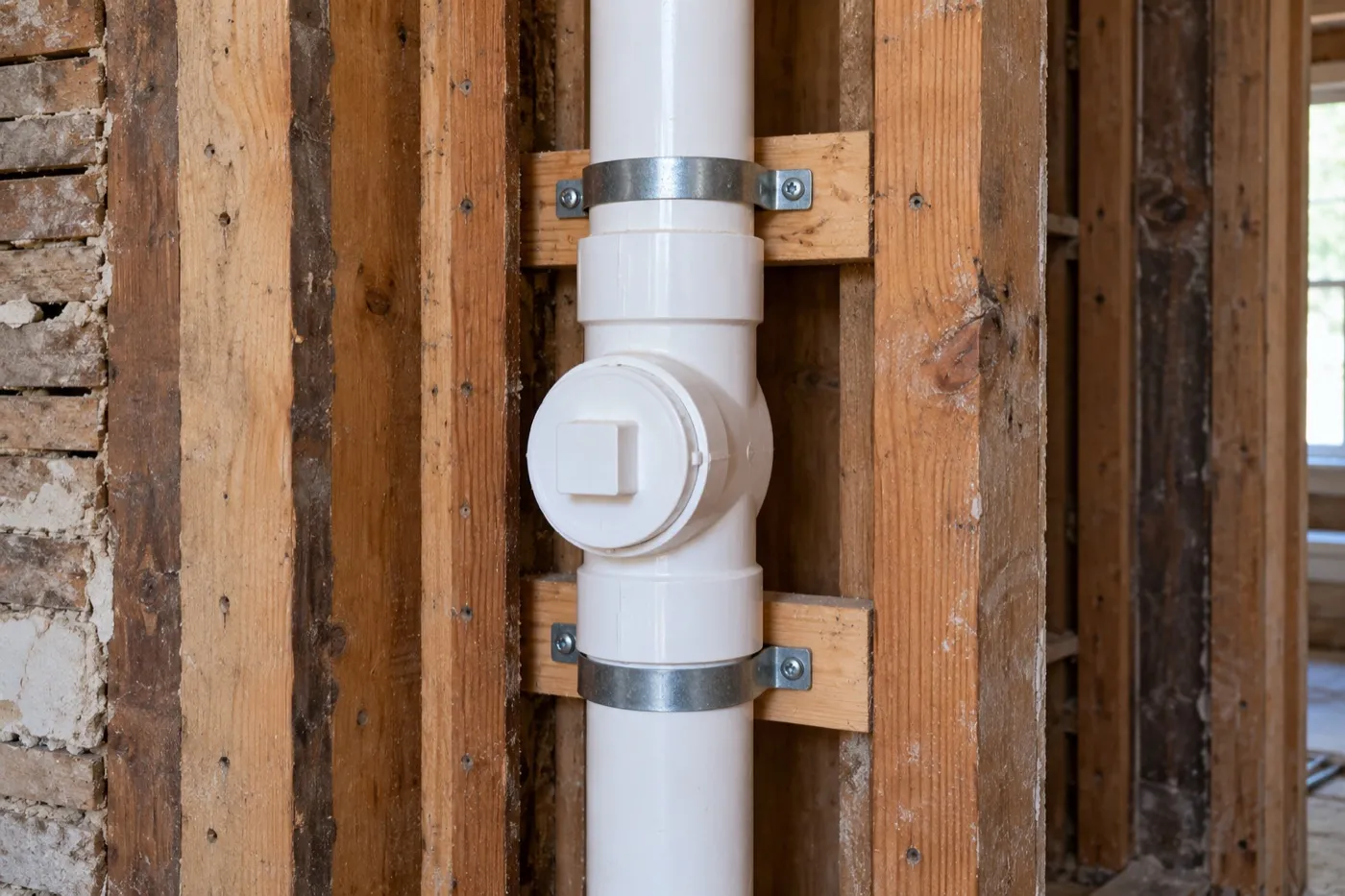
Inspections depend on the job, but the code is mostly about safety and keeping clean water clean:
- Drain and vent piping, so waste flows away and sewer gas stays out of the house.
- Traps on every fixture, which hold water as a seal against sewer gas.
- Backflow protection, so dirty water can't be pulled back into the drinking water.
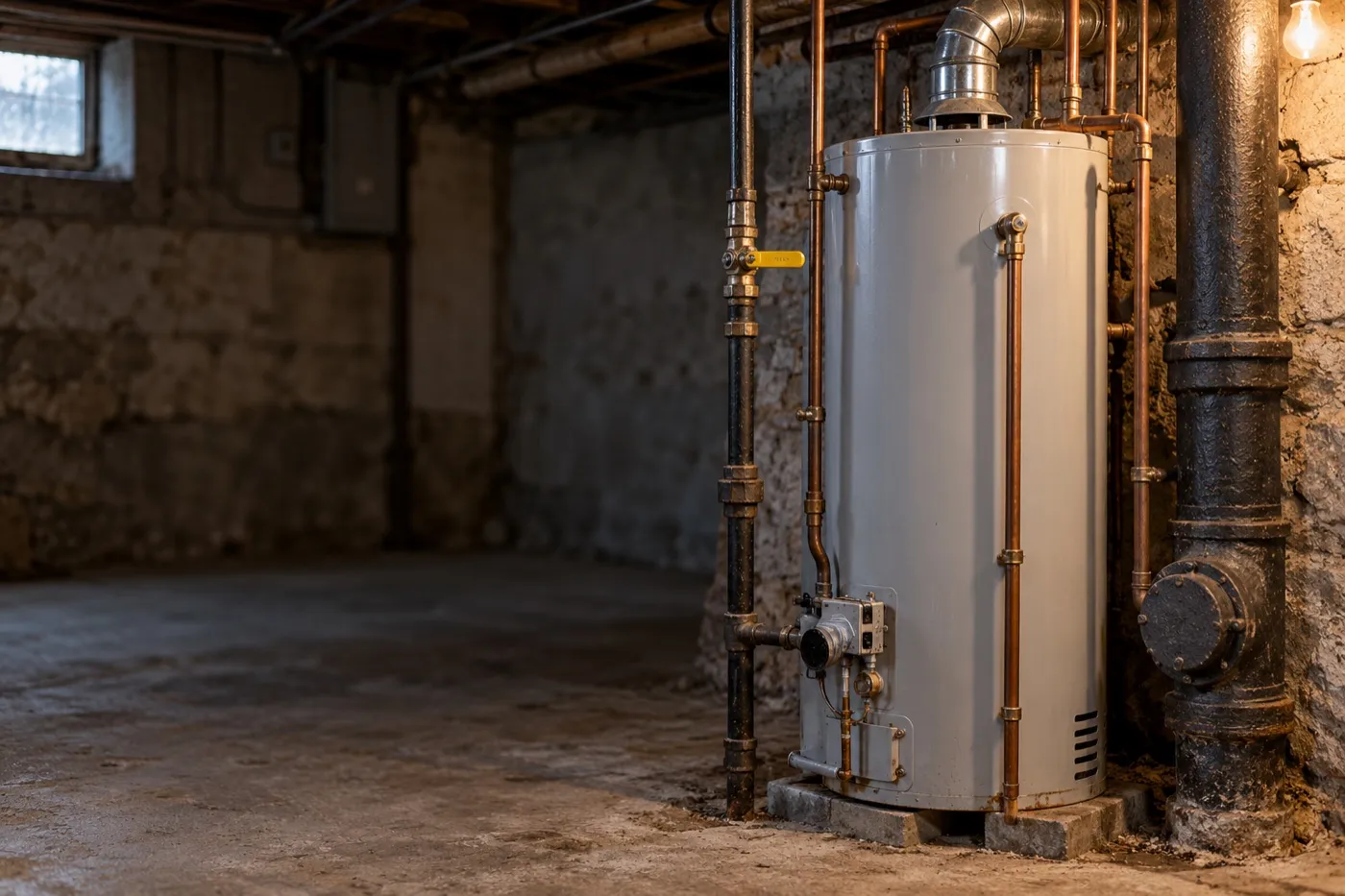
- Water heater safety: the temperature and pressure relief valve and its discharge pipe, venting, and the gas connection.
- Gas piping, which is pressure tested before it's put into service.
- Pipe materials and supports, used where the code and the listing allow them.
On a remodel, there's often a rough inspection with the walls open and a final inspection when the fixtures are in.
Why do permits matter when you sell your house?
Buyers' attorneys and home inspectors look for work done without permits. Open or missing permits can delay a closing, and an insurance company may push back on a claim tied to unpermitted work. Doing it right the first time is simpler than opening a wall later. If you're planning a renovation, read what to know about plumbing during a remodel.
Some plumbing work is better left to a licensed plumber
Gas lines, water heaters and sewer lines need a licensed plumber. Our list of plumbing repairs you shouldn't DIY explains why.
Plumbing Doctor handles permitted plumbing work, from water heater replacement to gas lines and repiping. Contact us to confirm whether we handle your scope and materials. Written upfront flat-rate pricing options. You choose. Most company-supplied materials and repairs come with a 1 year parts and labor warranty. Client-supplied materials are not covered under our warranty. Call 908-873-6686 to talk through your project.
Get tips and reminders
New guides and seasonal reminders. A few emails a year.
Stop and call us if
- You're planning a remodel that moves a sink, toilet, tub or shower.
- You're replacing a water heater, sewer line or water service line.
- Any gas piping is being added, moved or repaired.
- You're buying or selling a house and found plumbing work done without a permit.
Call 908-873-6686.

Michael Holt
Owner and operator of Plumbing Doctor, NJ Master Plumber (Lic. #36BI01345600) and U.S. Marine Corps veteran.
More about Mike