Call 908-873-6686Veteran-owned · NJ Master Plumber Lic. #36BI01345600
Plumbing Doctor van, protecting your health and sanitation4.9 174 reviews
on Google
4.9 121 reviews
on Thumbtack
Call 24/7908-873-6686Request service
Plumbing Tips

Plumbing how-to guides

Plain guidance from a NJ Master Plumber, including when to stop and call a professional.

4.9 stars, 174 Google reviews · NJ Master Plumber Lic. #36BI01345600

Plumbing During a Remodel: What to Replace While the Walls Are Open

By Mike Holt, NJ Master Plumber · April 12, 2024 · 3 min read · Updated November 1, 2026

Quick answer

A remodel is the cheapest time to fix old plumbing, because the walls and floors are already open. Replace old galvanized or corroded supply pipes, add shutoff valves at every fixture, check the drain and vent lines, and have the main sewer line camera-checked before new floors go in. Moving a sink, toilet or shower needs a plumbing permit in New Jersey.

Save this guide so it's one tap away in an emergency.

Add our number

Want us to take a look? We find the cause and give you written upfront flat-rate pricing options before any work starts.

A kitchen or bathroom remodel opens up walls and floors that may not be opened again for decades. That makes it the cheapest moment to deal with old plumbing. A pipe you replace now costs a fraction of what it would cost after the new tile goes in.

What plumbing should you replace during a remodel?
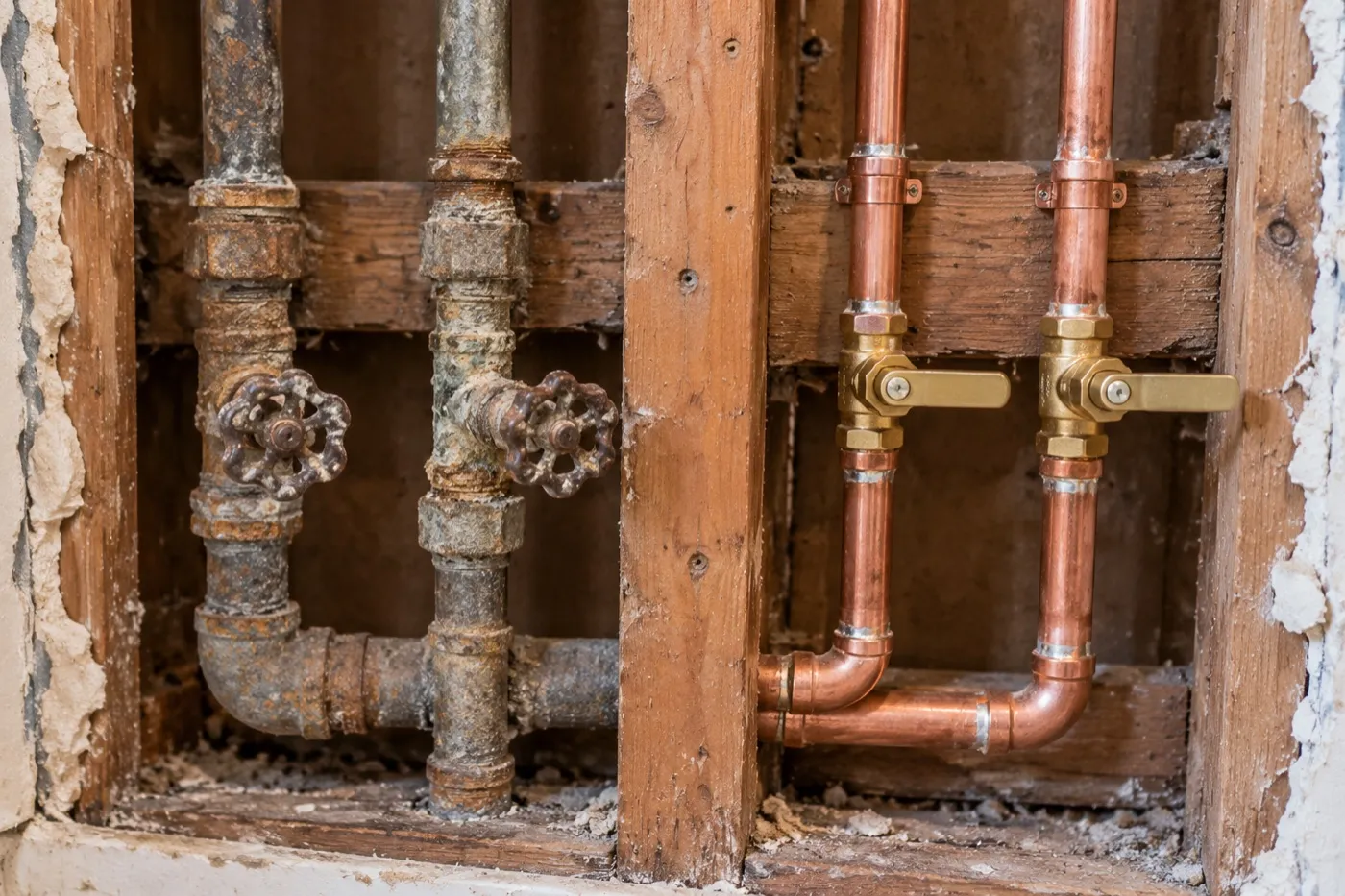
Old corroded galvanized steel supply pipes next to new copper pipes in an open bathroom wall

While the walls are openWhy it's worth doing now
Old galvanized steel supply pipesThey rust from the inside, lower water pressure and eventually leak
Corroded or patched copperGreen or white crust at fittings means slow leaks are coming
Shutoff valves at each fixtureOld valves seize; new quarter-turn valves let you stop a leak fast
Tub and shower valveA new valve with anti-scald protection matches the new trim
Drain and vent linesCracked cast iron and bad slopes cause slow drains and sewer smells
The main sewer lineA camera check before new floors avoids tearing up a finished room

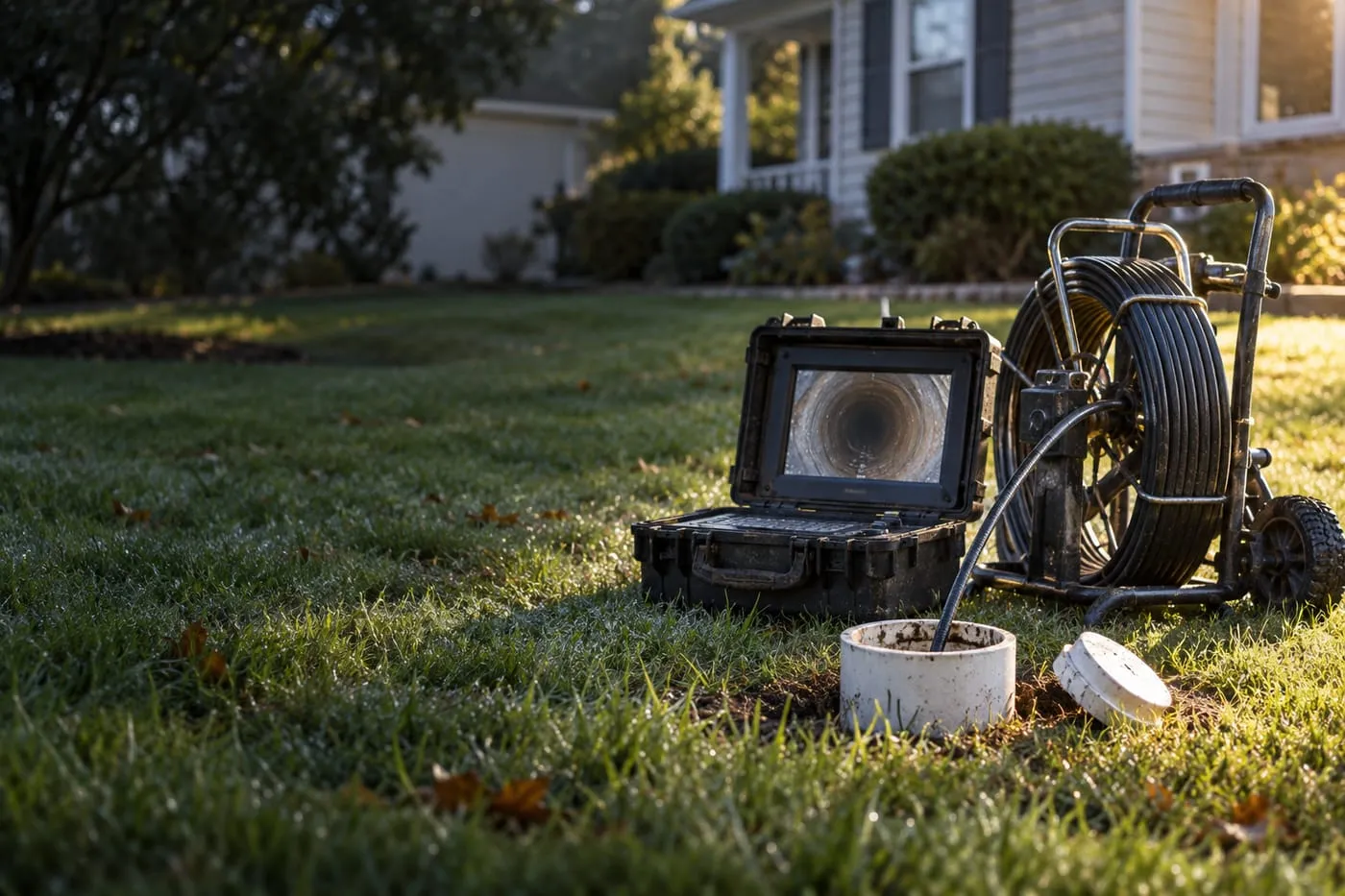
If the house is older, ask about the main line too. A sewer camera inspection shows roots, cracks and sags before you put new flooring over the cleanout.

What changes when you move fixtures?

Keeping every fixture where it is costs the least. Moving one means rerouting both the water supply and the drain, and drains are the hard part. They need the right size, a steady downhill slope and a vent.

  • Moving a sink a few feet is usually simple.
  • Moving a shower or tub means a new drain location and a new valve.
  • Moving a toilet is the biggest change. It needs a large drain line and a vent, and it may mean cutting into the floor and joists.
  • Adding a bathroom or laundry room means tying into the existing drain and vent system, and sometimes a pump if it's below the sewer line.

Plan these moves with a plumber before you order fixtures, tile or cabinets.

Do you need a permit for remodel plumbing in NJ?

If you're adding, moving or replacing plumbing beyond a simple swap, yes. In New Jersey the town's construction office issues the permit under the Uniform Construction Code, and a licensed master plumber pulls it. Most remodels get a rough inspection with the walls open and a final inspection at the end. Our guide to NJ plumbing codes and permits covers the details.

When should the plumber come in?

  1. Before demolition, for a walkthrough: what stays, what moves and what's worth replacing.
  2. After demolition and framing, for rough-in: new supply, drain and vent lines, then the rough inspection.
  3. After tile and cabinets, to set fixtures: toilet, sink, faucets and shower trim, then the final inspection.

Build the plumbing inspections into your contractor's schedule early, so the job doesn't stall with the walls open.

Is it time to repipe the whole house?

If your remodel turns up galvanized steel, or you already have low pressure and rusty water, the rest of the house probably has the same pipe. Repiping while one room is open can be a good time to start. See signs your home needs repiping and our repiping service. Contact us to confirm whether we handle your scope and materials.

Plumbing Doctor handles remodel plumbing across Central New Jersey, from rough-in to setting fixtures, under NJ Master Plumber Lic. #36BI01345600. We don't remove or install undermount sinks, so tell us early if your plan includes one. Written upfront flat-rate pricing options. You choose. Most company-supplied materials and repairs come with a 1 year parts and labor warranty. Client-supplied materials are not covered under our warranty. Call 908-873-6686 to walk through your remodel with us.

Keep this guideFor the next time something leaks

Save it for an emergency

Keep these steps and our number one tap away.

Add our number

Get tips and reminders

New guides and seasonal reminders. A few emails a year.

Stop and call us if

  • Your plan moves a toilet, tub, shower or sink to a new spot.
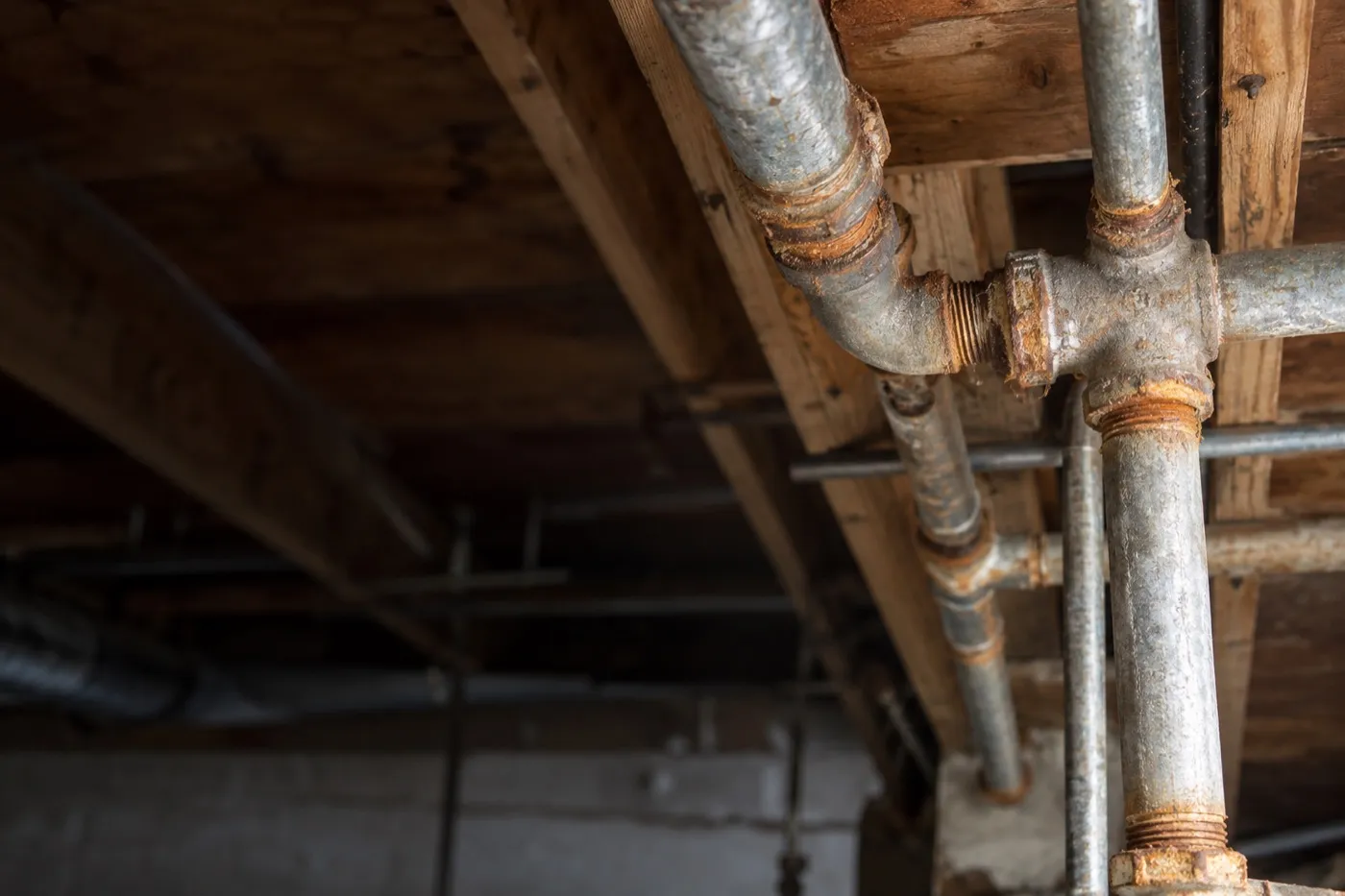
  • You find galvanized steel, lead or badly corroded pipes behind the walls.
  • The house has had slow drains or sewer backups.
  • You're adding a bathroom, a laundry room or a gas range.

Call 908-873-6686.

Need a licensed plumber?Written upfront flat-rate pricing options. You choose. We respond immediately to calls and online inquiries. Same-day appointments may be available, subject to technician availability and scheduling.
Mike Holt
About the author

Michael Holt

Owner and operator of Plumbing Doctor, NJ Master Plumber (Lic. #36BI01345600) and U.S. Marine Corps veteran.

More about Mike
FAQ

Questions we get about this

Don't see your question? Call us and ask.

Call 908-873-6686
Should I replace plumbing during a bathroom remodel?

Usually, yes, if the pipes are old. With the walls open, replacing old galvanized steel or corroded copper costs far less than opening new tile later. Pipes in good shape can stay, but shutoff valves, supply lines and any fittings showing corrosion are worth replacing while you have easy access.

Can you move a toilet during a remodel?

Often, yes, but it's one of the bigger plumbing changes. A toilet needs a large drain line with the right slope and a vent, so moving it can mean cutting into the floor and joists below. Plan it with a plumber before you order the toilet or tile. It needs a permit in New Jersey.

Do I need a permit for plumbing in a remodel in NJ?

If the remodel adds, moves or replaces plumbing beyond a like-for-like swap, yes. New Jersey towns issue plumbing permits through the construction office under the Uniform Construction Code. A licensed master plumber pulls the permit, and the inspector usually checks the work before the walls are closed and again at the end.

When should the plumber come in during a remodel?

Twice, at least. Once at the start for rough-in, after demolition and framing, to run the new supply, drain and vent lines before inspection. Then again at the end to set the toilet, sink, faucets and shower trim after the tile and cabinets are in. A walkthrough before demolition helps with planning.

How much does remodel plumbing cost?

It depends on how much is moving, the age of the existing pipes, access from below, and the fixtures you choose. Keeping fixtures where they are costs the least. We look at the space and give you written upfront flat-rate pricing options before any work starts. The $49 service call covers the trip and is waived if you go ahead with the work. Additional work is quoted before written authorization from the client. Any latent conditions that change the upfront price will be given to the client in writing and will require written approval prior to our starting the work on the latent condition.

Leaking pipe right now?

Shut off the water first if you can reach the valve safely, then call us, day or night.

908-873-6686

Outside regular hours and on holidays, emergency service requires a $250 upfront emergency fee. When paid, the standard $49 service fee is waived. During regular hours there is no emergency fee. Additional repairs are quoted before work begins. We respond immediately upon contact; dispatch and arrival depend on availability and location.

Do this now

  1. Shut the main valve. Usually where the water line enters, near the meter.
  2. Stay clear of electricity. Don't enter standing water or touch electrical controls near the leak.
  3. Open a low faucet to drain the pipes and take pressure off the leak.
Selected Google reviews

What neighbors say

Excellent4.9 from 174 reviews on Google
Richard F.Google review
★★★★★

Had backup and they came out in half hour on a Sunday and got the blockage resolved. They cleaned up after themselves. Very very professional people.

Lisa L.Google review
★★★★★

Honest, reliable and they do a great job. I highly recommend plumbing doctor services.

Felicia T.Google review
★★★★★

Mike is awesome, knowledgeable, thorough and friendly! Overall great and expedient experience!

John G.Google review
★★★★★

Excellent service and very knowledgeable. I definitely recommend them.

JoeGoogle review
★★★★★

Very knowledgeable, attention to detail, extremely neat and organized. We highly recommend Plumbing Doctor.

Naomi H.Google review
★★★★★

Mike works quickly and is transparent with pricing. He's trustworthy, reliable and brings his own shoe covers.

Hazim A.Google review
★★★★★

They tell me what is worth doing or not doing, and won't try to upcharge me. The work is always great. They are my go-to!

Kevin C.Google review
★★★★★

Found my outdoor cleanout that was covered up for years and no other company could find! … They use drop cloths and clean up when they are done.

Read all 174 reviews on Google · Leave us a review

We respond immediatelySame-day appointments may be available

What's going on?

Tap one. It takes about a minute, and we get your request right away.

Problem
How soon?

Enter a 5-digit ZIP code, or leave it empty.

Where can we reach you?

Please enter your name.

Enter a 10-digit phone number.

Best way to reach you

That email doesn't look right.

Leaking pipe? Call 908-873-6686