Gas Leak Signs: What to Do If You Smell Gas at Home
By Mike Holt, NJ Master Plumber · November 1, 2026 · 4 min read · Updated November 1, 2026
Quick answer
Leave the building immediately. Do not operate switches, flames, appliances or phones inside. From a safe location call 911 and the gas utility. Do not re-enter until cleared. The main sign of a gas leak is a rotten-egg or sulfur smell. You may also hear hissing near a pipe or appliance, see dead grass over a buried gas line, or see bubbles in a puddle outside.
- Difficulty
- No repairs. Safety steps anyone can follow
- Time
- Under 2 minutes to get out
- You need
- None. Use a phone only from a safe location
Rather not risk it? A licensed plumber can handle this for you, with written upfront flat-rate pricing options before any work starts.
Strong smell or hissing right now? Leave the building immediately. Do not operate switches, flames, appliances or phones inside. From a safe location call 911 and the gas utility. Do not re-enter until cleared. 908-873-6686
Leave the building immediately. Do not operate switches, flames, appliances or phones inside. From a safe location call 911 and the gas utility. Do not re-enter until cleared.
Everything else on this page comes after that. Here are the signs to watch for and what to do if you notice one.
Signs of a gas leak in your home
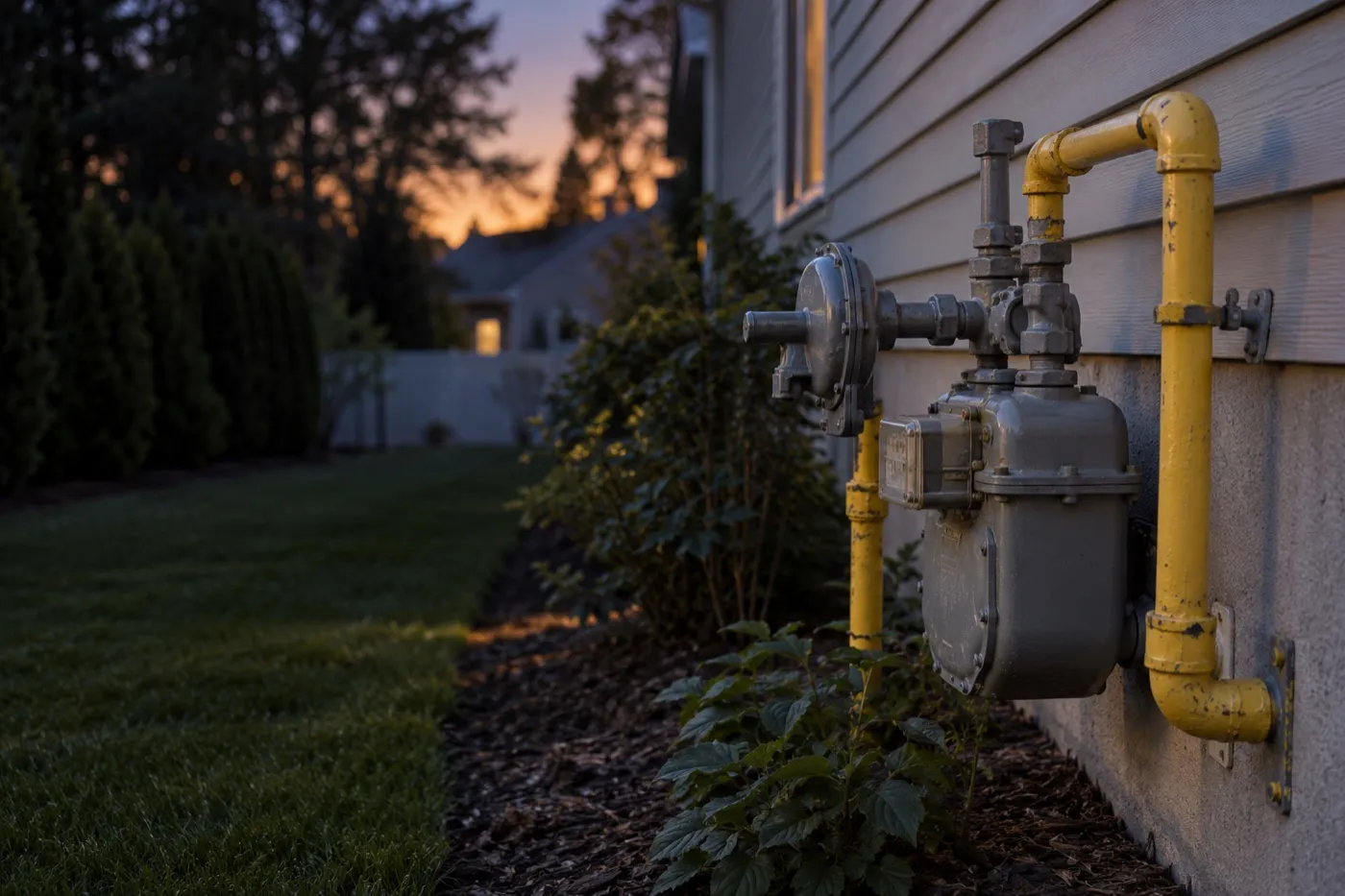
- A rotten-egg or sulfur smell inside, near an appliance or near the meter outside
- A hissing or whistling sound near a gas pipe, connector or appliance
- Dead or brown grass in a strip over a buried gas line when the rest of the lawn is green
- Bubbles in a puddle or wet ground where a gas line runs
- A burner flame that's yellow or orange instead of blue, or soot around an appliance
- A gas bill that jumps when your usage hasn't changed
- Headaches, dizziness or nausea at home that ease when you go outside
Any one of these is enough to act on. You don't need to find the leak yourself.
What to do if you smell gas
Step 1: Get everyone out now
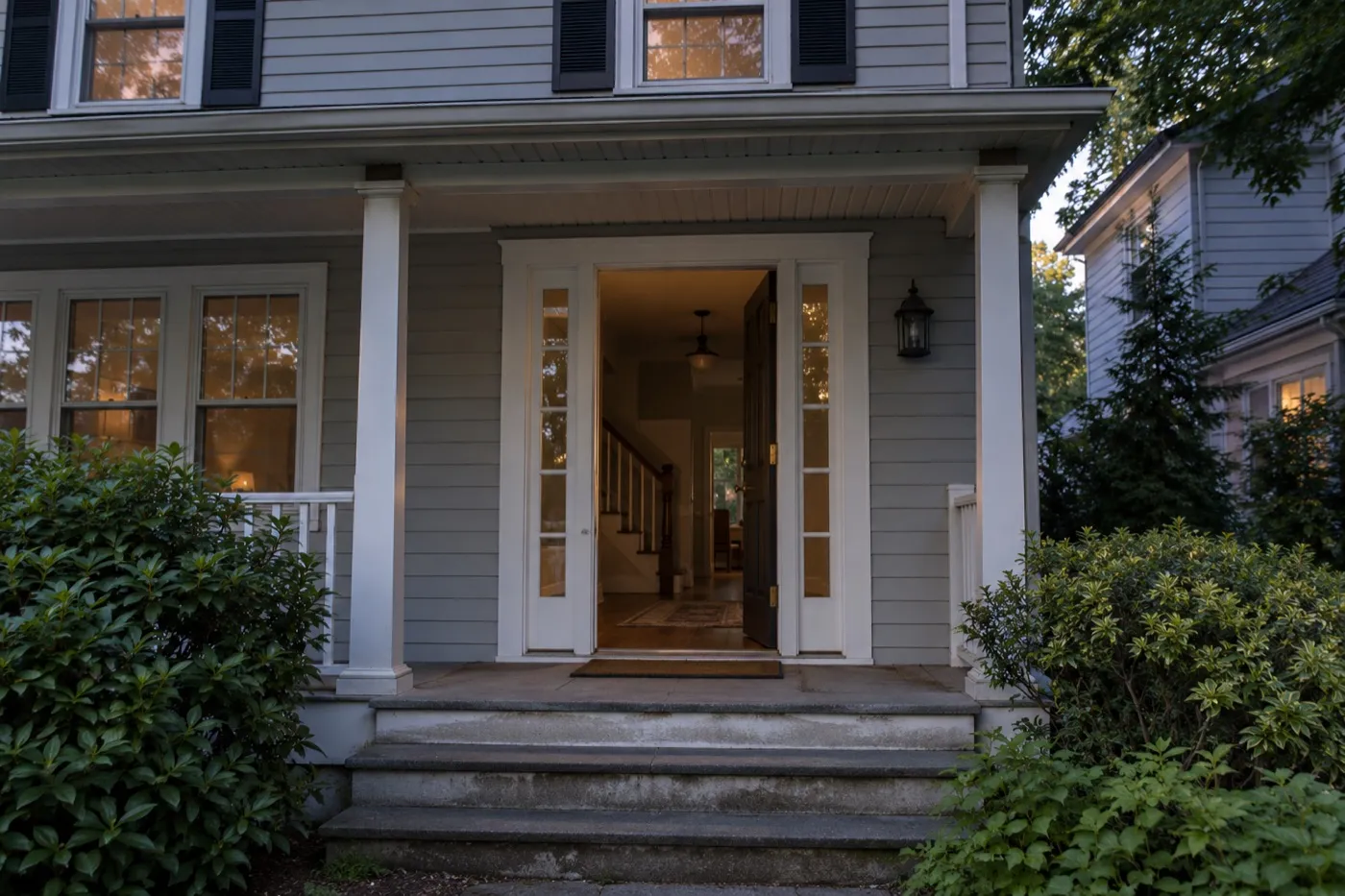
Leave right away with every person and pet in the house. Don't stop to look for the leak, open windows room by room or gather belongings. If the door is in your way, leave it open behind you. Walk well away from the house, toward the street.
Step 2: Don't make a spark on the way out
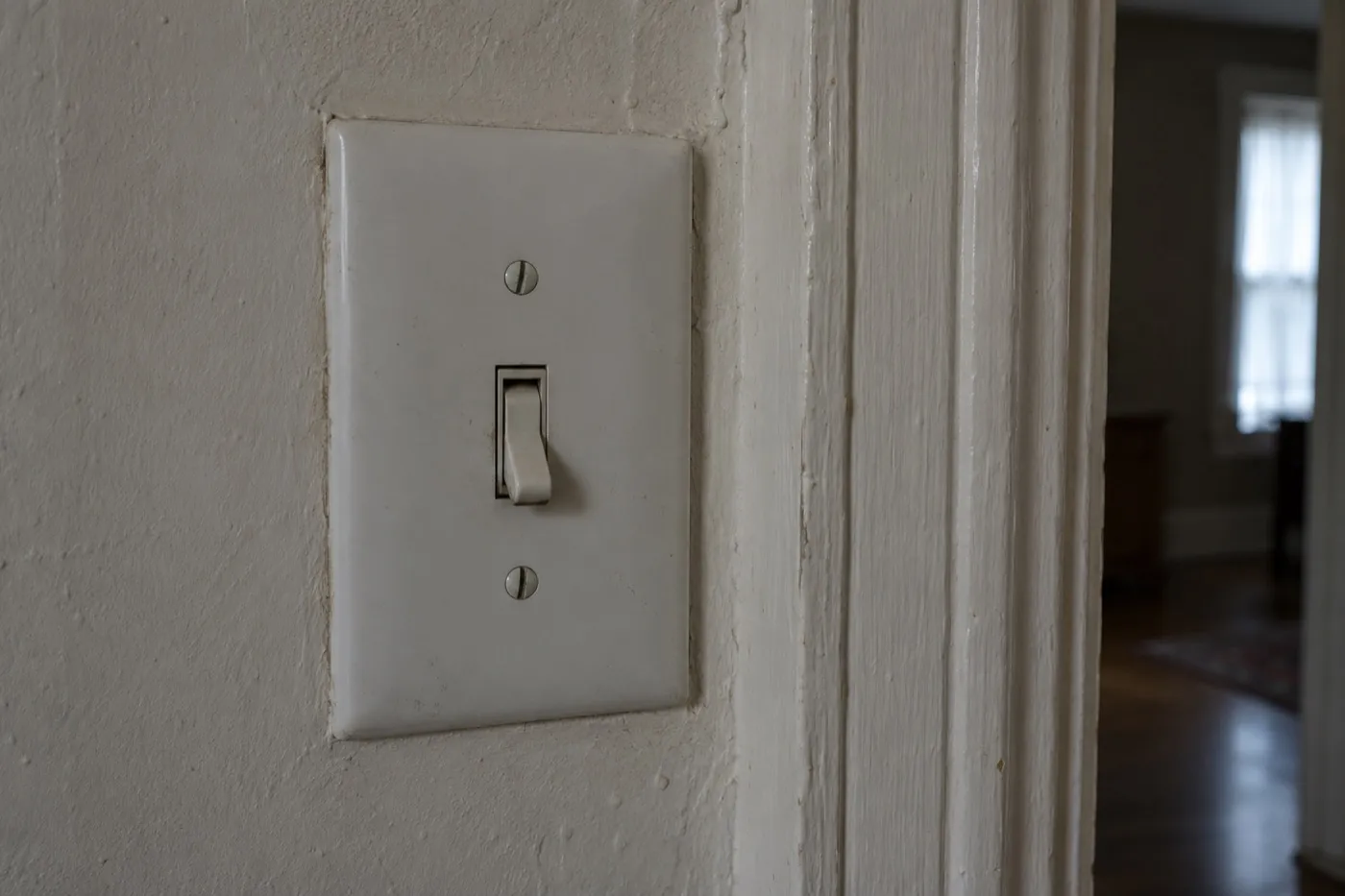
A tiny spark can ignite gas. On your way out, don't flip light switches on or off, don't unplug anything, and don't ring the doorbell or use the garage door opener. Don't light a match or lighter, and don't start a car in an attached garage. Don't use a phone inside the house.
Step 3: Call from a safe distance

Once you're outside and away from the house, call 911 and your gas utility's emergency line. In Central New Jersey that's usually PSE&G, New Jersey Natural Gas or Elizabethtown Gas; the number is on your bill and the utility's website. Tell them you smell gas, and wait outside. Do not re-enter until cleared.
Step 4: After you're cleared, arrange the repair
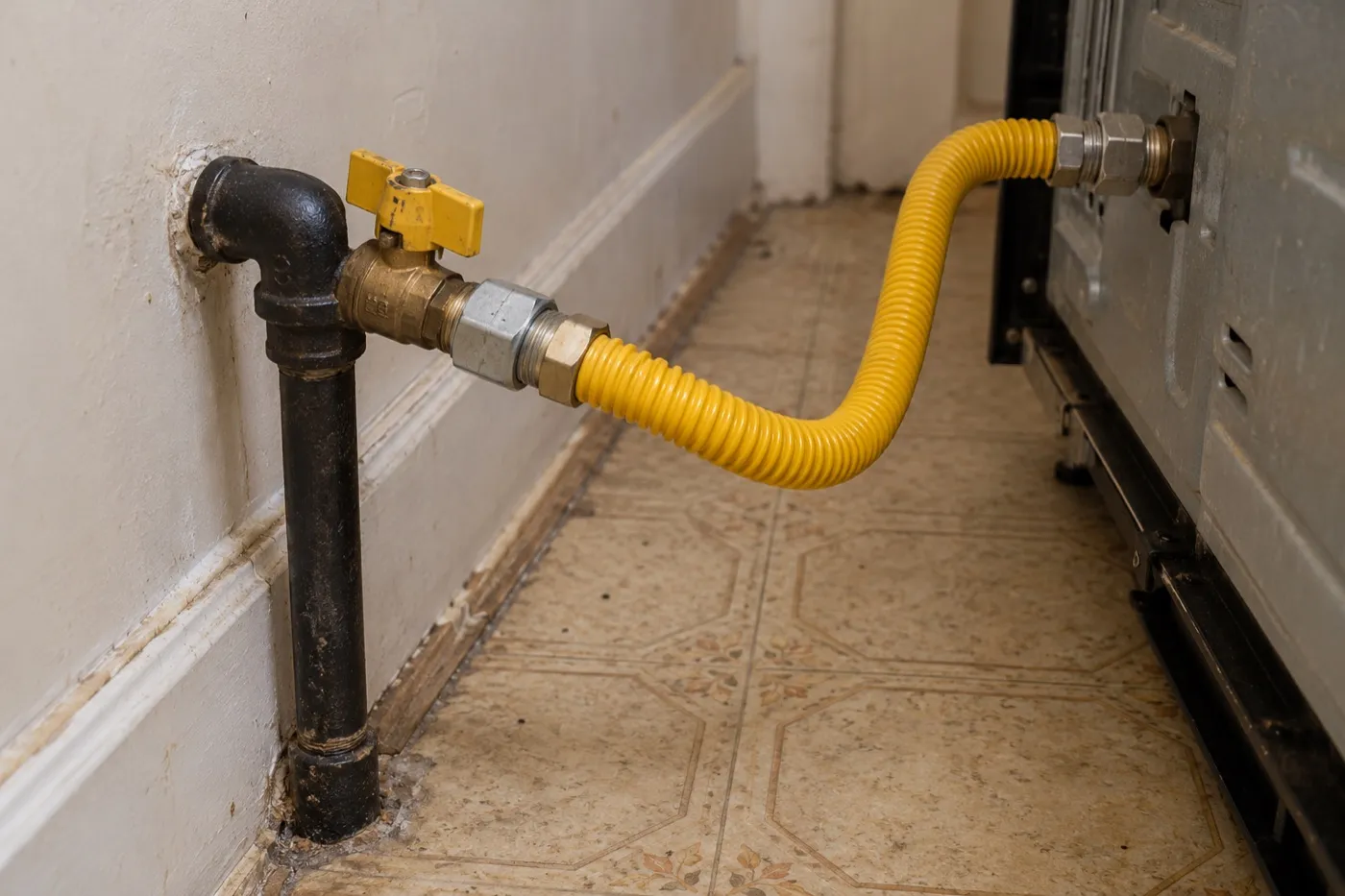
The utility finds the leak and makes it safe, which can mean shutting off the gas or tagging an appliance. If the leak is in your house piping or at an appliance connector, a licensed plumber has to repair it. Plumbing Doctor can discuss eligible repair work after the utility/authorities declare the site safe; scope of the repair work requires confirmation. See gas line services.
Gas leak symptoms in people and pets
Breathing natural gas in a closed space can cause headaches, dizziness, nausea, tiredness, and in high amounts trouble breathing. Pets may seem sluggish or unwell. If the symptoms ease when you step outside, that points to something in the house.
A gas appliance that burns badly can also make carbon monoxide. You can't smell carbon monoxide, and it causes the same kinds of symptoms. Working carbon monoxide alarms on every level, and near bedrooms, are the only reliable warning. If an alarm sounds or anyone feels sick, get out and call 911 from a safe location.
Is it gas or sewer gas?
Both can smell like rotten eggs. Sewer gas usually comes from a floor drain, sink or toilet that has dried out or a loose seal, and it's strongest right at the drain. You can't be sure by smell alone, so if you have any doubt, treat it as a gas leak and leave. Once a responder has ruled out natural gas, our guide to sewer smells covers the drain side.
How to lower the risk of a gas leak
- Have a licensed plumber replace old uncoated brass appliance connectors and any connector that's kinked or older than the appliance.
- Keep the area around the meter and gas lines clear, and don't hang things from gas pipes.
- Call 811 before you dig in the yard, so buried gas lines are marked first.
- Have new or moved gas lines installed by a licensed plumber, sized for every appliance on the line and pressure-tested. We don't work on outside grill, fire pit or generator lines, or on fireplace lines.
- Test your carbon monoxide alarms monthly and replace them when they reach the end of their life.
Plumbing Doctor is a veteran-owned NJ Master Plumber in Somerset, serving Central New Jersey. Plumbing Doctor can discuss eligible repair work after the utility/authorities declare the site safe; scope of the repair work requires confirmation. Call 908-873-6686 once you've been cleared.
Get tips and reminders
New guides and seasonal reminders. A few emails a year.
Stop and call us if
- The site has been declared safe, and the gas company found a leak on your side of the meter or tagged an appliance.
- The site has been declared safe, and the utility or fire department told you to have a licensed plumber repair and test a line.
- A gas connector behind a range or dryer is old, kinked or made of uncoated brass, and you don't smell gas.
Call 908-873-6686.

Michael Holt
Owner and operator of Plumbing Doctor, NJ Master Plumber (Lic. #36BI01345600) and U.S. Marine Corps veteran.
More about Mike