Sewer Smell in the House? 6 Places to Check
By Mike Holt, NJ Master Plumber · October 31, 2026 · 5 min read · Updated November 1, 2026
Quick answer
A sewer smell in the house most often comes from a drain trap that has dried out, such as a basement floor drain or an unused shower. Pour a quart of water into every drain you rarely use. If it stays, look at the toilet base, the cleanout cap and the sump pit, listen for gurgling drains, and call us. Don't open the sewer line yourself.
- Difficulty
- Simple checks only. Sewer repairs need a professional
- Time
- 15 to 30 minutes
- You need
- Pitcher of water, flashlight
Rather not risk it? A licensed plumber can handle this for you, with written upfront flat-rate pricing options before any work starts.
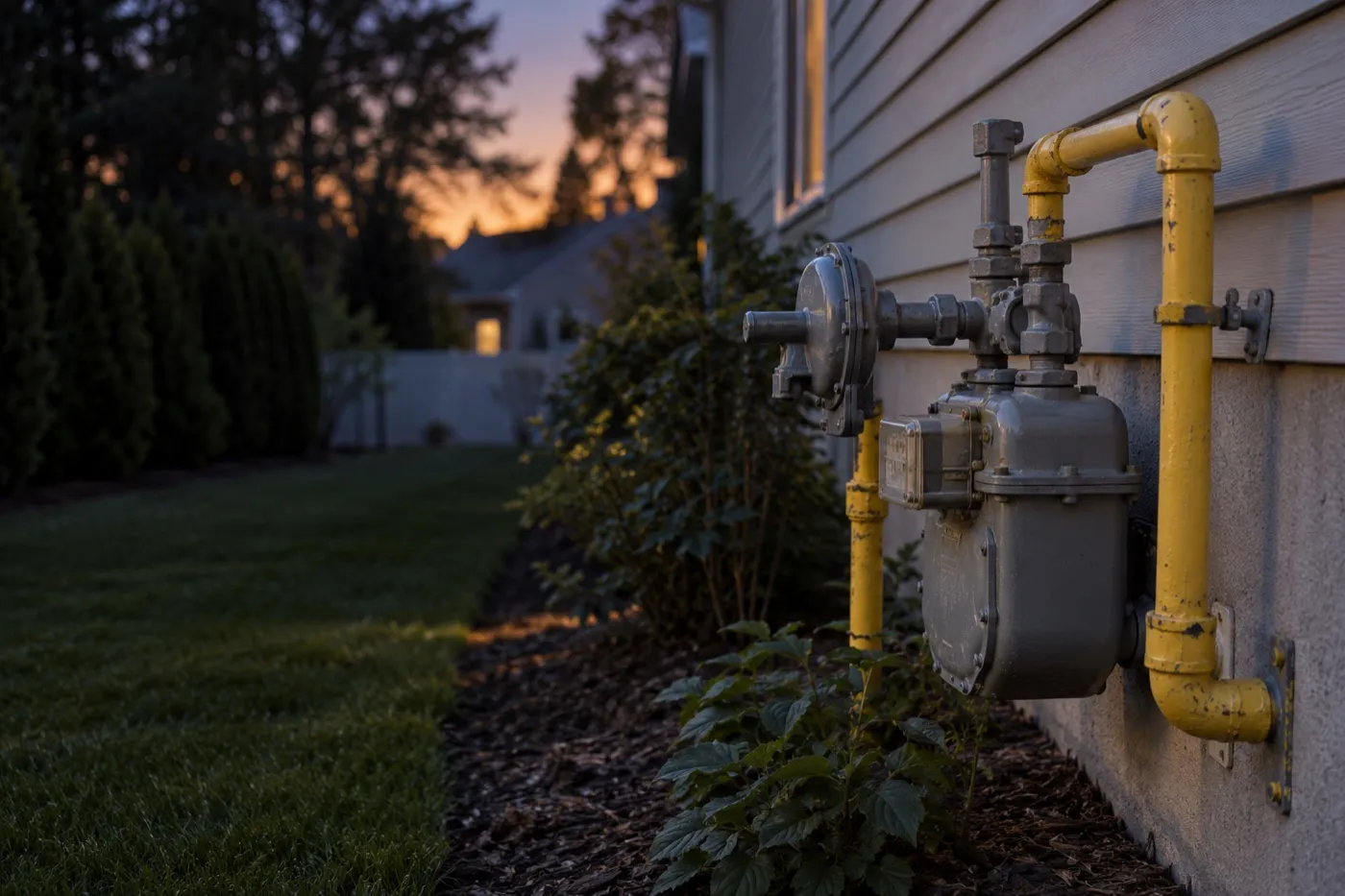
Smells like rotten eggs near the stove or water heater? That can be natural gas. Leave immediately, then call 911 and your gas utility from outdoors. 908-873-6686
Every drain in your house has a curved section of pipe called a trap. It holds a few inches of water that blocks sewer gas from coming up into the room. Most sewer smells start when one of those water seals fails, so that's where to look first. Check these six places in order; the first two solve most cases.
Where is the sewer smell coming from?
Step 1: Refill drains you rarely use
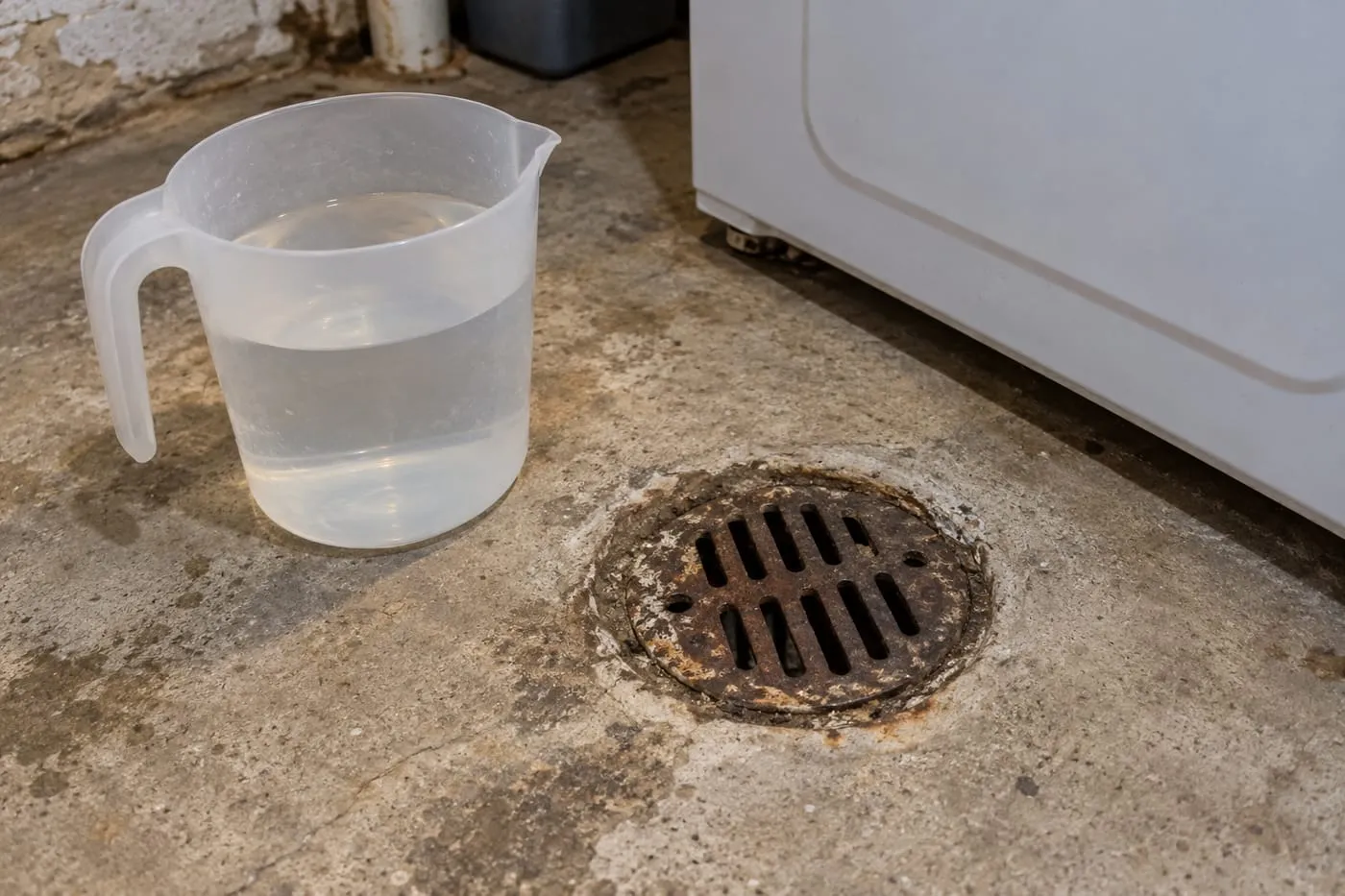
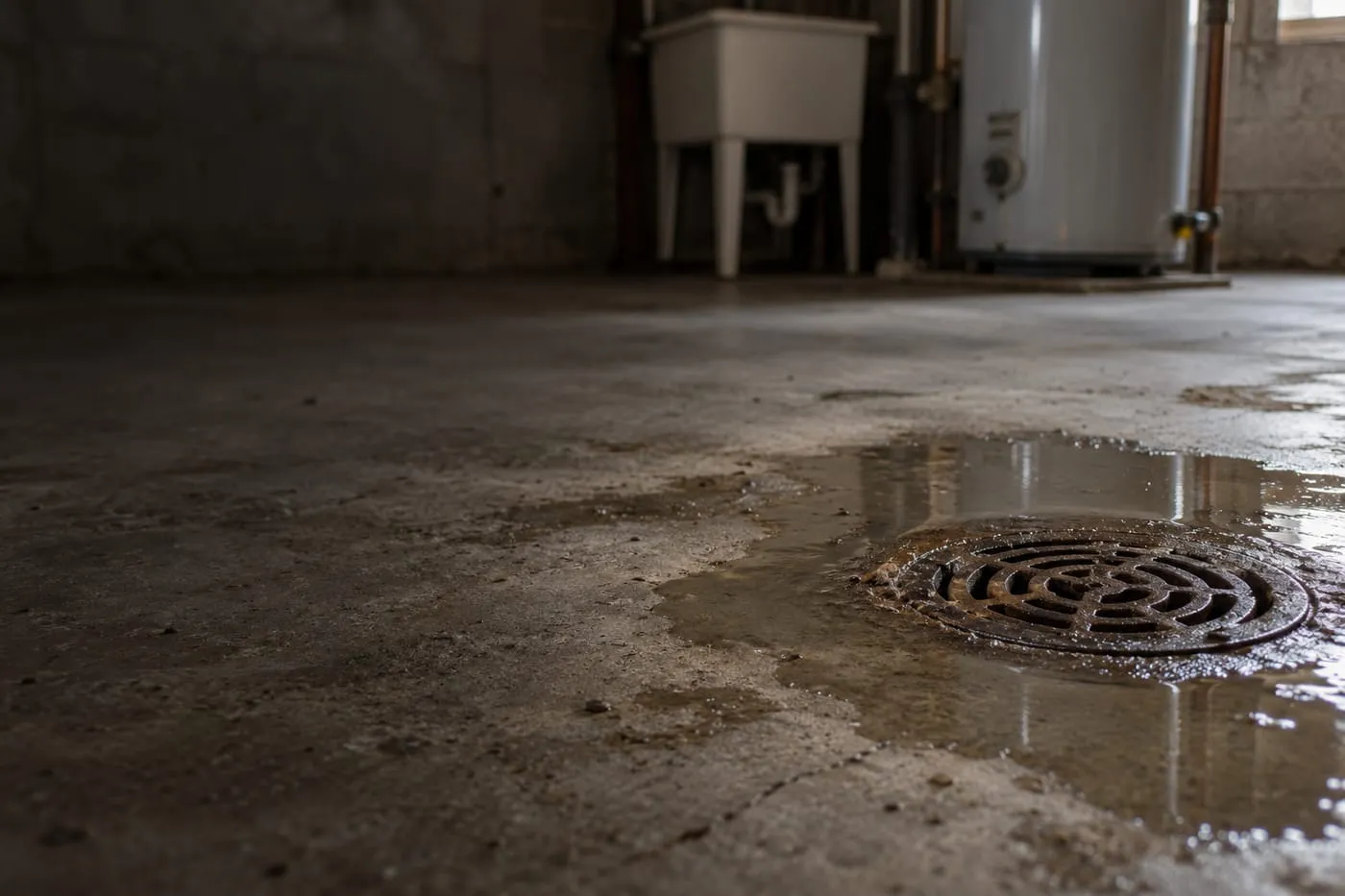
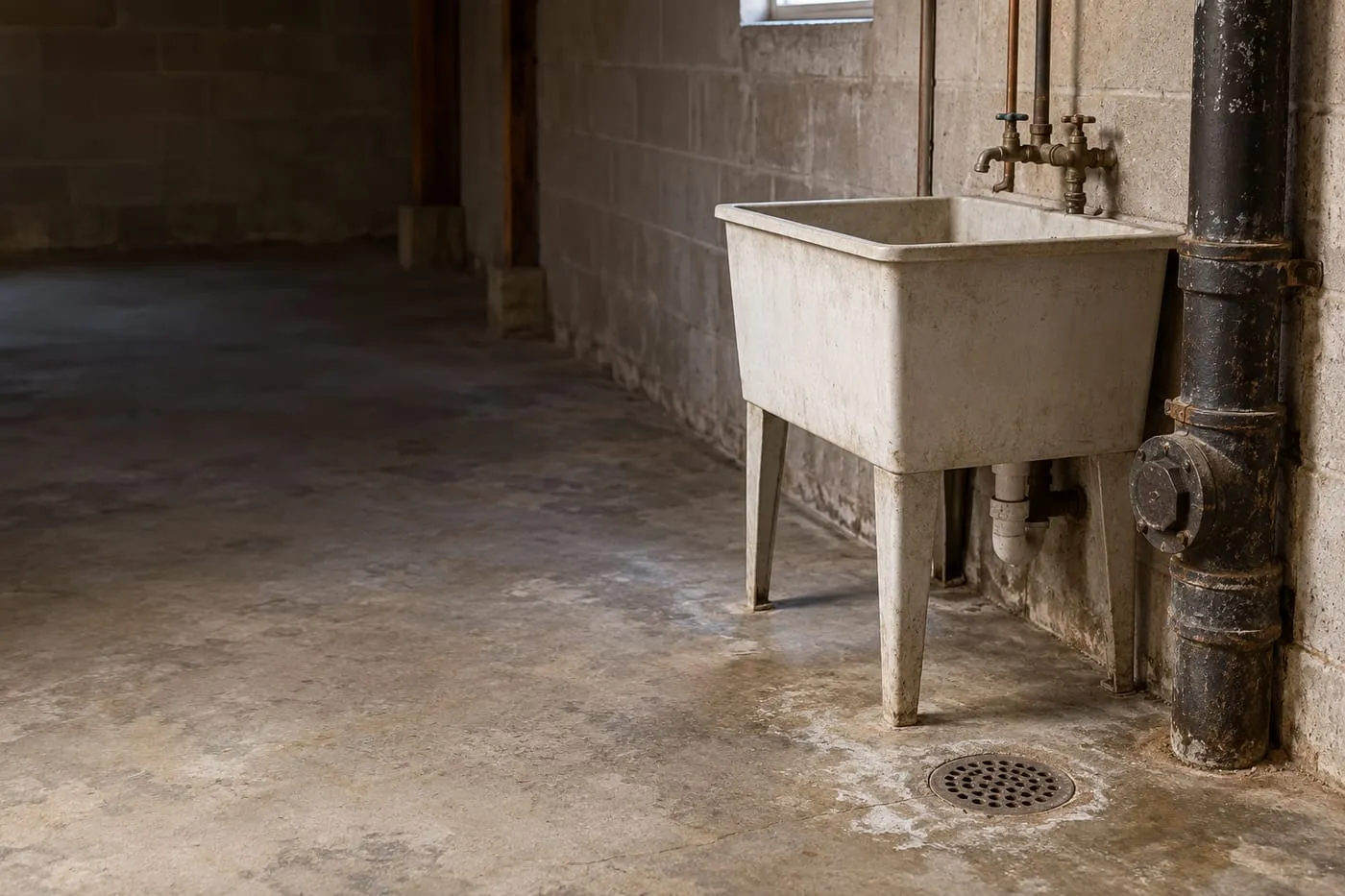
A trap that isn't used slowly loses its water to evaporation, and then sewer gas flows straight up. This happens most with basement floor drains, laundry room drains, guest showers and tubs, and spare bathroom sinks. Heating season dries them faster.
Pour about a quart of water into each one. For a floor drain you'll never use, add a spoonful of mineral oil on top; it floats and slows evaporation.
How you know it worked: the smell fades within an hour or two once the air clears. If it was a floor drain, the smell will come back in a few weeks unless you refill it, so put it on your calendar.
Step 2: Check the toilet seal
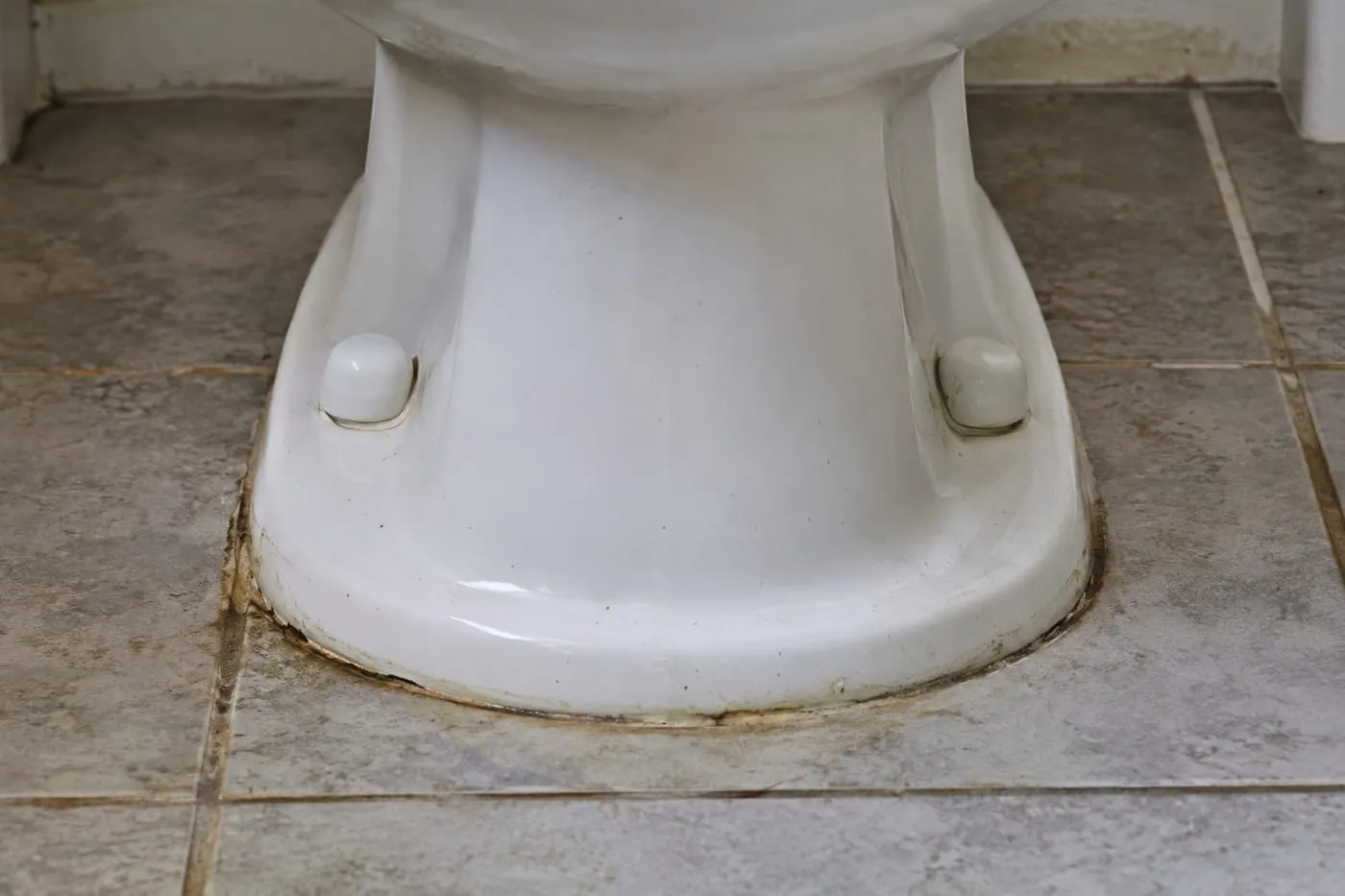
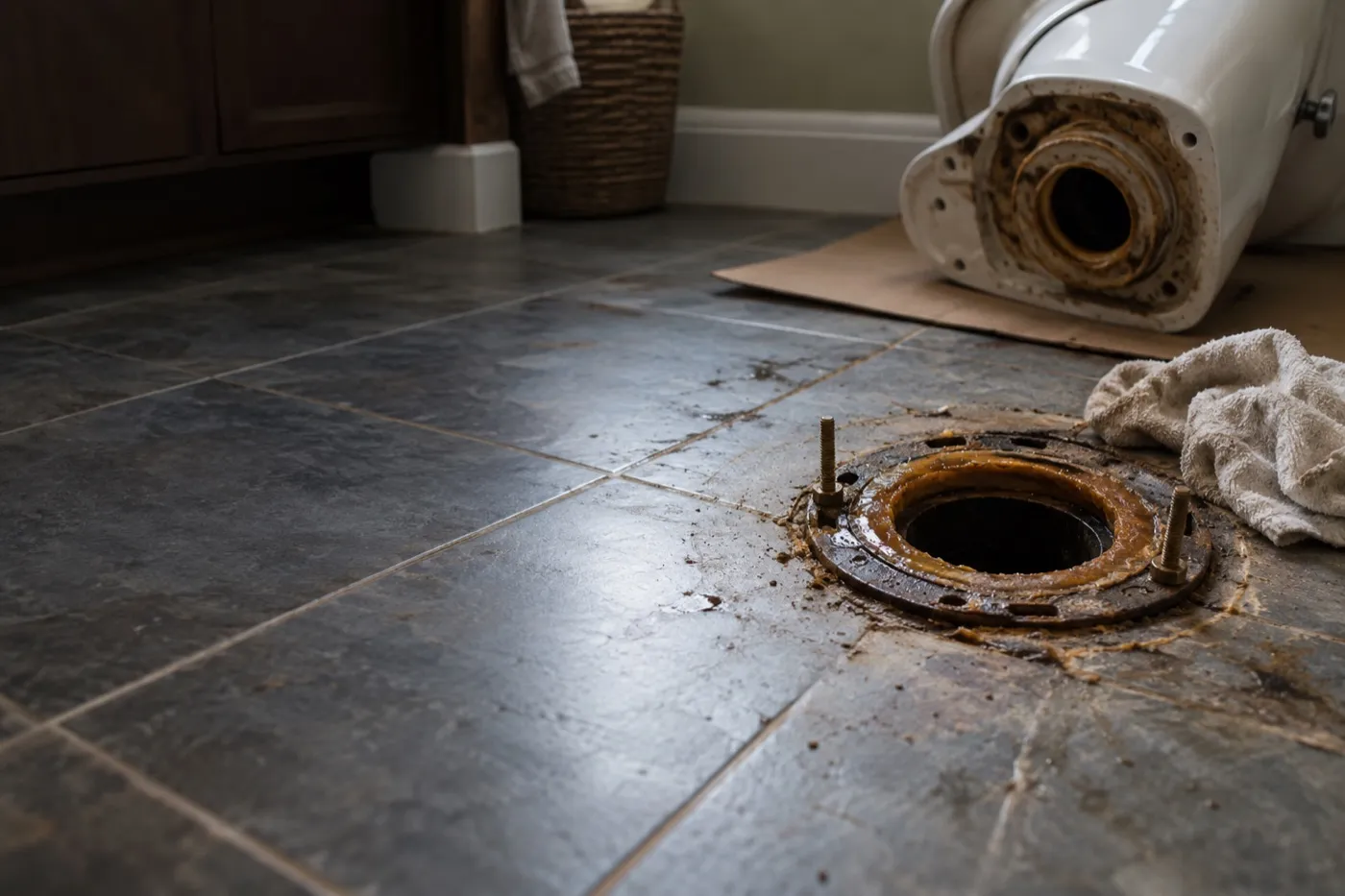
Under every toilet, a wax ring seals the toilet to the drain pipe. If the seal fails, gas leaks out around the base, and sometimes water does too when you flush.
Stand over the toilet and gently push it side to side. It shouldn't move at all. Rocking, damp or stained grout, a soft floor or a smell that's strongest right at the base all point to a failed seal. Resetting a toilet means pulling it off the floor and replacing the ring, so it's a job to call us for. Don't just caulk around the base to hide the smell; that traps leaking water under the floor.
Step 3: Listen for gurgling drains
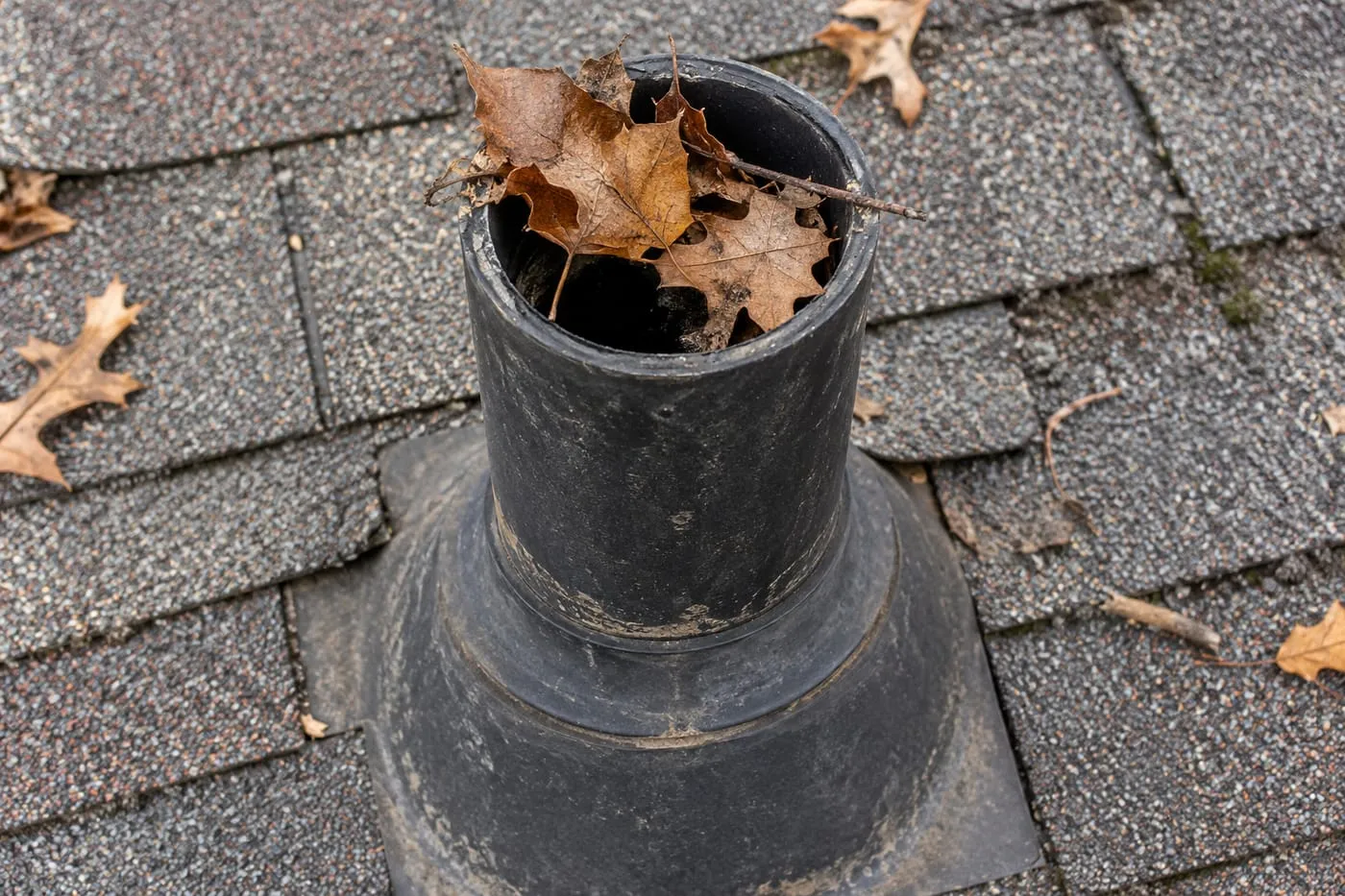
Your drain pipes connect to vent pipes that run up through the roof. Vents let air into the system so water drains smoothly. When a vent is blocked by leaves, a bird's nest or ice, draining water pulls air through the nearest trap instead and sucks the water out of it.
The signs are gurgling sounds from a sink or tub when another fixture drains, slow drains in several places, and a sewer smell right after flushing. A blocked vent needs to be cleared from the roof, which is a job for a plumber, not a ladder project.
Step 4: Check the cleanout cap
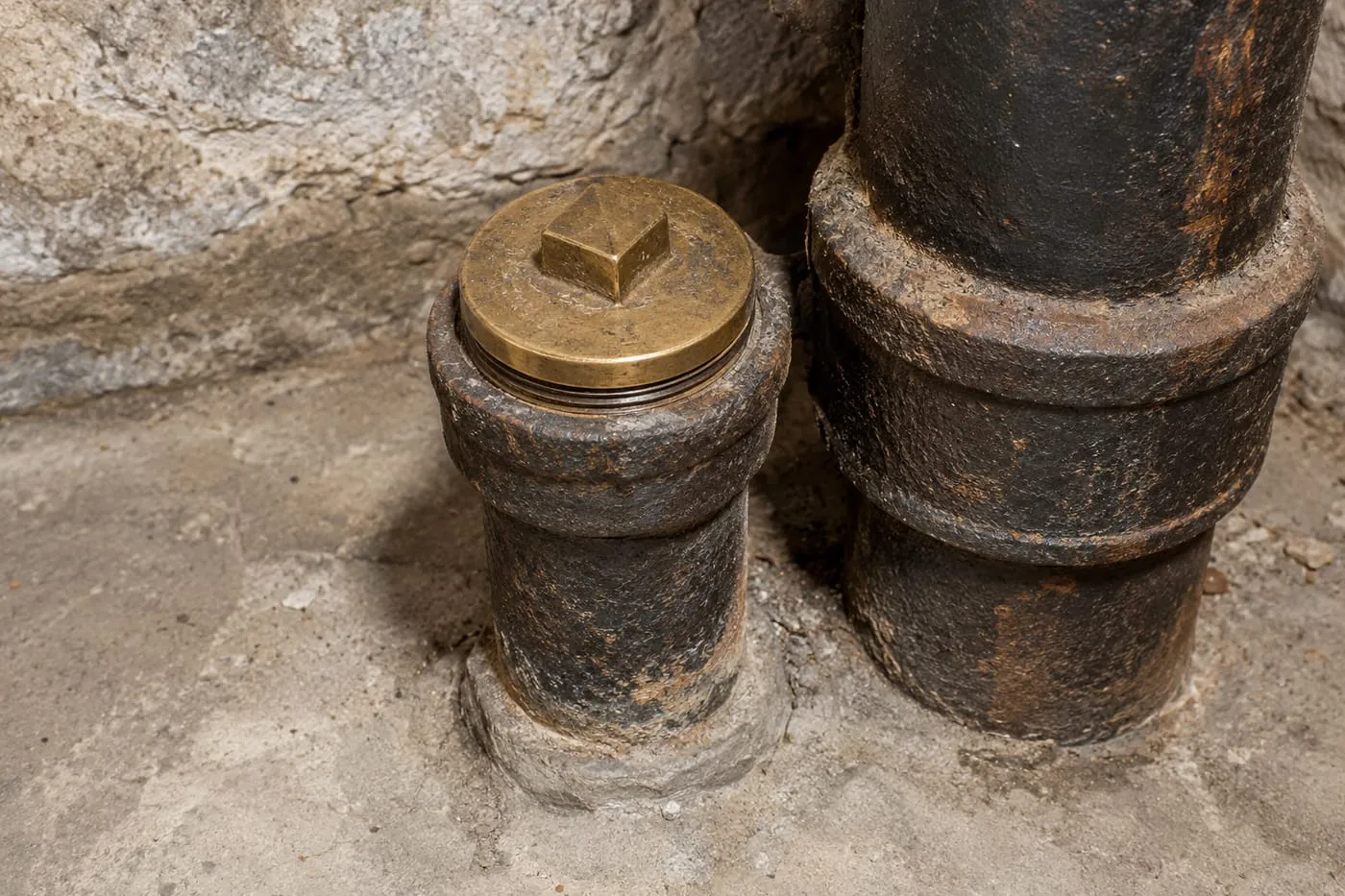
The main drain pipe has a screw-on cap called a cleanout, usually in the basement near where the line leaves the house. Plumbers open it to clear the main line. A cap that's loose, cracked or missing lets sewer gas out directly.
Look to see that it's in place. Don't open it or put a wrench on it; old caps can crack, and the pipe behind it may be holding sewage. If it's loose, cracked or rusted through, we can deal with it.
Step 5: Clean drains with buildup
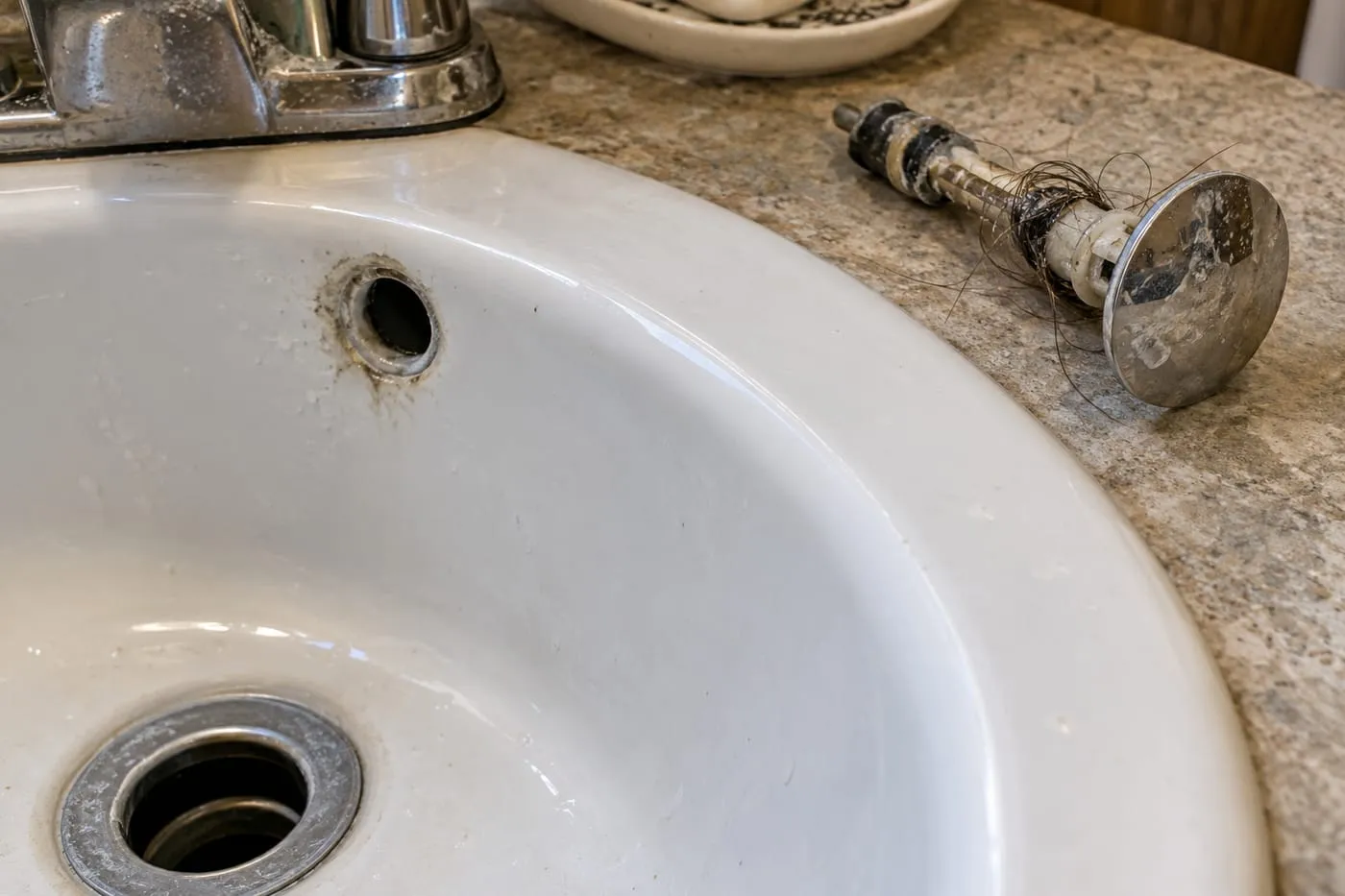
Hair, soap and toothpaste stuck to a sink stopper, or grime in the small overflow hole under the rim, can rot and smell a lot like sewage. Pull the stopper and clean it, scrub the overflow hole with a small brush, then flush the drain with hot water and dish soap.
If the smell is strongest when you lean over one sink, this is usually the cause. Our unclog a drain guide has more on sink drains.
Step 6: Look at the sump pit
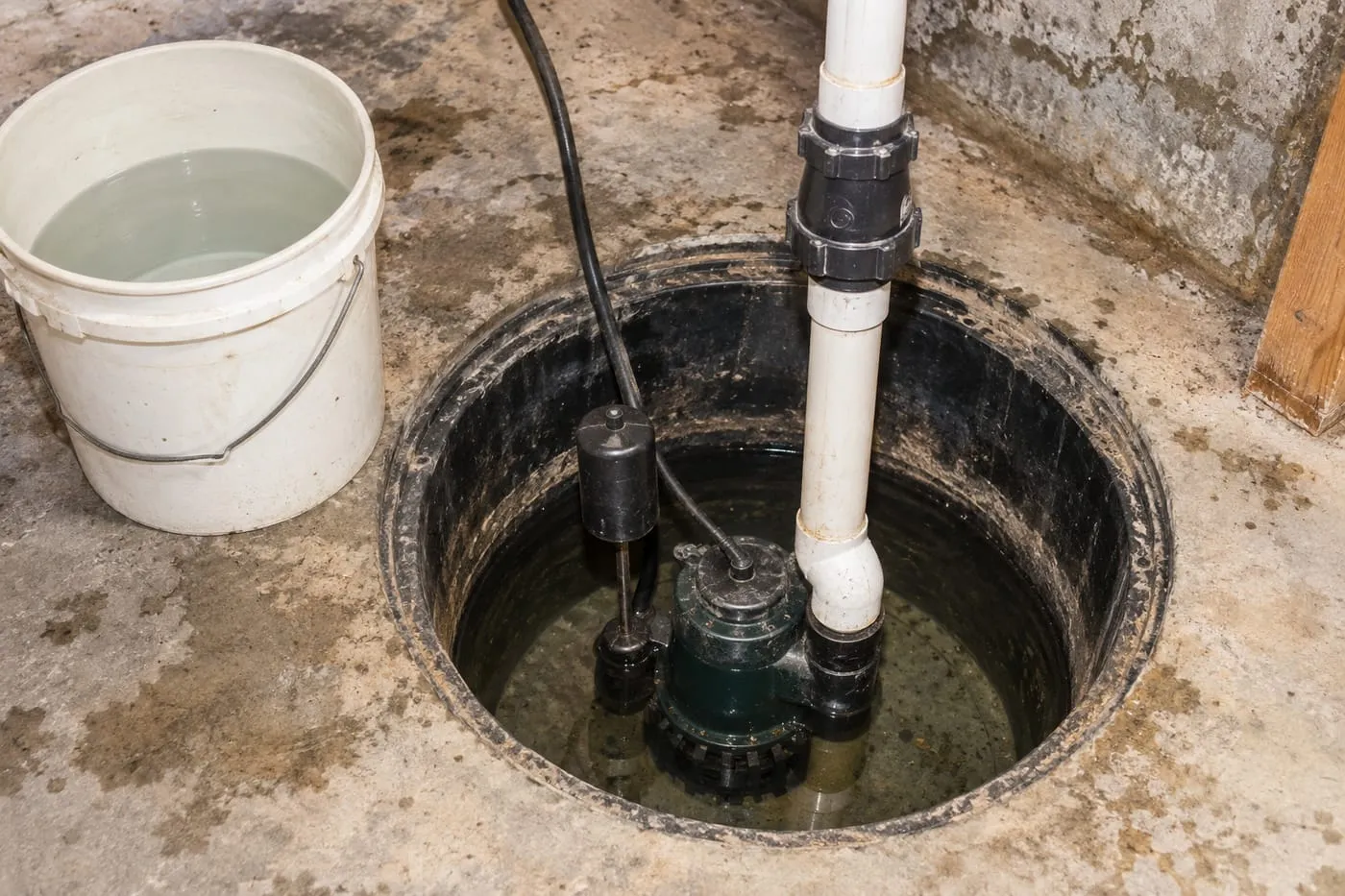
A sump pit collects groundwater, and an open pit can smell musty or swampy. If a laundry tub or basement sink drains into the pit, it can smell like sewage. A sealed lid with a gasket keeps the smell in the pit.
If you see sewage, toilet paper or a strong sewer smell in the sump pit itself, something is draining into it that shouldn't. Call us to trace it.
Could the smell be natural gas?
Natural gas has an added odor that smells like rotten eggs or sulfur, which is easy to confuse with sewer gas. If the smell is strongest near the stove, furnace, dryer or water heater, treat it as a gas leak. Don't flip light switches, use your phone inside or start a car in the garage. Leave immediately, then call 911 and your gas utility from outdoors. Plumbing Doctor can discuss eligible repair work after the utility/authorities declare the site safe; scope of the repair work requires confirmation.
Common mistakes when chasing a sewer smell
- Covering it with air fresheners or candles. The gas is still coming in.
- Pouring bleach or drain cleaner down a dry drain. Plain water refills the trap; chemicals don't.
- Caulking around a rocking toilet instead of replacing the wax ring.
- Ignoring gurgling drains. A blocked vent can also cause slow drains and backups.
- Assuming it's sewer gas when the smell is near a gas appliance.
When is a sewer smell a bigger problem?
If the smell comes back after you've refilled every trap and checked the cleanout, or if drains gurgle across the house, the cause is usually a blocked vent, a cracked drain pipe under the floor or a failing sewer line. A sewer camera inspection may be recommended to show where the line is broken or blocked. If dirty water comes up through a drain, follow our sewer backup guide.
We track down sewer smells in homes and businesses across Central New Jersey. See sewer and water lines and drain cleaning, or call 908-873-6686.
Get tips and reminders
New guides and seasonal reminders. A few emails a year.
Stop and call us if
- The smell is strongest near the stove, furnace or water heater. Leave immediately and call 911 and the gas utility from outdoors first.
- The toilet rocks, or there's water or staining around its base.
- Drains gurgle or are slow in more than one place.
- The smell comes back within days after you've refilled every trap.
- Sewage or dirty water is coming up anywhere.
Call 908-873-6686.

Michael Holt
Owner and operator of Plumbing Doctor, NJ Master Plumber (Lic. #36BI01345600) and U.S. Marine Corps veteran.
More about Mike