Common Plumbing Problems and How to Fix Them: 10 Quick Fixes
By Mike Holt, NJ Master Plumber · February 13, 2025 · 4 min read · Updated November 1, 2026
Quick answer
Most common plumbing problems have a simple first fix. Plunge a slow drain, replace a worn toilet flapper, clean a clogged faucet aerator, check the display and breaker on a water heater, and press the reset button on a garbage disposal. If the first fix doesn't work, or water is leaking where you can't see it, call a plumber.
- Difficulty
- Varies by problem
- Time
- 5 to 30 minutes per fix
- You need
- Plunger, flashlight, adjustable wrench, Allen key
Rather not risk it? A licensed plumber can handle this for you, with written upfront flat-rate pricing options before any work starts.
Most plumbing problems at home are one of the ten below, and most have a first fix you can try in a few minutes. Each card says what to try and links to a full guide. If the first fix doesn't work, stop there and call us.
10 common plumbing problems and the first thing to try
Step 1: Slow or clogged drain
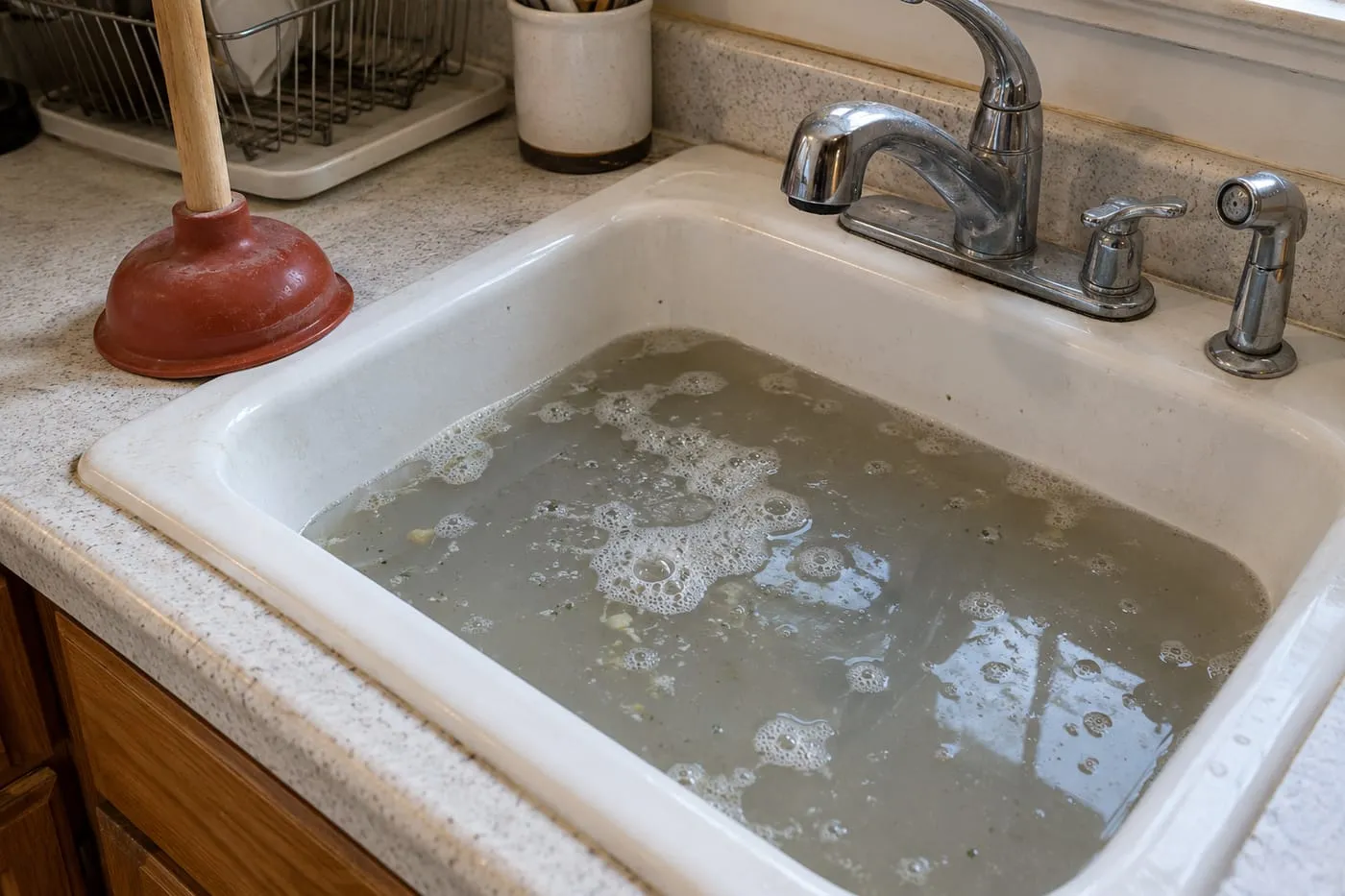
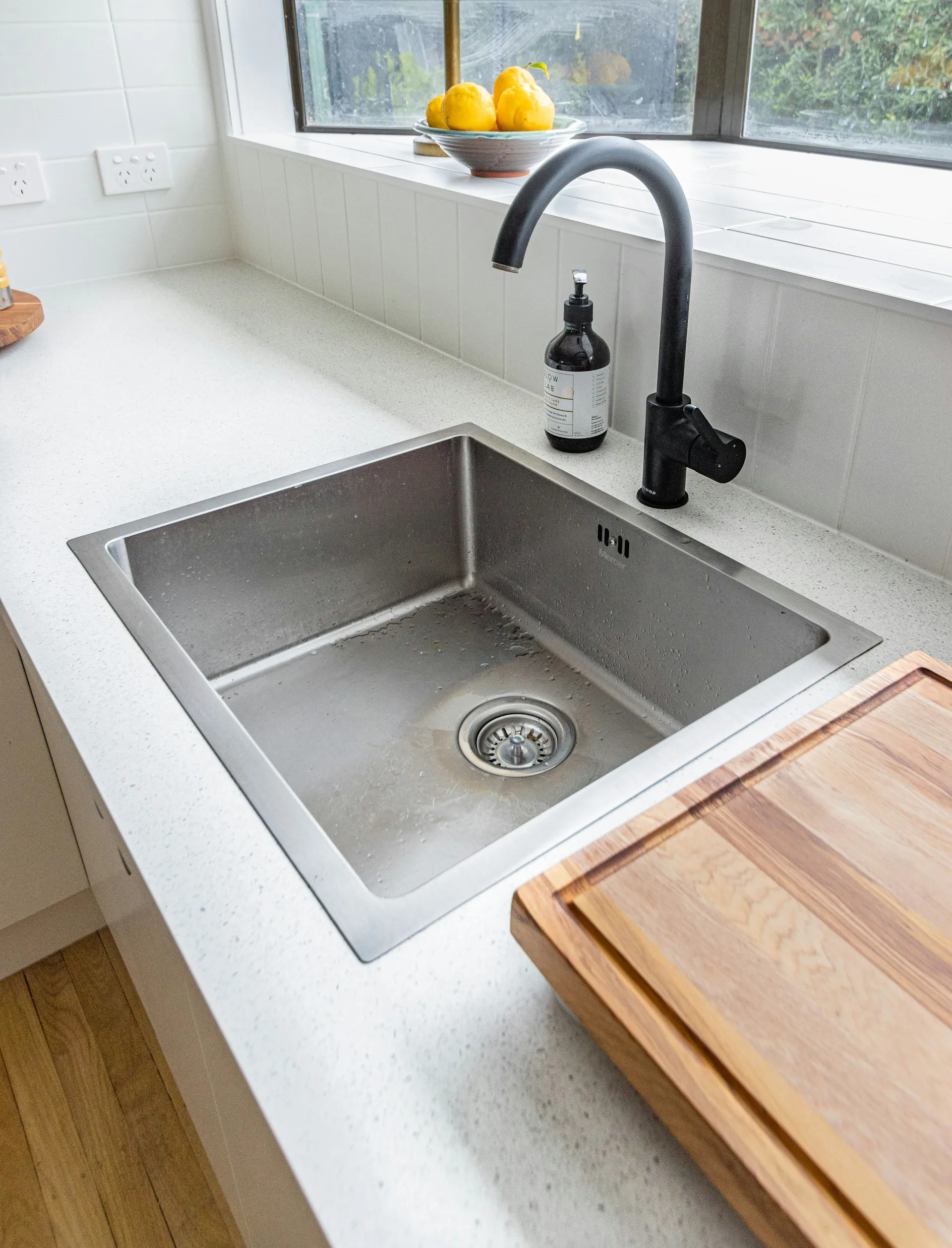
Use a cup plunger on sinks and tubs: fill a little water so the cup seals, cover the overflow hole with a wet rag, then plunge hard 10 to 15 times. For hair clogs in a tub or bathroom sink, pull the stopper and clean it. See what's clogging your drains.
Step 2: Running toilet or a tank that won't fill
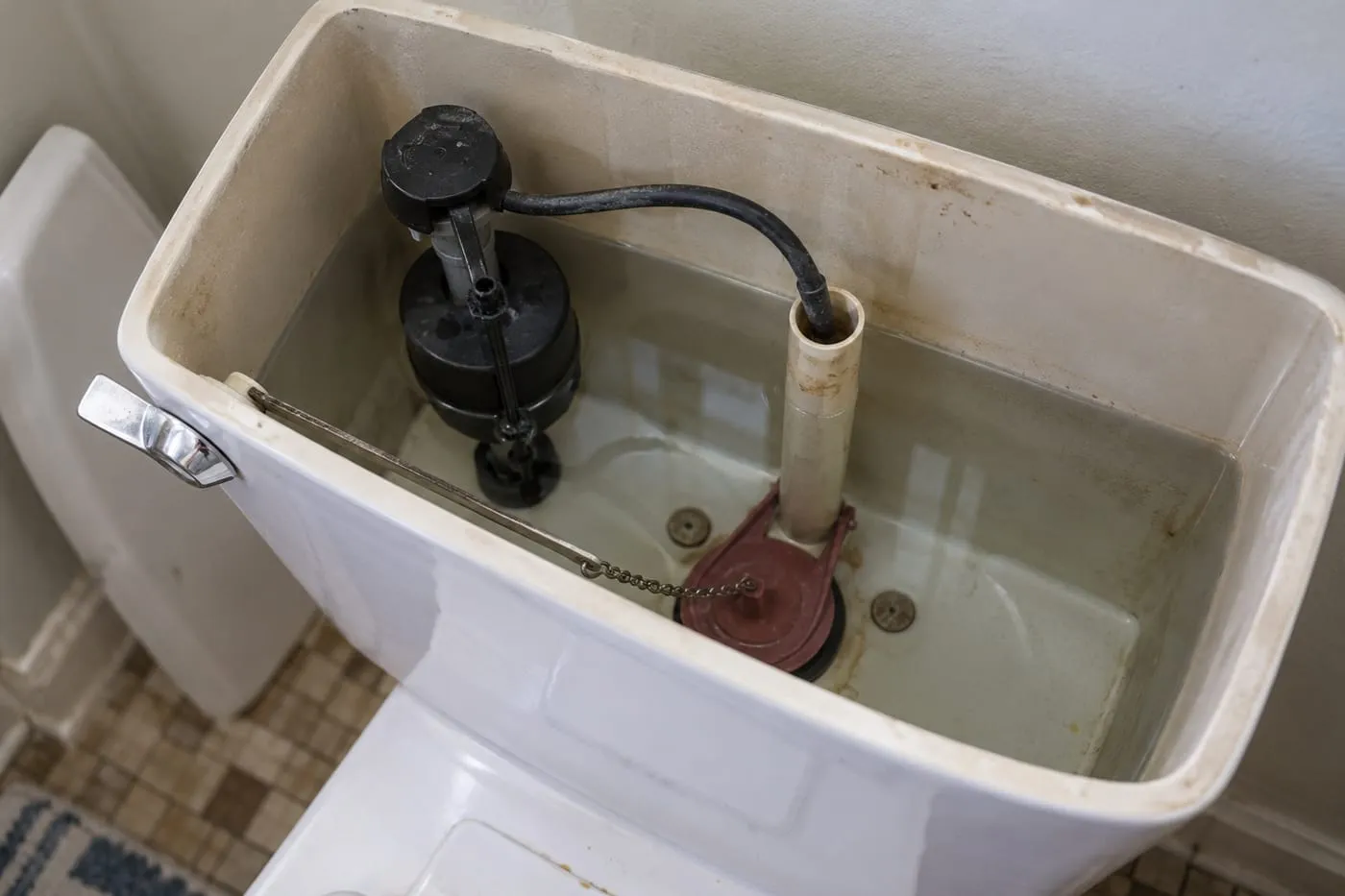
Lift the tank lid. If water keeps leaking into the bowl, the flapper is worn and needs replacing. If the tank won't fill, check that the shut-off valve behind the toilet is fully open and that the float isn't stuck. Full guide: why isn't my toilet tank filling up?
Step 3: Low water pressure
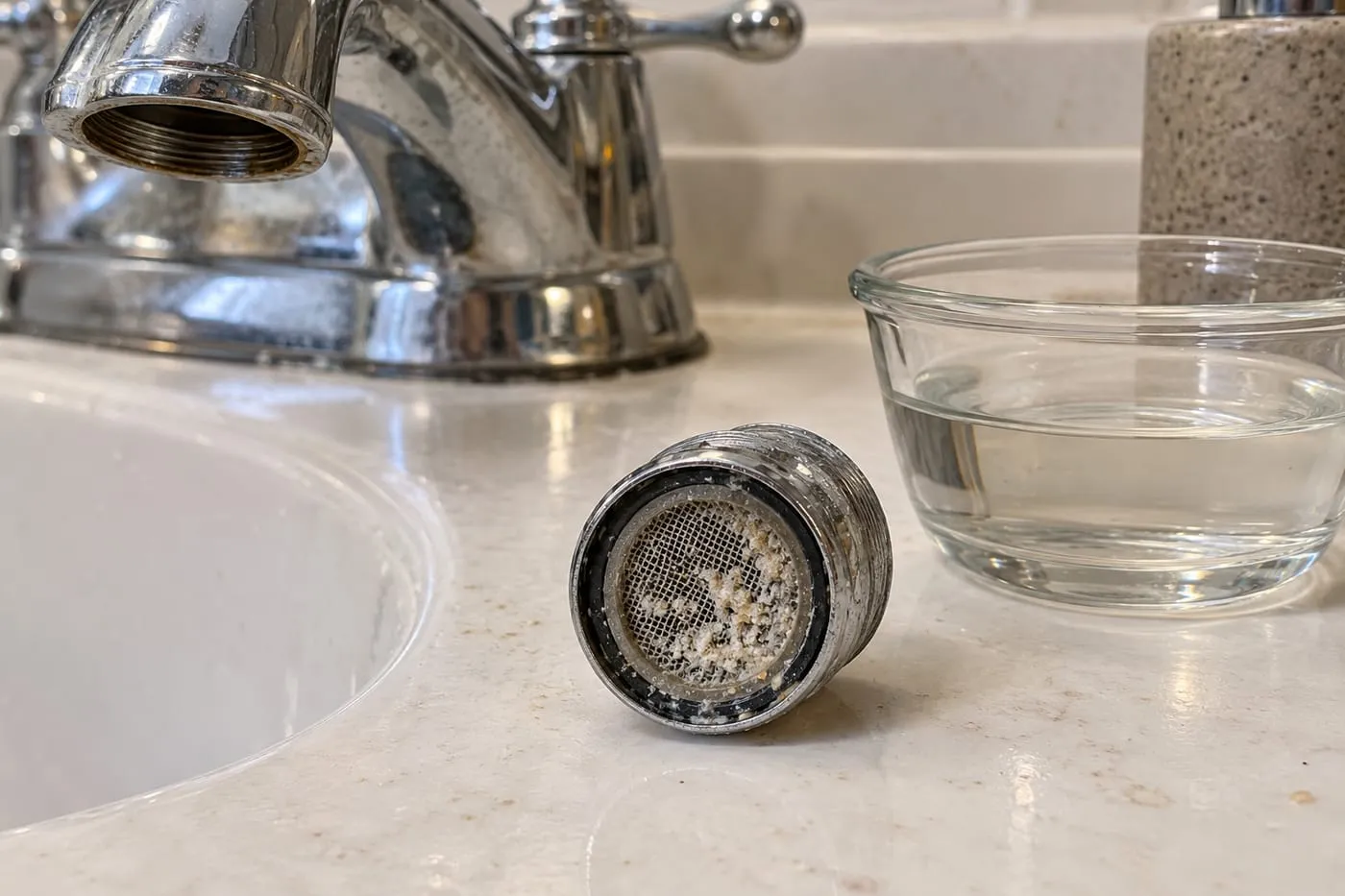
If it's one faucet, unscrew the aerator at the tip and soak it in white vinegar overnight. If it's the whole house, make sure the main shut-off valve is fully open. Full guide: why is my water pressure so low?
Step 4: Dripping faucet
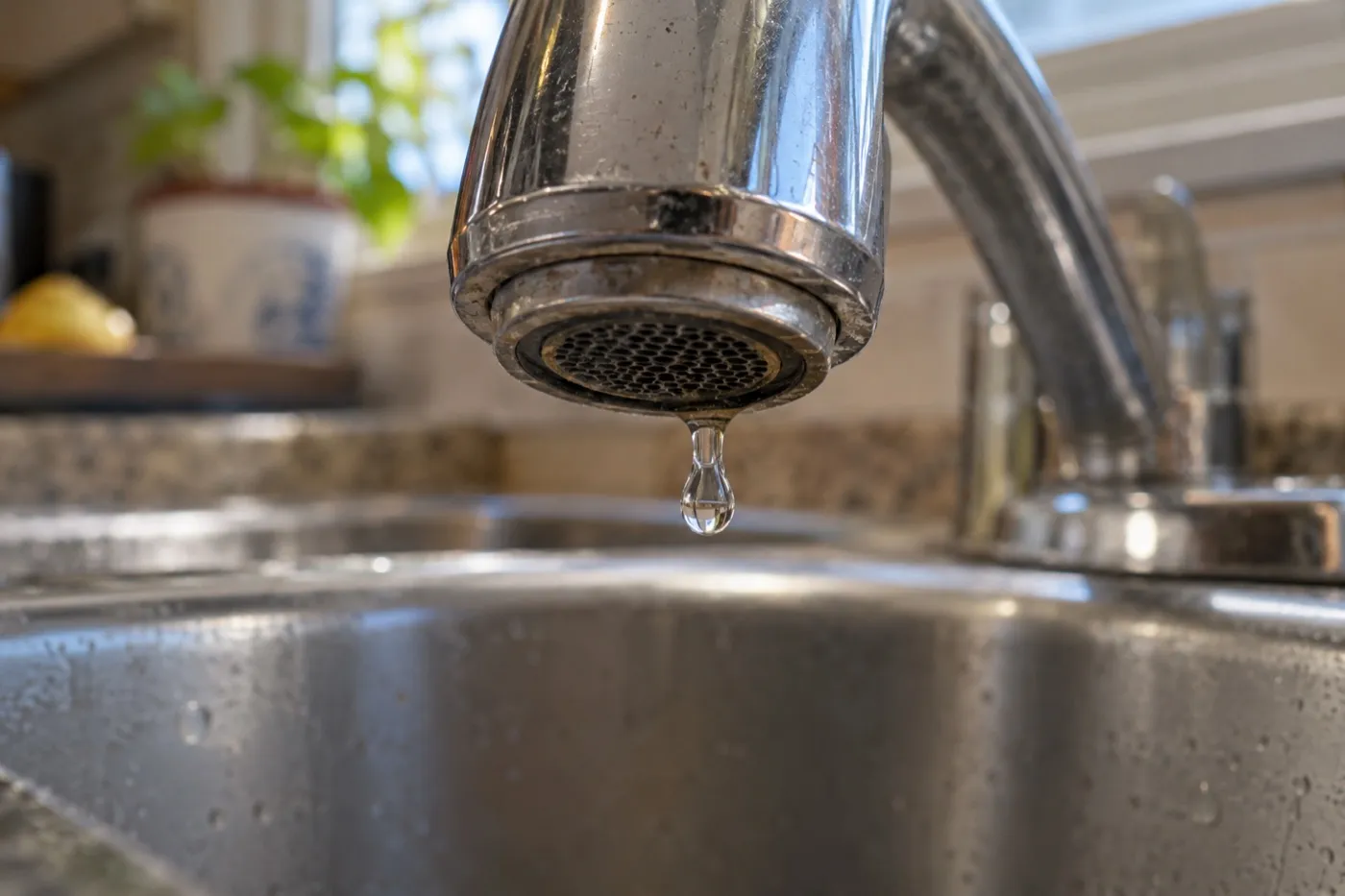
Shut off the valves under the sink first. A drip from the spout usually means a worn cartridge or washer inside the handle. Take the old part to the hardware store to match it. If the faucet is old or corroded, replacing it is often the better fix, and our faucet and fixture team can do it.
Step 5: No hot water
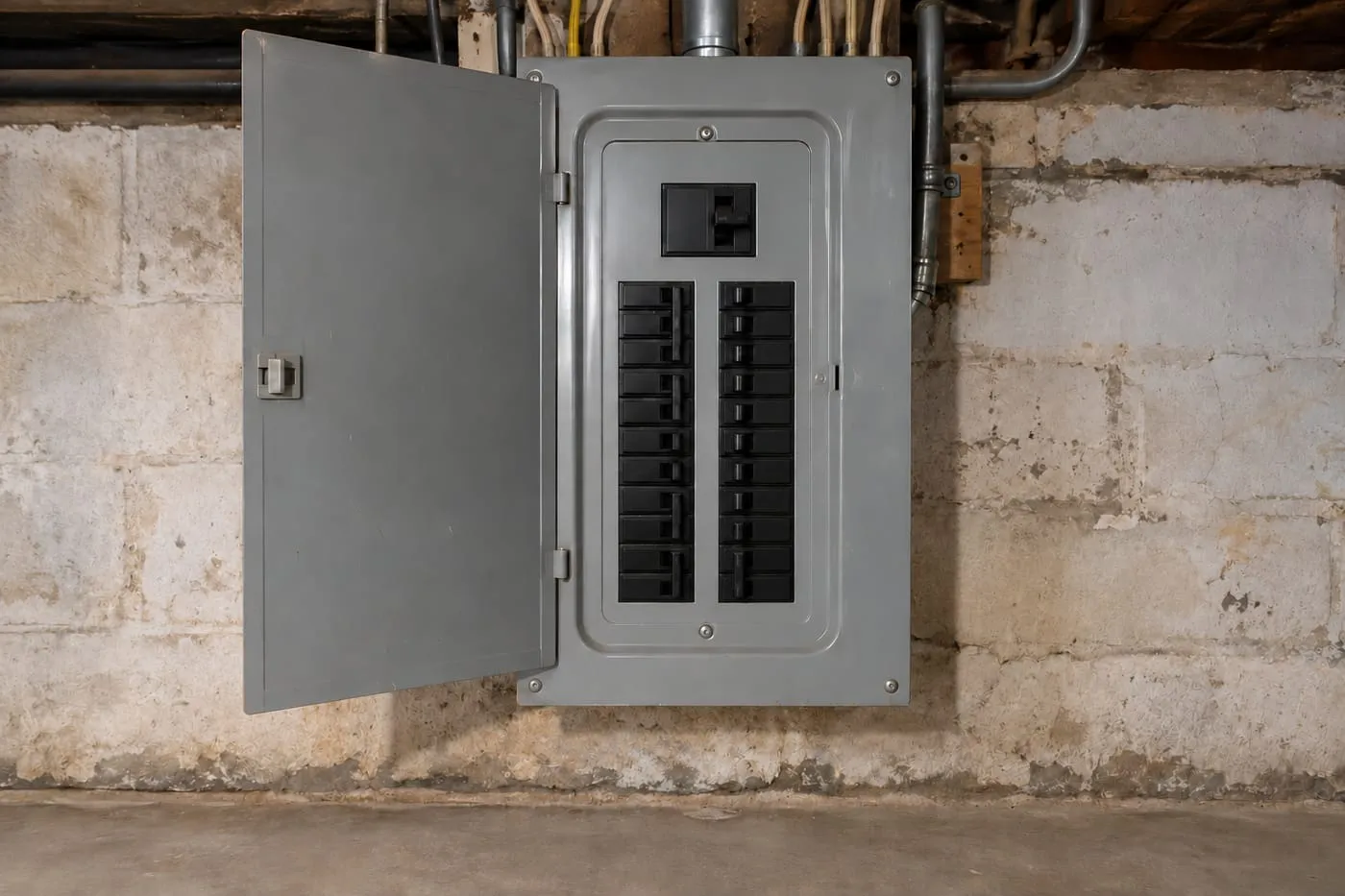
Look at any display on the heater and check whether its breaker in the electrical panel has tripped. Don't remove covers or work the gas controls, and if you smell gas, leave the house and call 911 and the gas company from outside. If water is pooling around the tank, close the cold water valve above the heater if you can reach it safely. Don't step into standing water or touch electrical controls near the heater. Then call us. See water heater repair.
Step 6: Garbage disposal hums or won't turn on
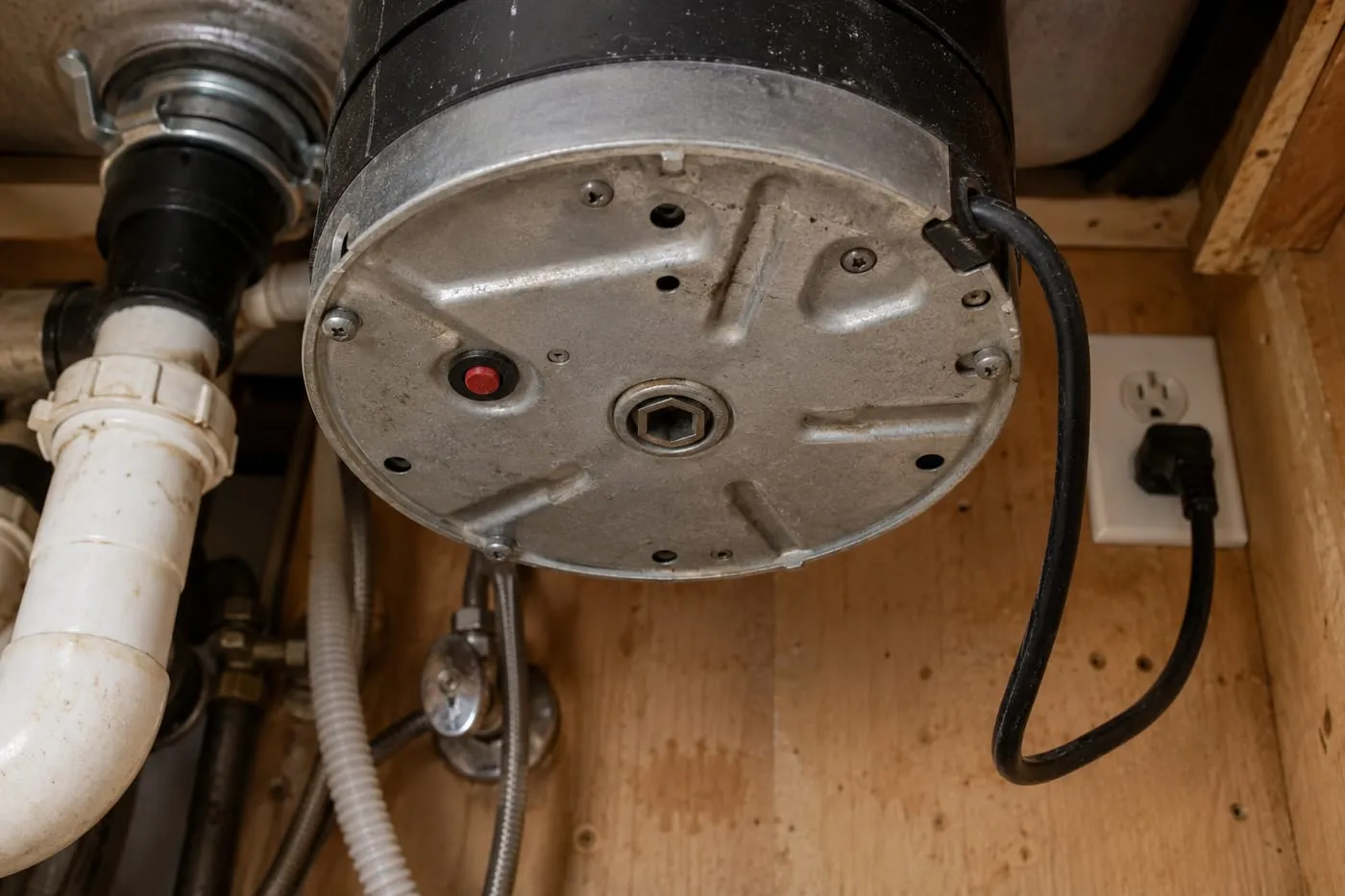
Turn the disposal off at the switch and disconnect the power before you look at it, by unplugging it or switching off its breaker. Press the red reset button on the bottom of the unit. If it hummed but didn't spin, it's jammed: with the power still off, put an Allen key in the hole in the center of the bottom and work it back and forth to free it. Never put your hand in the disposal. See cleaning your garbage disposal.
Step 7: Dishwasher won't drain
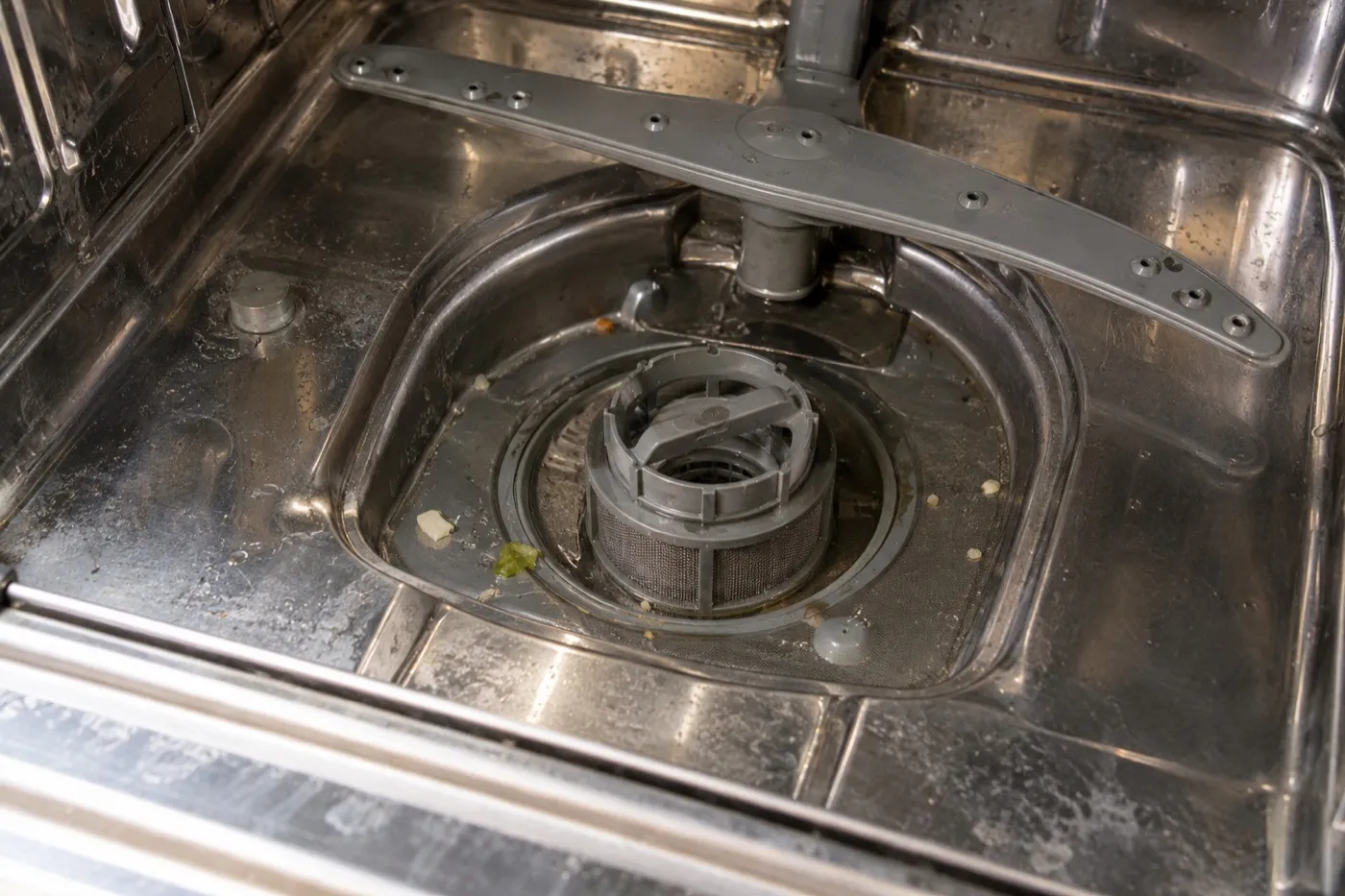
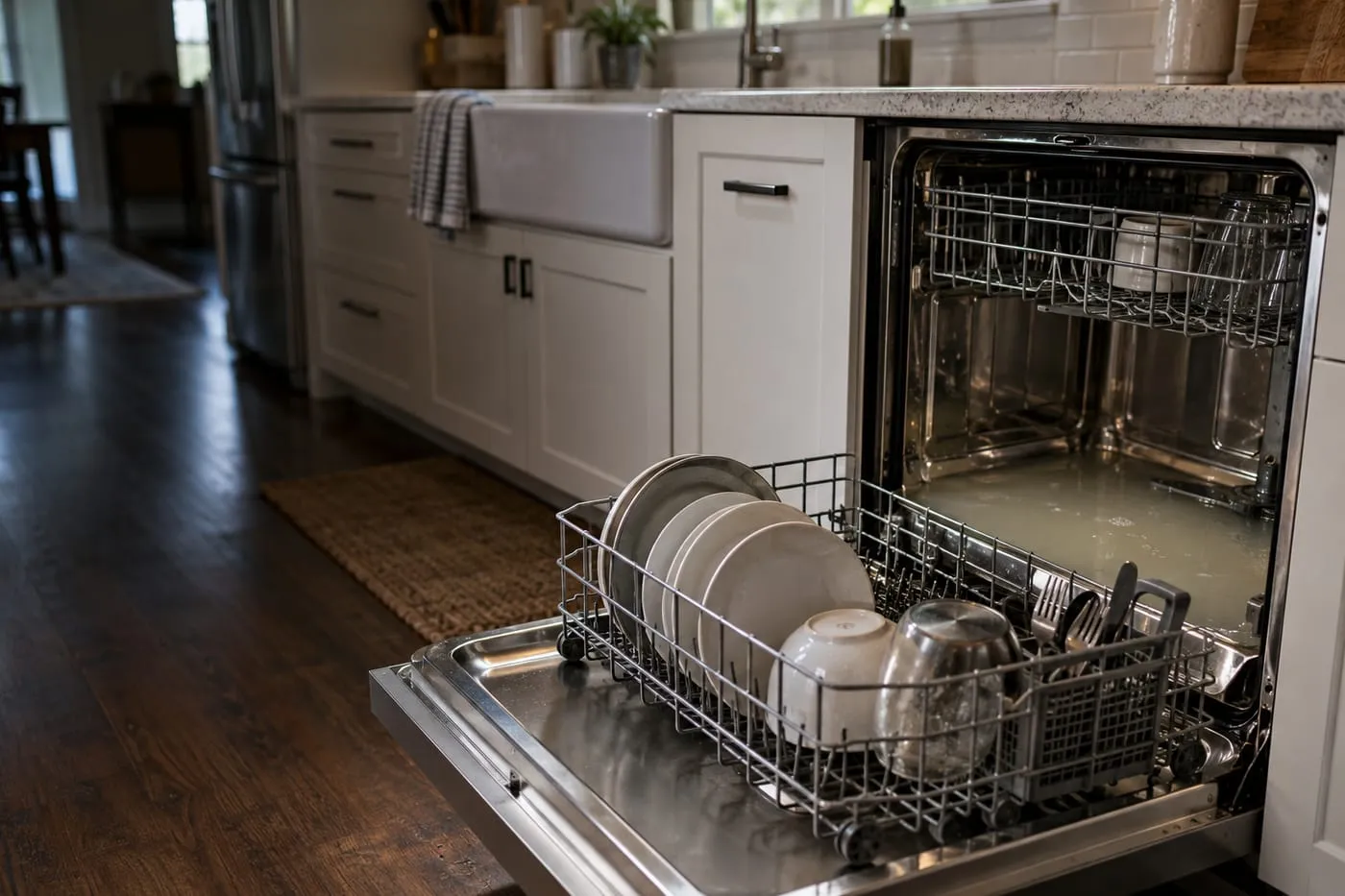
Clean the filter in the bottom of the dishwasher, then run the garbage disposal, since many dishwashers drain through it. If you just installed a new disposal, the knockout plug inside the dishwasher inlet may still be in place. Full guide: why isn't my dishwasher draining?
Step 8: Rusty or brown tap water
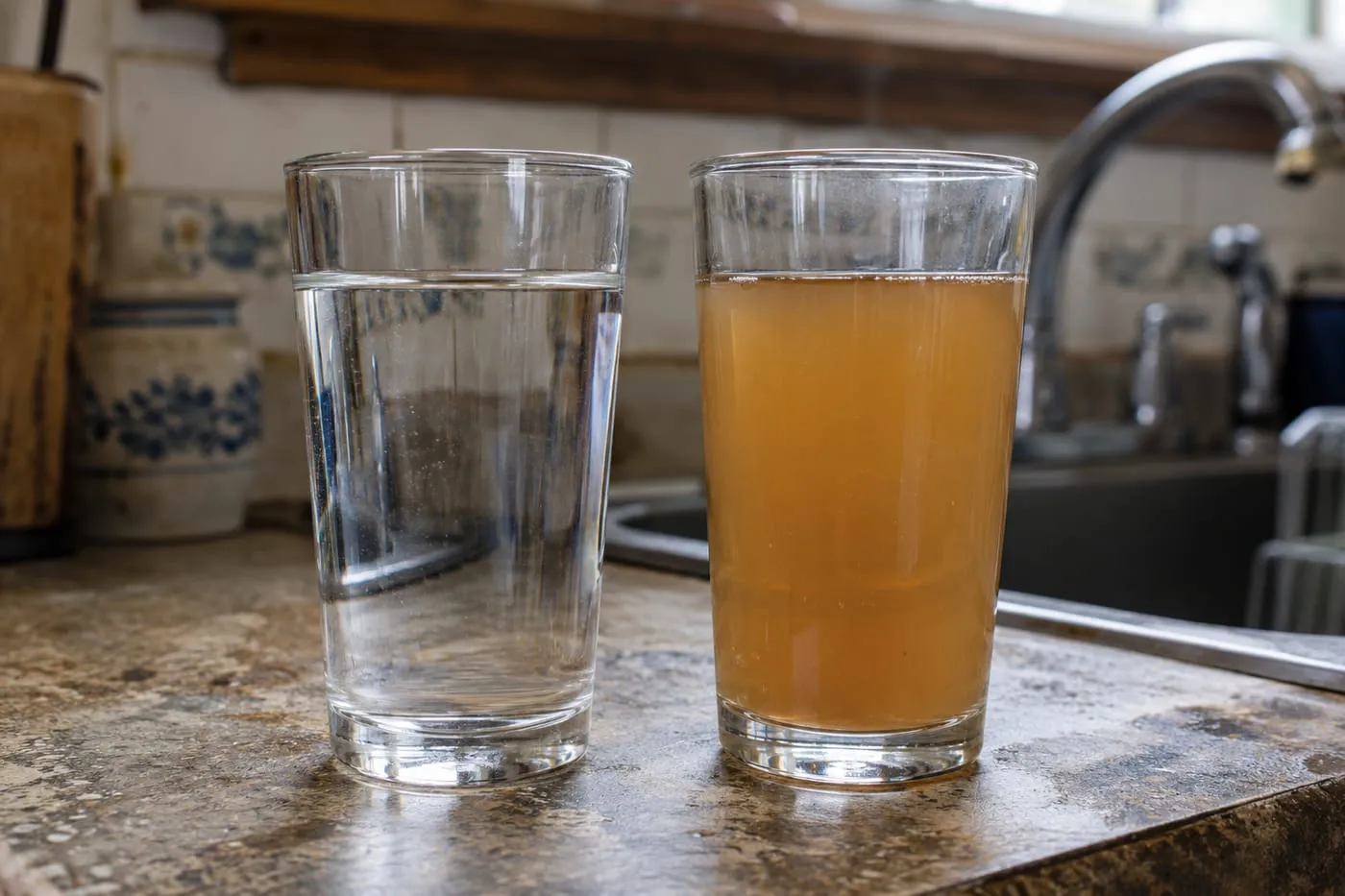
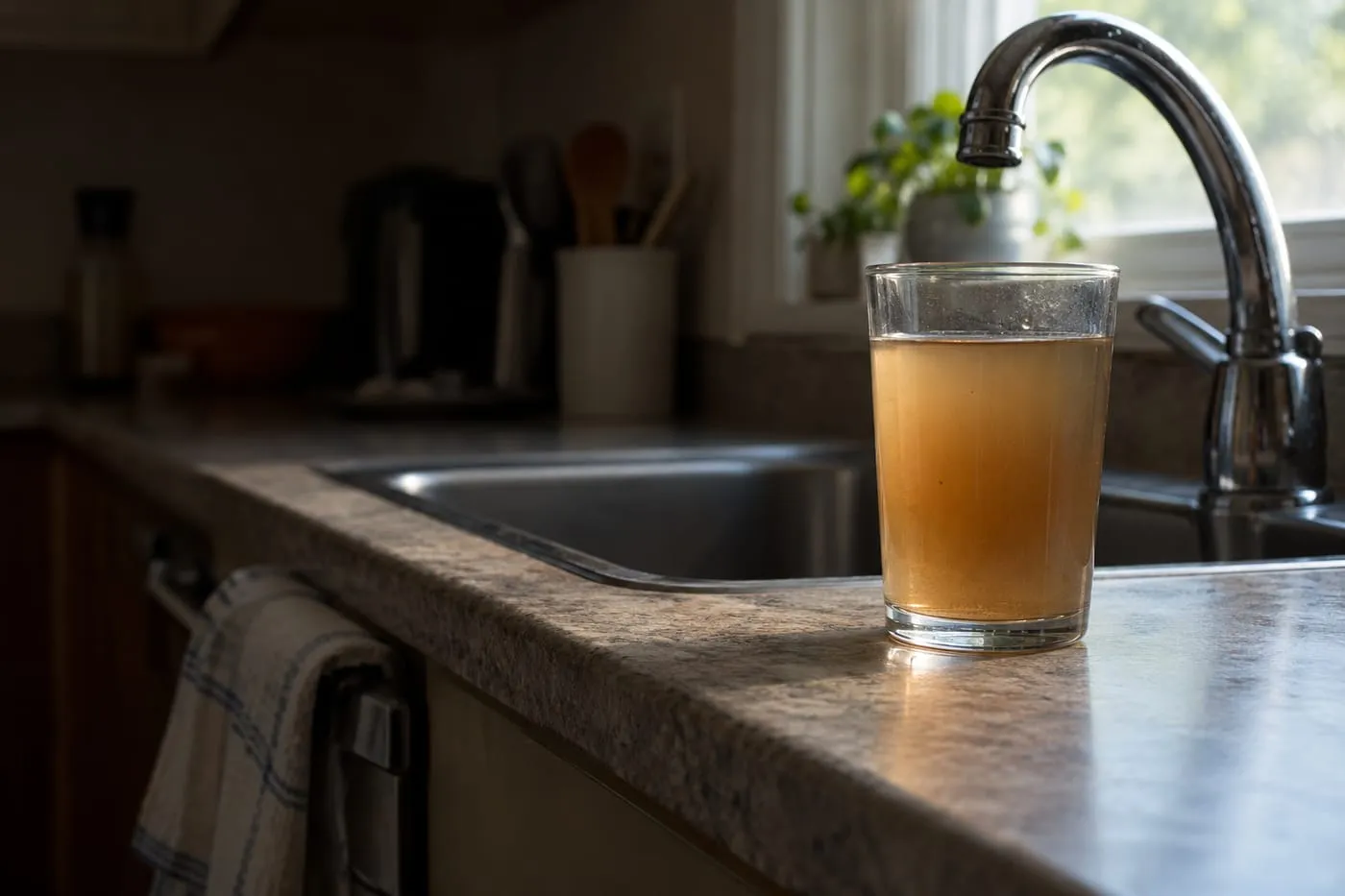
Run the cold water for a few minutes. If it clears, the cause was likely work on the water main. If only the hot water is brown, the water heater tank may be rusting inside. Full guide: why does my tap water look rusty?
Step 9: Sump pump won't run
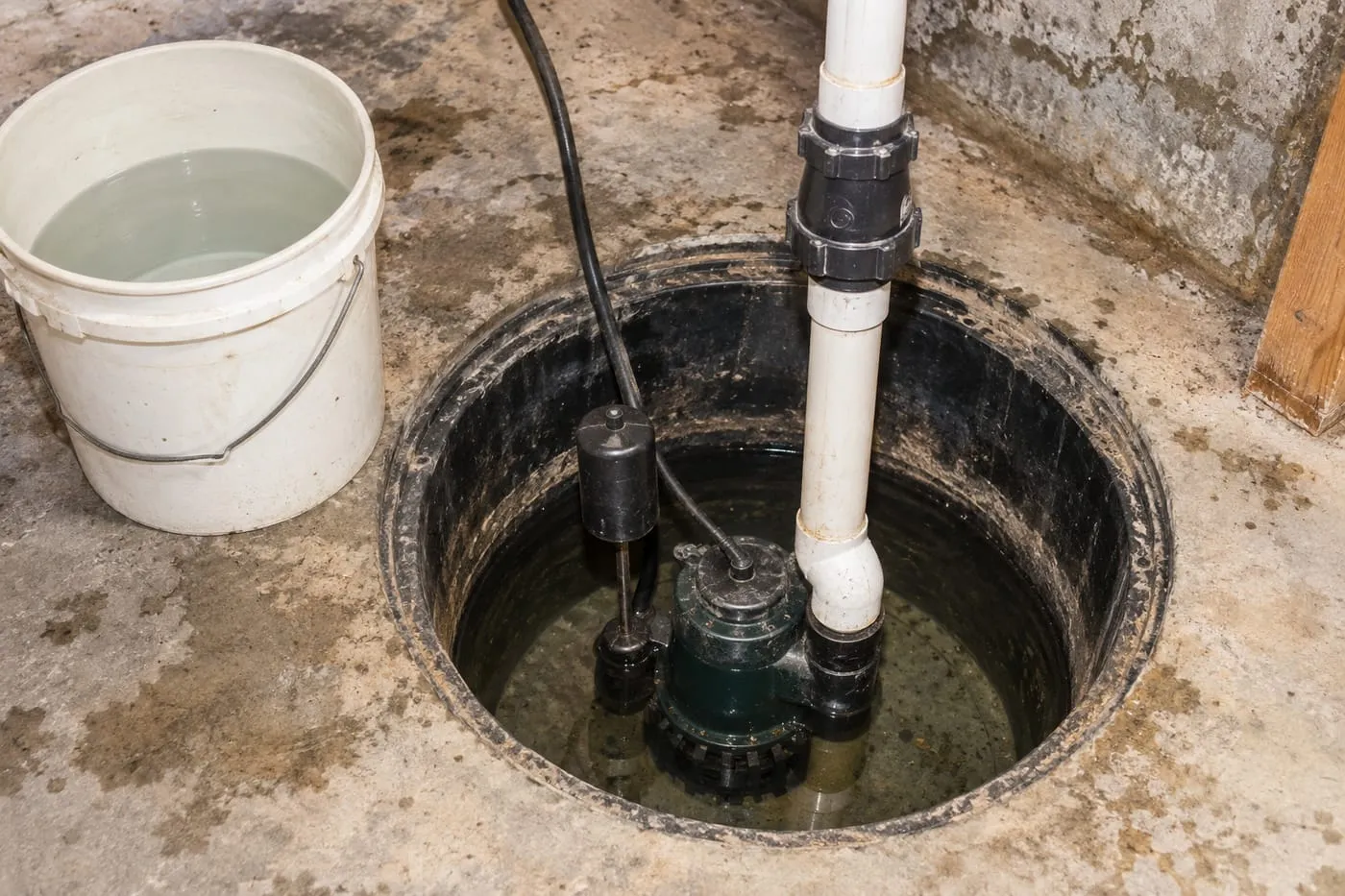
From a dry, safe spot, check that it's plugged in and that the breaker hasn't tripped. Don't touch a plug, outlet or pump if there's standing water. If the floor is dry, pour a bucket of water into the pit. The float should rise and the pump should start. If it doesn't, call us before the next rain. See sump pump service.
Step 10: Frozen pipe or frozen outdoor faucet
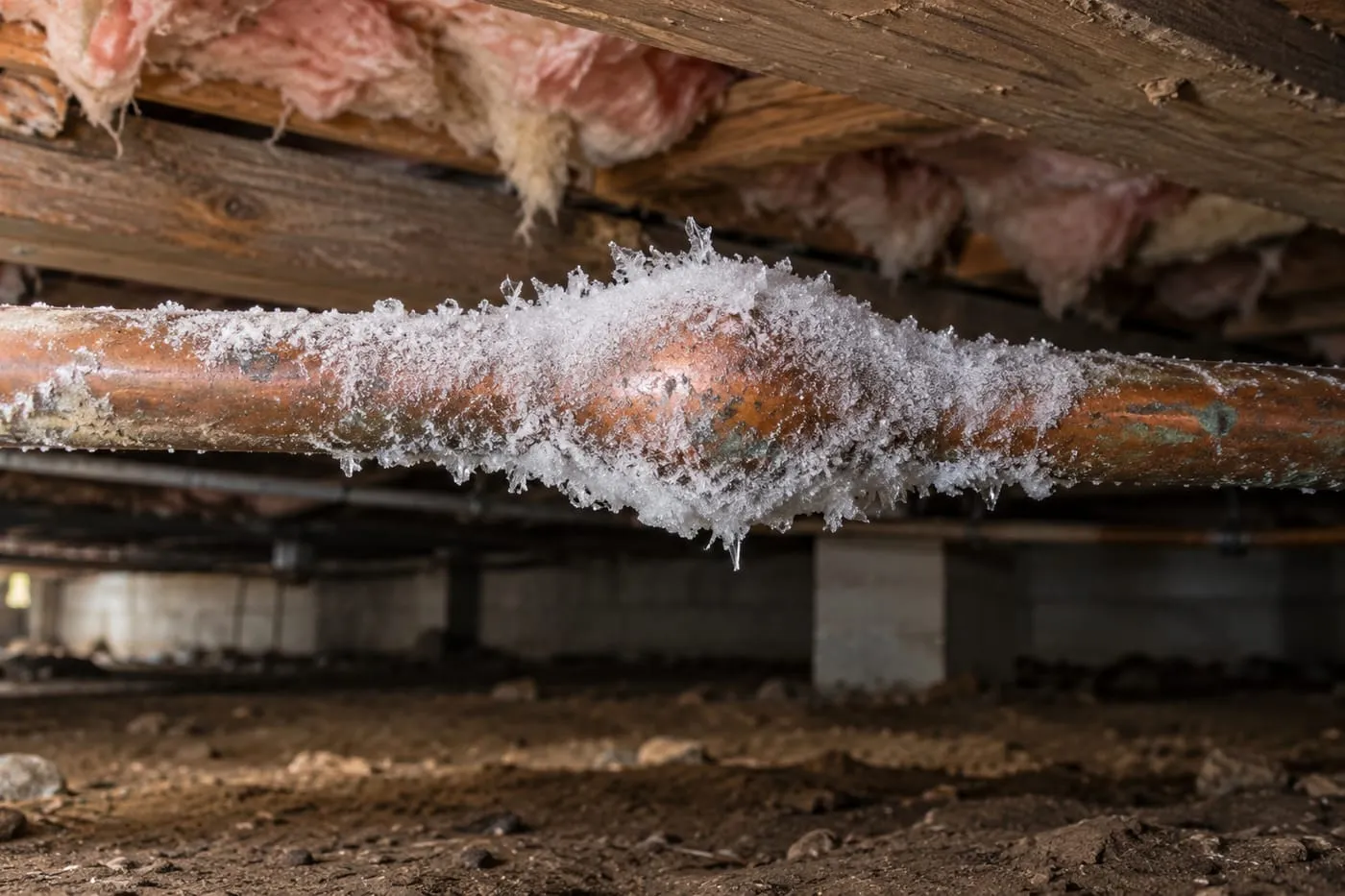
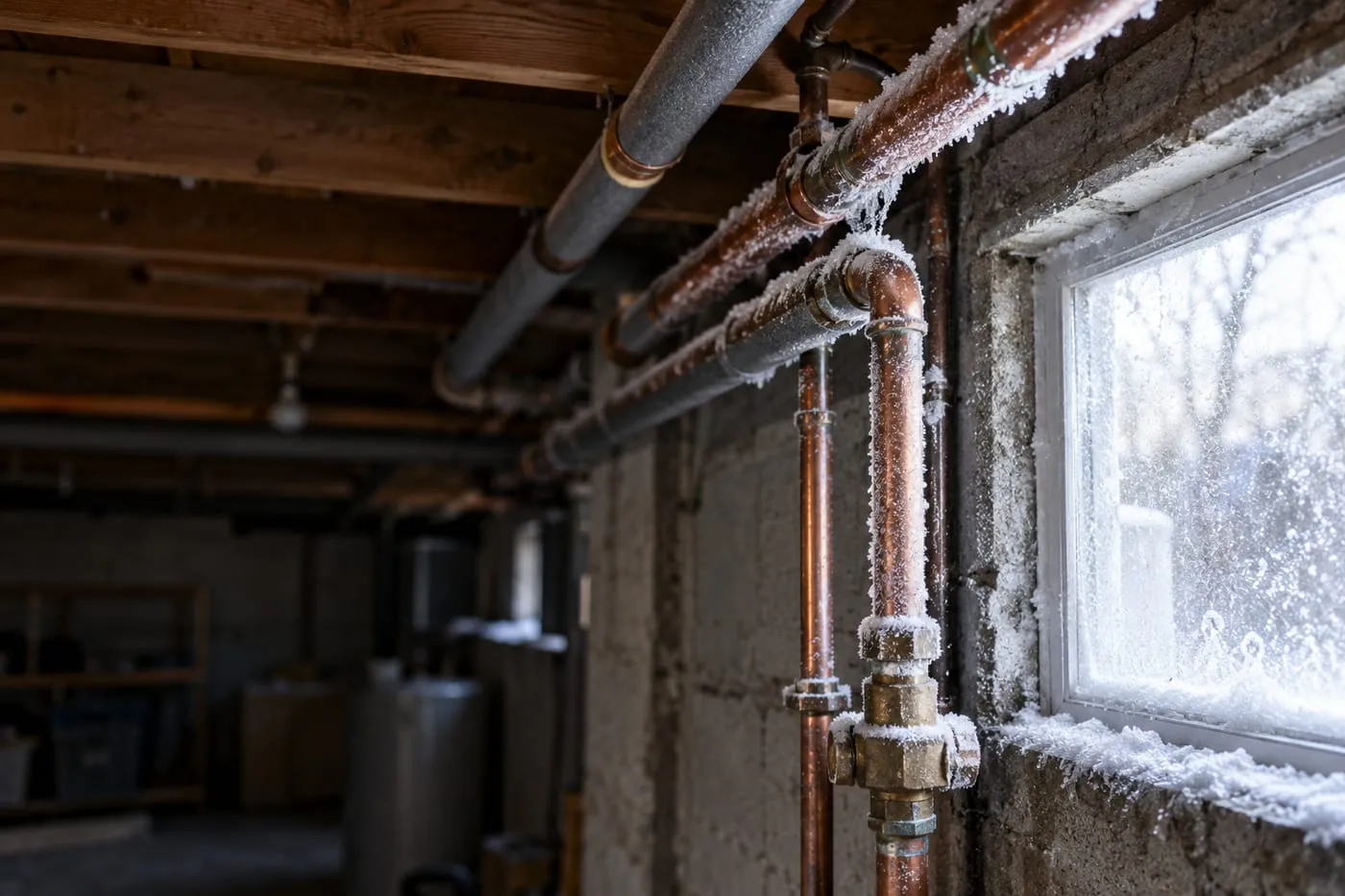
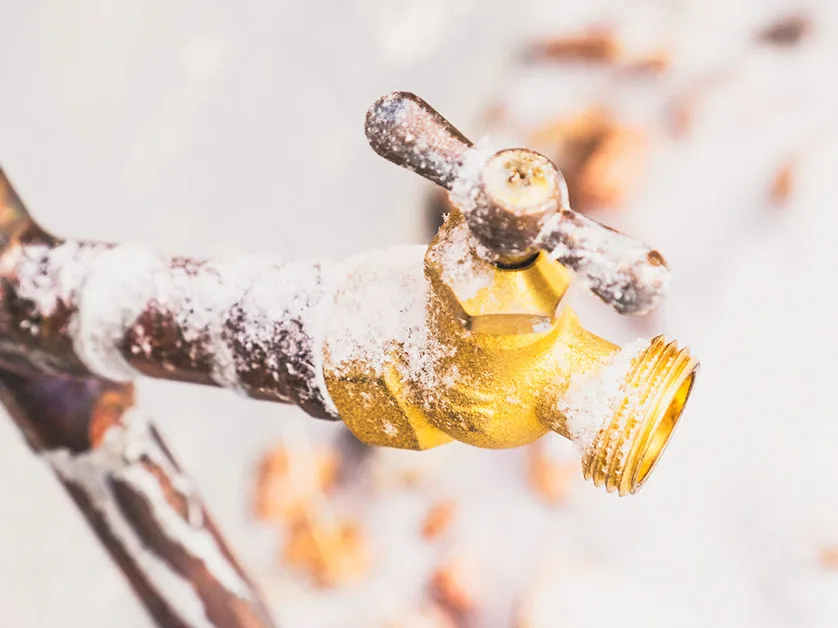
If a pipe is frozen, leaking, hard to reach or near electricity, shut off the water where it's safe to do so and call us. Never use a torch or open flame. Full guides: how to prevent and thaw frozen pipes and winterizing outdoor faucets.
What not to try yourself
Some problems look small but need a licensed plumber: anything involving a gas line, a leak inside a wall or ceiling, a sewer backup, or hands-on water heater work. Our post on plumbing repairs you should never DIY explains why.
Still not fixed?
Call 908-873-6686 or request service online. The $49 service call covers the trip and is waived if you go ahead with the work. Written upfront flat-rate pricing options. You choose.
Get tips and reminders
New guides and seasonal reminders. A few emails a year.
Stop and call us if
- Water is leaking from a pipe, the ceiling or the water heater tank.
- More than one drain is backing up at the same time.
- You smell gas near the water heater. Leave the house first and call 911 and your gas company.
- The same problem keeps coming back after you fix it.
Call 908-873-6686.

Michael Holt
Owner and operator of Plumbing Doctor, NJ Master Plumber (Lic. #36BI01345600) and U.S. Marine Corps veteran.
More about Mike