Shower Diverter: How It Works, the 3 Types and Signs It's Failing
By Mike Holt, NJ Master Plumber · February 25, 2025 · 3 min read · Updated November 1, 2026
Quick answer
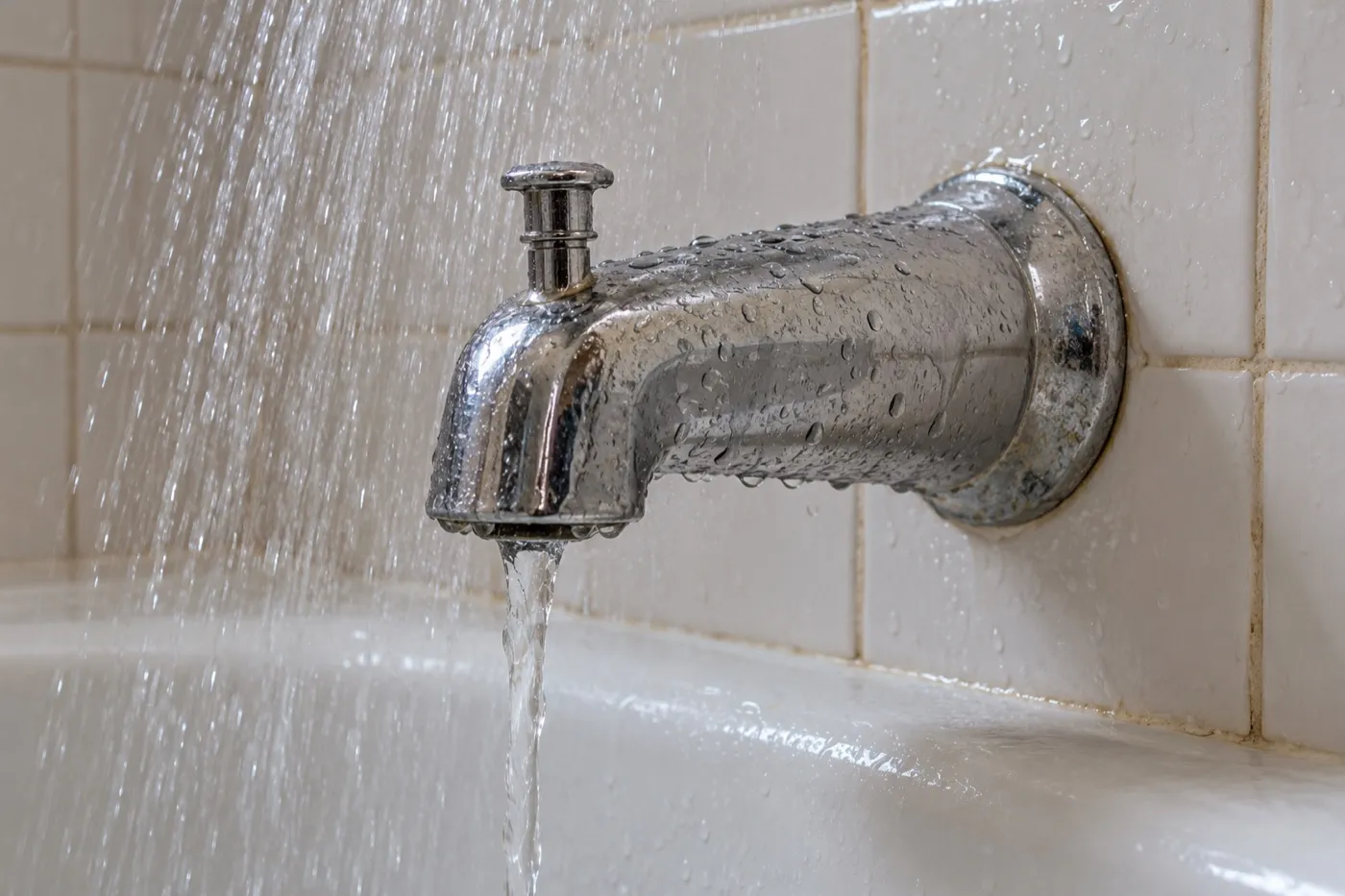
A shower diverter is the valve that sends water from the tub spout up to the shower head. It's either a pull-up knob on the spout, a center handle between the hot and cold handles, or a position on a single-handle valve. When it wears out, water keeps running from the spout while you shower, the shower gets weak, or the knob sticks or won't stay up.
Want us to take a look? We find the cause and give you written upfront flat-rate pricing options before any work starts.
Turn on the tub, pull up a knob or turn a handle, and the water jumps to the shower head. That small part is the diverter, and it's one of the most common reasons a shower suddenly feels weak or the tub keeps running while you shower.
What does a shower diverter do?
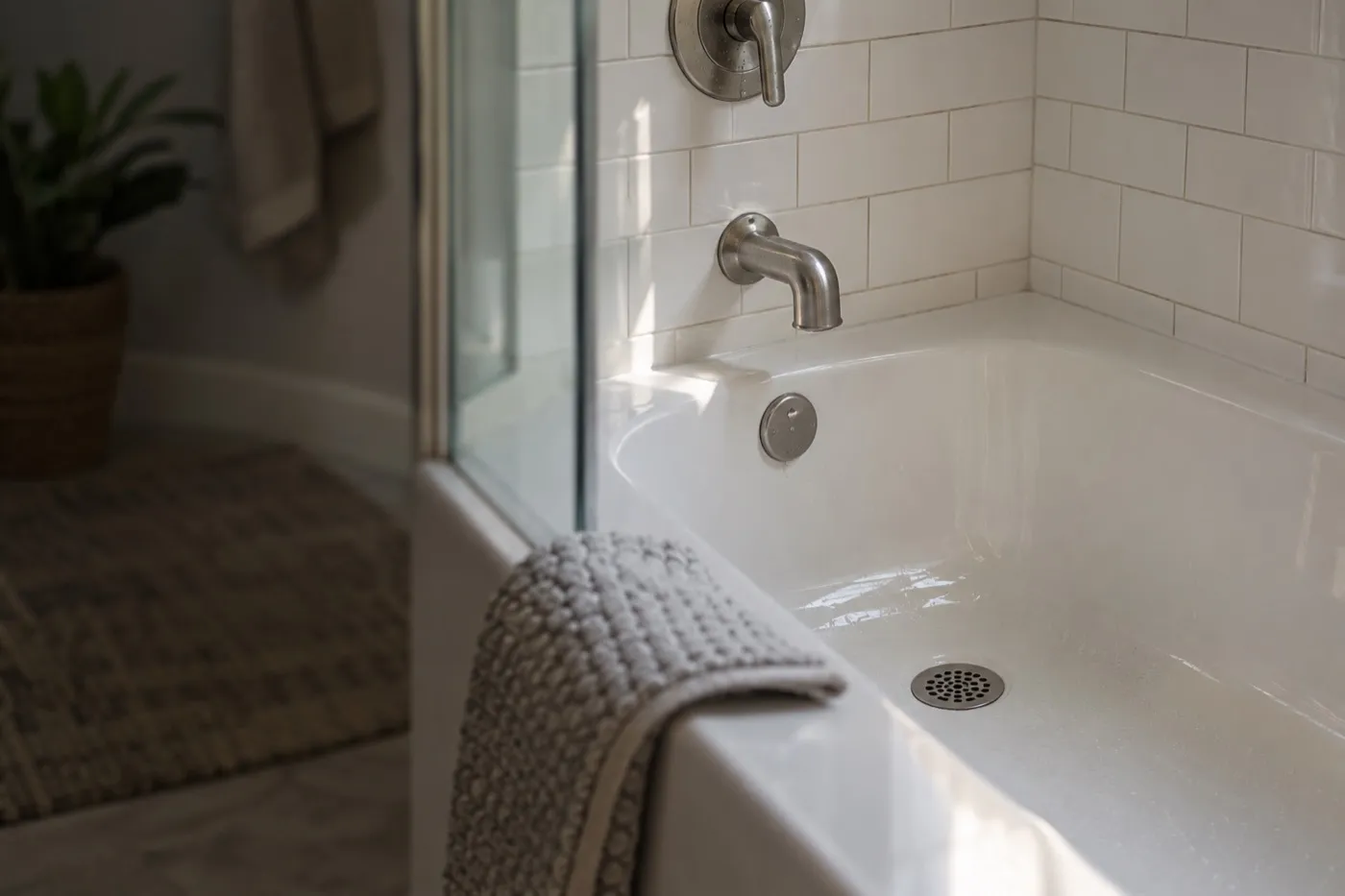
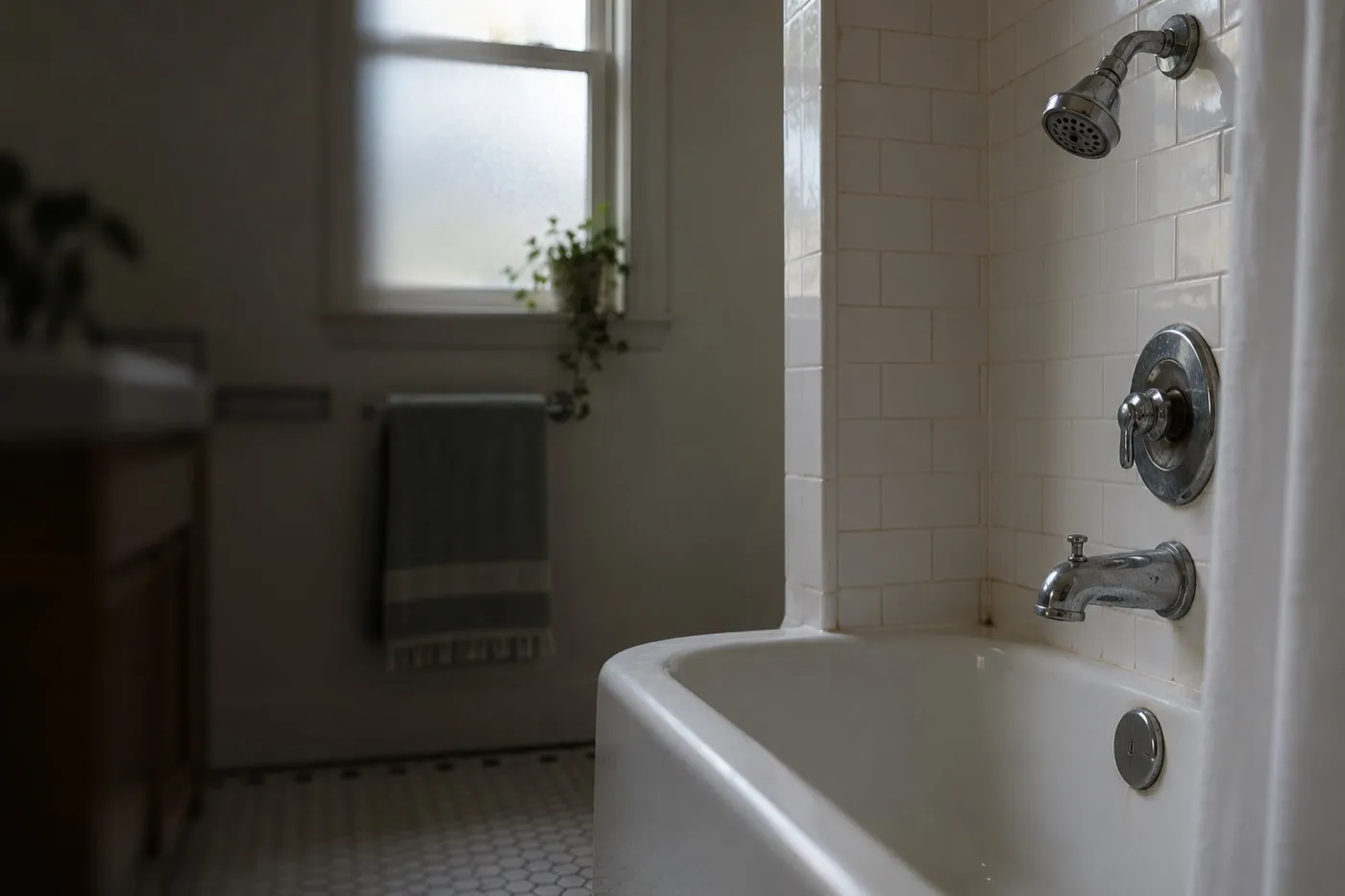
A diverter is a gate inside your tub and shower plumbing. When it's open, water flows out the tub spout because that's the easiest way out. When you close it, the water has nowhere to go but up the pipe to the shower head. Every tub and shower combination has one. A stand-alone shower doesn't, because it only has one outlet.
What are the 3 types of shower diverters?
| Type | Where it is | How you use it | What usually fails |
|---|---|---|---|
| Tee diverter | Built into the tub spout | Pull the knob on top of the spout up | The gate and seal inside the spout; mineral buildup |
| Two-valve diverter | Part of a two-handle valve, or a separate knob | Turn or pull the knob | The diverter stem and its washer |
| Three-valve diverter | The middle handle between hot and cold | Turn the center handle | The stem, washer or seat inside the wall |
Single-handle valves with a built-in diverter also exist. They let you turn the same handle past a stop to switch outlets. When that kind fails, the cartridge inside the valve usually needs replacing.
What are the signs a shower diverter is failing?
- Water keeps coming out of the tub spout while the shower is running.
- The shower spray is weak, but the tub fills at full speed.
- The pull-up knob drops back down by itself, or you have to hold it up.
- The diverter handle is stiff, squeaks, drips or turns without switching anything.
- Water spots or soft drywall on the other side of the shower wall. That points to a leak behind the valve, which needs attention soon.
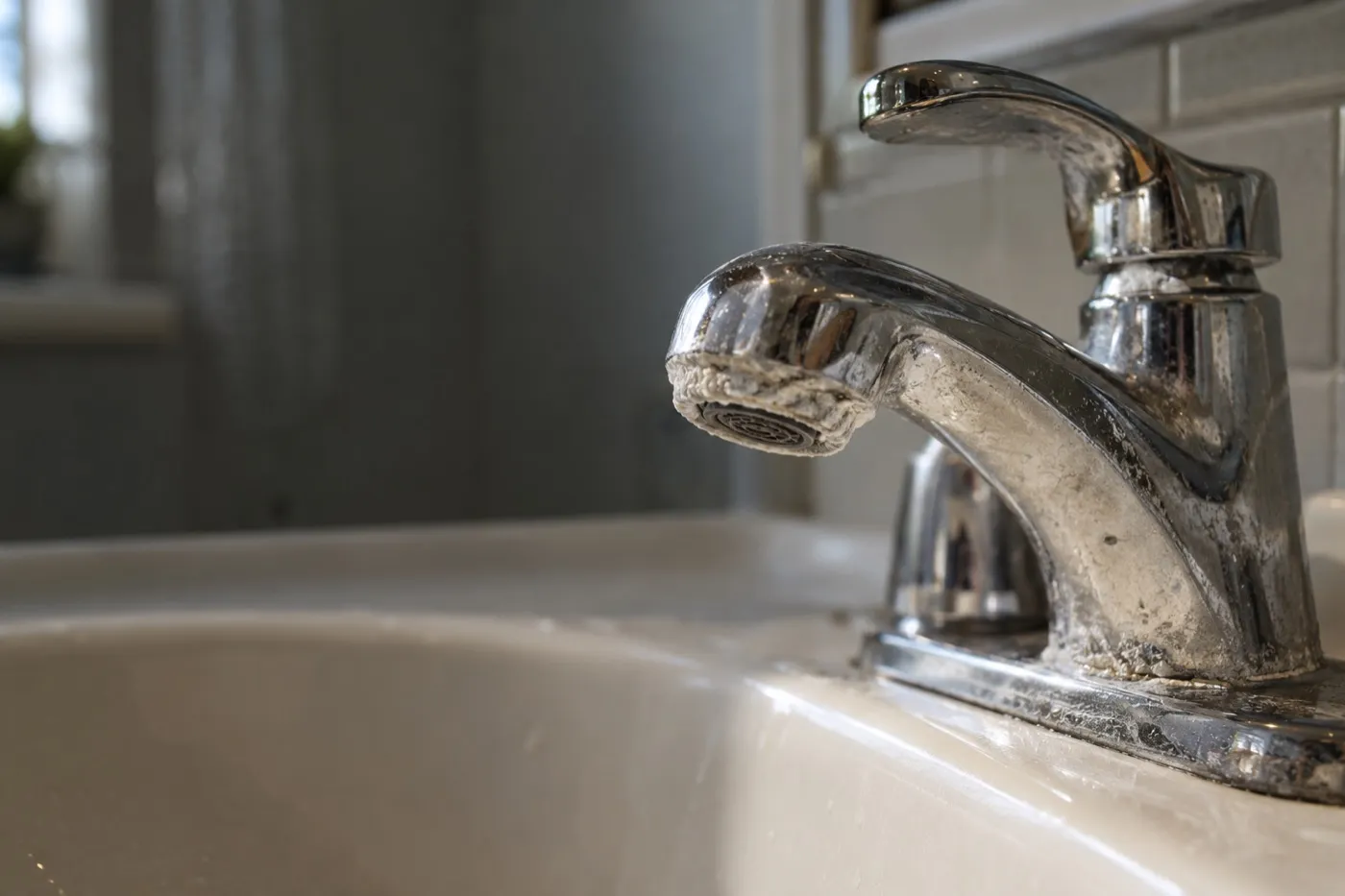
Hard water speeds all of this up. Scale builds on the gate and seals, so they stop closing all the way. Our guide to hard water and your plumbing covers what else it does.
Should you repair or replace a shower diverter?
It depends on the type:
- A tee diverter is sealed inside the spout, so you replace the spout. Check whether yours slips on with a small set screw underneath or threads onto the pipe, and buy the same kind.
- On a two- or three-handle valve, the diverter stem and washer can usually be replaced from the front, without opening the wall.
- A single-handle valve with a built-in diverter usually needs a new cartridge from the same brand as the valve.
- If the valve is old and corroded, or it's leaking behind the wall, replacing the whole valve is often the better repair, so the wall only gets opened once.
Soaking a removable spout or stem in white vinegar can loosen mineral buildup. If it still leaks after that, the seal itself is worn.
How do you keep a diverter working?
- Push the knob back down after every shower. Leaving it up holds pressure on the seal.
- Wipe scale off the spout and handles now and then, and clean or replace the shower head when the spray gets uneven.
- If you have hard water, a softener protects the diverter along with every other valve in the house. See our water treatment systems page.
When should you call a plumber?
Call when the diverter is inside the wall, when a new spout didn't stop the leak, or when you see signs of water behind the tile. A dripping valve inside a wall can soak framing and drywall for months before you see it. Our team replaces diverters, stems, cartridges and full shower valves across Central New Jersey. See our toilets, faucets and fixtures page, or call 908-873-6686. Written upfront flat-rate pricing options. You choose.
Get tips and reminders
New guides and seasonal reminders. A few emails a year.
Stop and call us if
- Water runs from the spout and the shower head at the same time, and a new tub spout didn't fix it.
- The diverter handle is in the wall (two- or three-handle valve) and it drips, sticks or won't turn.
- You see water stains, soft drywall or loose tile on the other side of the shower wall.
- The handle spins freely or came off in your hand.
Call 908-873-6686.

Michael Holt
Owner and operator of Plumbing Doctor, NJ Master Plumber (Lic. #36BI01345600) and U.S. Marine Corps veteran.
More about Mike