Toilet Tank Not Filling? How to Fix It in 6 Steps
By Mike Holt, NJ Master Plumber · June 30, 2024 · 3 min read · Updated November 1, 2026
Quick answer
Most toilet tanks that won't fill have one of four problems: the supply valve behind the toilet is partly closed, the fill valve is clogged with grit or worn out, the float is set too low, or the flapper leaks so water keeps draining into the bowl. You can check all four in about 15 minutes.
- Difficulty
- Easy
- Time
- 15 to 30 minutes
- You need
- Towel, bucket, maybe a new fill valve
Rather not risk it? A licensed plumber can handle this for you, with written upfront flat-rate pricing options before any work starts.
Toilet overflowing? Turn the oval valve on the wall behind the toilet clockwise until it stops. That shuts off the water to the toilet. Then call us if you need help. 908-873-6686
A toilet tank that won't fill, or fills very slowly, is almost always a simple fix. The parts inside a tank are cheap and easy to reach. Work through these steps in order, and stop when the tank fills to the right level.
How to fix a toilet tank that won't fill
Step 1: Open the supply valve all the way
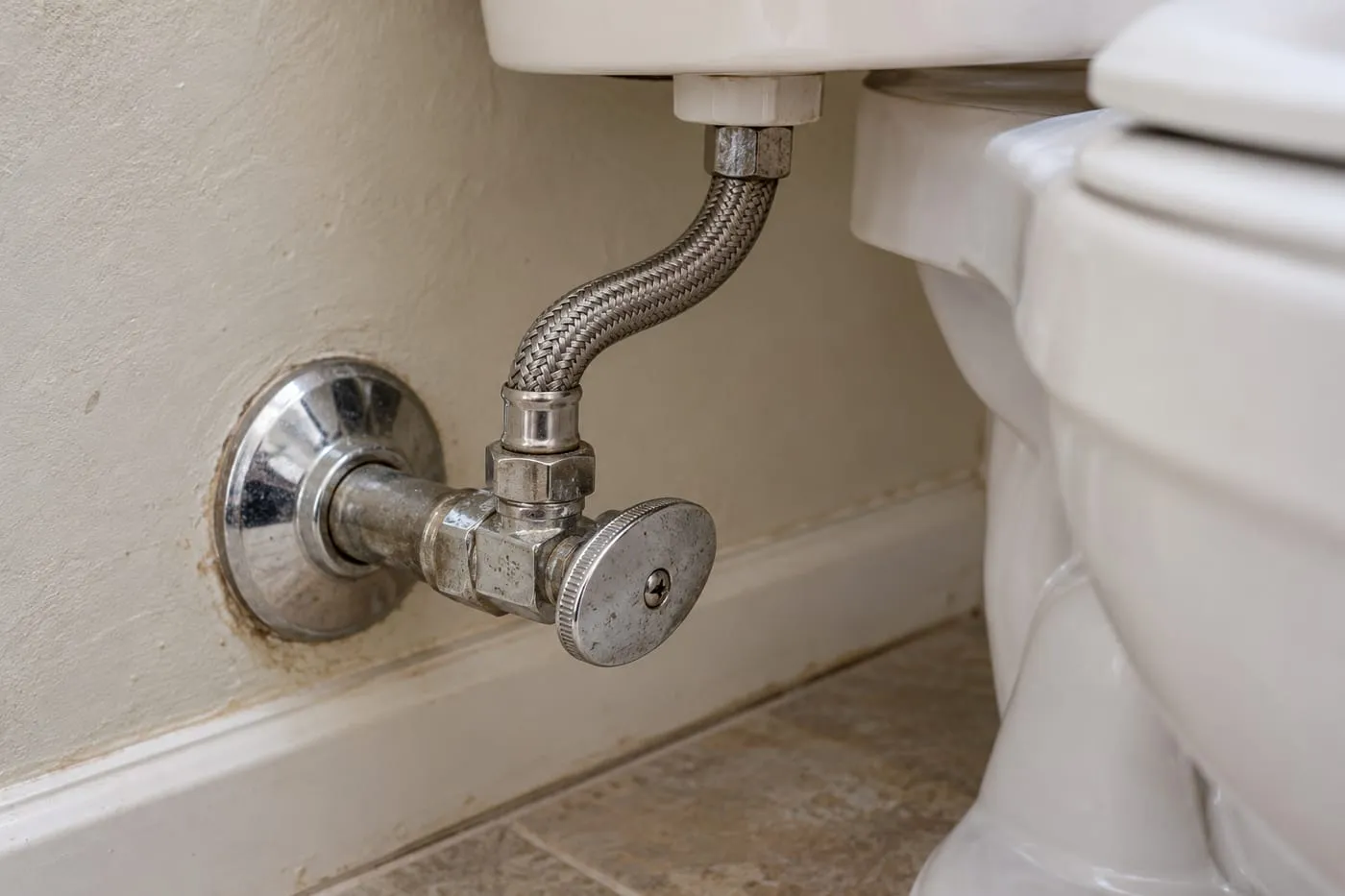
Find the oval valve on the wall or floor behind the toilet. Turn it counterclockwise as far as it goes. A valve that got bumped or was left half closed after a repair is one of the most common causes. If the handle won't turn, don't force it. Old valves can break.
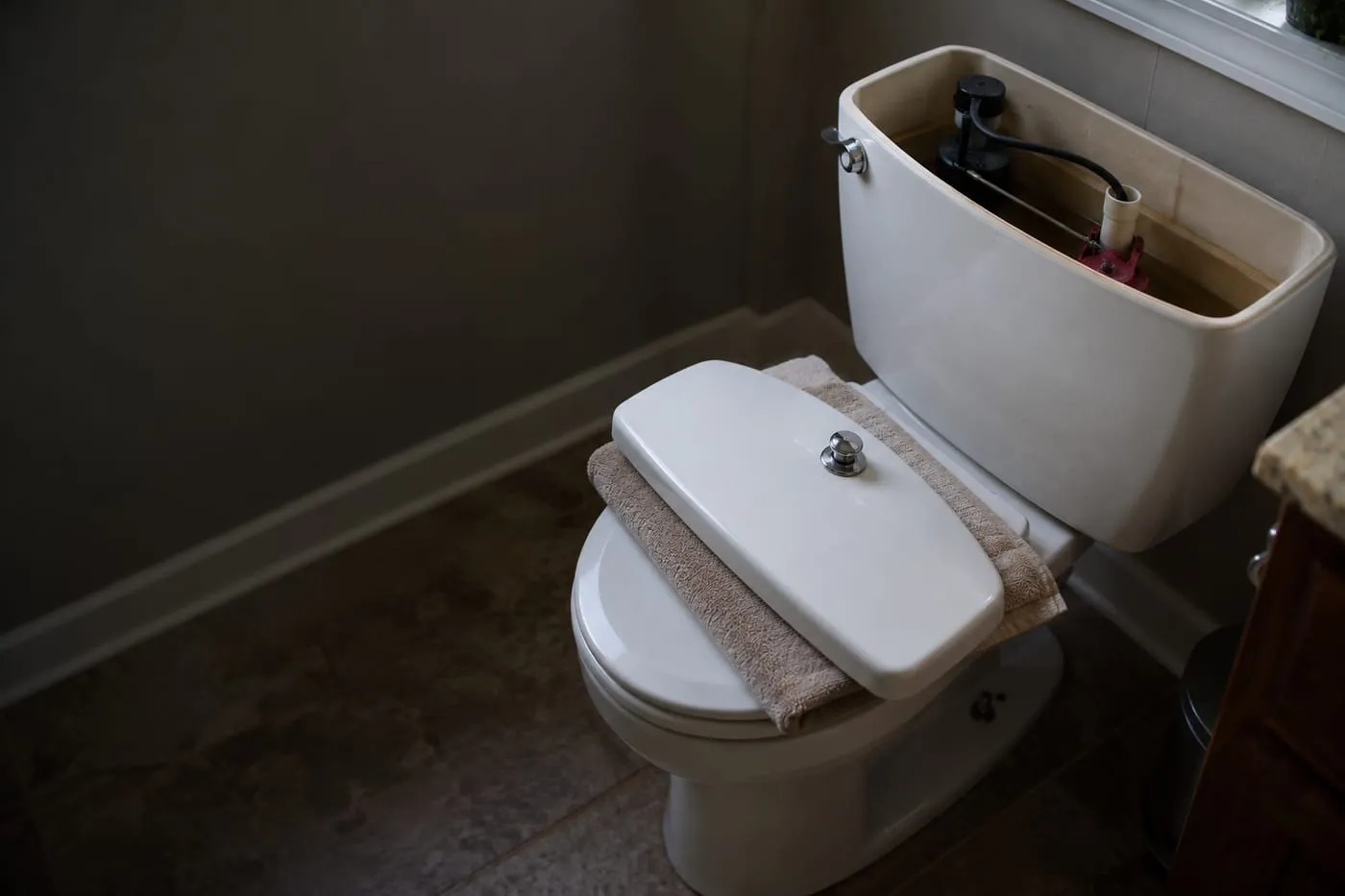
Step 2: Take the lid off and look inside
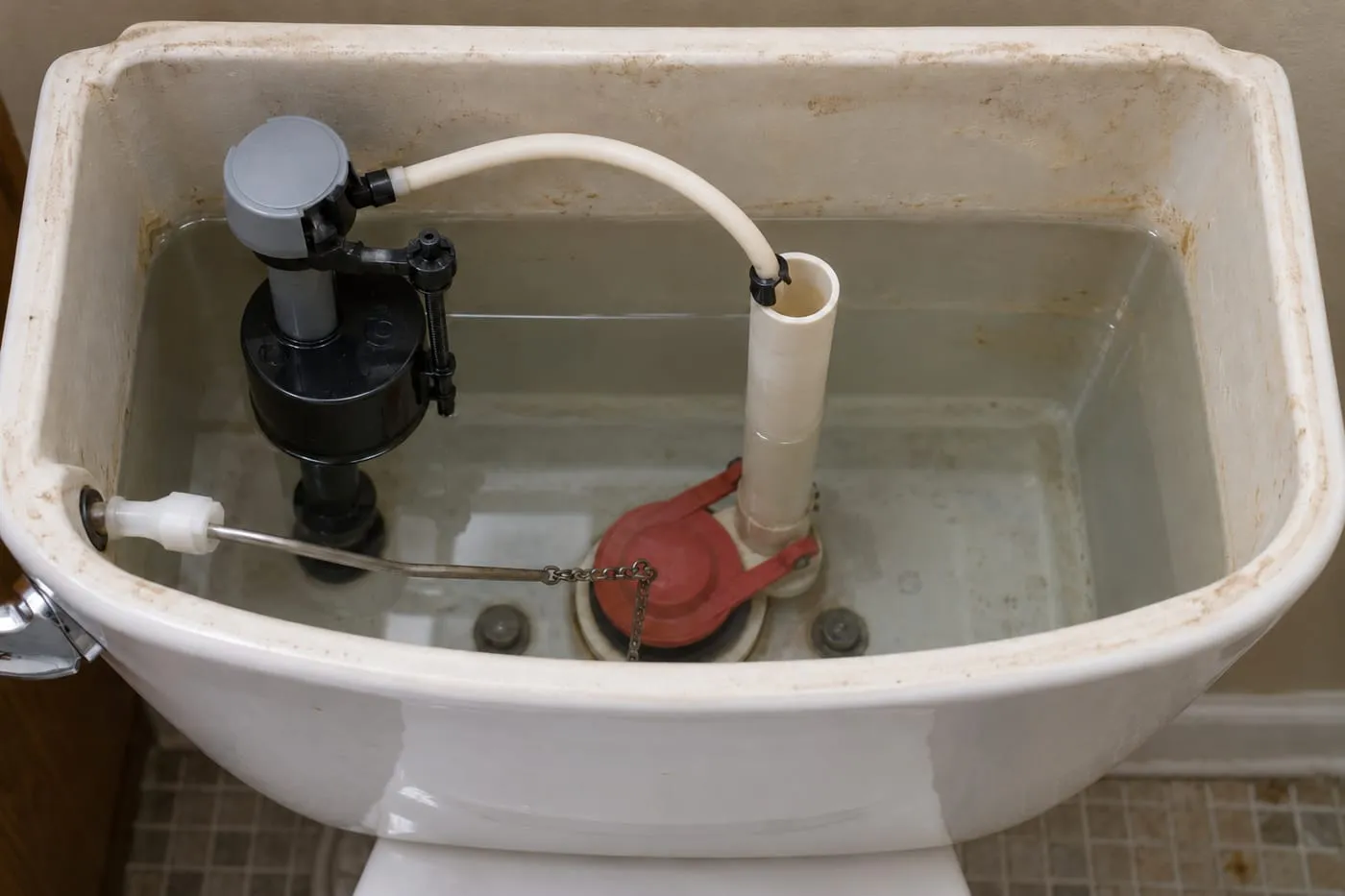
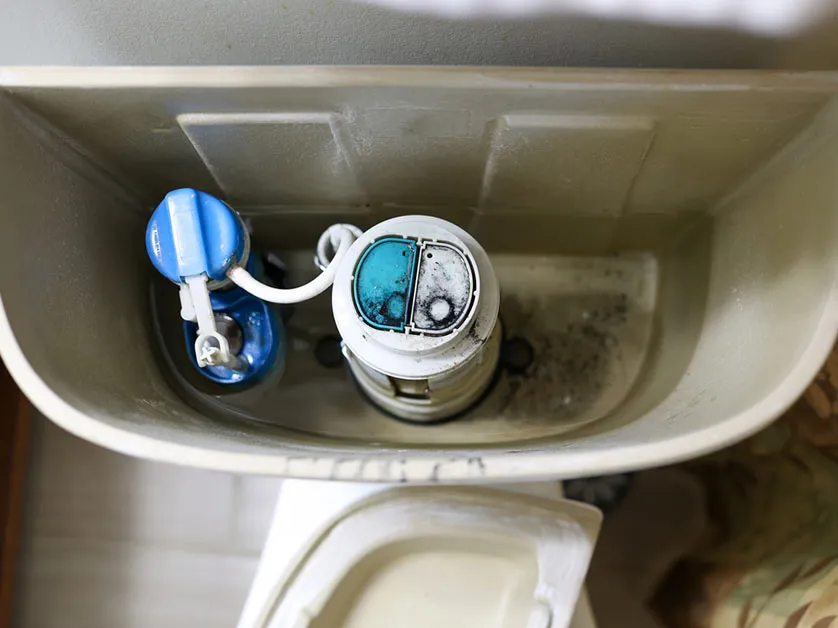
Set the lid on a towel. Flush and watch. The fill valve (the tall part on one side) should hiss and refill the tank. The flapper (the rubber seal at the bottom) should drop back down and seal after the flush.
Step 3: Check the flapper
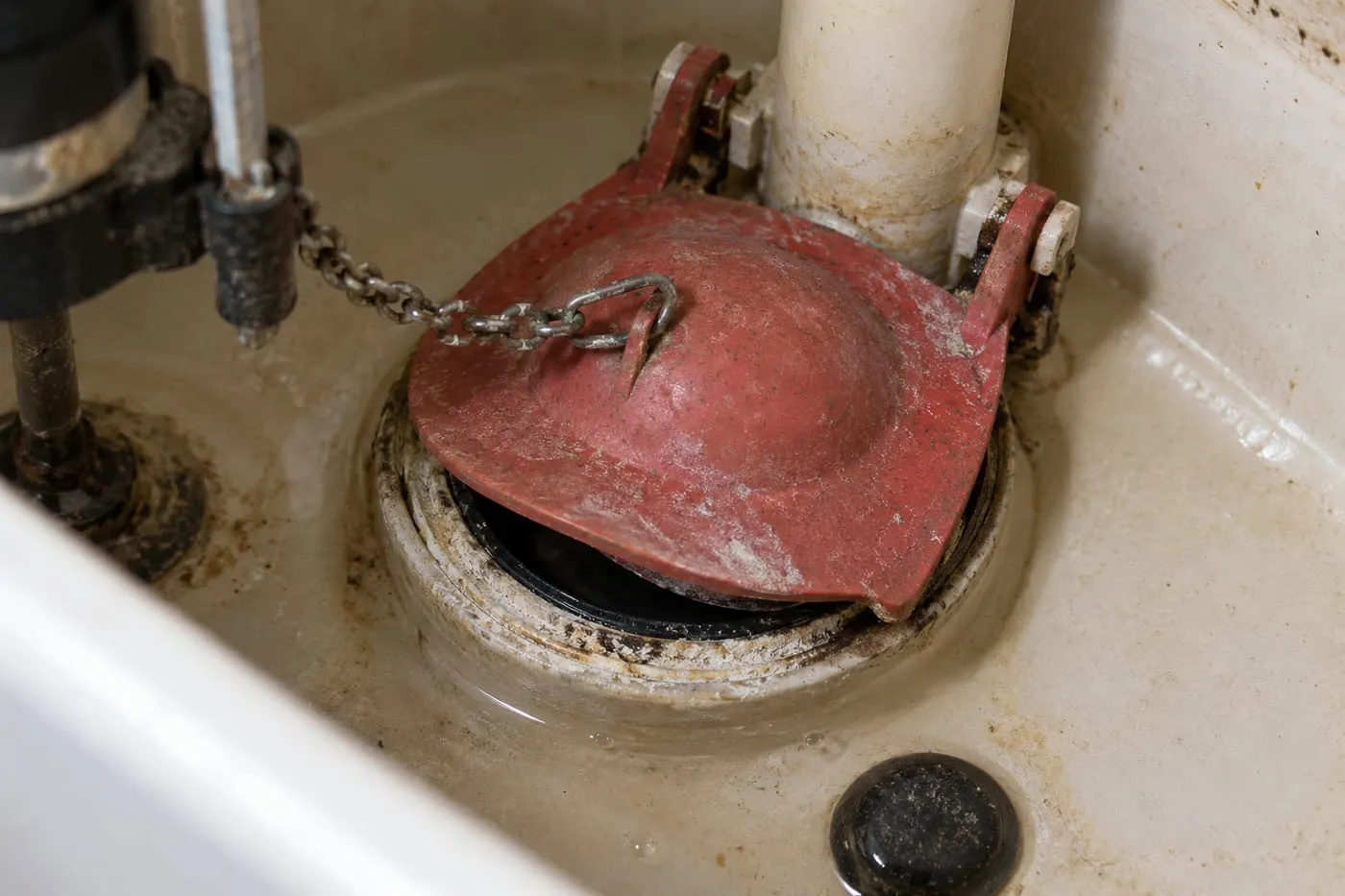
If water keeps running into the bowl, the flapper isn't sealing. Make sure the chain isn't caught under it and has a little slack. If the rubber is warped, stiff or slimy, replace it. Take the old one to the hardware store to match the size.
Step 4: Adjust the float
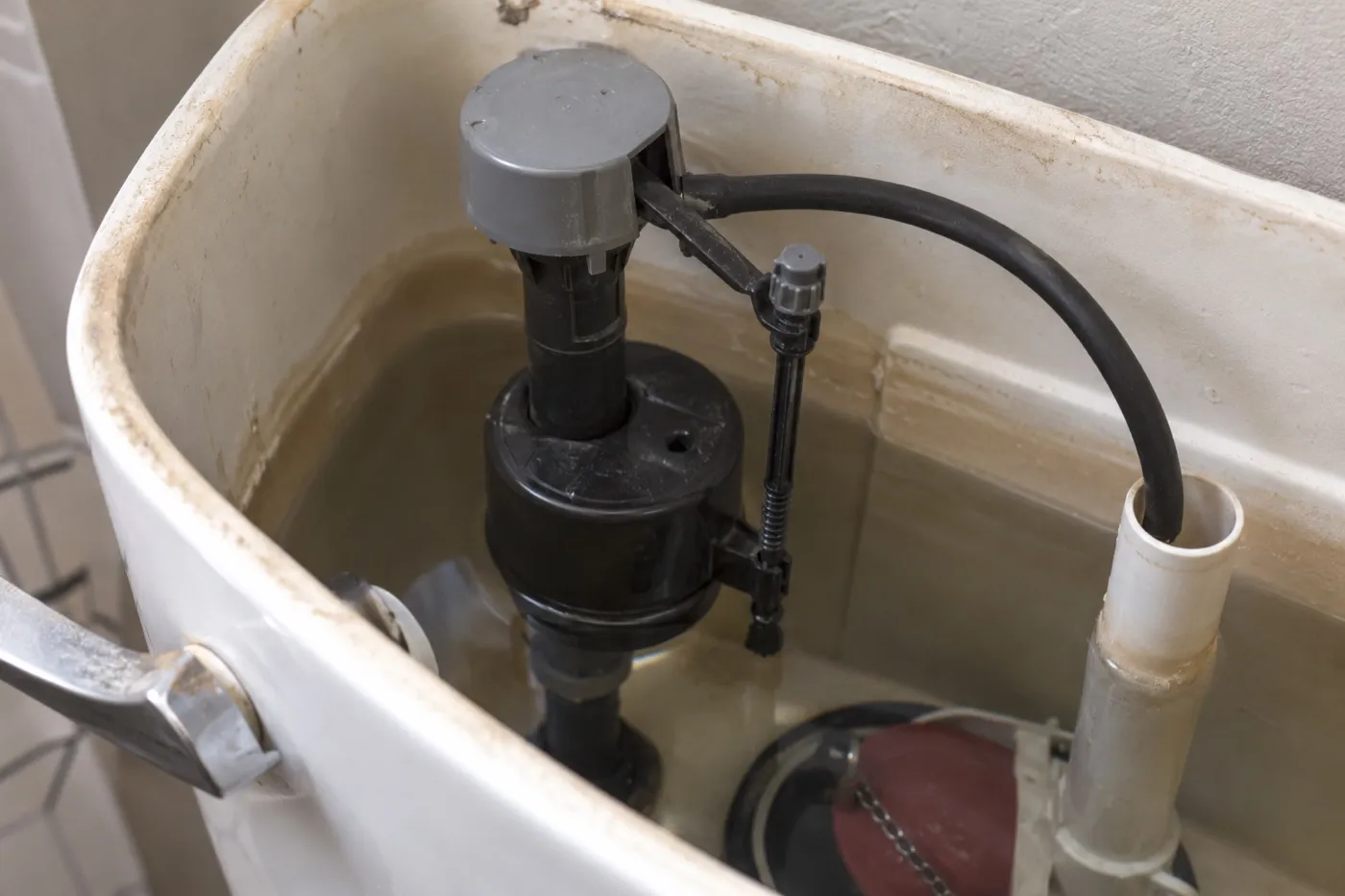
The float tells the fill valve when to stop. If it's set too low, the tank stops filling early. On most modern fill valves you raise it by turning the adjustment screw or sliding the float cup up. Set it so the water stops about 1 inch below the top of the overflow tube.
Step 5: Flush grit out of the fill valve
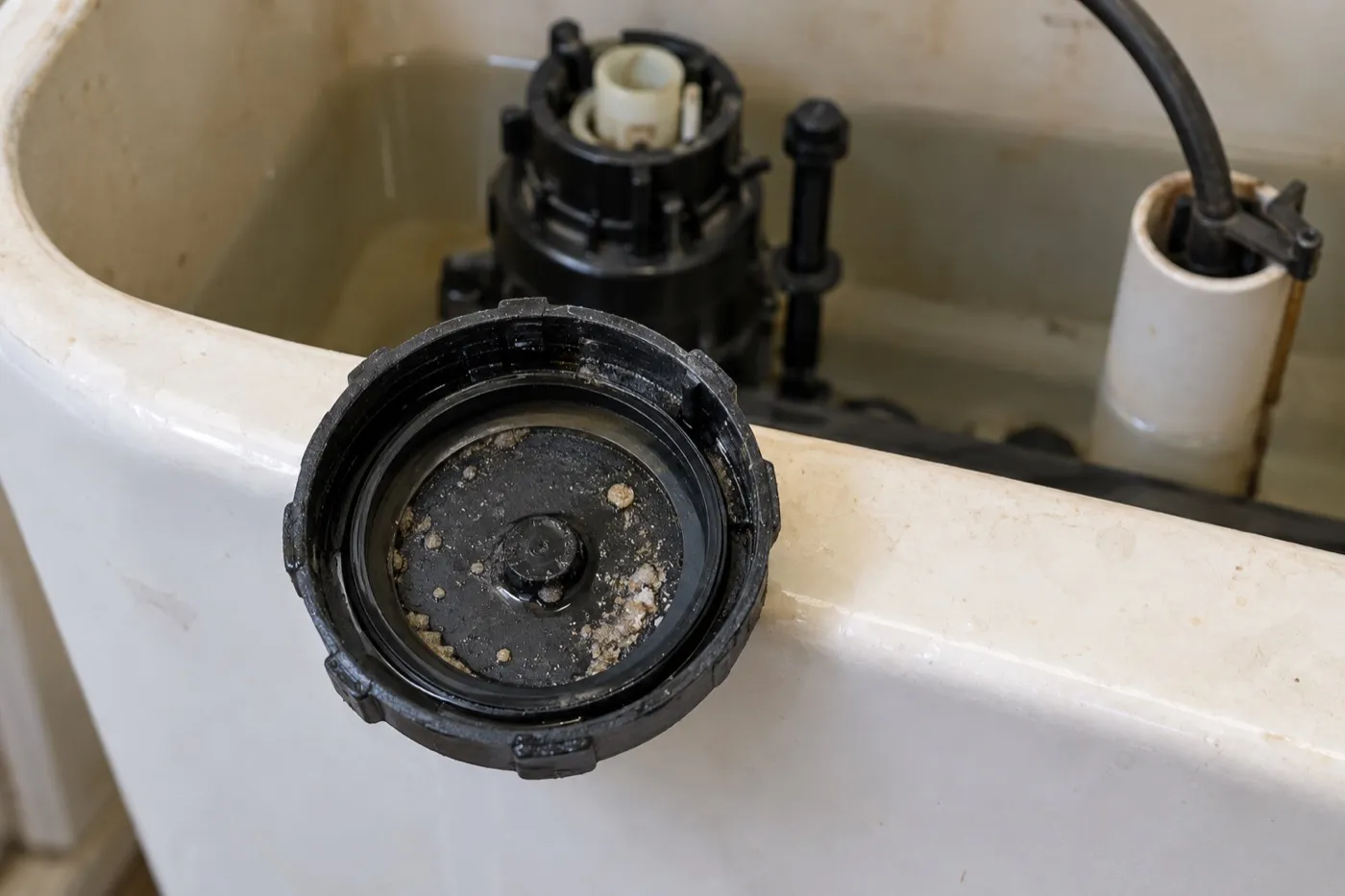
Sand and mineral bits can block the fill valve, especially after water work on your street. Turn off the supply valve, flush the toilet, and remove the cap on top of the fill valve (on most models you press down and twist). Hold a cup upside down over the open valve and turn the water on for a few seconds to blast out the grit. Put the cap back and turn the water on.
Step 6: Replace the fill valve if it's still slow
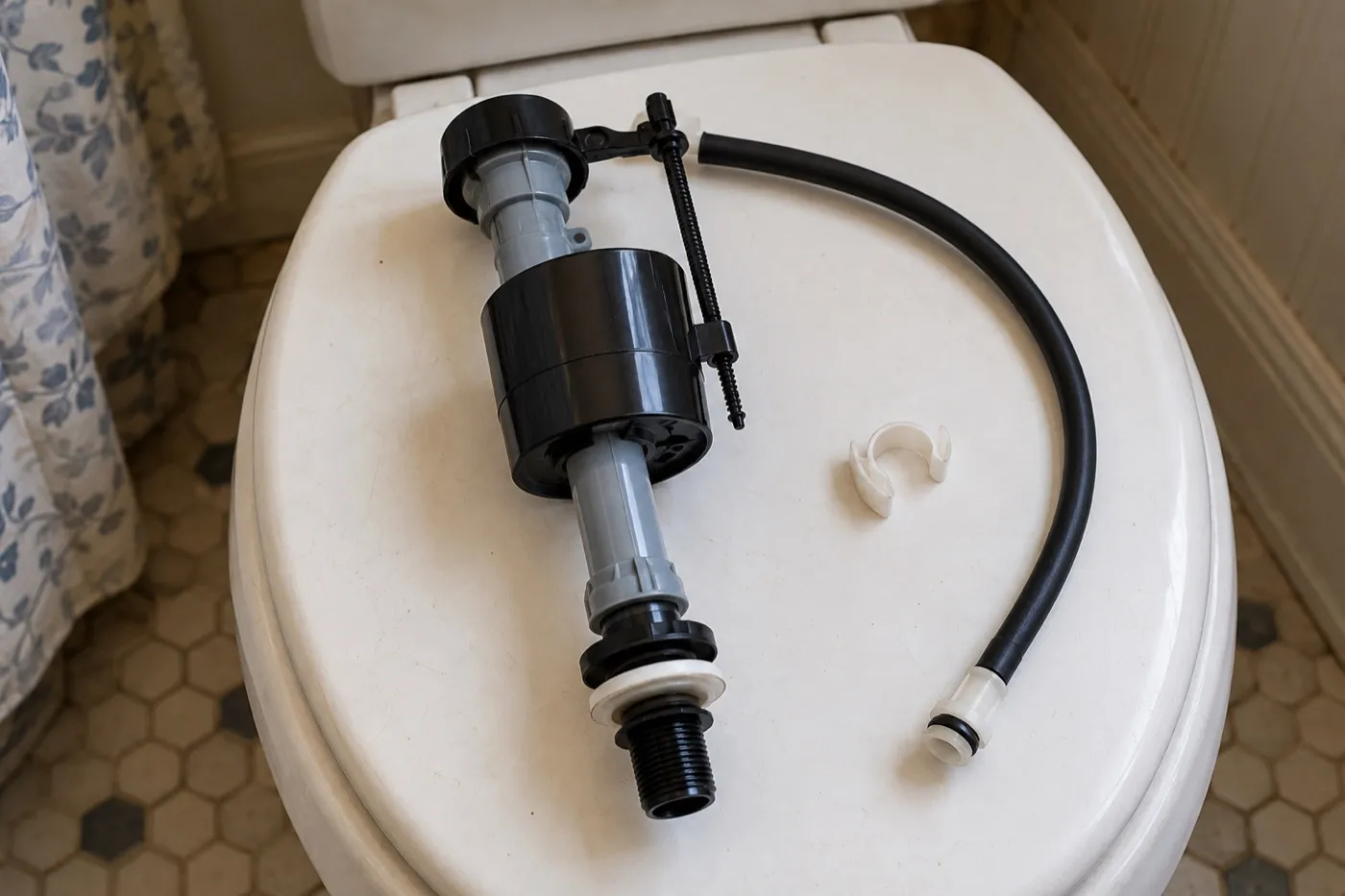
Fill valves wear out after years of use. A replacement kit from the hardware store fits almost any toilet and comes with instructions. If you'd rather not do it, we replace fill valves and flappers on any service call. See our toilet and fixture repair page.
What if it's not the toilet?
If the toilet fills slowly and your faucets and shower are weak too, the problem is the water supply to the house, not the tank. Our guide to low water pressure covers the usual causes. Call 908-873-6686 if you'd like us to take a look. Written upfront flat-rate pricing options. You choose.
Get tips and reminders
New guides and seasonal reminders. A few emails a year.
Stop and call us if
- The supply valve behind the toilet won't turn, or it drips when you turn it.
- Water is leaking onto the floor or from the base of the toilet.
- The tank or bowl has a crack.
- Every faucet in the house has weak pressure, not just the toilet.
Call 908-873-6686.

Michael Holt
Owner and operator of Plumbing Doctor, NJ Master Plumber (Lic. #36BI01345600) and U.S. Marine Corps veteran.
More about Mike